



Free Shipping FREE Shipping Over $491

How to Treat Impetigo Fast: Symptoms, Stages, Treatment & Recovery

terrasil silver accent terrasil silver accent
Impetigo close-up

Medically reviewed for informational accuracy  |  Last updated: May 2026

Knowing how to treat impetigo quickly matters — this bacterial skin infection spreads fast, stays contagious for days, and gets worse when left alone. Whether you’re dealing with a child’s honey-crusted sores or an adult case picked up from a gym or contact sport, the approach is the same: address the bacteria, protect the skin, stop the spread, and support recovery. Understanding how bacterial skin infections damage and weaken the skin barrier can also help explain why recovery support matters after treatment.

Impetigo is a highly contagious bacterial skin infection that commonly causes red sores, blisters, and honey-colored crusts. It most often affects children but can occur in adults as well. Early treatment helps reduce spread and speeds recovery.

Who Gets Impetigo — and Where Does It Appear?

Impetigo is one of the most common bacterial skin infections in the world, affecting an estimated 140 million people annually.[1] It can happen to anyone, but certain people and circumstances make it significantly more likely. 

Children between the ages of two and five are the most commonly affected group — partly because of the frequency of minor skin injuries at that age, and partly because of close physical contact in schools and childcare settings.[2] But adults are far from immune. Contact sport athletes (wrestlers, football and rugby players), people living in crowded conditions, those who work in healthcare or childcare, and anyone with an underlying skin condition like eczema are all at elevated risk. 

Impetigo most commonly appears on exposed skin — the face (especially around the nose and mouth), arms, and legs.[3] In infants, it tends to concentrate around the diaper area, neck folds, and trunk. In athletes, it often appears wherever skin-to-skin contact or abrasion happens most. When impetigo develops on top of an existing condition like eczema, it can appear wherever that underlying condition has broken down the skin surface. If underlying irritation or dermatitis is contributing to recurring skin breakdown, this guide on contact dermatitis symptoms and triggers may also help.

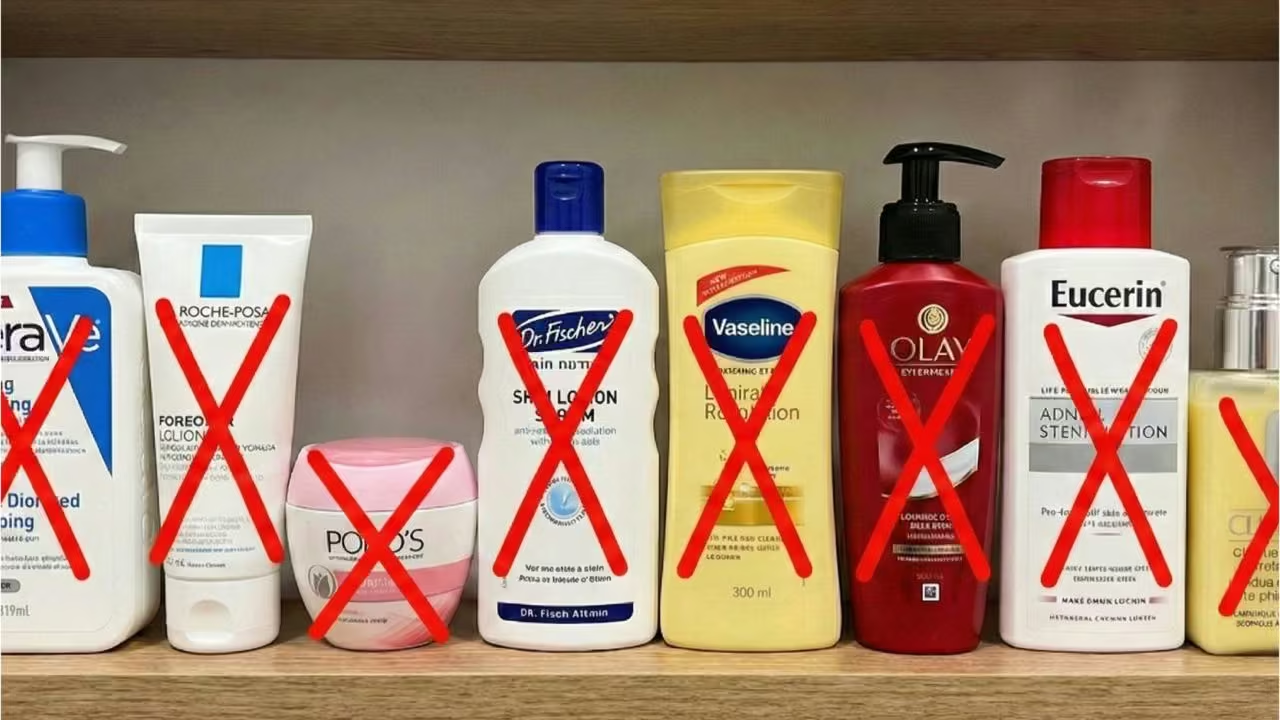
The common thread in every case is a break in the skin’s barrier. Impetigo bacteria — primarily Staphylococcus aureus and Streptococcus pyogenes — don’t need a significant wound to take hold.[4] A mosquito bite, a scraped knee, a patch of irritated skin from eczema, or even the cracked, raw skin around the nose after a cold can all provide enough of an entry point. That’s also why ingredients that help maintain and restore the skin barrier matter during and after recovery — but more on that below. Everyday irritants and harsh products can also weaken the skin barrier over time. Here’s a guide on how common daily products affect skin barrier health.

What Kills Impetigo Bacteria?
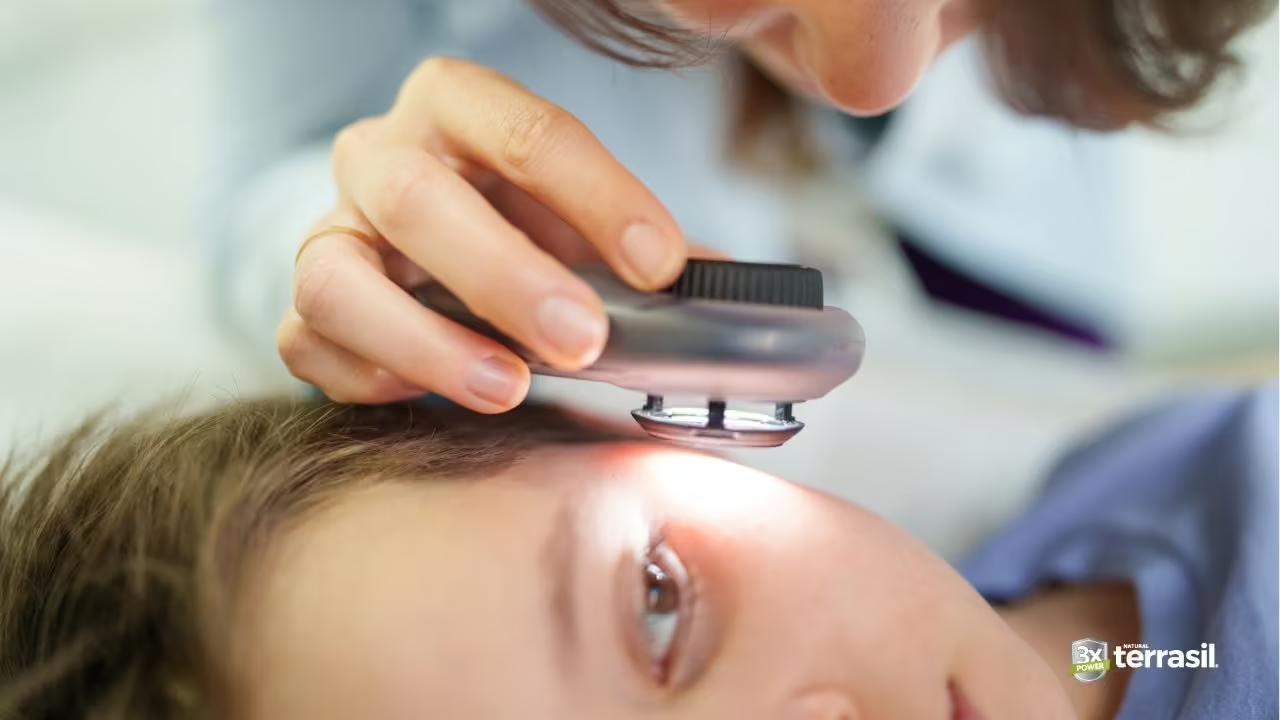
Doctor examining child's face

There are two main approaches to treating impetigo — and which one is right depends on the severity of the case, personal preference, and how early the infection is caught.

The Prescription Route

For moderate to severe cases, or those that have spread significantly, prescription antibiotics are the conventional medical treatment. Topical antibiotics such as mupirocin are applied directly to sores two to three times a day for five to ten days. When the infection is widespread, a healthcare provider may prescribe an oral antibiotic instead.[5] Gentle antibacterial cleansing alongside antibiotic treatment — washing sores with soap and warm water two to three times daily — helps remove crusts and allows topical treatments to reach the skin beneath more effectively.[6] 

The Natural Alternative 

For mild, early-stage impetigo, many people prefer to start with a natural approach before reaching for prescription medication. Terrasil® Anti-Bacterial Skin Repair Ointment is an FDA-registered remedy formulated specifically for bacterial skin infections — and it brings together the same ingredients the research points to, in a single clinically validated formula: 

  • Allantoin 0.5% — the FDA-recognized active skin protectant ingredient 
  • Tea tree oil — chosen for its documented antibacterial activity against the bacteria that cause impetigo 
  • Zinc oxide — antimicrobial, anti-inflammatory, and recognized for its skin-protective properties 
  • Jojoba oil and beeswax — for deep moisture and protective skin barrier support 
  • Calendula extract — to soothe irritation and support skin regeneration 
  • Patented Activated Minerals® — a proprietary blend that works with the botanicals to support skin healing at a deeper level 

The entire formulation is dermatologist tested and hypoallergenic approved — not a DIY combination of individual ingredients, but a purpose-built, dermatologist-tested formula for skin recovery from bacterial infections like impetigo. 

What Soap Is Best for Impetigo?
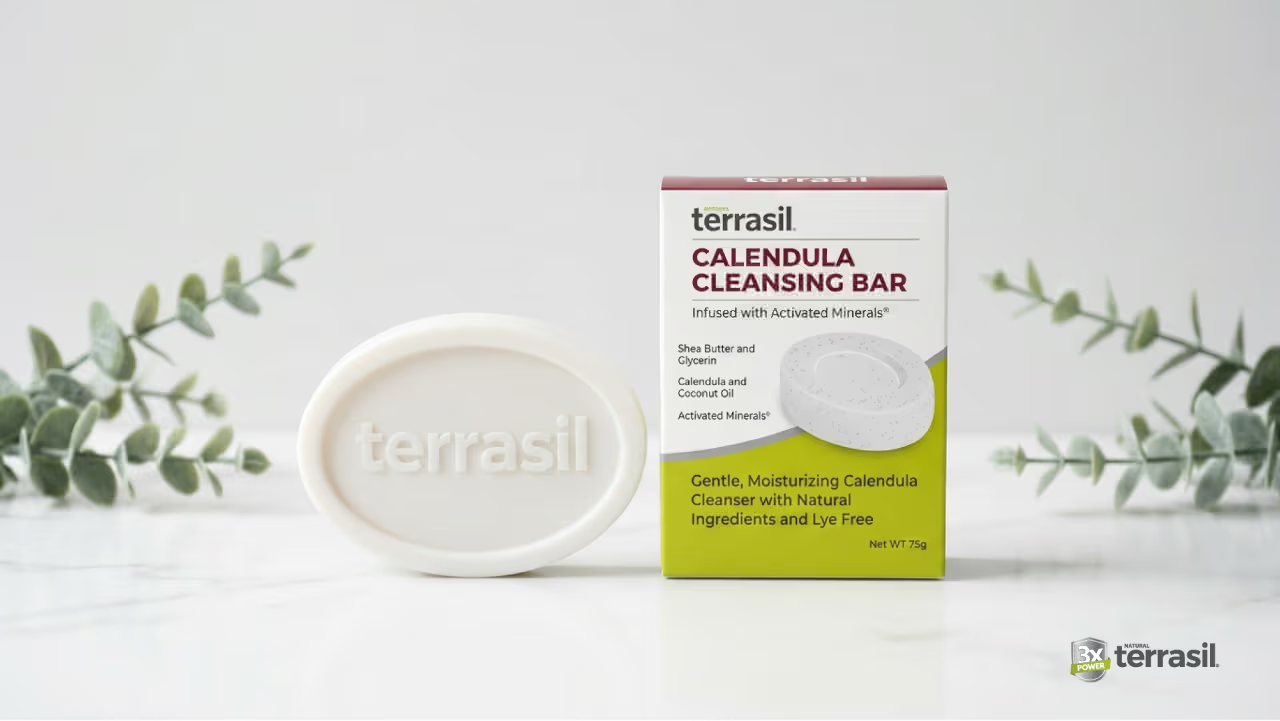
Terrasil natural calendula cleansing bar

Cleansing the affected area consistently is one of the most practical things you can do when managing impetigo. Washing two to three times a day with a gentle antibacterial soap removes crust, drainage, and surface bacteria — and crucially, it prepares the skin so that any topical treatment applied afterward can penetrate more effectively. The priority is gentleness: harsh soaps or heavily fragranced products can strip the skin’s natural oils and add further irritation to skin that is already compromised.[6] 

The Terrasil® Calendula Cleansing Bar is specifically well suited to this role. Calendula has centuries of documented use for its anti-inflammatory and skin-soothing properties, and this bar combines it with shea butter, jojoba oil, and coconut oil for deep, non-stripping moisture — important when the skin barrier is already under stress from a bacterial infection. It also contains tea tree oil, zinc oxide, magnesium oxide, and silver stearate — the same category of antibacterial and skin-supportive ingredients found in the Terrasil® ointment, infused via the same Activated Minerals® technology. It is lye-free, free from artificial fragrances, colors, and parabens, and has been dermatologist tested and hypoallergenic approved. 

Used before applying Terrasil® Anti-Bacterial Skin Repair Ointment, the cleansing bar creates a complete two-step routine: the bar gently cleans and prepares the skin surface, and the ointment follows to soothe, protect, and support recovery. The ingredient overlap between the two products is intentional — both are working in the same direction. 

Avoid harsh scrubbing or heavily fragranced cleansers, since over-cleansing can worsen irritation and slow barrier recovery.

Note: The bar contains calendula. Those with known sensitivity to the Asteraceae plant family (ragweed and related plants) should perform a patch test on a small area of healthy skin before use. 

Is It Better to Cover Impetigo or Let It Breathe?

Bandaging a child's hand

Covering active sores is generally the right call — especially when there is any risk of touch, scratching, or contact with others.[7] A loose nonstick bandage or gauze over draining sores physically stops bacteria from spreading via contact and reduces the chance of scratching moving the infection to other parts of the body. 

That said, impetigo has been noted to heal faster when left uncovered once sores have stopped draining and are beginning to crust over.[7] The practical balance: keep sores covered in shared spaces, around other people, and during sleep. When sores are crusting and clearly healing with no risk of contact, some air exposure is reasonable. Open, actively draining sores should always be covered loosely — tight wrapping traps moisture and can slow healing.[5]

Is It Better to Keep Impetigo Moist or Dry?

Keeping the area clean and dry is the standard guidance for preventing spread and supporting healing.[8] Moisture from shared water sources — swimming pools, hot tubs, shared baths — creates conditions where bacteria spread more easily and should be avoided during active infection.[6] 

However, before applying any topical treatment, soaking the area briefly in warm water or placing a warm damp compress on it for a few minutes softens crusts so they can be gently lifted away — an important step, since topical treatments work best when the skin beneath is exposed.[5] After cleaning and treatment, let the area air-dry or pat gently before covering. 

The Stages of Impetigo

Impetico info-graphic
  • Incubation:  (Days 1–10 after exposure)  No visible symptoms yet. Bacteria have entered the skin and are multiplying, but the infection can already be passed to others during this window.[4] 
  • Red Sores Appear:  (Early stage)  Small red patches or bumps emerge, typically around the nose, mouth, or on the limbs. They may itch or feel mildly sore.[9] 
  • Blisters Burst and Weep:  (Active stage)  Sores rupture and leak clear fluid or pus. This is the most contagious phase. Bacteria spread easily through touch, shared items, and scratching.[4] 
  • Honey-Colored Crust Forms:  (Crusting stage)  Fluid dries into the characteristic golden-yellow crust impetigo is known for. Still contagious until 24–48 hours into antibiotic treatment.[10] 
  • Crusts Fall Away:  (Healing stage)  With treatment, crusts begin to lift within seven to ten days, leaving a red mark that typically fades without scarring in most cases.[10] 
  • Skin Barrier Rebuilds:  (Recovery stage)  The infection is gone but skin remains sensitive and the barrier is still recovering. This phase benefits from gentle, protective care.[11] 

How Long Is Impetigo Contagious?

Father lovingly holding a child

Without treatment, impetigo remains contagious for as long as sores are active — potentially two to three weeks or longer.[10] With antibiotic treatment, the contagious period typically ends after 24 to 48 hours, provided sores are kept covered.[4] 

Children can generally return to school or childcare 24 hours after starting antibiotic treatment with sores covered. Adults can return to work after the same window while keeping sores covered and avoiding close physical contact with others.[6]

How Long Does Impetigo Live on Pillows and Surfaces?
Clean white pillowcase and sheets

Longer than most people expect. Staphylococcus aureus and Streptococcus pyogenes — the bacteria behind impetigo — can survive on dry surfaces for days to weeks, and in some conditions considerably longer.[12] Recontamination from shared bedding, towels, and clothing is one of the most common ways impetigo spreads within households and one of the most overlooked reasons it keeps coming back. 

During active infection, wash all clothing, towels, washcloths, pillowcases, and sheets in hot water daily. Once laundered, they are safe to reuse.[5] Hard surfaces that are frequently touched — bathroom counters, doorknobs, light switches — should be regularly cleaned with a household disinfectant effective against staph and strep bacteria.[13] 

Do not share personal items like towels, razors, or washcloths with anyone while impetigo is active.[6] 

Natural Ingredients, and Why Formulation Matters
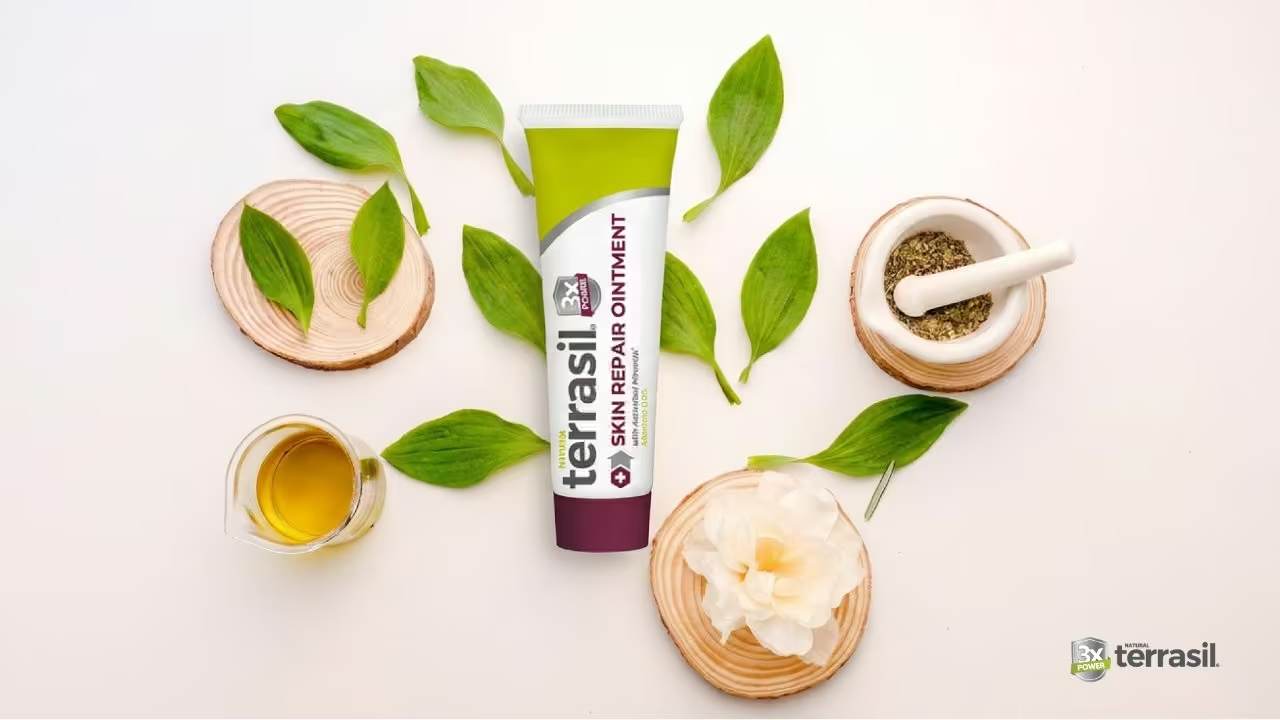
terrasil skin repair ointment natural ingredients

People dealing with impetigo often look for natural approaches to support skin healing alongside antibiotic treatment — and the interest is understandable. Several natural ingredients have meaningful research behind them for bacterial skin infections. But there is an important distinction worth making: laboratory data on individual ingredients is not the same as a clinically tested, purpose-built formulation. Sourcing tea tree oil, jojoba oil, and zinc oxide separately, combining them at home with no guaranteed potency, purity, or compatibility — that is a very different proposition from a dermatologist-tested ointment designed specifically for skin recovery from bacterial infections. 

This is the distinction that matters when considering Terrasil® Anti-Bacterial Skin Repair Ointment. It does include botanicals that appear throughout the research on bacterial skin conditions — but each one is intentionally chosen for specific, well-documented properties, not assembled at random: 

Tea Tree Oil — Antimicrobial and Anti-Inflammatory 

Tea tree oil has demonstrated broad-spectrum antibacterial activity against Staphylococcus aureus in multiple laboratory studies, including against methicillin-resistant strains.[14] Research published in the American Journal of Infection Control describes it as a promising adjunctive wound treatment with few apparent side effects at low concentrations.[15] In Terrasil®, it contributes its known antimicrobial and anti-inflammatory properties as part of a balanced, complete formulation. 

Jojoba Oil and Beeswax — Deep Moisture and Skin Barrier Protection 

Jojoba oil is chosen for its ability to penetrate deeply and mimic the skin’s own natural sebum — one of the most effective botanical moisturizers for compromised skin. Beeswax forms a breathable, protective layer over healing tissue, locking in moisture without occluding the skin. Together they address the skin barrier directly: the same barrier whose breakdown created the entry point for bacteria. These are not generic emollients — they are selected specifically for their known ability to moisturize deeply and protect the skin surface during recovery. 

Calendula Extract — Soothing and Skin-Regenerating 

Calendula officinalis is included for its well-documented soothing and anti-inflammatory properties. A 2019 systematic review in Wound Repair and Regeneration confirmed its role in supporting skin regeneration and tissue recovery.[17] In a post-impetigo context — where skin is often irritated and rebuilding — calendula contributes specifically to calming the surface and supporting healthy new skin growth. 

Coconut Oil — Gentle Antimicrobial Support and Moisture 

Coconut oil’s lauric acid content gives it mild antimicrobial activity alongside strong moisturizing and barrier-supportive properties — well-suited for skin that is healing from a bacterial infection and needs protection without further irritation.[18] 

Terrasil’s Skin Repair with Patented Activated Minerals® — Where It Goes Beyond Botanicals  

What elevates Terrasil® beyond any collection of natural ingredients is its patented Activated Minerals® — a proprietary blend that works in combination with the botanicals to support skin healing at a deeper level. Combined with the full botanical profile, Activated Minerals® brings you a level of formulation depth that no DIY combination of individual ingredients can replicate.

The entire formulation — not individual ingredients in isolation — has been dermatologist tested and hypoallergenic approved. That clinical validation is what distinguishes a purposefully engineered skin recovery product from a list of promising but individually unvalidated ingredients. 

So, if you want to skip the DIY of alchemy, trying to make your own botanical concoction that may or may not work, consider Terrasil’s Skin Repair Ointment, for relief and healing of your skin. 

What Not to Do When You Have Impetigo
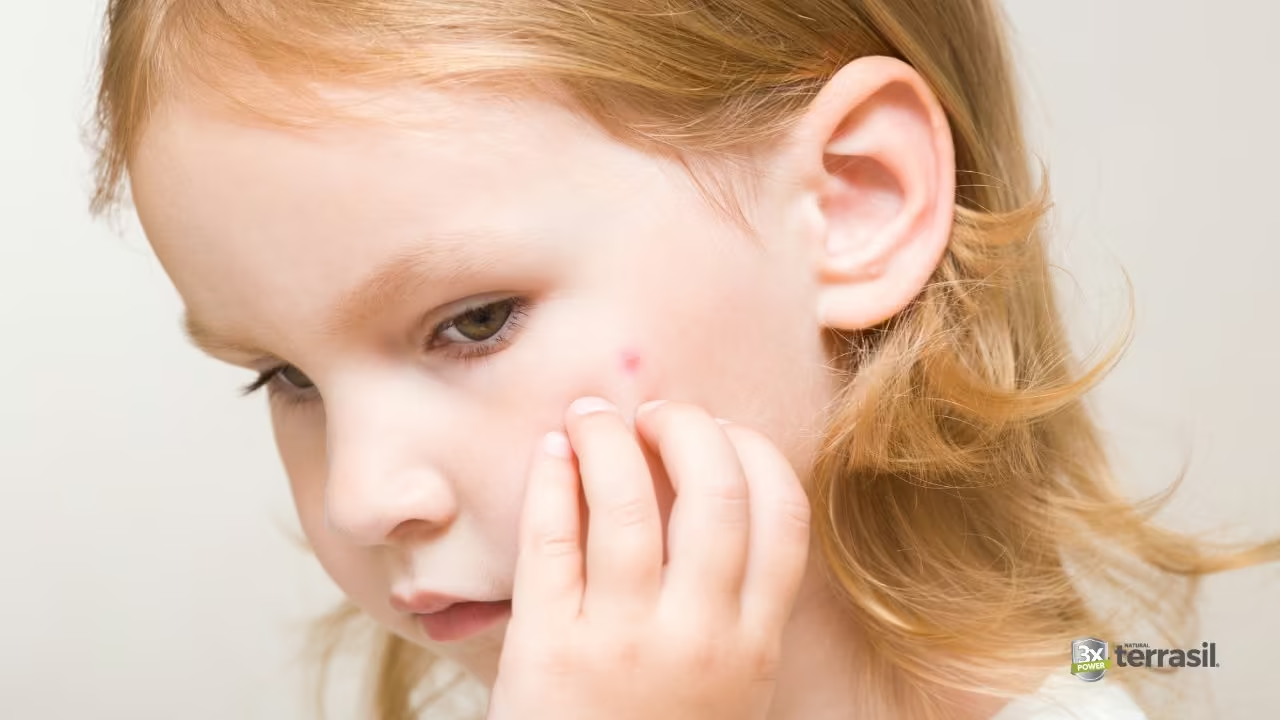
young child with bump on face

✅  DO

❌  DON’T

How to Prevent Impetigo

Child washing hands in sink

Impetigo is contagious and opportunistic — it needs a break in the skin to take hold. Prevention is built around two things: reducing bacterial exposure and keeping the skin barrier intact.

  • Clean wounds immediately. Any cut, scrape, insect bite, or skin abrasion should be washed with soap and water and covered with a clean bandage until healed. This is the single most direct way to prevent bacteria from finding an entry point. Proper wound care is one of the best ways to reduce bacterial infection risk. This guide on the best ointments for infected cuts and scrapes explains what to look for.
  • Wash hands frequently. Before and after treating any wound, after touching the face, and especially after being in shared spaces or contact settings. 
  • Don’t share personal items. Towels, washcloths, razors, and clothing can carry bacteria. Keeping these personal significantly reduces transmission risk. 
  • Keep skin moisturized and healthy. Dry, cracked, or eczema-affected skin is far more vulnerable to bacterial entry. Maintaining the skin barrier with a good moisturizing routine — especially in winter or in people prone to eczema — directly reduces impetigo risk. 
  • Shower after contact sport or shared environments. Wrestlers, footballers, and others in skin-contact sports should shower immediately after training or competition and avoid sharing equipment that touches the skin. 
  • Treat underlying skin conditions. Eczema, psoriasis, and similar conditions create ongoing skin barrier disruption. Managing these actively reduces the open-skin opportunities that impetigo bacteria exploit. 
  • For recurring cases: address nasal carriage. Some people harbor Staphylococcus aureus in the nose without symptoms, repeatedly seeding infections by touching the nose then broken skin. A healthcare provider can test for this and treat it directly. 

How to Help Skin Recover After Impetigo
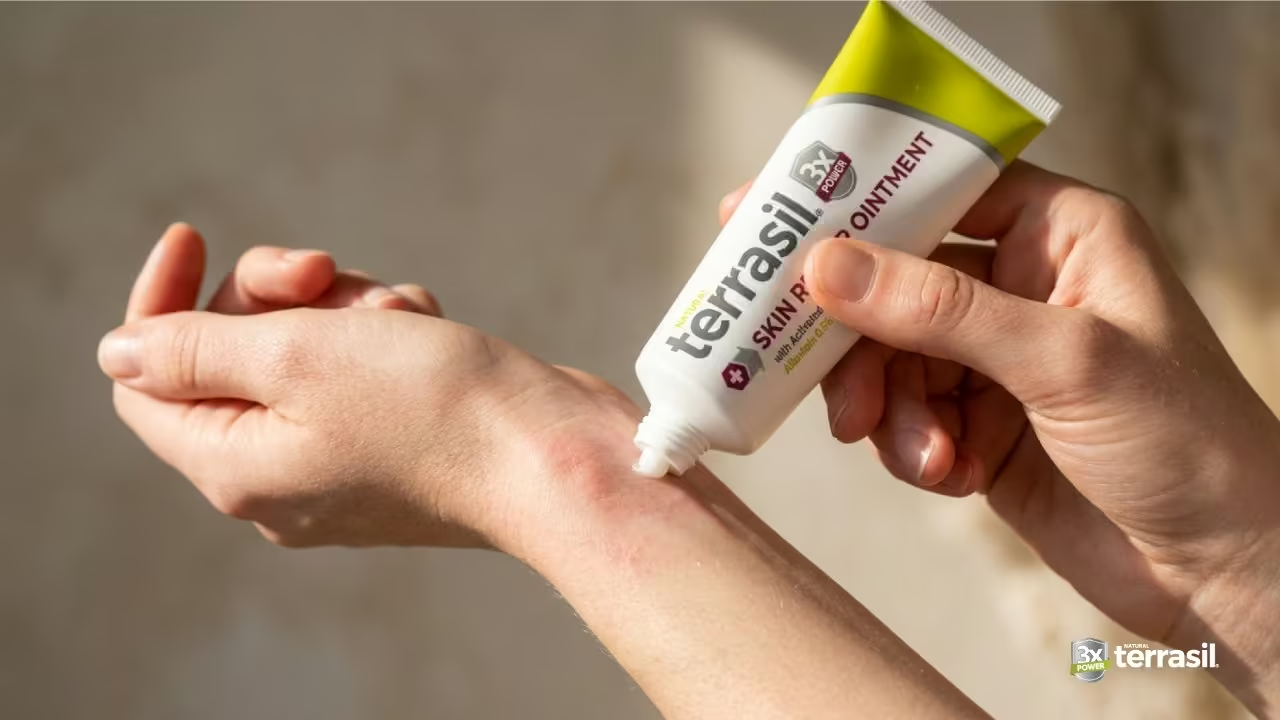
applying terrasil skin repair to wrist

Once the active infection is behind you and sores have closed, the recovery phase begins — and it matters as much as treatment did. The skin left after impetigo is often sensitive, temporarily discolored, and still rebuilding the barrier that was compromised to begin with. How you care for it in these days and weeks shapes how fully and quickly it heals. 

  1. Continue gentle cleansing. Keep the area clean each day with a mild antibacterial wash — gentleness is the priority now, not intensity. The goal is maintaining a clean surface as new skin forms. 
  2. Protect and moisturize healing skin. Once sores have closed, the skin benefits from a soothing, protective ointment that can help calm lingering redness, lock in moisture, and support the skin barrier as it rebuilds. Terrasil® Anti-Bacterial Skin Repair Ointment is well suited to this phase — its naturally chosen ingredients are selected specifically for their soothing, moisturizing, and skin-barrier-protective properties, and the formula has been dermatologist tested for use on recovering skin. 
  3. Avoid re-exposure for a few extra days. Keep washing linens and avoiding shared personal items briefly after the infection visibly clears. Bacteria can still be present on surfaces even when skin looks healed. 
  4. Address any underlying skin conditions. If impetigo developed on top of eczema or another condition, that underlying issue needs ongoing management. Intact, healthy skin is significantly more resistant to another bacterial episode. 

Will Impetigo Go Away Without Antibiotics?

person inspecting shelf of products at a store

Mild impetigo can resolve on its own within two to three weeks, but it remains contagious throughout that entire period.[10] During those weeks, sores can spread to other parts of the body or to others in the household. Antibiotic treatment reliably shortens both the contagious window and the healing time — typically clearing the infection within seven to ten days.[10] 

For mild, early-stage cases, a natural formulation may be enough to support the skin through recovery without prescription medication. Rather than sourcing individual ingredients separately — with no guarantee of quality, potency, or how they interact — Terrasil® Anti-Bacterial Skin Repair Ointment brings them all together in one place. It includes Allantoin 0.5%, the FDA-recognized active skin protectant known for its ability to soothe and support the healing of damaged skin. It combines that with intentionally chosen botanicals — tea tree oil, calendula, jojoba oil, beeswax — each selected for specific, well-documented skin-supportive properties. And it brings all of this together with patented Activated Minerals®, a proprietary blend that works synergistically with every other ingredient in the formula to support skin healing at a deeper level. The result is a dermatologist-tested ointment where every component is there for a reason, working together rather than in isolation. For more severe or spreading cases, a healthcare provider should always be consulted. 

Is Impetigo Due to Poor Hygiene? 

family flying a kite in a field

Not exactly — and this matters. While inadequate wound care, infrequent handwashing, and sharing personal items do increase risk, even people with good hygiene can develop impetigo when exposed in the right circumstances.[4] The bacteria that cause it are common in the environment and on healthy skin. What matters is whether they find an opening. 

Hygiene matters most for prevention and containment, not as an explanation for why impetigo happened. It is a common, contagious bacterial infection — not a reflection of how clean someone is.[6] 

Why Does Impetigo Keep Coming Back?
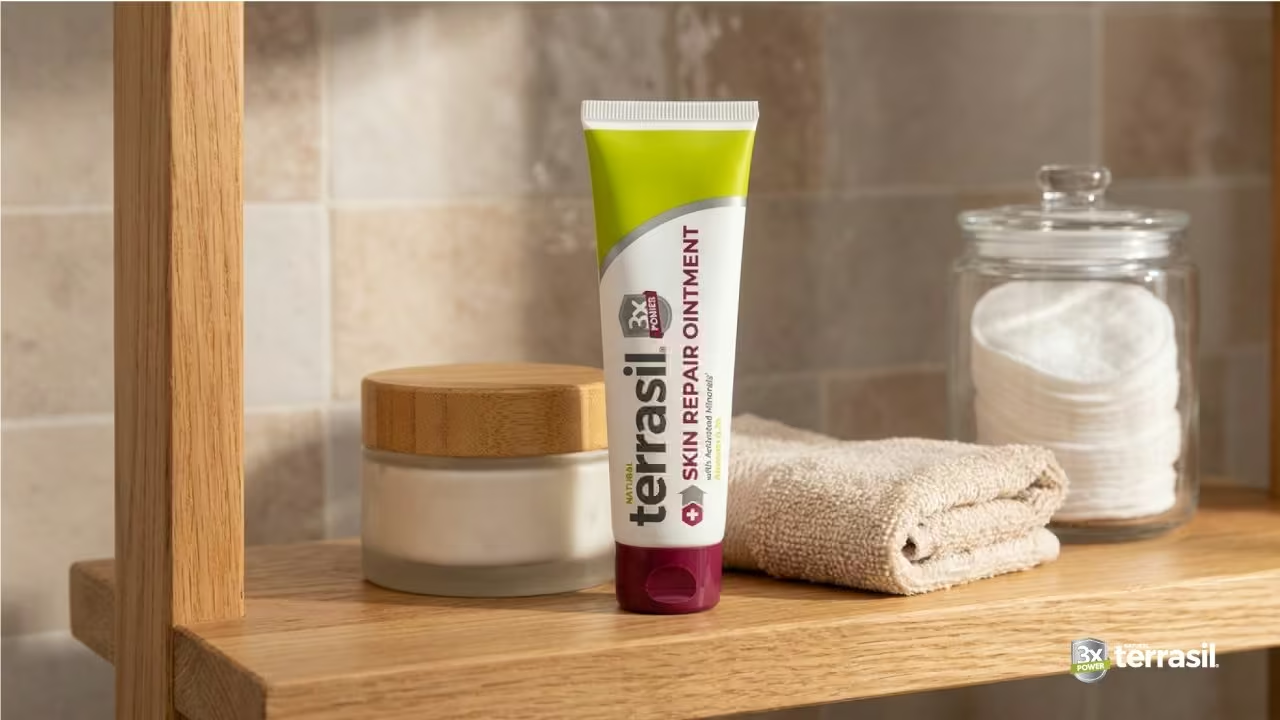
Terrasil Skin Repair ointment shown on a bathroom shelf

Recurring impetigo almost always points to an underlying factor that hasn’t been resolved. The most frequently identified cause is nasal carriage of Staphylococcus aureus — some people carry this bacteria in the nose without symptoms, and touching the nose then broken skin repeatedly seeds new infections.[19] A healthcare provider can test for this and treat it directly if confirmed. 

Other common drivers of recurrence: 

  • Stopping antibiotic treatment before the infection fully cleared 
  • Recontamination from unwashed linens, towels, or shared personal items 
  • An underlying skin condition like eczema that keeps creating bacterial entry points 
  • Ongoing exposure through contact sports, crowded living, or shared facilities 
  • A weakened immune system from illness, medication, or other health conditions 

For people who deal with impetigo repeatedly, having a reliable skin repair ointment consistently on hand takes one stressor off the table. Terrasil® Anti-Bacterial Skin Repair Ointment is available with a Subscribe & Save option, designed for exactly this kind of situation — a recurring skin condition where running out mid-flare shouldn’t be the problem you’re solving at 11pm. 

Frequently Asked Questions 

woman with smartphone and laptop

Sources 

  1. 1] Wikipedia / Hay RJ et al. Global impetigo prevalence. 2014. Citing 140 million annual cases. 
  2. [2] Mayo Clinic. Impetigo — Symptoms & Causes. April 19, 2023. mayoclinic.org 
  3. [3] Healthline. Impetigo: Symptoms, Causes, Pictures, and Treatment. March 2025. 
  4. [4] Centers for Disease Control and Prevention (CDC). About Impetigo. Updated August 6, 2025. cdc.gov 
  5. [5] Mayo Clinic. Impetigo — Diagnosis & Treatment. April 19, 2023. mayoclinic.org 
  6. [6] Cleveland Clinic. Impetigo, Contagious Skin Infection: Causes, Treatment & Prevention. Updated August 30, 2023. 
  7. [7] Nationwide Children’s Hospital. Impetigo: Treatment, Prevention and Advice. nationwidechildrens.org 
  8. [8] Knights Pharmacy. How to Get Rid of Impetigo in 24 Hours. October 2023. 
  9. [9] NHS Scotland. Impetigo. Updated February 27, 2025. nhsinform.scot 
  10. [10] Nardi NM, Schaefer TJ. Impetigo. StatPearls [Internet]. Updated July 31, 2023. ncbi.nlm.nih.gov 
  11. [11] Healthline. Impetigo: Symptoms, Causes, Pictures, and Treatment. March 2025. 
  12. [12] Kramer A, et al. How long do nosocomial pathogens persist on inanimate surfaces? BMC Infectious Diseases. 2006. 
  13. [13] UPMC HealthBeat. What Do Parents Need to Know About Impetigo? February 2024. 
  14. [14] Carson CF, Hammer KA, Riley TV. In-vitro activity of Melaleuca alternifolia against Staphylococcus and Streptococcus spp. J Antimicrobial Chemother. 1996. 
  15. [15] Halcon L, Milkus K. Staphylococcus aureus and wounds: A review of tea tree oil as a promising antimicrobial. American Journal of Infection Control. 2004. 
  16. [16] Zinc oxide nanoparticles for skin wound healing: A systematic review. ScienceDirect / PMC. 2025. 
  17. [17] Givol O, et al. A systematic review of Calendula officinalis extract for wound healing. Wound Repair and Regeneration. 2019. 
  18. [18] Hartman-Adams H, Banvard C, Juckett G. Impetigo: Diagnosis and Treatment. American Family Physician. August 15, 2014. (Coconut oil cited among natural options.) 
  19. [19] Superpower Health. Impetigo: Causes, Symptoms, and Treatment. March 2026. (Nasal carriage and recurrence, citing Nardi & Schaefer, StatPearls.) 

Disclaimer: This article is for informational and educational purposes only and is not intended as medical advice. Impetigo is a bacterial skin infection that often requires prescription treatment. Always consult a qualified healthcare provider, particularly for infants, young children, or individuals with underlying health conditions.
Contact Dermatitis: Symptoms, Causes, Treatment, and Recovery Time

terrasil silver accent terrasil silver accent
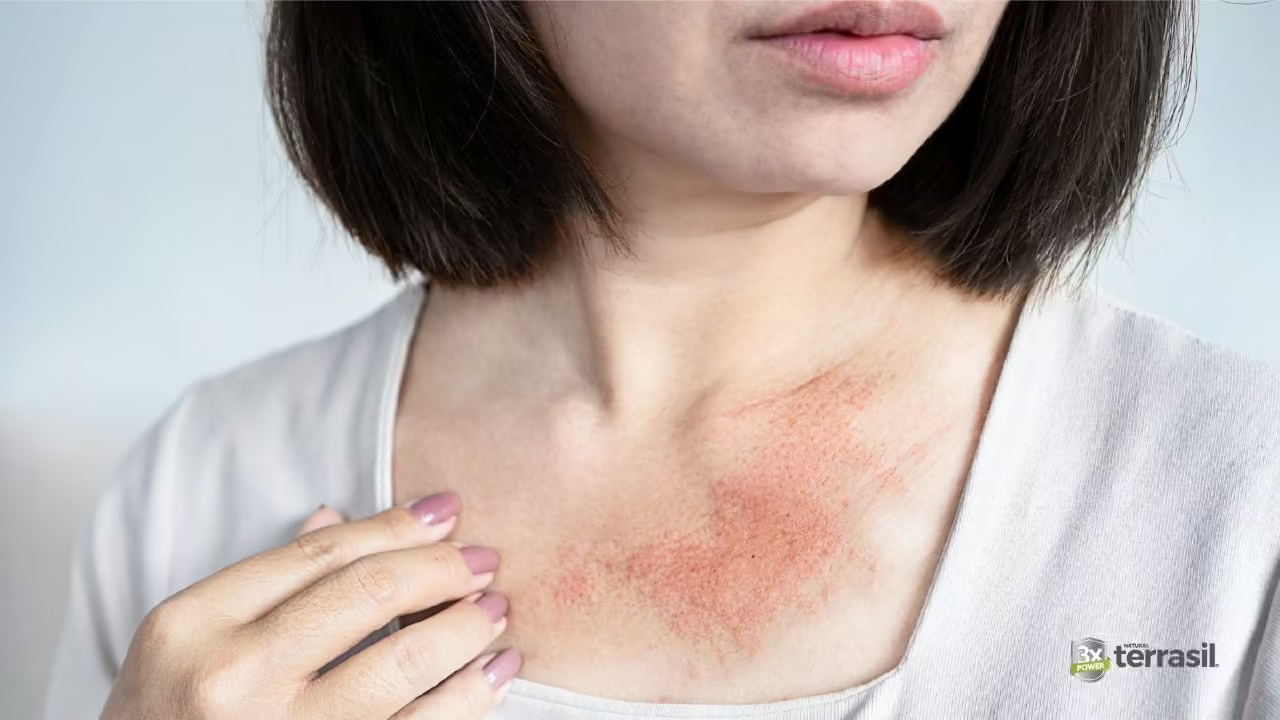
Woman with rash on chest

Medically reviewed for informational accuracy  |  Educational content only

You touched something — a metal clasp, a new lotion, a cleaning product, a plant — and now your skin is red, itchy, and angry. That’s contact dermatitis: one of the most common skin reactions there is, and one of the most frequently misidentified. Here’s what it actually looks like, what causes it, how long it sticks around, and what may help your skin recover.

What is Contact Dermatitis?

Contact dermatitis is an inflammatory skin reaction triggered by direct contact with a substance that either irritates the skin or provokes an immune response. The word dermatitis simply means skin inflammation — and in this case, the cause is something external that touched the skin.[1] 

It is among the most common skin conditions seen by dermatologists and primary care providers, affecting an estimated 15–20% of the general population at some point in their lives.[2] It accounts for the majority of occupational skin disease and is a frequent cause of chronic hand rashes.[3] 

Contact dermatitis is not contagious. You cannot spread it to another person, and it does not travel from one part of your body to another on its own — though scratching can spread residual irritants or allergens to new skin areas.

Key distinction: it always starts where contact happened

Unlike conditions such as eczema or psoriasis that can appear anywhere regardless of exposure, contact dermatitis always begins at the site where skin met the triggering substance. Where the rash is tells you where to look for the cause. 

The Two Main Types: Irritant vs. Allergic

Woman aggressively scratching arm

Contact dermatitis comes in two distinct forms that share similar symptoms but have different underlying mechanisms. Understanding the difference matters because the cause — and therefore the prevention strategy — differs significantly between them. 

Irritant Contact Dermatitis (ICD)

  • Most common type — accounts for roughly 80% of cases[3] 
  • Caused by direct physical or chemical damage to the skin barrier 
  • No immune sensitization required — anyone can develop it 
  • Symptoms appear within minutes to hours of exposure 
  • Common triggers: soaps, detergents, solvents, frequent hand-washing, wet work 
  • Usually stays confined to the contact area 

Allergic Contact Dermatitis (ACD)

  • Less common but longer-lasting when it occurs 
  • Requires prior sensitization — the immune system must have “learned” to react to a specific allergen 
  • First exposure: no symptoms. Subsequent exposures: reaction[2] 
  • Symptoms appear 12–72 hours after re-exposure 
  • Common triggers: nickel, fragrance, poison ivy, latex, preservatives 
  • Rash may spread beyond the contact site 

Why you can react to something you’ve used for years 

People sometimes develop allergic contact dermatitis to products they’ve used without issue for months or years. This is because allergic sensitization can develop over time with repeated exposure — the immune system gradually builds a response. One day, it crosses a threshold and reacts. This pattern is especially common with preservatives in skincare, fragrance compounds, and metals like nickel.

What Contact Dermatitis Looks Like 

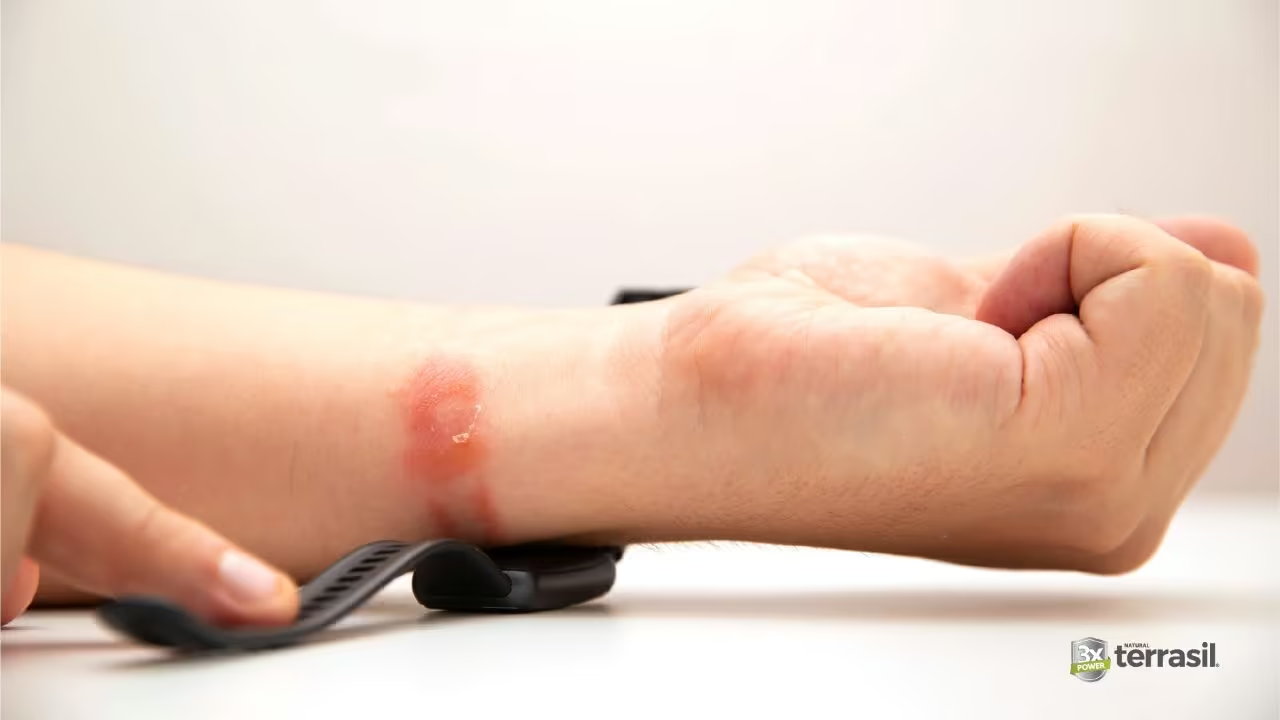
Wrist with wound after removing watch

The appearance of contact dermatitis varies depending on how long the exposure has been happening, how severe the reaction is, and which type is involved. In general, the rash tends to be well-defined — appearing specifically where contact occurred rather than diffusely across the body. If the main symptom you’re dealing with is persistent itching, this guide on common causes of itchy skin by location may also help narrow down possible triggers.

Classic Visual Signs

  • Redness: The affected skin typically appears red to deep pink, often with a clear boundary that corresponds to where the substance touched the skin — for example, the outline of a watchband or the shape of a belt buckle 
  • Swelling: The skin may look puffy or feel thickened; in more reactive cases, significant edema (fluid accumulation) can develop, particularly around the eyes or in loose skin areas 
  • Bumps and blisters: Small raised bumps (papules), fluid-filled blisters (vesicles), or larger blisters (bullae) may form — especially in allergic contact dermatitis from poison ivy or strong allergens[4] 
  • Oozing and crusting: Blisters may weep clear or slightly yellow fluid; once they rupture they often crust over 
  • Dry, flaky, or scaly skin: More common in chronic or subacute phases rather than the initial acute reaction 
  • Thickened skin (lichenification): With prolonged exposure or chronic scratching, the skin can become leathery and thickened over time[5] 

The shape of the rash is a diagnostic clue 

Because contact dermatitis follows the shape of what touched the skin, it often has unusually geometric, linear, or outline-shaped patterns that don’t appear in other skin conditions. A rectangular patch on the lower back may trace the outline of a jean button. A strip of rash on the wrist may follow the edge of a watchband. Earlobes, wrists, waistbands, and belt areas are classic locations for nickel-related allergic dermatitis.

Symptoms by Phase: Acute, Subacute, and Chronic

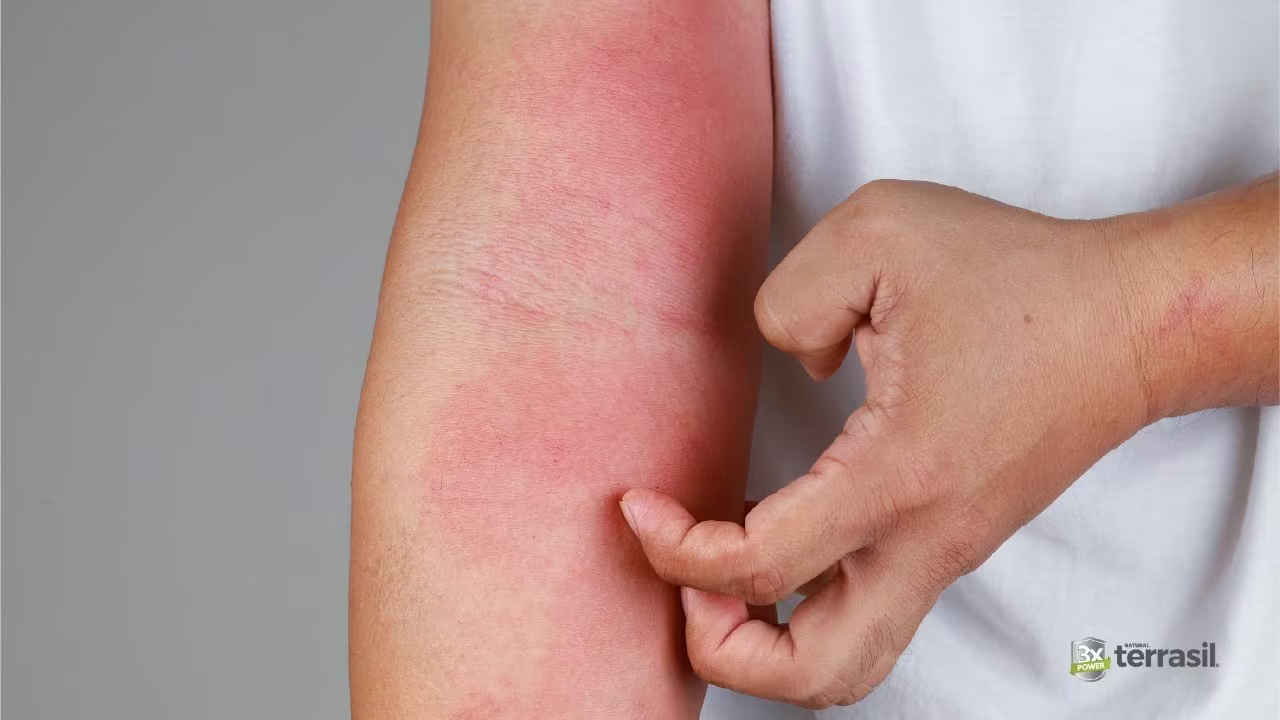
Person scratching at large rash on arm

Contact dermatitis doesn’t look the same throughout its course. Clinicians classify it into three phases that each have a distinct appearance and symptom profile.[5] Recognizing which phase you’re in can help set realistic expectations for how the skin will change over time. 

Hours to a few days after exposure. The skin responds rapidly and visibly — redness, swelling, and intense itching are the hallmarks. Blisters may form and rupture, leaving weeping, raw-looking skin. Burning and pain are also common in this phase, particularly with irritant dermatitis. This is when the reaction is at its most dramatic and uncomfortable.  

  • Subacute  

Days to a couple of weeks in. The acute weeping begins to resolve. The skin starts to dry out, forming crusts and scales. Redness may persist but looks less raw and inflamed. Itching often remains significant. This is a transitional phase where the skin is actively working to repair the barrier.  

  • Chronic  

Weeks to months with ongoing or repeated exposure. The skin becomes dry, cracked, and thickened (lichenified) from repeated inflammation and scratching. Scaling and hyperpigmentation (darkening of the affected area) may develop. This phase is common in occupational contact dermatitis — hands exposed daily to irritants often show this chronic pattern. The rash may be less visually dramatic but more persistent and uncomfortable.[6]  

What Causes Contact Dermatitis? Common Triggers 

Person applying dish soap to sponge in kitchen

The range of substances that can trigger contact dermatitis is enormous. Irritant and allergic triggers are different categories, though a single substance can sometimes act as both depending on the concentration and individual sensitivity. 

Common Irritant Triggers 

Cleansers & Soaps 

Detergents, hand soaps, dish soap, shampoos — especially with frequent use or high-concentration formulas  

Chemicals & Solvents 

Cleaning products, paint, varnish, cement, gasoline, bleach, acids, and industrial solvents  

Wet Work 

Prolonged or repeated skin exposure to water — healthcare workers, food handlers, hairdressers, cleaners[3]  

Physical Irritants 

Fiberglass, sawdust, rough fabrics, friction, and abrasive materials  

Low Humidity / Cold 

Dry winter air strips skin moisture and weakens the barrier, increasing susceptibility to irritant reactions  

Topical Products 

Retinol, alpha-hydroxy acids, high-concentration actives in skincare when used too frequently or on compromised skin  

Common Allergic Triggers 

Metals 

Nickel is the most common contact allergen worldwide — found in jewelry, belt buckles, jean buttons, watchbands, and medical devices[7]  

Fragrances 

Fragrance compounds in perfume, skincare, laundry products, and personal care items are among the top allergen categories  

Preservatives 

Methylisothiazolinone (MI), methylchloroisothiazolinone (MCI), parabens, and formaldehyde-releasing preservatives in cosmetics and personal care[8]  

Plants 

Poison ivy, poison oak, poison sumac — all contain urushiol, a potent contact allergen. Some tropical woods also cause reactions.  

Rubber / Latex 

Latex gloves, elastic waistbands, rubber-containing products — particularly relevant in healthcare settings  

Hair Dye / PPD 

Para-phenylenediamine (PPD) in permanent hair dyes is a frequent cause of scalp, neck, and earlobe allergic reactions  

Adhesives 

Medical adhesive tapes, bandage adhesives, sticker residue — particularly relevant for prolonged skin contact  

Topical Medications 

Neomycin (in antibiotic ointments), benzocaine, bacitracin — can cause allergic reactions with repeated application[9]  

Where It Commonly Appears on the Body 

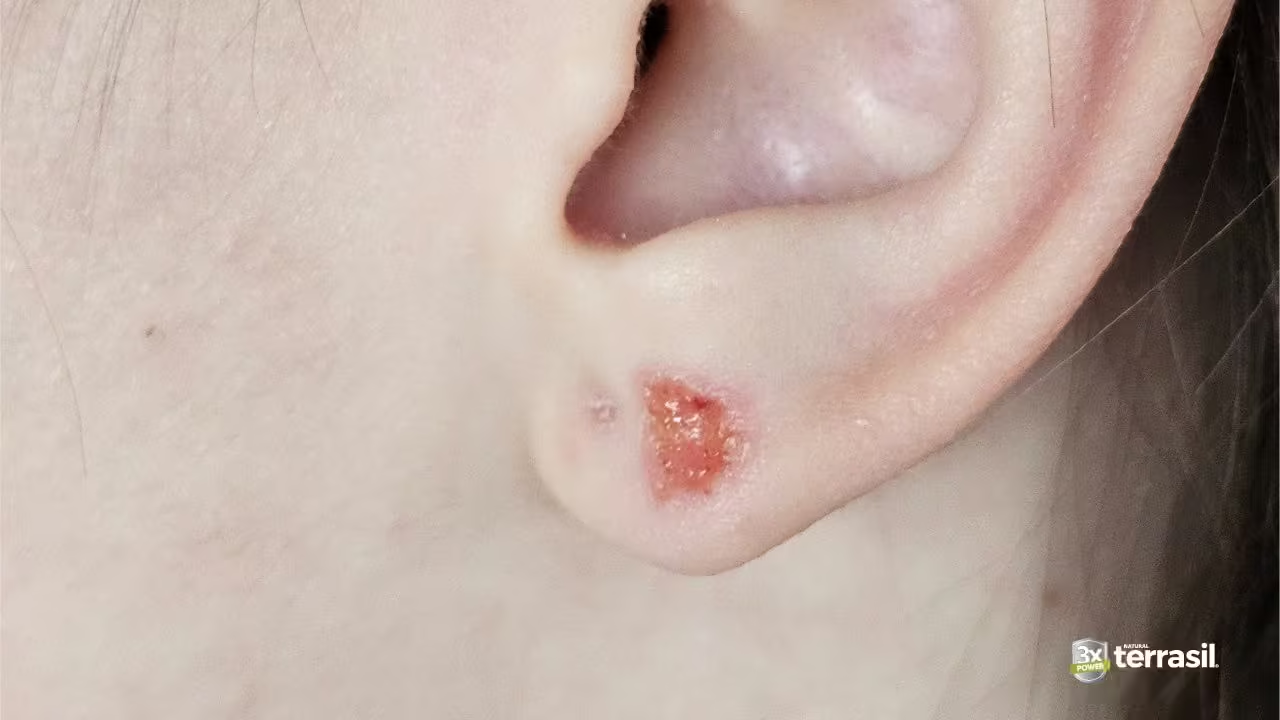
Infected ear piercing

The location of contact dermatitis typically maps directly to the triggering substance and how it came into contact with the skin. Recognizing common location-trigger pairs can help identify what’s causing a reaction.

Body Location 
Common Triggers 
Notes 
Hands and fingers 
Soaps, detergents, solvents, latex gloves, frequent hand-washing 
Most common site overall; hands are affected in approximately 4 out of 5 cases of occupational contact dermatitis[6] 
Wrists 
Watchband (nickel, rubber, leather), bracelets 
Linear or band-shaped rash pattern that mirrors the band width and fit 
Earlobes and ear piercings 
Nickel in jewelry — earrings, posts, clasps 
Earlobes are one of the most classic locations for nickel allergy; reaction often begins at the piercing site 
Neck 
Necklace metals, fragrance (applied to neck), hair dye[7] 
Fragrance-related reactions often create a diffuse pattern; jewelry reactions follow the chain or clasp outline 
Waistband and abdomen 
Jean buttons, belt buckles, waistband elastic — often nickel or rubber 
Rash appears in the shape of the fastener; round or oval patches at the navel level are characteristic 
Lower legs and feet 
Shoe materials (leather, rubber, adhesives), topical products applied to the legs 
Shoe contact dermatitis may follow the outline of straps, insoles, or rubber soles 
Arms and legs (diffuse) 
Poison ivy, poison oak — urushiol deposited on skin by contact or airborne spread 
Linear streaks are characteristic — corresponding to where the plant leaf brushed the skin 
Genital / groin area 
Latex condoms, spermicides, detergents, scented personal care products 
The skin in this area is thin and highly sensitive; reactions may be more pronounced and longer-lasting[10]. Friction and shaving irritation can also mimic dermatitis symptoms. This guide on razor burn and friction-related irritation explains the differences.

How Long Does Contact Dermatitis Last? 

This is the question most people ask first — and the honest answer is that it depends significantly on the type of dermatitis, how quickly the trigger is identified and removed, how severe the reaction is, and what care is given to the skin during recovery. 

Mild irritant: Days 1–7 

Mild irritant contact dermatitis often begins clearing within a few days once the irritating substance is removed. Skin may remain slightly red or dry for up to a week but should progressively improve with gentle care. 

Moderate irritant: 1–2 weeks 

More significant irritant reactions may take one to two weeks to resolve. Cracking, scaling, and persistent redness are common. Barrier repair is the priority during this phase. 

Allergic contact dermatitis: 2–4 weeks 

Allergic reactions typically last longer than irritant reactions — commonly 2 to 4 weeks even after the allergen is fully removed.[11] This is because the immune response continues after allergen removal. The skin needs time to work through the inflammatory cycle. 

Untreated or ongoing exposure: 4–8+ weeks 

If the trigger is not identified and removed, or if exposure continues, contact dermatitis can persist for months and transition into a chronic pattern with thickened, cracked, or hyperpigmented skin.[12] 

Chronic occupational dermatitis: Ongoing 

In occupational settings where avoidance is difficult, chronic contact dermatitis may persist indefinitely without intervention. Barrier protection and workplace modifications are the primary management tools in these situations. 

The key variable: removing the trigger

Nothing speeds recovery from contact dermatitis as reliably as stopping contact with whatever caused it. Without that step, even the best skincare routine is working against an ongoing source of inflammation. Identifying and eliminating the trigger is the single most impactful action. 

Contact Dermatitis vs. Other Skin Conditions 

Contact dermatitis is frequently confused with other inflammatory skin conditions that produce similar redness, itching, and rash patterns. The distinctions below can help clarify what’s happening — though a healthcare provider is the appropriate source for an actual diagnosis. 

Condition 
Typical Appearance 
Key Distinguishing Features 
Contact dermatitis 
Red, itchy, sometimes blistered; well-defined borders 
Begins at the exact site of contact; clear link to an exposure; not present on unexposed skin 
Atopic dermatitis (eczema) 
Red, dry, intensely itchy; often in skin folds 
Chronic and recurring; appears without a specific external trigger; often starts in childhood; associated with asthma and hay fever[13] 
Psoriasis 
Thick, silvery scales on raised red plaques 
Autoimmune condition; plaques have a distinctive silvery scale; commonly affects elbows, knees, scalp; not triggered by external contact 
Ringworm (tinea corporis) 
Ring-shaped rash with raised, scaly border and clearer center 
Fungal infection; characteristic ring pattern; spreads outward; no clear link to a single contact event[14]. Here’s a guide on how to identify ringworm and antifungal treatment options.
Hives (urticaria) 
Raised welts that appear and disappear within hours 
Wheals resolve within 24 hours and move around the body; often triggered by food, medication, or systemic allergens rather than skin contact 
Candidal rash (yeast) 
Bright red rash in skin folds; satellite pustules at edges 
Favors warm, moist areas; satellite lesion pattern is characteristic; not linked to a specific contact exposure[15]. If the rash is appearing in warm or moist skin folds, this guide on yeast infection symptoms on the skin may help distinguish fungal irritation from contact dermatitis. 

What May Help Skin Recover 

Managing contact dermatitis involves two parallel goals: reducing ongoing inflammation and irritation, and supporting the skin’s barrier as it repairs. The following approaches are commonly used — always in conjunction with removing the triggering substance. 

Remove and Rinse First 

If contact has just occurred with a known irritant or allergen, washing the affected area with mild soap and cool water as soon as possible may help reduce the severity of the reaction by removing residual substance from the skin surface.[11] This is particularly relevant with poison ivy — urushiol can continue to provoke a reaction if left on the skin. 

Cool Compresses 

Applying a clean, cool, damp cloth to the affected area may help calm acute inflammation, reduce itch intensity, and provide comfort during the most uncomfortable early phase. Avoid hot water, which tends to worsen inflammation and itching. 

Barrier-Supporting Ingredients 

The skin’s barrier function — its ability to retain moisture and block external irritants — is typically compromised in contact dermatitis. Ingredients such as shea butter, glycerin, and botanical oils may help support barrier recovery by reducing moisture loss and soothing inflamed tissue. Gentle, fragrance-free formulations are preferred during recovery, since fragrance is itself a common allergen that can worsen an already reactive skin environment.[8] Understanding how everyday irritants weaken the skin barrier can also help prevent future flare-ups.

Avoiding Scratching 

Scratching provides temporary itch relief but worsens the inflammation cycle — it further damages the skin barrier, opens the door to secondary infection, and can spread residual irritants or allergens to nearby skin. Keeping nails short and applying cool compresses when itch is intense may help break the scratch cycle. 

Topical Corticosteroids 

Over-the-counter hydrocortisone cream is commonly used to reduce inflammation and itch in mild to moderate contact dermatitis. Stronger prescription-strength topical corticosteroids may be recommended by a healthcare provider for more significant reactions. Long-term or high-strength corticosteroid use should be guided by a provider due to potential skin-thinning effects.[16] 

Antihistamines 

Oral antihistamines are sometimes used to help manage itching, though they address the itch symptom rather than the underlying inflammation. Sedating antihistamines may be particularly useful at night when itching can interfere with sleep. 

Persistent, spreading, or worsening rashes should always be evaluated by a healthcare professional.

Try Terrasil® Skin Repair Ointment

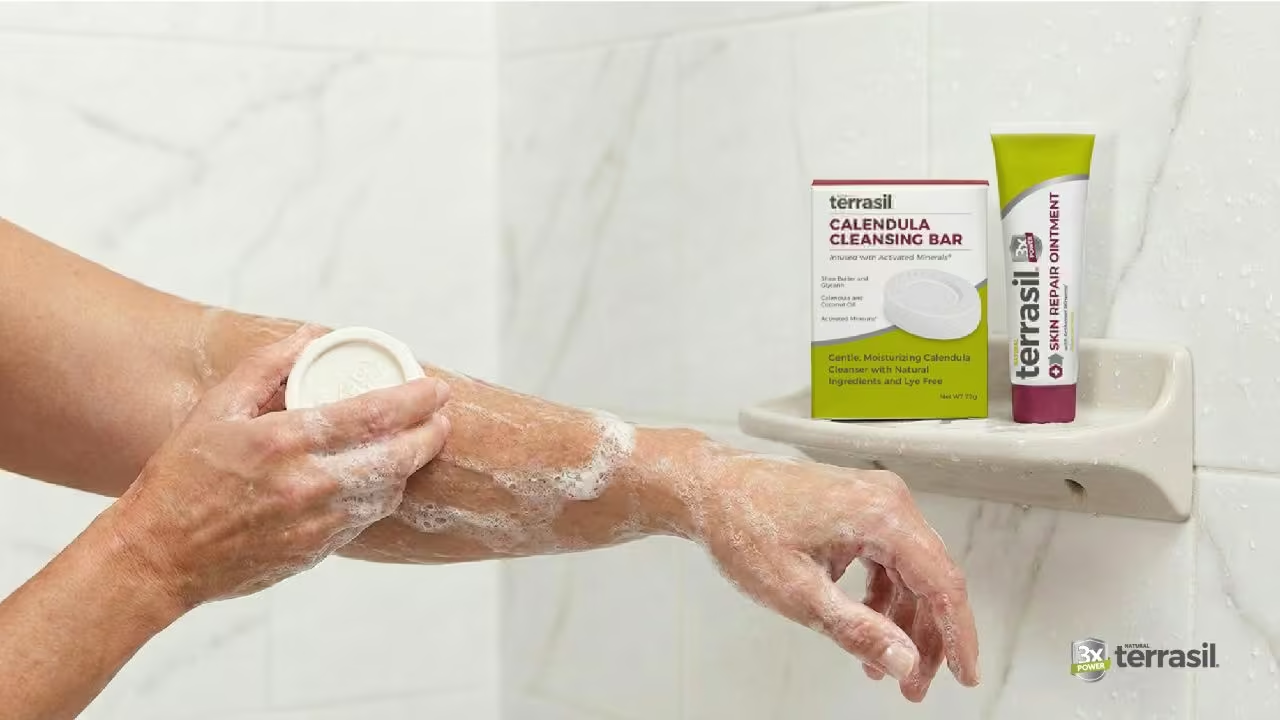
terrasil skin repair ointment and calendula cleansing bar

When skin is irritated, broken down, or recovering from a contact reaction, the barrier support and soothing properties of a product matter significantly. Terrasil® products are formulated with Activated Minerals® — a proprietary mineral delivery system — alongside botanical and skin-supportive ingredients. 

For irritated, compromised, or inflamed skin 

Terrasil® Anti-Bacterial Skin Repair

Terrasil Anti-Bacterial Skin Repair is formulated to support skin that has become inflamed, irritated, or compromised — which is often the condition of skin affected by contact dermatitis, particularly during the subacute and recovery phases. The formula includes Activated Minerals® along with beeswax, jojoba oil, and other botanical ingredients that may help soothe irritated tissue and support the skin’s recovery process. 

Its ointment base provides a longer-lasting layer of skin contact and may help protect the skin surface while it heals — particularly useful when the affected area is still raw, cracked, or prone to friction. 

When fungal overgrowth is a secondary concern 

Terrasil® Antifungal Treatment MAX

Prolonged contact dermatitis — particularly in warm, moist areas like the groin, skin folds, or under occlusive bandaging — can compromise the skin barrier enough to allow secondary fungal overgrowth (candidal or tinea) to take hold.[15] If a rash is not improving as expected, or has characteristics suggesting fungal involvement alongside contact irritation (satellite lesions, moist maceration), Terrasil Antifungal Treatment MAX contains clotrimazole 1% USP as its active ingredient — a well-established antifungal agent — formulated with Activated Minerals® for enhanced delivery. 

Patch testing: finding your specific allergen 

If allergic contact dermatitis is suspected but the allergen is unclear, a dermatologist can perform patch testing — small amounts of common allergens are applied to the skin under adhesive patches for 48 hours, then evaluated for reactions. This is the gold standard for identifying which specific substance is triggering an allergic response.[17] It’s particularly valuable for people with recurrent, unexplained rashes or chronic dermatitis. 

Prevention Tips 

Once a contact dermatitis trigger is identified, the most effective prevention strategy is avoidance. Beyond that, several practices can reduce the likelihood of reactions and protect skin barrier integrity. 

Identifying and Avoiding Your Triggers

  • Read product ingredient labels carefully — particularly for fragrances, preservatives, and potential allergens 
  • Switch to fragrance-free, dye-free personal care and household products when possible 
  • Choose nickel-free jewelry or coat metal surfaces (e.g., belt buckles) with a clear barrier film or nail polish to reduce skin contact 
  • Learn to identify poison ivy, poison oak, and poison sumac in your local area 

Protecting the Skin Barrier 

  • Apply a fragrance-free moisturizer or barrier cream after hand-washing and bathing to help replace moisture lost through cleansing 
  • Wear gloves when working with cleaning products, detergents, solvents, or other known irritants — both waterproof and cotton gloves may be appropriate depending on the task 
  • Avoid prolonged contact with water, especially combined with soaps or cleansers, without barrier protection 
  • Pat skin dry rather than rubbing after washing; rubbing generates friction that weakens the barrier over time

In Occupational Settings

  • Use appropriate personal protective equipment (PPE) for the specific substances involved 
  • Apply barrier creams before exposure and moisturize after — not as a substitute for PPE but as a complement to it 
  • Report persistent skin reactions; occupational contact dermatitis is a recognized occupational disease with workplace protections in many jurisdictions[6] 

Introducing New Products Carefully

  • When trying a new skincare, fragrance, or personal care product, do a small patch test on the inner arm for 24–48 hours before full use 
  • Introduce one new product at a time so that if a reaction occurs, the cause is easy to identify 

Frequently Asked Questions 

The Bottom Line 

Contact dermatitis is one of the most common skin reactions people experience — and one of the most manageable once the cause is identified. It begins where skin meets its trigger: an irritant that damages the skin barrier directly, or an allergen that the immune system has learned to react against. The rash it produces is typically well-defined, corresponds to the contact site, and progresses through distinct phases from acute to subacute to chronic depending on how the situation is handled. 

How long it lasts depends almost entirely on two things: removing the trigger, and supporting the skin’s barrier as it repairs. Mild irritant reactions may clear in days. Allergic reactions can take weeks even after the allergen is gone. Chronic cases — particularly from occupational exposure — may persist without deliberate management. 

Terrasil® Anti-Bacterial Skin Repair may offer supportive care for skin in the recovery phase — helping to soothe irritated tissue and support the barrier. When a secondary fungal concern is present alongside contact irritation, Terrasil® Antifungal Treatment MAX (clotrimazole 1% USP with Activated Minerals®) addresses that layer directly. 

When in doubt about what’s causing a persistent rash, or when symptoms are severe, spreading, or not improving, a healthcare provider is the right next step — and patch testing can provide clarity when the allergen is unknown. 

References 

  1. Cleveland Clinic. Contact Dermatitis. Updated 2023. https://my.clevelandclinic.org/health/diseases/6173-contact-dermatitis 
  1. Mowitz M, Svedman C. Allergic contact dermatitis revisited: A comprehensive review. JAAD Reviews. 2025. https://www.jaadreviews.org 
  1. Langan SM, Irvine AD, Bhutani T. Irritant contact dermatitis — a review. Curr Dermatol Rep. 2022. https://pmc.ncbi.nlm.nih.gov/articles/PMC8989112/ 
  1. Litchman G, Nair PA, Atwater AR, Bhutta BS. Contact Dermatitis. In: StatPearls [Internet]. Updated 2023. https://www.ncbi.nlm.nih.gov/books/NBK459230/ 
  1. Usatine RP, Riojas M. Diagnosis and management of contact dermatitis. Am Fam Physician. 2010;82(3):249–255. https://www.aafp.org/pubs/afp/issues/2010/0801/p249.html 
  1. Mälkönen T, et al. Occupational contact dermatitis. Best Pract Res Clin Dermatol. 2020. See also: DermNet NZ. Hand dermatitis. https://dermnetnz.org/topics/hand-dermatitis 
  1. Brar KS. A review of contact dermatitis. Ann Allergy Asthma Immunol. 2021;126(1):32–39. https://www.annallergy.org/article/S1081-1206(20)31080-2/fulltext 
  1. Johansen JD, et al. Novel insights into contact dermatitis. J Allergy Clin Immunol. 2022;149(4):1168–1180. https://www.jacionline.org 
  1. American Academy of Dermatology Association. Contact dermatitis: Overview. https://www.aad.org/public/diseases/a-z/contact-dermatitis-overview 
  1. Spire Healthcare. Contact Dermatitis. Updated 2023. https://www.spirehealthcare.com/conditions/contact-dermatitis/ 
  1. Mayo Clinic. Contact dermatitis — Diagnosis and treatment. Updated 2024. https://www.mayoclinic.org/diseases-conditions/contact-dermatitis/diagnosis-treatment/drc-20352745 
  1. Expert Dermatology. How Long Does Contact Dermatitis Last? 2025. https://www.expertdermatology.com/how-long-does-contact-dermatitis-last/ 
  1. National Eczema Association. Atopic Dermatitis vs. Contact Dermatitis. https://nationaleczema.org/eczema/types-of-eczema/contact-dermatitis/ 
  1. American Academy of Dermatology Association. Ringworm: Overview. https://www.aad.org/public/diseases/a-z/ringworm-overview 
  1. DermNet NZ. Candidal intertrigo. Updated 2023. https://dermnetnz.org/topics/candidal-intertrigo 
  1. MedicalNewsToday. Contact dermatitis rash: Pictures, treatment, and more. Updated 2025. https://www.medicalnewstoday.com/articles/contact-dermatitis-rash 
  1. Fonacier L, Bernstein DI, Pacheco K, et al. Contact Dermatitis: A Practice Parameter Update 2015. J Allergy Clin Immunol Pract. 2015;3(3 Suppl):S1–S39. https://www.jaci-inpractice.org 

Disclaimer: This article is intended for informational and educational purposes only and does not constitute medical advice. Always read and follow product label directions. If you are uncertain about a skin condition or the appropriate care approach for your situation, consult a qualified healthcare professional.  

Razor Burn on the Bikini Line: Best Treatment for Fast Relief

terrasil silver accent terrasil silver accent
Three happy women outside

A quick note on this guide: This comprehensive guide recommends Terrasil® Skin Repair as the best topical solution for razor burn on the bikini line. We’re transparent that Terrasil® is our product. This guide includes both general razor burn care advice and a discussion of our product, Terrasil® Skin Repair. If you’re looking for general advice on razor burn relief and prevention that’s product-agnostic, the first sections of this guide cover that thoroughly before we discuss the specific product recommendation. 

The Quick Answer 

As you know, razor burn on the bikini line burns and is uncomfortable, but fast relief is achievable with the right treatment. The fastest relief comes from three essential steps: keeping the area clean and dry, protecting it from friction, and applying a targeted protective ointment. While basic care (i.e., keeping it clean and physically friction-free as much as possible) helps, adding the right type of topical treatment specifically formulated for your sensitive skin may help support recovery and reduce discomfort. Use this guide to learn how you could help yourself, including how to prevent razor burn the next time you want to shave or wax your bikini line. 

Does This Actually Sound Like Razor Burn? 

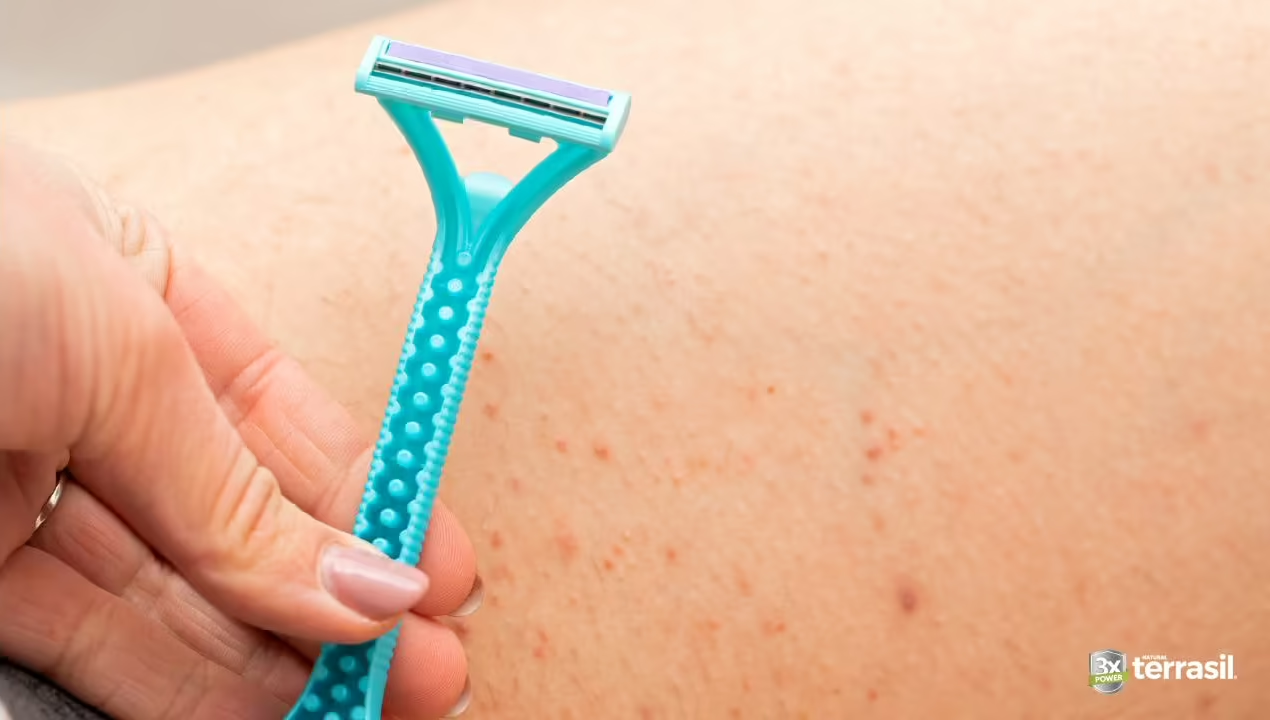
Shaving razor featured over skin with bumps

Before we talk relief solutions, let’s confirm you’re dealing with actual razor burn and not something else. 

Razor burn on the bikini line typically shows up like this: 

  • Appears within 6–24 hours after shaving (sometimes even after waxing) 
  • Follows the exact path where the razor passed 
  • Looks red, slightly inflamed, or sensitive to touch 
  • Feels itchy or stingy (especially in underwear or with friction) 
  • Doesn’t have pus, unusual discharge, or spreading redness 
  • Often begins improving within several days with basic care

It probably isn’t razor burn if: 

  • The irritation appeared days after you shaved 
  • It doesn’t follow a shaving pattern 
  • It’s spreading or getting worse daily 
  • It has discharge, bumps that look infected, or unusual symptoms 
  • It’s in areas you didn’t shave 

If the area is worsening, looks infected, has significant swelling, drainage, or severe pain, it’s a good idea to check in with a healthcare provider.

What to Actually Put on Razor Burn on the Bikini Line 

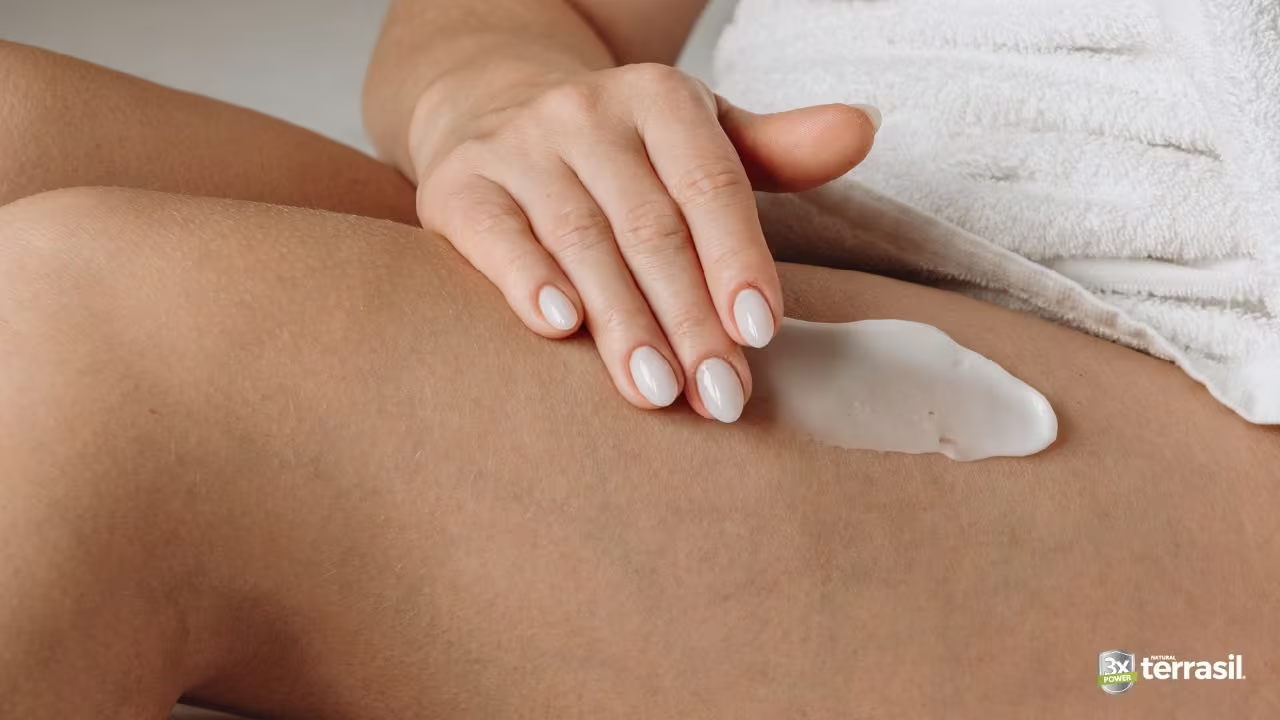
Applying cream to skin on leg

Here’s what works best for razor burn relief and treatment: 

The Best Option: A Protective Ointment (Not a Lotion) 

Why ointment is the best treatment for razor burn: Lotions are water-based and absorb quickly. For razor burn relief on the bikini line, that’s counterproductive—you need a protective ointment that stays on the skin and creates a lasting barrier against friction. Ointments are occlusive, meaning they seal in moisture and shield the skin from repeated rubbing. 

A helpful treatment option typically has three features: it must be fragrance-free (fragrance = more irritation on sensitive skin), free from common irritants like alcohol and harsh actives, and designed for sensitive or irritated skin. Look for ointments formulated with soothing botanicals and protective minerals that support your skin’s natural recovery process. 

Terrasil® Skin Repair is one such option, formulated with patented activated minerals and botanicals to soothe and protect sensitive skin. Its fragrance-free formula and gentle composition make it well-suited for razor burn treatment on high-friction areas. 

Apply your chosen ointment in a thin layer after cleansing, and reapply as needed (especially before bed or before friction). 

Why Other Common Options Fall Short 

Alcohol-based aftershave: Dries skin immediately and stings like crazy.[1] It might feel like it’s “doing something,” but it’s actually making irritation worse by stripping natural oils and increasing barrier disruption.[2] 

Regular fragrance lotions: Most standard body lotions have fragrance and other actives that can irritate freshly shaved skin. They also absorb too quickly to protect against friction. 

Powders: These can be tempting to reduce friction, but they often trap sweat and heat, which keeps the irritation active longer. 

Nothing at all: Some people skip aftercare thinking the skin will toughen up. It will heal, but much slower—and you’ll be uncomfortable the whole time. 

The 5-Step Fix-It-Fast Routine 

Woman post shower applying cream to skin

If you have razor burn on the bikini line right now, here’s what to do: 

Step 1: Cleanse with a gentle, fragrance-free soap. Use lukewarm water and a mild, fragrance-free cleanser to gently wash the area. Don’t scrub—this removes sweat and bacteria without adding irritation. This is the foundation of effective razor burn treatment: clean skin allows your body’s natural repair process to work effectively. 

A gentle, fragrance-free soap is essential here. Terrasil® Calendula Soap is one option designed to cleanse while being gentle on the skin barrier. It cleanses effectively while staying gentle to your skin barrier, exactly what compromised skin needs during razor burn treatment. 

Step 2: Pat dry thoroughly. Use a clean towel to pat the area dry—don’t rub. Make sure the skin is completely dry before the next step, as moisture on the surface prevents the ointment from adhering properly. For ongoing care, change your towels every two days or so to avoid reintroducing bacteria to the healing area. 

Step 3: Apply a skin repair ointment. Once completely dry, apply a thin layer of a protective ointment. This is a crucial step in razor burn relief and treatment. The ointment creates a barrier that protects the skin from friction, locks in moisture, and supports your skin’s natural healing processes. This is where razor burn treatment becomes most effective. 

Terrasil® Skin Repair is purpose-built for this step. Its formula is designed to soothe the area and support the skin’s recovery environment, while high-quality botanicals calm and soothe the skin to protect and strengthen your skin barrier during recovery. 

Step 4: Let it set (2–3 minutes). Before putting underwear back on, let the ointment set slightly. This prevents it from rubbing off immediately and ensures it has time to create an effective protective barrier. 

Step 5: Wear comfortable, breathable clothing. For the next few days, wear breathable, loose-fitting underwear or go without if possible. Cotton is better than synthetics. Tight underwear keeps friction high and heat trapped, which works against healing. 

Repeat twice daily (or as needed): 

  • Morning and night cleanse-and-apply routine 
  • After sweating (gym, activity, heat) 
  • Anytime after friction 
  • Before bed (for protection through the night) 

How to Prevent Razor Burn on the Bikini Line Next Time 

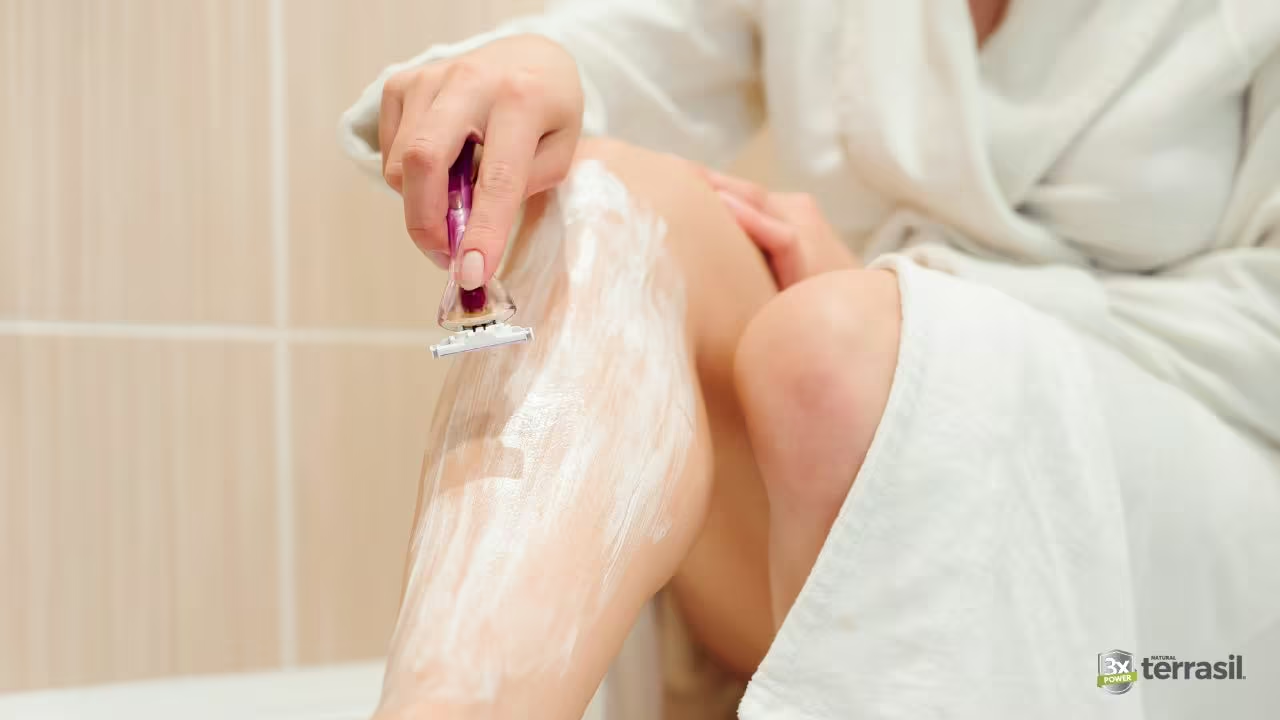
Woman in a robe shaving legs in bath

Prevention is the best form of razor burn relief. Here’s how to avoid irritation next time: 

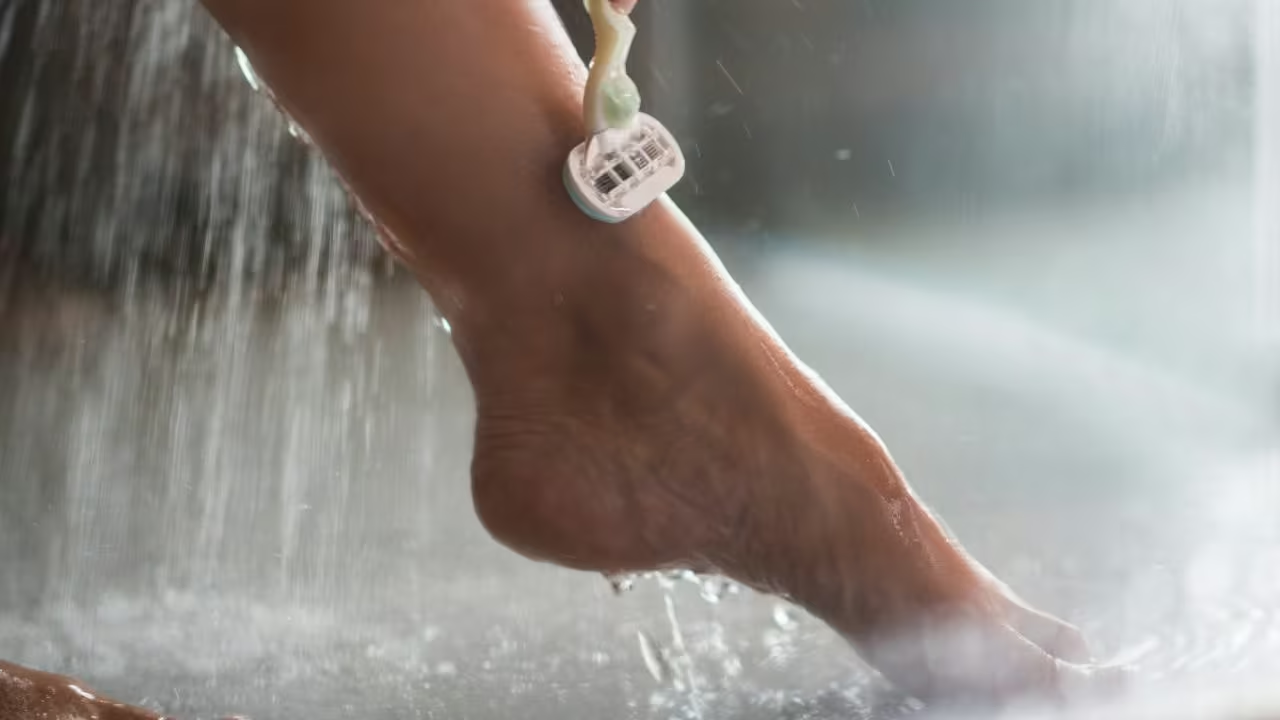
1. Start with a warm shower. Warm water helps soften hair and the skin surface before shaving. Shave after showering, not before. This reduces the trauma to both the hair and skin. 

2. Use a sharp razor. A dull blade tears hair instead of cutting it cleanly, which causes more irritation and can lead to ingrown hairs.[3] Replace your razor regularly, or sooner if it starts tugging or feels dull. 

3. Use a proper shaving gel or cream. This isn’t optional. Dry shaving or shaving with just water massively increases friction and irritation. Use a gel or cream designed for sensitive skin. 

4. Shave with the grain, not against it. Shaving against the grain gives a closer shave, but it significantly increases irritation and the risk of ingrown hairs.[4] Shave with the grain (the direction hair naturally grows) for a gentler pass. You can always go over it once more with the grain if needed. 

5. Avoid multiple passes. One careful pass is better than multiple passes. If you do a second pass, keep it gentle and go with the grain. 

6. Pat dry, then protect. After shaving, pat the area dry and apply a thin layer of protective ointment while the skin is still slightly warm. This seals in moisture and protects against immediate friction from underwear. 

7. Avoid friction for the first few hours. If possible, wear loose clothing or skip underwear for a bit after shaving. Let the skin settle before introducing friction. 

The Most Effective Treatment: Terrasil® Skin Repair 

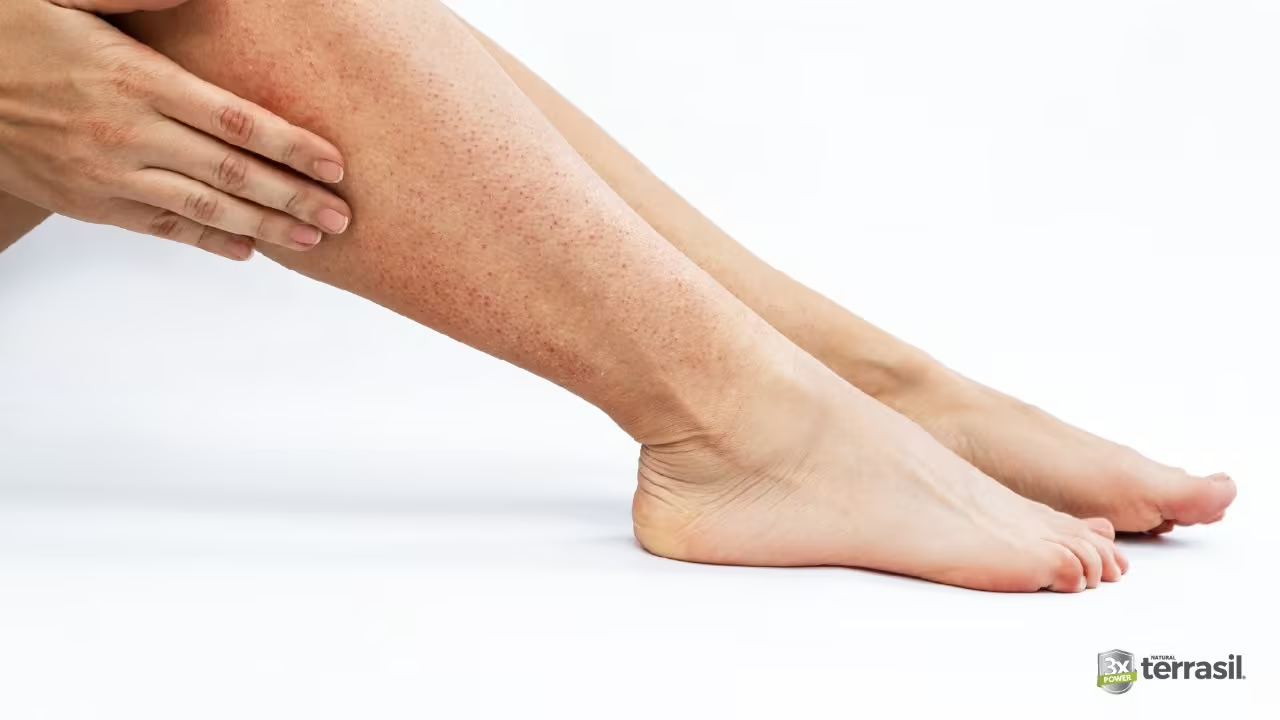
Woman's legs with razor bumps

The treatment approach outlined above is highly effective. For those seeking a targeted product solution, Terrasil® Skin Repair combines all the key elements: it’s an occlusive ointment formulated with patented activated minerals and high-quality botanicals, completely fragrance-free, and specifically designed for sensitive, compromised skin. 

Key benefits: 

  • Fragrance-free formula eliminates irritant risk 
  • Occlusive ointment stays on skin (doesn’t absorb quickly like lotion) 
  • Patented minerals help soothe and support natural healing 
  • Botanicals known to calm sensitive skin 
  • Suitable for use on sensitive, high-friction areas like the bikini line

Pair with: Gentle, fragrance-free cleansing with Terrasil® Calendula Soap for a complete razor burn treatment system. 

Quick FAQ 

The Bottom Line 

Razor burn on the bikini line is frustrating, but it’s one of the most preventable and manageable types of skin irritation. Effective razor burn relief and treatment comes down to three things: sharp razors, proper technique during shaving, and protecting the skin from friction while it heals. 

If you have active razor burn now, follow the cleanse-dry-protect routine above. Many people notice meaningful improvement by being consistent with gentle care. If you’re trying to prevent razor burn next time, focus on preparation (warm shower, sharp razor, good shaving cream) and aftercare (protective ointment, breathable clothing). 

For those looking for a product option for this type of irritation, Terrasil® Skin Repair combines all the essential elements: occlusive ointment formula, fragrance-free, patented minerals, and botanicals specifically chosen to soothe and support your skin’s natural healing processes. 

References 

[1] American Contact Dermatitis Society. (2020). Irritant contact dermatitis: Causes and prevention. Retrieved from https://www.contactderm.org 

[2] Sjedin, B., & Swartling, C. (2013). Skin irritation from alcohol-based products: A review of mechanisms and clinical implications. Journal of Cosmetic Dermatology, 12(1), 5-12. doi:10.1111/jocd.12036 

[3] Kobayashi, T., Umegaki, N., Fujita, N., & Nakamura, R. (2008). Hair removal and skin irritation: Mechanisms and prevention strategies. Dermatologic Surgery, 34(6), 751-758. doi:10.1097/00042728-200806000-00002 

[4] British Hair and Scalp Society. (2019). Directional shaving and its impact on follicular irritation. Retrieved from https://www.bhss.org.uk 

[5] Barr, R. J. (1987). Pseudofolliculitis barbae. Journal of the American Academy of Dermatology, 16(2), 357-364. doi:10.1016/S0190-9622(87)70045-3 

[6] Wissing, S. A., & Müller, R. H. (2002). Cosmetic applications for solid lipid nanoparticles (SLN). Advanced Drug Delivery Reviews, 54(S1), S131-S155. doi:10.1016/S0169-409X(02)00118-7 

[7] Draelos, Z. D. (2009). Procedures in cosmetic dermatology: Sensitive skin. Saunders Elsevier. doi:10.1016/B978-1-4160-3127-0.10002-6 

[8] Telofski, L. S., Morello, A. P., Mussie, A., & Frazier, C. C. (2012). The role of a true emollient on perceived skin barrier function and stratum corneum hydration. Journal of Cosmetic Dermatology, 11(2), 78-87. doi:10.1111/j.1473-2165.2012.00600.x 

[9] Callen, J. P., Jorizzo, J. L., Bolognia, J. L., & Rapini, R. P. (2008). Dermatological signs of systemic disease (4th ed.). Saunders Elsevier. doi:10.1016/B978-0-7216-2990-6.50001-5 

Best Over-the-Counter Treatments to Get Rid of Folliculitis

terrasil silver accent terrasil silver accent
Treatments to get rid of folliculitis

The Frustration of Dealing with Folliculitis 

If you’ve dealt with folliculitis, you know the drill: irritated, inflamed bumps that itch, sting, and make you self-conscious about how your skin looks. It affects confidence, keeps you from wearing certain clothes, and feels like it shows up at the worst possible times. 

The best over-the-counter treatments to get rid of folliculitis focus on three core elements: reducing inflammation and redness, supporting your skin’s natural healing response, and using an ointment consistently that won’t irritate the area further. When you combine the right product with consistency, you see real improvement—many people notice improvement within 7–14 days, depending on cause and severity. 

The good news? You don’t need a prescription or complicated routine. The right at-home ointment, paired with basic care practices, makes a tangible difference. This guide will walk you through what actually works, what to look for, and how to choose a treatment that fits your situation. 

The Bottom Line (TLDR) 

The best over-the-counter treatments to get rid of folliculitis come down to three things: the right ointment that checks all the boxes (soothing, protective, long-lasting, safe for daily use), consistent application, and the confidence that comes from using a product specifically designed for this challenge. 

Home remedies provide temporary relief but lack the lasting power needed for real results. Chemical treatments like benzoyl peroxide or antibiotics work but come with downsides—irritation, antibiotic resistance risk, or skin damage. If you’re looking for an ointment that delivers on all the criteria—fast-acting without stinging, reduces visible redness, lasts on your skin, safe for daily use, made with natural botanicals and Activated Minerals® —Terrasil® Skin Repair is formulated for daily use with botanicals and Activated Minerals® and includes a 90-day money-back guarantee. 

Understanding Folliculitis & Why OTC Care Works 

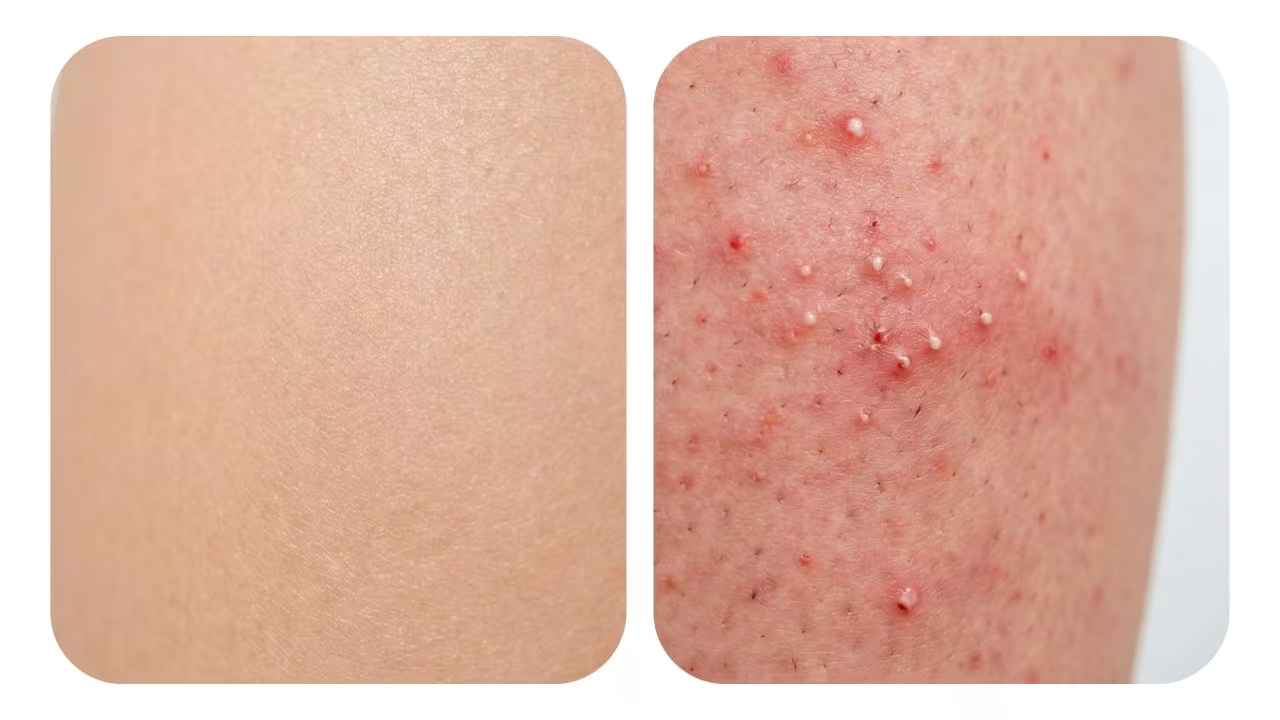
Healthy skin versus folliculitis sample

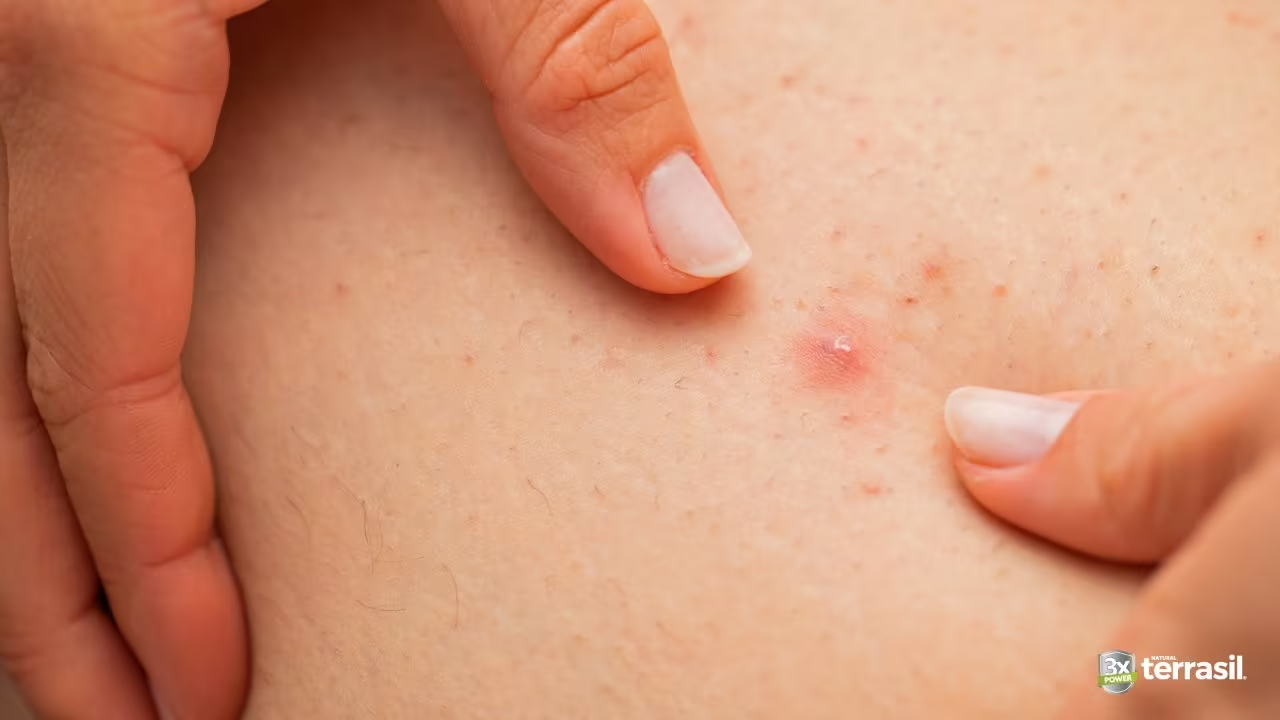
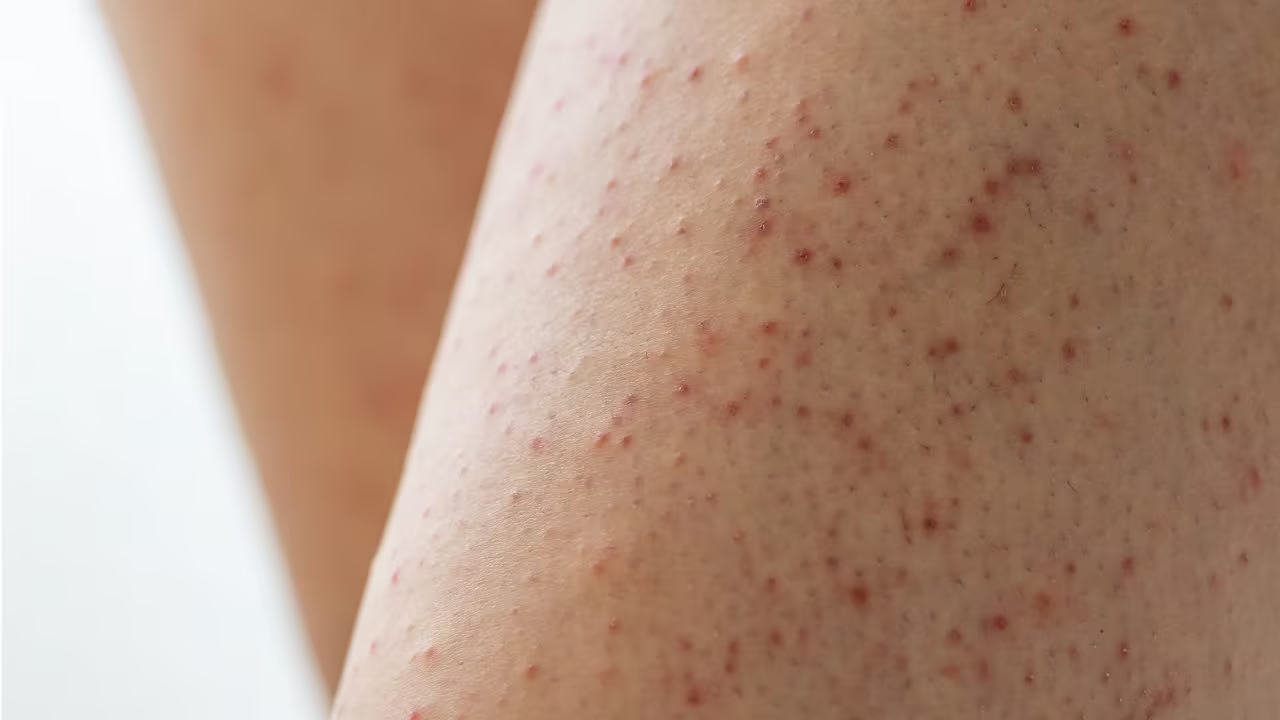
Folliculitis happens when hair follicles become inflamed—usually from irritation, friction, or bacterial/fungal exposure. It can be caused by Staphylococcus aureus (bacterial) or fungal/yeast infections, and it can show up after shaving, waxing, tight clothing, or from your skin being sensitive and prone to irritation. The result is the same: red, bumpy, uncomfortable skin. 

Mild folliculitis often clears on its own within a few days to a week. However, if you want faster relief and lasting results, the right OTC treatment makes a significant difference. Here’s what makes OTC treatments effective for mild to moderate cases: they address the core problem (inflammation and bacterial/fungal risk) while supporting your body’s natural ability to heal. You don’t need a prescription to reduce redness, soothe irritation, and create a protective barrier against further aggravation. 

The key is consistency. Applying the right ointment daily, every day, is what creates the shift. One application won’t fix it. But three weeks of regular application? That’s when people start seeing real improvement. 

Home Remedies: Temporary Relief vs. Lasting Results 

Natural remedies

Home remedies can provide temporary comfort and basic support for mild folliculitis. They’re accessible, inexpensive, and helpful for managing symptoms while you’re waiting for something more effective to take hold. But here’s the critical difference: they’re designed to manage discomfort, but they often don’t provide the consistent support needed for stubborn or recurrent folliculitis. Here’s what people commonly try: 

Warm Compresses 

The Pro: Warm compresses applied for 15 minutes, several times daily, help soothe irritation and promote drainage. Most mild folliculitis resolves on its own within 7-10 days, and compresses can make the waiting period more comfortable. 

The Con: Warm compresses are purely symptomatic relief. Mild folliculitis typically improves within 7–14 days to heal on its own, and you’re essentially waiting for your body to fight the infection without active treatment. Additionally, if the folliculitis is caused by bacteria like Staphylococcus aureus or fungal organisms, a warm compress does nothing to address the actual pathogen—it just makes it feel slightly better while the infection persists. If you stop using compresses, symptoms immediately return because the infection is still there. 

Aloe Vera Gel 

The Pro: Some lab studies suggest aloe has antimicrobial activity, and many people find it soothing on irritated skin. In laboratory settings, aloe vera demonstrates antimicrobial potential, and many people report cooling, soothing relief when applied topically. 

The Con: There’s a massive gap between lab effectiveness and real-world results. While aloe vera gel may help stop some kinds of infection-causing bacteria, you should look for pure aloe vera with no added perfumes and other chemicals—which means quality and efficacy vary dramatically depending on the product. More importantly, aloe vera is passive; it’s not actively penetrating the follicle or creating a lasting protective barrier. You’re applying it multiple times daily for weeks, hoping it maintains some antimicrobial action, which is inefficient and unreliable for treating an active infection. The cooling sensation feels nice but masks the problem rather than solving it. 

Tea Tree Oil 

The Pro: Medical studies show that some essential oils have antibacterial and antifungal properties and may work against bacteria and fungi that cause folliculitis. Tea tree oil in particular has a reputation in natural skincare circles for fighting infections. 

The Con: This is where natural doesn’t always mean effective. Essential oils shouldn’t go directly on your skin because using them directly or too much can irritate your skin, and the FDA doesn’t monitor or regulate the purity or quality of essential oils. You’re diluting it in a carrier oil, which reduces concentration and effectiveness even further. You’re also applying something that requires careful handling and dosing to an already-inflamed area. Most people don’t get consistent results, and there’s real risk of additional irritation. For folliculitis specifically, tea tree oil isn’t formulated to create a lasting treatment environment—you’re applying it, hoping it works, then washing it off with the next shower. 

Apple Cider Vinegar 

The Pro: Vinegar has mild antimicrobial properties and is inexpensive. 

The Con: While a vinegar solution can be made by mixing 1 tablespoon of white vinegar in 1 pint of water and applied as a warm compress, this approach is weak and potentially problematic. Vinegar is acidic, and when applied to already-inflamed, infected skin, it can actually worsen irritation and damage your skin barrier. You’re not treating the infection—you’re adding acidity to irritated skin and hoping the mild antimicrobial effect does something. Most dermatologists don’t recommend this for active folliculitis because the irritation risk outweighs the minimal benefit. 

The Home Remedy Reality: 

 Here’s what research and clinical experience consistently show: home remedies work best for prevention and comfort, not cure. While most folliculitis is self-limited and will resolve on its own with time and proper home care, patients dealing with active infection benefit significantly from targeted treatment. You can spend 2-3 weeks applying compresses, aloe, and oils, or you can use a treatment designed specifically to address folliculitis—something with concentrated antimicrobial and anti-inflammatory power that actually targets the infection rather than just masking discomfort. 

The real question isn’t “Do home remedies work?” It’s “How long are you willing to wait and stay uncomfortable?” If you want faster relief and lasting results, you need something designed for this specific problem. 

4 Things Folliculitis-Prone Skin Actually Needs 

1. A Strong Defense Against Further Irritation 

 Your skin needs protection from continued friction, moisture, and bacterial exposure. An ointment that creates a genuine barrier—one that stays on for hours—prevents re-irritation and gives healing space to actually happen. 

2. Real Soothing (Not Just Sitting There) 

You need an ointment that actively calms the inflammation and reduces visible redness. It should feel soothing the moment you apply it, not leave your skin feeling tight, dry, or like it made things worse. 

3. Support for Your Body’s Natural Healing Process 

Ingredients matter. Look for botanicals and minerals that have a track record of supporting skin comfort and renewal—not synthetic fillers or harsh chemicals that dry things out or cause additional irritation. 

4. A Formula Safe for Daily, Repeated Use 

Since you’re applying this multiple times a day for weeks, it needs to be gentle enough that you’re not worried about buildup, irritation, or making your skin worse. It should feel like it’s actually helping, not just tolerating it. 

When you find an ointment that delivers on all four of these, you’ve found your answer. 

What to Look for in an OTC Folliculitis Treatment 

Man examining neck skin in mirror

When you’re evaluating ointments for folliculitis, these are the criteria that actually matter: 

  • Fast-Acting, Non-Irritating Formula — No sting, no additional redness when you apply it. It should feel better within minutes. 
  • Reduces Visible Redness — You’re looking for an ointment that actually soothes inflammation and calms the red, angry appearance. 
  • Long-Lasting Protection — Creams disappear. A good ointment stays on your skin for hours, providing continuous protection and support. Look for a breathable protective layer—not a heavy occlusive film that traps sweat.
  • Safe for Daily Use — This is key. You’ll be applying it multiple times daily for weeks. It can’t irritate your skin or cause buildup. 
  • Antimicrobial or Antiseptic Support — Natural minerals or botanicals that help reduce bacterial/fungal risk without the concerns of antibiotic resistance. 
  • Soothing Botanicals — Ingredients with a history of calming skin irritation and redness. 
  • Clean Ingredient List — Free of harsh dyes, artificial fragrances, and preservatives that can aggravate sensitive skin. 
  • Designed for This Specific Problem — General purpose ointments are okay, but one specifically formulated for folliculitis will work significantly better. 

Chemical vs. Natural: Why Ingredient Choice Matters

Natural ingredients vs chemicals

Not all OTC treatments are created equal. Here’s how common chemical approaches compare to more effective alternatives: 

Benzoyl Peroxide (Common OTC Choice) 

How it works: Generates oxygen to kill surface bacteria. 

The problem: Highly drying, can irritate sensitive skin, and with daily use over weeks can damage your skin barrier. People often report increased redness and peeling before any improvement. It’s aggressive—effective for some, but harsh on skin you’ll be treating repeatedly. 

Salicylic Acid (Acne-Based Approach) 

How it works: Exfoliates to unclog follicles. 

The problem: Also drying and can be irritating with frequent use. It’s designed for acne (clogged oil + bacteria), not folliculitis (infected/inflamed follicles). It addresses the symptom (bumps) but not the infection. 

Antibiotic Ointments Like Mupirocin or Neosporin® (Prescription/OTC) 

How it works: Kills bacteria directly. 

The problem: Effective short-term, but daily long-term use raises serious concerns about antibiotic resistance. You’re also not addressing inflammation or soothing discomfort. And these ointments don’t last long on skin—they absorb or wash away quickly. Not designed for ongoing daily use over weeks. 

Hydrocortisone Cream (Steroid) 

How it works: Reduces inflammation and itching. 

The problem: Steroid creams can thin skin with repeated use and don’t address the underlying infection. They’re meant for short-term symptom relief, not treatment. 

Natural Botanicals + Mineral Antiseptics (Better Approach) 

How it works: Soothing botanicals calm inflammation while natural minerals provide antimicrobial support without chemical aggression. 

The advantage: Gentle enough for daily use without damaging your skin barrier, effective for both bacterial and fungal folliculitis, reduces inflammation while supporting healing, and no risk of antibiotic resistance. Designed to work long-term. 

The chemicals above provide quick hits—they work fast but often at the cost of skin health. Natural alternatives work with your skin, not against it. 

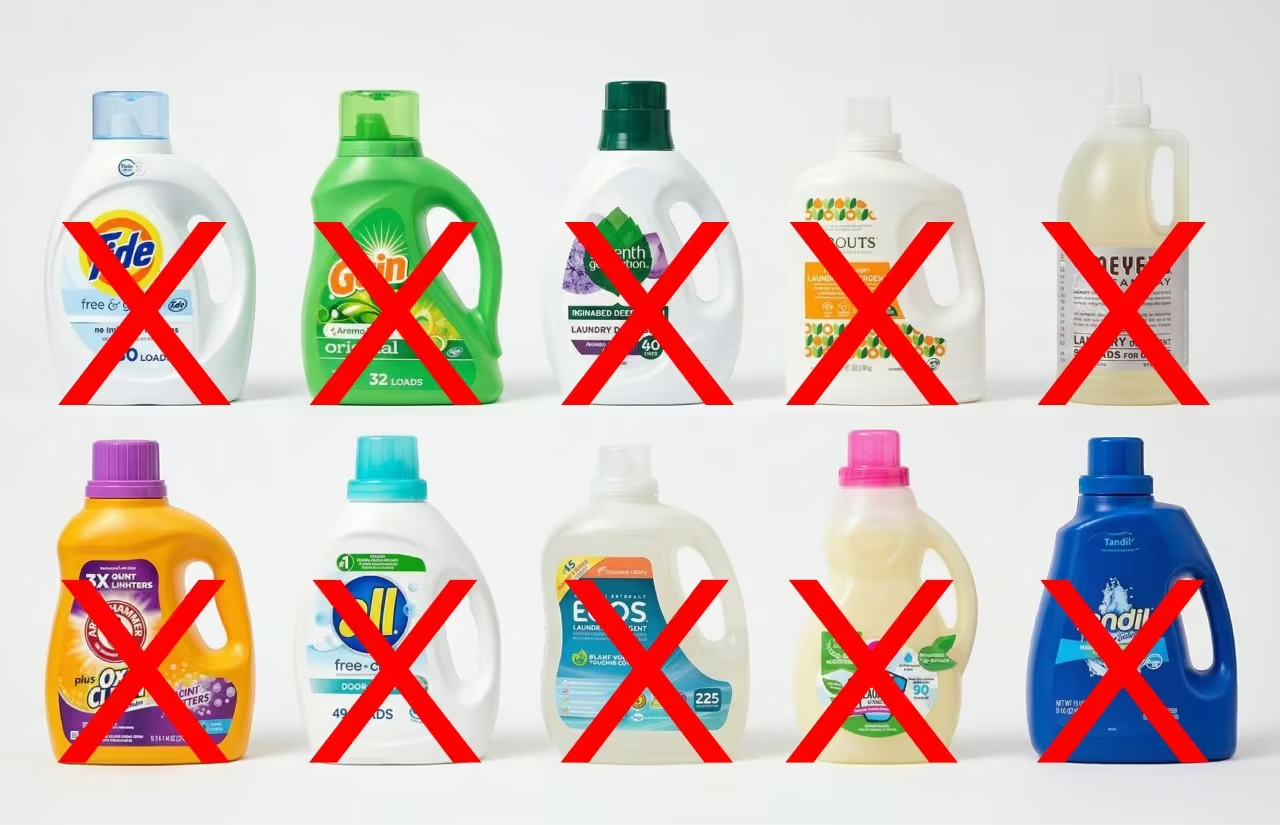
If you want to better understand how everyday irritants affect the skin barrier, it’s worth looking at how common products like detergents and fabric care items contribute to cumulative skin stress.

Addressing Your Real Pain Points 

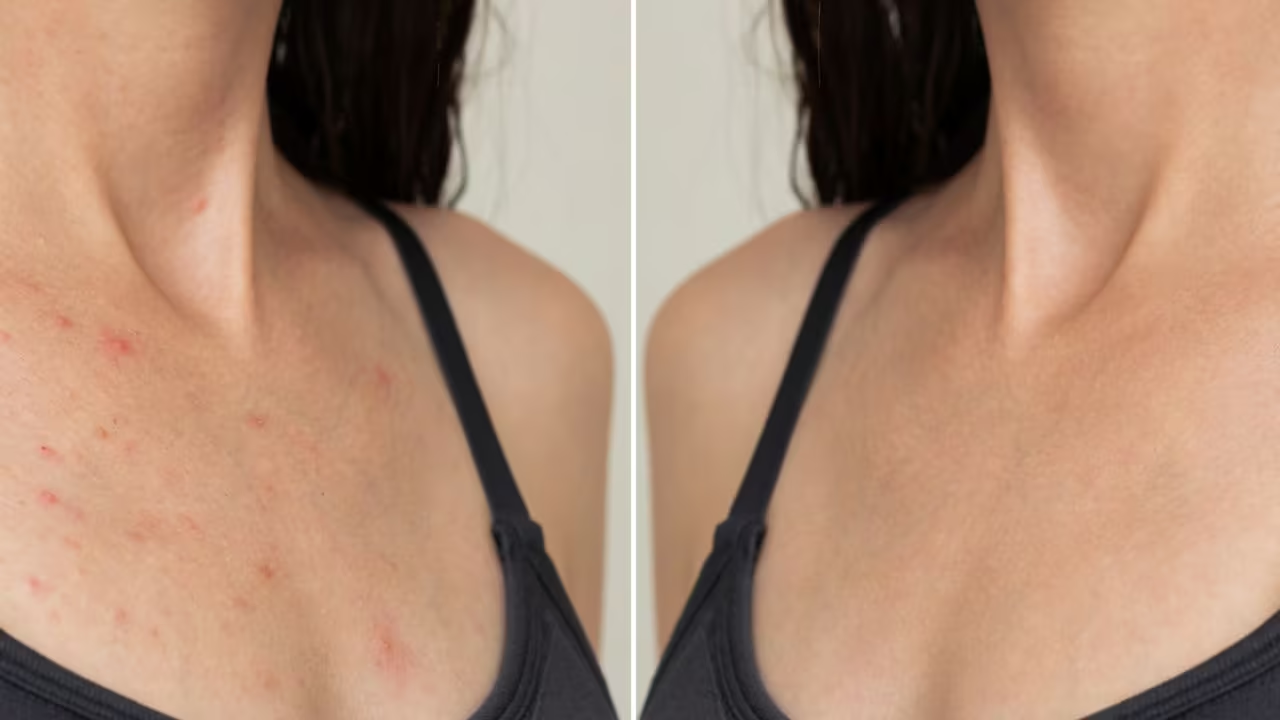
Woman's infected skin vs healed skin

Let’s talk about what actually matters to you: 

“I need to see improvement fast.” Consistency is everything. With the right ointment applied 2–3 times daily, most people notice visible improvement in redness and discomfort within days to a week. It’s not instant, but it’s not a months-long process either. 

“This is uncomfortable and embarrassing.” Folliculitis affects confidence. The right ointment reduces visible symptoms and soothes discomfort, which means you feel better faster and your skin looks better too. 

“This keeps coming back.” If you’re dealing with recurring folliculitis, prevention is just as important as treatment. Using a protective ointment regularly can help you avoid flare-ups and manage it before it becomes a problem. 

“Other products make it worse.” Sensitive skin needs gentle care. Look for ointments made with natural ingredients that soothe rather than strip or irritate—not harsh chemicals that promise results but damage your skin in the process. 

“I just want my skin back.” Clear skin brings confidence back. When you see improvement, everything changes—how you feel, what you wear, your whole approach to the day. 

Comparing OTC Folliculitis Treatment Options 

Feature
Terrasil®
Benzoyl Peroxide
Salicylic Acid
Antibiotic Ointment
Fast-Acting (No Sting) 
 
 
Reduces Visible Redness 


Long-Lasting on Skin 
 
Safe for Daily, Long-Term Use 
 
Natural/Botanical Ingredients 
Antimicrobial Support 


More barrier-friendly for frequent use 
 
 
Designed Specifically for Folliculitis 
 

Why These Differences Matter: 

Benzoyl peroxide and salicylic acid products are drying and can irritate skin with repeated daily use, especially for sensitive skin. Antibiotic ointments work, but long-term daily use raises concerns about antibiotic resistance, and they don’t tend to last long on the skin. When you’re looking for an ointment that actually addresses folliculitis—something that’s soothing, protective, long-lasting, and safe for ongoing daily use—the options narrow quickly. 

What to Avoid When Treating Folliculitis 

Do not pop folliculitis lesions

Just as important as knowing what to do is knowing what to avoid. These common mistakes can make folliculitis worse: 

Don’t Squeeze or Pick at Lesions 

This spreads bacteria, increases inflammation, and leads to scarring. Let it heal on its own with proper treatment. 

Avoid Harsh Exfoliation 

Vigorous scrubbing or exfoliating products irritate inflamed follicles further. Keep exfoliation gentle or skip it entirely while treating. 

Don’t Continue Shaving if Possible 

Shaving damages the skin barrier and exposes follicles to bacterial exposure. Skip shaving while treating active folliculitis. When you do resume, use clean, sharp blades and shaving cream. 

Skip Tight Clothing 

Tight clothes trap sweat and bacteria, creating the perfect environment for folliculitis to spread. Wear loose, breathable fabrics while treating. 

Don’t Over-Apply Products 

Using too much ointment or applying products too frequently doesn’t speed up healing—it can actually irritate skin. Follow recommended application guidelines. 

Avoid Heavy, Occlusive Products 

Greasy creams, thick oils, and heavy moisturizers trap bacteria and moisture. Stick to lightweight, breathable formulas designed for folliculitis. 

The Ointment That Checks All the Boxes 

Most folliculitis treatments excel in one or two areas. You’ll find products that reduce redness but irritate your skin. Others that soothe but don’t protect. Or ones that work but you can’t use daily without issues. 

Finding one that delivers on all four needs—soothing, protective, long-lasting, and safe for daily use—is surprisingly rare. 

That’s where Terrasil® Skin Repair enters the picture. It’s not the trendiest product. It’s not the cheapest. But it’s the one people actually stick with, reorder, and recommend to others dealing with similar skin challenges. 

Here’s what makes the difference: 

It’s designed specifically for this situation. Not for general skin irritation. Not for minor bumps. But for the exact challenge you’re facing: calming active folliculitis while protecting your skin and preventing it from coming back. 

What people notice: 

  • Visible improvement in redness and irritation within days to a week with consistent use 
  • It feels soothing when applied—no burn, no sting, no making it worse 
  • One tube or jar lasts weeks because the formula is concentrated; you use less per application 
  • Safe to use multiple times daily without worry about irritation or buildup 
  • Doctor-recommended and manufactured in an FDA-registered facility 
  • Backed by 15+ years of real-world use and feedback from people dealing with folliculitis 

The combination of soothing botanicals, protective minerals, and a formula built for daily, long-term use is what sets it apart. But the real proof is what happens when you use it consistently: you see results, your skin improves, and the frustration of managing folliculitis goes down. 

There’s also a 90-day money-back guarantee, which means you can try it completely risk-free. If it doesn’t deliver what you’re hoping for, you get your money back—no questions. 

Moving Forward with Confidence 

The best over-the-counter treatments to get rid of folliculitis aren’t complicated—they’re just consistent. It comes down to choosing an ointment that actually soothes and protects, using it every day, and giving your skin the time it needs to improve. 

Home remedies can offer temporary comfort, but they don’t have the staying power for lasting results. Chemical treatments work quickly but often come with irritation or long-term concerns. When you find a product designed specifically for folliculitis—one that’s gentle enough for daily use but powerful enough to address the infection and inflammation—everything changes. 

Dealing with folliculitis is frustrating. It affects how you feel about yourself and what you’re willing to wear or do. By choosing a product designed specifically for this challenge and committing to consistent use, you’re giving your skin real support. 

The right solution doesn’t have to be complex. It just has to work, feel good, and be something you’ll actually use every single day without stress or worry. 

If you want to explore an option formulated for folliculitis-prone skin, you can review Terrasil® Skin Repair (and Subscribe & Save if you prefer auto-delivery).

With the right routine and consistent use, most mild to moderate cases improve over time.

Frequently Asked Questions 

Sources & Research 

  1. American Academy of Dermatology (AAD). Folliculitis: Overview and Management. AAD, 2023. 
  2. Centers for Disease Control and Prevention (CDC). Skin Infections: Prevention and Treatment Guidelines. CDC, 2022. 
  3. National Institutes of Health (NIH). Bacterial Skin Infections and OTC Treatment Options. NIH National Library of Medicine, 2021. 
  4. Wound, Ostomy and Continence Nurses Society (WOCN). Skin Integrity and Infection Prevention in At-Home Care. WOCN Journal, 2020. 
  5. Mayo Clinic. Folliculitis: Causes, Symptoms, and Treatment. Mayo Clinic, 2023. 
  6. Cleveland Clinic. Understanding Hair Follicle Inflammation and OTC Solutions. Cleveland Clinic, 2022. 

FDA Compliance Notice: This article is for educational purposes only and is not intended to diagnose, treat, cure, or prevent any disease. Terrasil® Skin Repair is an over-the-counter skin protectant and antiseptic ointment. Always follow product labeling and directions. If you have concerns about folliculitis or skin integrity, consult a healthcare provider. 

How to Treat Folliculitis Quickly: A First-Timer’s Guide to Relief and Recovery

terrasil silver accent terrasil silver accent
How to get rid of folliculitis

Introduction: You Just Noticed Folliculitis. Here’s What to Do. 

You’ve got small red bumps around hair follicles. They itch. They’re tender. And you want them gone. Fast. 

If this is your first time dealing with folliculitis, the good news is simple: most first-time cases clear up quickly when you know what to do and use the right treatment. You don’t need a complicated routine. You need a clear plan and an effective product. 

This guide walks you through exactly what folliculitis is, why it showed up for you, and the fastest way to get relief and clear skin again. By the time you finish reading, you’ll know exactly what steps to take today. 

What Is Folliculitis? (The Short Version) 

Folliculitis is inflammation of your hair follicles. That’s it. Your hair follicles got irritated—from shaving, friction, moisture, sweat, or a combination of these—and now they’re inflamed and showing up as bumps, redness, and discomfort. 

In many first-time cases, it’s irritation from shaving or friction. Sometimes it can involve bacterial or yeast overgrowth. Either way, mild cases usually respond well to simple, consistent care. And irritation responds quickly to the right care. 

Why Do I Have Folliculitis Right Now? 

Folliculitis close-up

Folliculitis doesn’t appear randomly. Something triggered it. Here are the most common reasons: 

You Just Shaved or waxed. This is the #1 cause, especially in first-time cases. Shaving creates micro-damage at the follicle opening. If you shaved in the last 24–48 hours and now have bumps, that’s almost certainly why. Waxing does the same thing, especially in sensitive areas. 

You’re Wearing Tight Clothing Over the area. Tight pants, yoga wear, athletic tights, or anything that rubs repeatedly creates friction. Combine friction with sweat, and follicles get irritated fast. This is especially common after shaving. 

The Area Got Damp and Stayed Damp. Sweating under tight clothing, swimming, and then staying in damp clothes, or anything that keeps the area moist for hours, can trigger folliculitis. Hair follicles don’t like being stuck in a wet environment. 

You Used Harsh Products Antibacterial soaps, aggressive exfoliants, or fragranced products can irritate follicles, especially if your skin is already sensitive from shaving or friction. 

You Shaved Against the Hair Growth. Shaving against the grain gives a closer shave but irritates follicles more. Same with using a dull razor or shaving aggressively. 

You’ve Got Ingrown Hairs Sometimes, hair curls back into the follicle instead of growing out. This creates irritation and inflammation that shows up as folliculitis bumps. 

You’re in a Warm, Humid Environment. Heat and humidity increase sweating. More sweat trapped around follicles = more irritation. 

The truth: Most first-time folliculitis is caused by shaving + friction + moisture. Identify which of these three happened to you, and you’ve found your trigger. 

How to Tell If It’s Folliculitis (vs. Something Else) 

Man examining neck in mirror

Folliculitis looks like: 

  • Small red bumps clustered around hair follicles 
  • Possible tiny whiteheads or pustules in the center 
  • Tender or painful to touch, especially under pressure 
  • Itching or burning 
  • Redness in the area 
  • Usually localized to one area (not spread all over) 
  • Appeared within 24–72 hours of shaving, friction, or sweating 

If this describes what you’re seeing, you’ve got folliculitis. It’s not dangerous. It just needs care. 

If the area is spreading rapidly, very painful, producing significant drainage, or accompanied by fever, consult a healthcare provider. Those symptoms may require medical treatment.

The Fastest Way to Treat Folliculitis (Start Today) 

Man shaving face in mirror

Here’s the exact routine that works: 

Step 1: Stop the Trigger (Today) 

Whatever caused this, stop doing it for the next 1–2 weeks. 

  • If it was shaving: Don’t shave that area again until the bumps are gone 
  • If it was tight clothing: Switch to loose, breathable clothes in the meantime 
  • If it was moisture: Keep the area dry. Change out of damp clothes immediately 
  • If it was harsh products: Use only mild, fragrance-free cleanser 

This is non-negotiable. Removing the trigger is 50% of the treatment. 

Step 2: Wash Gently (Twice Daily) 

Use lukewarm water (not hot) and a mild, fragrance-free cleanser. No scrubbing. No exfoliants. Let the cleanser do the work. Pat dry gently with a clean towel. 

That’s it. Simple. 

Step 3: Apply a Folliculitis Treatment Ointment (Right Now) 

This is where you get fast results. After cleansing, apply a dedicated folliculitis treatment ointment designed for inflamed skin. 

The best folliculitis treatment ointments have these qualities: 

  • Fragrance-free (fragrance irritates inflamed skin) 
  • Hypoallergenic (won’t trigger new irritation) 
  • Designed for inflamed skin (not a general moisturizer) 
  • Manufactured in an FDA-registered facility and formulated as an OTC skin protectant
  • Can be used multiple times daily (gentle enough for repeated application) 

Apply a thin layer right after cleansing. You can reapply throughout the day as needed. Use it before bed too—that’s when your skin has time to actually heal. 

Step 4: Keep It Dry 

After washing or sweating, dry the area completely. Lingering moisture makes folliculitis worse. If you exercise or sweat, change into dry clothes immediately. 

Step 5: Be Patient (But Expect Fast Results) 

Most first-time folliculitis clears up within 3–7 days when you do these steps consistently. Some people see improvement within 24–48 hours. 

The keyword is consistent. Don’t apply the ointment once and assume you’re done. Use it daily for at least a week, even if you see improvement after a few days. 

What Not to Do (Common Mistakes That Slow Recovery) 

Various wash cloth options

Don’t Keep Shaving. Wait until the bumps are completely gone before shaving that area again. Shaving over folliculitis makes it worse, not better. 

Don’t Use Hot Water. Hot water irritates inflamed skin. Stick with lukewarm water. 

Don’t Exfoliate or Scrub: No scrubbing, no exfoliants, no harsh tools. Let the area rest and heal. 

Don’t Switch Products Constantly. Pick a folliculitis treatment ointment and stick with it for a full week. Every time you introduce a new product, your skin has to adjust. This slows healing. 

Don’t Wear Tight Clothing Over It. Loose, breathable fabric only. Give your skin room to breathe. 

Don’t Use Fragranced Products. Fragrance irritates folliculitis. Use fragrance-free everything—cleanser, ointment, deodorant. 

Don’t Assume It Won’t Get Better. Folliculitis responds well to simple, consistent care. Most first-time cases clear up completely. 

Why Choose a Folliculitis Treatment Ointment Over Regular Lotion? 

Skin lotions

You might be thinking: “Can’t I just use my regular lotion?” 

No. Here’s why: 

Regular body lotion is hydrating but doesn’t address irritation or create a protective barrier. It’s not designed for inflamed skin. 

A folliculitis treatment ointment is specifically formulated to: 

  • Soothe inflamed follicles immediately 
  • Protect the area while it heals 
  • Support your skin’s natural recovery process 
  • Be gentle enough for repeated daily use 
  • Create a breathable protective layer (not trap heat) 

The difference shows up in the results. People using a dedicated folliculitis treatment see improvement in 3–7 days. People using regular lotion often see slower results or no improvement at all. 

If you’re unsure which OTC options are best for folliculitis, you can review our guide to choosing the best OTC folliculitis treatment before deciding.

Product Spotlight: terrasil® Skin Repair Ointment 

Applying terrasil Skin Repair to leg

If you’re looking for a folliculitis treatment that actually works, terrasil® Skin Repair Ointment is exactly what you need. 

Here’s why it’s the best choice for first-time folliculitis: 

FDA-Registered Skin Protectant terrasil® is registered with the FDA as a skin protectant. This isn’t a cosmetic—it’s a functional skin care product proven to soothe and protect irritated skin. You can trust it. 

Designed Specifically for Inflamed Skin. Unlike general moisturizers, terrasil® is formulated for the exact problem you’re dealing with: inflamed, irritated skin. It’s formulated specifically for irritated, inflamed skin. 

Mineral-Based, Natural Formula Built on a mineral-based formula with botanical soothing oils and waxes, terrasil® supports your skin’s natural healing response without harsh chemicals or fragrances. 

Hypoallergenic and Dermatologist Tested Free from parabens, steroids, dyes, and fragrances—the ingredients that slow recovery. Safe for sensitive skin. 

Designed for Fast, Consistent Improvement. Many users report noticeable improvement within several days when used consistently. 

Gentle Enough for Daily Use. Apply it multiple times a day without worry. It won’t cause new irritation or dry out your skin. 

90-Day Guarantee: If you’re not seeing improvement after consistent use, you can return it. Zero risk. 

Your Step-by-Step Recovery Plan (Start Today) 

Day 1 (Today): 

  1. Stop the trigger (no shaving, change tight clothing, dry off) 
  2. Gently wash with lukewarm water and fragrance-free cleanser 
  3. Pat dry 
  4. Apply terrasil® Skin Repair Ointment 
  5. Wear loose, breathable clothing 

Days 2–3: 

  • Repeat: Wash gently, dry, apply ointment 
  • Apply ointment again before bed 
  • Keep area dry 
  • Notice itching and redness starting to decrease 

Days 4–7: 

  • Continue gentle washing, drying, and ointment application 
  • Most bumps should be flattening 
  • Redness should be noticeably lighter 
  • Itching should be nearly gone 
  • Many people see significant improvement by the end of the first week

After Day 7: 

  • Bumps should be mostly or completely gone 
  • You can resume normal activities (including shaving, if you want) 
  • If you’re prone to folliculitis, use terrasil® preventively after shaving in the future 

The Bottom Line: You’ll Feel Better Soon 

First-time folliculitis feels annoying and uncomfortable, but it’s not serious. It responds well to simple, consistent care. Most people are clear within a week. 

Here’s what you need: 

  1. Stop the trigger (shaving, tight clothing, moisture) 
  2. Gentle care (lukewarm water, fragrance-free cleanser) 
  3. Right product (a dedicated folliculitis treatment ointment like terrasil® Skin Repair Ointment) 
  4. Consistency (use it daily until it’s gone) 

Start today, stay consistent, and you should begin seeing improvement as the inflammation settles.

Ready to get relief? Grab terrasil® Skin Repair Ointment today. With the 90-day guarantee, there’s no risk. If you don’t see improvement, you get your money back. Many people notice improvement within several days when used consistently. 

FAQs

References 

¹ Proksch, E., Brandner, J. M., & Jensen, J. M. (2008). The skin: An indispensable barrier. Experimental Dermatology, 17(12), 1063–1072. https://doi.org/10.1111/j.1600-0625.2008.00786.x 

² Elias, P. M., & Steinhoff, M. (2008). “Outside-to-inside” (and now back to “outside”) pathogenic mechanisms in atopic dermatitis. Journal of Investigative Dermatology, 128(5), 1067–1070. https://doi.org/10.1038/jid.2008.88 

³ Sempowich, A. N., & Maibach, H. I. (2011). Frequency of application and the effect on skin irritancy: An in vitro and in vivo assessment. Cutaneous and Ocular Toxicology, 30(2), 113–119. https://doi.org/10.3109/15569527.2010.532948 

⁴ Lodén, M. (2003). Role of topical emollients and moisturizers in the treatment of dry skin barrier disorders. American Journal of Clinical Dermatology, 4(11), 771–788. https://doi.org/10.2165/00151525-200304110-00005