




Best Over-the-Counter Treatments to Get Rid of Folliculitis

terrasil silver accent terrasil silver accent
Treatments to get rid of folliculitis

The Frustration of Dealing with Folliculitis 

If you’ve dealt with folliculitis, you know the drill: irritated, inflamed bumps that itch, sting, and make you self-conscious about how your skin looks. It affects confidence, keeps you from wearing certain clothes, and feels like it shows up at the worst possible times. 

The best over-the-counter treatments to get rid of folliculitis focus on three core elements: reducing inflammation and redness, supporting your skin’s natural healing response, and using an ointment consistently that won’t irritate the area further. When you combine the right product with consistency, you see real improvement—often within days to a week. 

The good news? You don’t need a prescription or complicated routine. The right at-home ointment, paired with basic care practices, makes a tangible difference. This guide will walk you through what actually works, what to look for, and how to choose a treatment that fits your situation. 

The Bottom Line (TLDR) 

The best over-the-counter treatments to get rid of folliculitis come down to three things: the right ointment that checks all the boxes (soothing, protective, long-lasting, safe for daily use), consistent application, and the confidence that comes from using a product specifically designed for this challenge. 

Home remedies provide temporary relief but lack the lasting power needed for real results. Chemical treatments like benzoyl peroxide or antibiotics work but come with downsides—irritation, antibiotic resistance risk, or skin damage. If you’re looking for an ointment that delivers on all the criteria—fast-acting without stinging, reduces visible redness, lasts on your skin, safe for daily use, made with natural botanicals and Activated Minerals® —Terrasil® Skin Repair. It’s doctor-recommended, made in an FDA-registered facility, and comes with a 90-day money-back guarantee. 

Understanding Folliculitis & Why OTC Care Works 

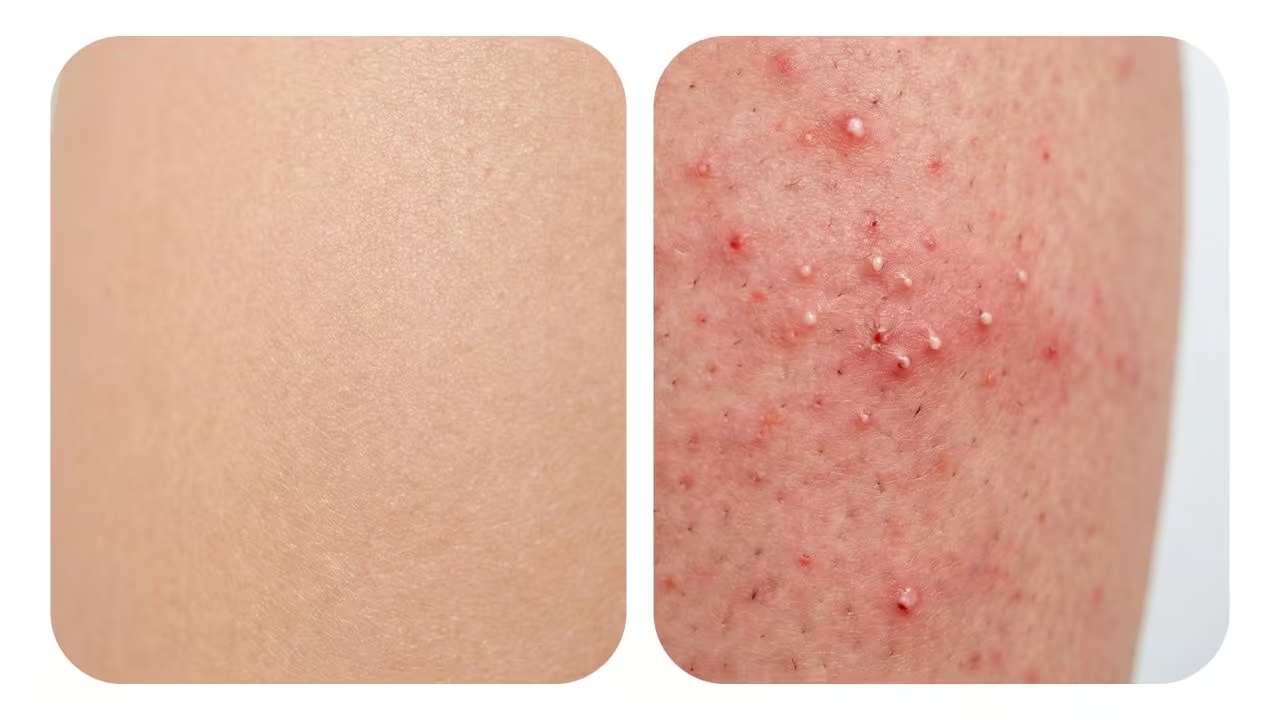
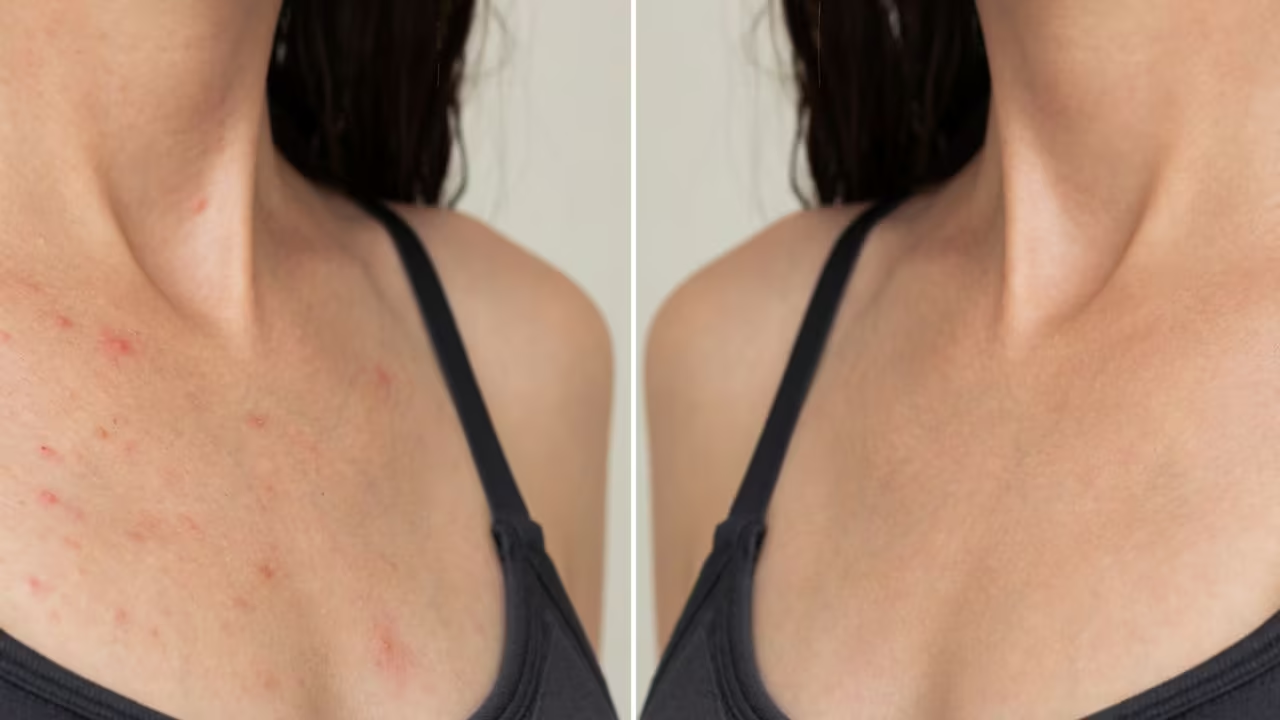
Healthy skin versus folliculitis sample

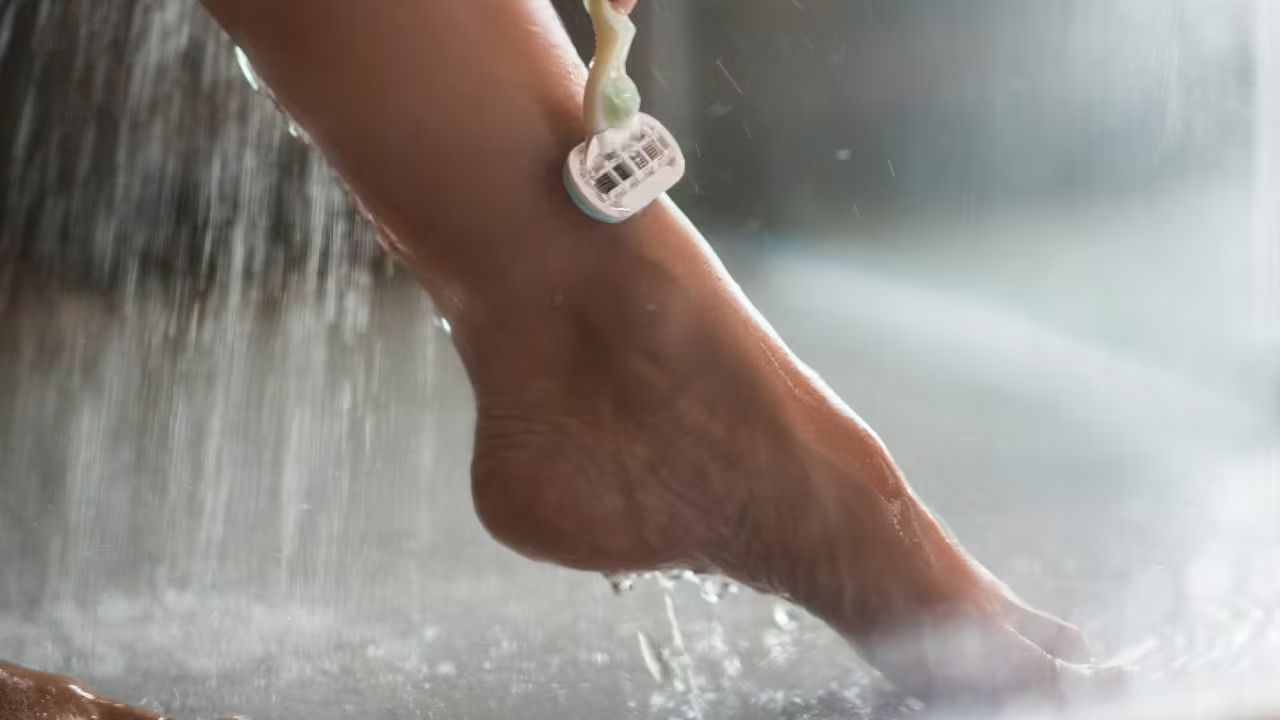
Folliculitis happens when hair follicles become inflamed—usually from irritation, friction, or bacterial/fungal exposure. It can be caused by Staphylococcus aureus (bacterial) or fungal/yeast infections, and it can show up after shaving, waxing, tight clothing, or from your skin being sensitive and prone to irritation. The result is the same: red, bumpy, uncomfortable skin. 

Mild folliculitis often clears on its own within a few days to a week. However, if you want faster relief and lasting results, the right OTC treatment makes a significant difference. Here’s what makes OTC treatments effective for mild to moderate cases: they address the core problem (inflammation and bacterial/fungal risk) while supporting your body’s natural ability to heal. You don’t need a prescription to reduce redness, soothe irritation, and create a protective barrier against further aggravation. 

The key is consistency. Applying the right ointment daily, every day, is what creates the shift. One application won’t fix it. But three weeks of regular application? That’s when people start seeing real improvement. 

Home Remedies: Temporary Relief vs. Lasting Results 

Natural remedies

Home remedies can provide temporary comfort and basic support for mild folliculitis. They’re accessible, inexpensive, and helpful for managing symptoms while you’re waiting for something more effective to take hold. But here’s the critical difference: they’re designed to manage discomfort, not cure the infection. Here’s what people commonly try: 

Warm Compresses 

The Pro: Warm compresses applied for 15 minutes, several times daily, help soothe irritation and promote drainage. Most mild folliculitis resolves on its own within 7-10 days, and compresses can make the waiting period more comfortable. 

The Con: Warm compresses are purely symptomatic relief. Mild folliculitis typically takes about 2 weeks to heal on its own, and you’re essentially waiting for your body to fight the infection without active treatment. Additionally, if the folliculitis is caused by bacteria like Staphylococcus aureus or fungal organisms, a warm compress does nothing to address the actual pathogen—it just makes it feel slightly better while the infection persists. If you stop using compresses, symptoms immediately return because the infection is still there. 

Aloe Vera Gel 

The Pro: Research shows aloe vera extract has comparable sensitivity to standard antibiotics against Staphylococcus aureus and other folliculitis-causing bacteria. In laboratory settings, aloe vera demonstrates antimicrobial potential, and many people report cooling, soothing relief when applied topically. 

The Con: There’s a massive gap between lab effectiveness and real-world results. While aloe vera gel may help stop some kinds of infection-causing bacteria, you should look for pure aloe vera with no added perfumes and other chemicals—which means quality and efficacy vary dramatically depending on the product. More importantly, aloe vera is passive; it’s not actively penetrating the follicle or creating a lasting protective barrier. You’re applying it multiple times daily for weeks, hoping it maintains some antimicrobial action, which is inefficient and unreliable for treating an active infection. The cooling sensation feels nice but masks the problem rather than solving it. 

Tea Tree Oil 

The Pro: Medical studies show that some essential oils have antibacterial and antifungal properties and may work against bacteria and fungi that cause folliculitis. Tea tree oil in particular has a reputation in natural skincare circles for fighting infections. 

The Con: This is where natural doesn’t always mean effective. Essential oils shouldn’t go directly on your skin because using them directly or too much can irritate your skin, and the FDA doesn’t monitor or regulate the purity or quality of essential oils. You’re diluting it in a carrier oil, which reduces concentration and effectiveness even further. You’re also applying something that requires careful handling and dosing to an already-inflamed area. Most people don’t get consistent results, and there’s real risk of additional irritation. For folliculitis specifically, tea tree oil isn’t formulated to create a lasting treatment environment—you’re applying it, hoping it works, then washing it off with the next shower. 

Apple Cider Vinegar 

The Pro: Vinegar has mild antimicrobial properties and is inexpensive. 

The Con: While a vinegar solution can be made by mixing 1 tablespoon of white vinegar in 1 pint of water and applied as a warm compress, this approach is weak and potentially problematic. Vinegar is acidic, and when applied to already-inflamed, infected skin, it can actually worsen irritation and damage your skin barrier. You’re not treating the infection—you’re adding acidity to irritated skin and hoping the mild antimicrobial effect does something. Most dermatologists don’t recommend this for active folliculitis because the irritation risk outweighs the minimal benefit. 

The Home Remedy Reality: 

 Here’s what research and clinical experience consistently show: home remedies work best for prevention and comfort, not cure. While most folliculitis is self-limited and will resolve on its own with time and proper home care, patients dealing with active infection benefit significantly from targeted treatment. You can spend 2-3 weeks applying compresses, aloe, and oils, or you can use a treatment designed specifically to address folliculitis—something with concentrated antimicrobial and anti-inflammatory power that actually targets the infection rather than just masking discomfort. 

The real question isn’t “Do home remedies work?” It’s “How long are you willing to wait and stay uncomfortable?” If you want faster relief and lasting results, you need something designed for this specific problem. 

4 Things Folliculitis-Prone Skin Actually Needs 

1. A Strong Defense Against Further Irritation 

 Your skin needs protection from continued friction, moisture, and bacterial exposure. An ointment that creates a genuine barrier—one that stays on for hours—prevents re-irritation and gives healing space to actually happen. 

2. Real Soothing (Not Just Sitting There) 

 You need an ointment that actively calms the inflammation and reduces visible redness. It should feel soothing the moment you apply it, not leave your skin feeling tight, dry, or like it made things worse. 

3. Support for Your Body’s Natural Healing Process 

 Ingredients matter. Look for botanicals and minerals that have a track record of supporting skin comfort and renewal—not synthetic fillers or harsh chemicals that dry things out or cause additional irritation. 

4. A Formula Safe for Daily, Repeated Use 

 Since you’re applying this multiple times a day for weeks, it needs to be gentle enough that you’re not worried about buildup, irritation, or making your skin worse. It should feel like it’s actually helping, not just tolerating it. 

When you find an ointment that delivers on all four of these, you’ve found your answer. 

What to Look for in an OTC Folliculitis Treatment 

Man examining neck skin in mirror

When you’re evaluating ointments for folliculitis, these are the criteria that actually matter: 

  • Fast-Acting, Non-Irritating Formula — No sting, no additional redness when you apply it. It should feel better within minutes. 
  • Reduces Visible Redness — You’re looking for an ointment that actually soothes inflammation and calms the red, angry appearance. 
  • Long-Lasting Protection — Creams disappear. A good ointment stays on your skin for hours, providing continuous protection and support. 
  • Safe for Daily Use — This is key. You’ll be applying it multiple times daily for weeks. It can’t irritate your skin or cause buildup. 
  • Antimicrobial or Antiseptic Support — Natural minerals or botanicals that help reduce bacterial/fungal risk without the concerns of antibiotic resistance. 
  • Soothing Botanicals — Ingredients with a history of calming skin irritation and redness. 
  • Clean Ingredient List — Free of harsh dyes, artificial fragrances, and preservatives that can aggravate sensitive skin. 
  • Designed for This Specific Problem — General purpose ointments are okay, but one specifically formulated for folliculitis will work significantly better. 

Chemical vs. Natural: Why Ingredient Choice Matters

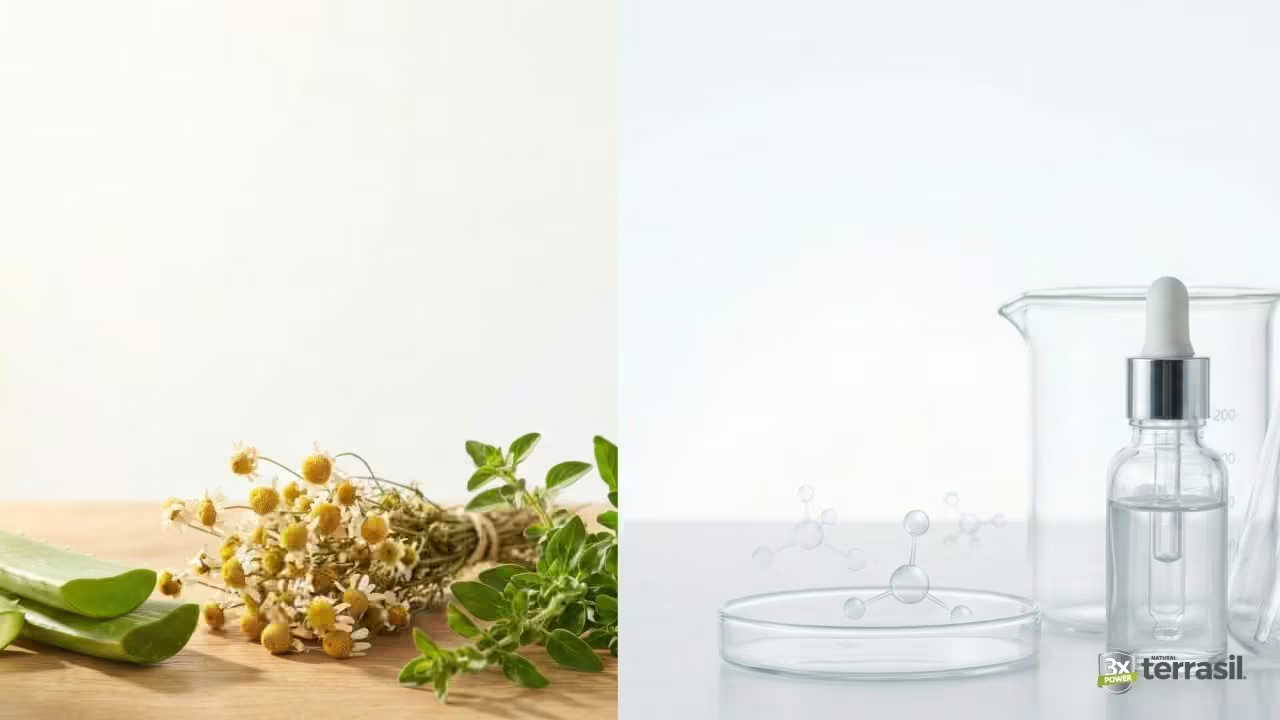
Natural ingredients vs chemicals

Not all OTC treatments are created equal. Here’s how common chemical approaches compare to more effective alternatives: 

Benzoyl Peroxide (Common OTC Choice) 

How it works: Generates oxygen to kill surface bacteria. 

The problem: Highly drying, can irritate sensitive skin, and with daily use over weeks can damage your skin barrier. People often report increased redness and peeling before any improvement. It’s aggressive—effective for some, but harsh on skin you’ll be treating repeatedly. 

Salicylic Acid (Acne-Based Approach) 

How it works: Exfoliates to unclog follicles. 

The problem: Also drying and can be irritating with frequent use. It’s designed for acne (clogged oil + bacteria), not folliculitis (infected/inflamed follicles). It addresses the symptom (bumps) but not the infection. 

Antibiotic Ointments Like Mupirocin or Neosporin® (Prescription/OTC) 

How it works: Kills bacteria directly. 

The problem: Effective short-term, but daily long-term use raises serious concerns about antibiotic resistance. You’re also not addressing inflammation or soothing discomfort. And these ointments don’t last long on skin—they absorb or wash away quickly. Not designed for ongoing daily use over weeks. 

Hydrocortisone Cream (Steroid) 

How it works: Reduces inflammation and itching. 

The problem: Steroid creams can thin skin with repeated use and don’t address the underlying infection. They’re meant for short-term symptom relief, not treatment. 

Natural Botanicals + Mineral Antiseptics (Better Approach) 

How it works: Soothing botanicals calm inflammation while natural minerals provide antimicrobial support without chemical aggression. 

The advantage: Gentle enough for daily use without damaging your skin barrier, effective for both bacterial and fungal folliculitis, reduces inflammation while supporting healing, and no risk of antibiotic resistance. Designed to work long-term. 

The chemicals above provide quick hits—they work fast but often at the cost of skin health. Natural alternatives work with your skin, not against it. 

Addressing Your Real Pain Points 

Woman's infected skin vs healed skin

Let’s talk about what actually matters to you: 

“I need to see improvement fast.” Consistency is everything. With the right ointment applied 2–3 times daily, most people notice visible improvement in redness and discomfort within days to a week. It’s not instant, but it’s not a months-long process either. 

“This is uncomfortable and embarrassing.” Folliculitis affects confidence. The right ointment reduces visible symptoms and soothes discomfort, which means you feel better faster and your skin looks better too. 

“This keeps coming back.” If you’re dealing with recurring folliculitis, prevention is just as important as treatment. Using a protective ointment regularly can help you avoid flare-ups and manage it before it becomes a problem. 

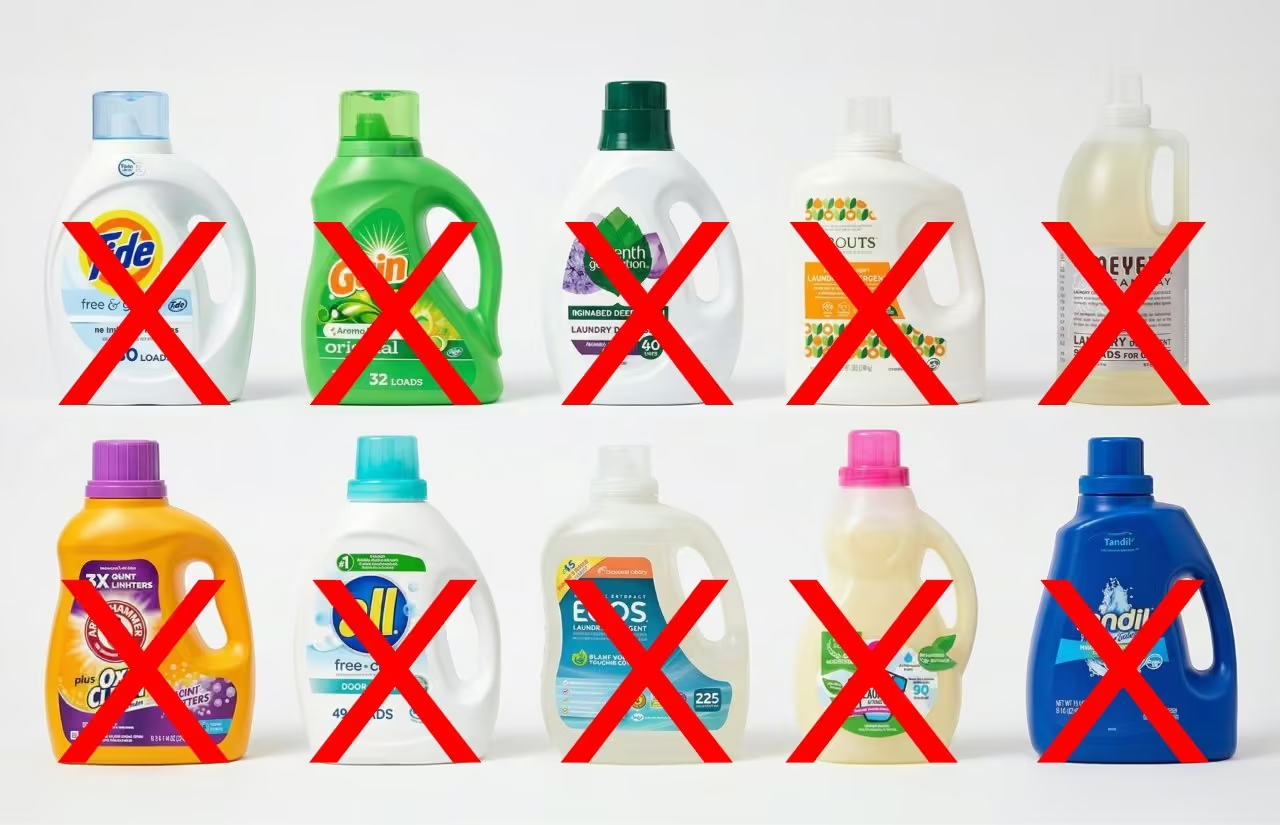
“Other products make it worse.” Sensitive skin needs gentle care. Look for ointments made with natural ingredients that soothe rather than strip or irritate—not harsh chemicals that promise results but damage your skin in the process. 

“I just want my skin back.” Clear skin brings confidence back. When you see improvement, everything changes—how you feel, what you wear, your whole approach to the day. 

Comparing OTC Folliculitis Treatment Options 

Feature
Terrasil®
Benzoyl Peroxide
Salicylic Acid
Antibiotic Ointment
Fast-Acting (No Sting) 
 
 
Reduces Visible Redness 


Long-Lasting on Skin 
 
Safe for Daily, Long-Term Use 
 
Natural/Botanical Ingredients 
Antimicrobial Support 


Won’t Damage Skin Barrier 
 
 
Designed Specifically for Folliculitis 
 

Why These Differences Matter: 

Benzoyl peroxide and salicylic acid products are drying and can irritate skin with repeated daily use, especially for sensitive skin. Antibiotic ointments work, but long-term daily use raises concerns about antibiotic resistance, and they don’t tend to last long on the skin. When you’re looking for an ointment that actually addresses folliculitis—something that’s soothing, protective, long-lasting, and safe for ongoing daily use—the options narrow quickly. 

What to Avoid When Treating Folliculitis 

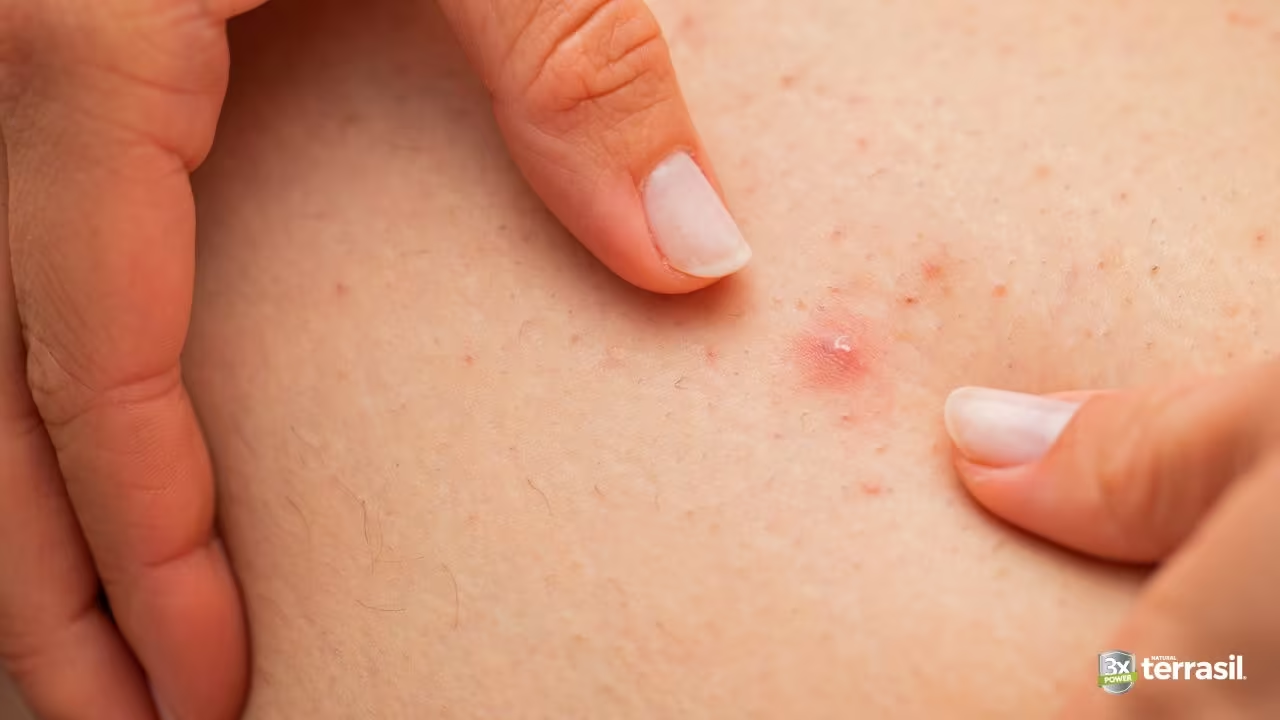
Do not pop folliculitis lesions

Just as important as knowing what to do is knowing what to avoid. These common mistakes can make folliculitis worse: 

Don’t Squeeze or Pick at Lesions 

 This spreads bacteria, increases inflammation, and leads to scarring. Let it heal on its own with proper treatment. 

Avoid Harsh Exfoliation 

 Vigorous scrubbing or exfoliating products irritate inflamed follicles further. Keep exfoliation gentle or skip it entirely while treating. 

Don’t Continue Shaving if Possible 

Shaving damages the skin barrier and exposes follicles to bacterial exposure. skip shaving while treating active folliculitis. When you do resume, use clean, sharp blades and shaving cream. 

Skip Tight Clothing 

 Tight clothes trap sweat and bacteria, creating the perfect environment for folliculitis to spread. Wear loose, breathable fabrics while treating. 

Don’t Over-Apply Products 

 Using too much ointment or applying products too frequently doesn’t speed up healing—it can actually irritate skin. Follow recommended application guidelines. 

Avoid Heavy, Occlusive Products 

 Greasy creams, thick oils, and heavy moisturizers trap bacteria and moisture. Stick to lightweight, breathable formulas designed for folliculitis. 

The Ointment That Checks All the Boxes 

Most folliculitis treatments excel in one or two areas. You’ll find products that reduce redness but irritate your skin. Others that soothe but don’t protect. Or ones that work but you can’t use daily without issues. 

Finding one that delivers on all four needs—soothing, protective, long-lasting, and safe for daily use—is surprisingly rare. 

That’s where Terrasil® Skin Repair enters the picture. It’s not the trendiest product. It’s not the cheapest. But it’s the one people actually stick with, reorder, and recommend to others dealing with similar skin challenges. 

Here’s what makes the difference: 

It’s designed specifically for this situation. Not for general skin irritation. Not for minor bumps. But for the exact challenge you’re facing: calming active folliculitis while protecting your skin and preventing it from coming back. 

What people notice: 

  • Visible improvement in redness and irritation within days to a week with consistent use 
  • It feels soothing when applied—no burn, no sting, no making it worse 
  • One tube or jar lasts weeks because the formula is concentrated; you use less per application 
  • Safe to use multiple times daily without worry about irritation or buildup 
  • Doctor-recommended and manufactured in an FDA-registered facility 
  • Backed by 15+ years of real-world use and feedback from people dealing with folliculitis 

The combination of soothing botanicals, protective minerals, and a formula built for daily, long-term use is what sets it apart. But the real proof is what happens when you use it consistently: you see results, your skin improves, and the frustration of managing folliculitis goes down. 

There’s also a 90-day money-back guarantee, which means you can try it completely risk-free. If it doesn’t deliver what you’re hoping for, you get your money back—no questions. 

Moving Forward with Confidence 

The best over-the-counter treatments to get rid of folliculitis aren’t complicated—they’re just consistent. It comes down to choosing an ointment that actually soothes and protects, using it every day, and giving your skin the time it needs to improve. 

Home remedies can offer temporary comfort, but they don’t have the staying power for lasting results. Chemical treatments work quickly but often come with irritation or long-term concerns. When you find a product designed specifically for folliculitis—one that’s gentle enough for daily use but powerful enough to address the infection and inflammation—everything changes. 

Dealing with folliculitis is frustrating. It affects how you feel about yourself and what you’re willing to wear or do. By choosing a product designed specifically for this challenge and committing to consistent use, you’re giving your skin real support. 

The right solution doesn’t have to be complex. It just has to work, feel good, and be something you’ll actually use every single day without stress or worry. 

Ready to get started? Browse Terrasil® Skin Repair or explore Subscribe & Save for ongoing skin management. 

Your clear skin is waiting. Give it the support it needs. 

Frequently Asked Questions 

Sources & Research 

  1. American Academy of Dermatology (AAD). Folliculitis: Overview and Management. AAD, 2023. 
  2. Centers for Disease Control and Prevention (CDC). Skin Infections: Prevention and Treatment Guidelines. CDC, 2022. 
  3. National Institutes of Health (NIH). Bacterial Skin Infections and OTC Treatment Options. NIH National Library of Medicine, 2021. 
  4. Wound, Ostomy and Continence Nurses Society (WOCN). Skin Integrity and Infection Prevention in At-Home Care. WOCN Journal, 2020. 
  5. Mayo Clinic. Folliculitis: Causes, Symptoms, and Treatment. Mayo Clinic, 2023. 
  6. Cleveland Clinic. Understanding Hair Follicle Inflammation and OTC Solutions. Cleveland Clinic, 2022. 

FDA Compliance Notice: This article is for educational purposes only and is not intended to diagnose, treat, cure, or prevent any disease. Terrasil® Skin Repair is an over-the-counter skin protectant and antiseptic ointment. Always follow product labeling and directions. If you have concerns about folliculitis or skin integrity, consult a healthcare provider. 

Best Ointment for Pressure Sores at Home: What Actually Helps Bed Sores Heal Faster

terrasil silver accent terrasil silver accent
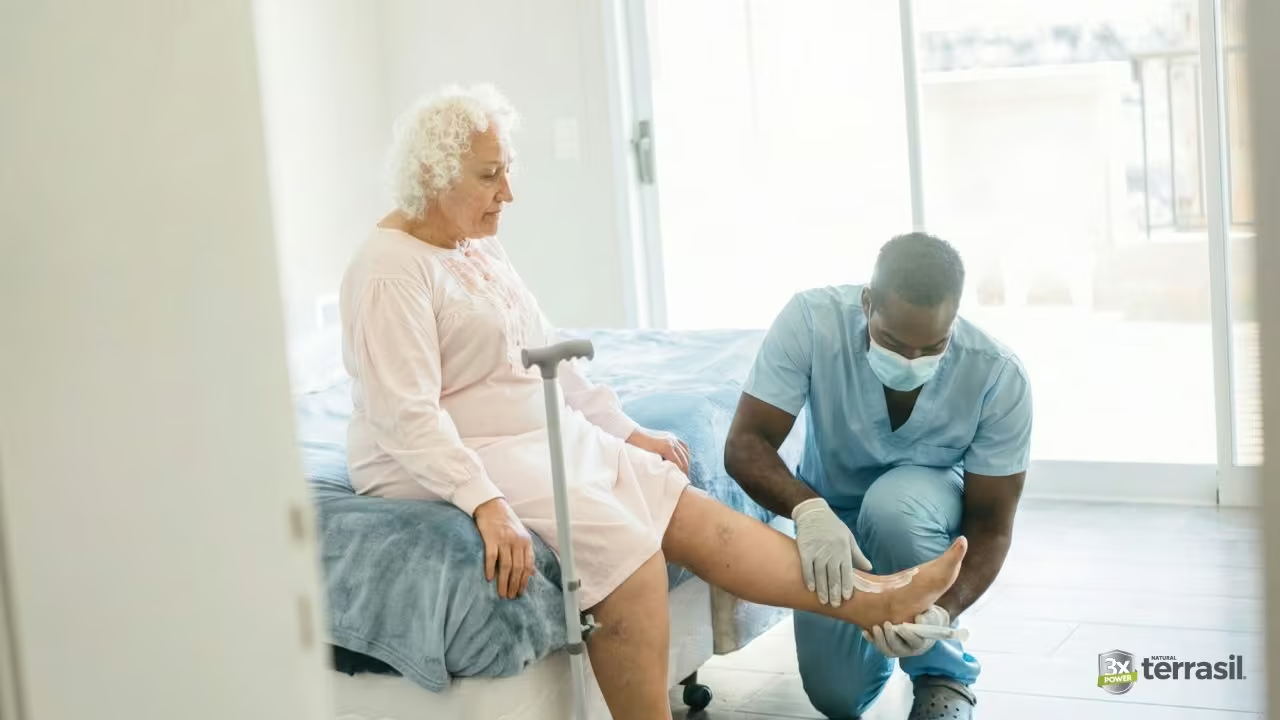
Nurse applying ointment to elderly patient

The Reality of At-Home Pressure Sore Care 

If you’re caring for someone with limited mobility—whether a parent, spouse, or family member—you know how quickly pressure sores can develop. What starts as redness can become a source of real discomfort and concern, sometimes in a matter of days. 

What actually helps bed sores heal faster? The answer isn’t complicated: the right ointment, used consistently. Specifically, an ointment that soothes without stinging, protects the skin barrier, lasts for hours between applications, and is gentle enough for daily use. Combined with proper positioning and regular skin checks, this combination makes all the difference. 

The emotional weight of managing pressure sores at home is real. You’re balancing comfort, prevention, and the stress of wondering if you’re doing enough. The good news? When you understand what pressure-prone skin actually needs—and find a product that delivers on all fronts—the healing process moves faster and caregiving becomes less stressful. 

This guide will help you understand what to actually look for in a pressure sore ointment, what the best options are, and how to choose one that fits your caregiving situation. 

Long Story, Short: Here’s What You Should Get (TLDR) 

What actually helps bed sores heal faster comes down to three things: 1) the right ointment that checks all the boxes (soothing, protective, long-lasting, safe for daily use), 2) consistent application, and 3) the peace of mind that comes from knowing you’re using a product specifically designed for this challenge. 

If you’re looking for an ointment that meets all six criteria—soothing, protective, long-lasting, safe for daily use, concentrated, and made with high-quality botanicals and Activated Minerals®—Terrasil® Bed Sore & Pressure Sore Relief is designed specifically for this type of at-home care.

Many caregivers choose subscription delivery simply for convenience, ensuring consistent access during ongoing care.

What Makes a Good Pressure Sore Ointment: 6 Things to Look For 

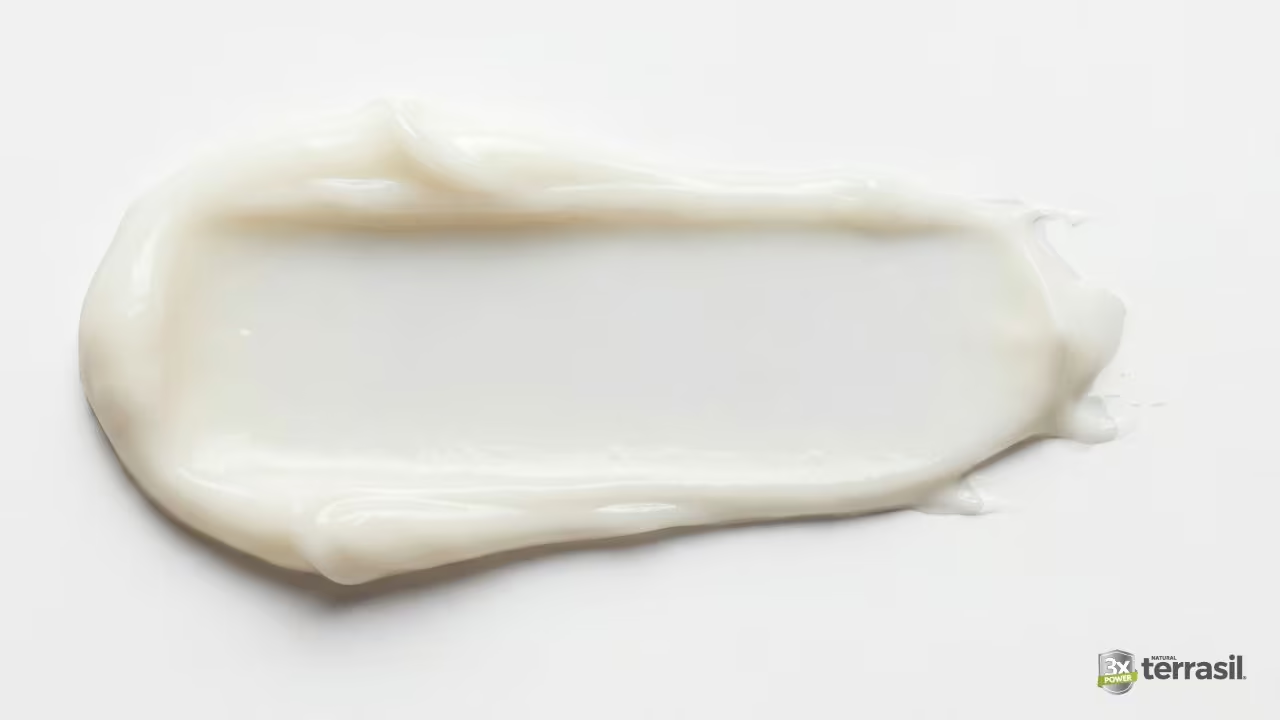
ointment example

Before we dive into specific products, let’s talk about what actually matters when you’re choosing an ointment. Your situation is unique, and the right solution should address real pain points: 

1. Works Fast Without Stinging 

When someone’s uncomfortable, they need relief—not more irritation. The ointment should feel soothing the moment it touches skin, not create a burning sensation that makes things worse. This matters for compliance too; if it hurts to apply, it won’t be used consistently. 

2. Brings Noticeable Comfort Quickly 

Pressure sores cause real pain and soreness that can affect appetite, sleep, and mood. You need an ointment that doesn’t just protect—it actively soothes visible redness, itching, and discomfort so the person feels better fast. 

3. Stays on the Skin (Long-Lasting) 

Creams disappear. Good ointments stick around, creating a protective barrier that lasts hours between applications. This means less frequent reapplication and better consistency of care—which is exactly what healing skin needs. 

4. Safe for Daily, Long-Term Use 

Pressure sores aren’t a one-week problem; they’re often an ongoing concern. Your ointment needs to be gentle enough to use multiple times daily without causing irritation, drying out skin, or building up harmful residue. 

5. Concentrated Formula (A Little Goes a Long Way) 

You’re already managing a lot. An ointment that’s potent means you use less product per application, stretching your supply further and saving money in the long run. This is especially important if you’re managing multiple pressure-prone areas. 

6. Made with Quality Ingredients That Support Natural Healing 

Because of how often you’re applying this ointment, it should actually be good for skin. Look for botanical ingredients and minerals that soothe, protect, and support your body’s natural renewal process—not just synthetic fillers. 

When you find an ointment that checks all six boxes, you’ve found your answer. 

4 Things to Look for When Buying for Pressure-Prone Skin 

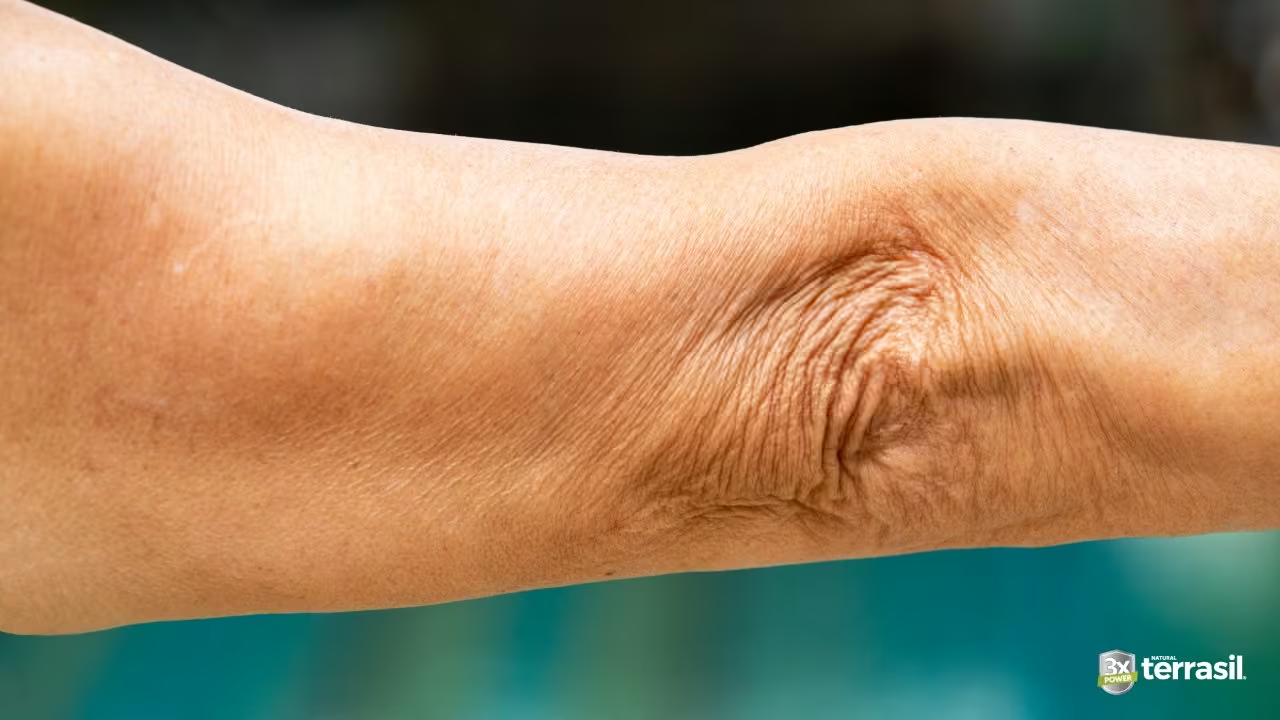
Close-up of elbow

1. A Real Barrier That Actually Sticks 

Your skin needs protection from friction and moisture exposure. The ointment should create a barrier that doesn’t wash away immediately or disappear into the skin within minutes. It needs to stay put and keep doing its job for hours. 

2. Antimicrobial or Antiseptic Support 

This doesn’t mean antibiotic (which comes with its own issues when used long-term). Look for ointments with natural antiseptic ingredients or minerals that help your body’s natural defenses work better. Think botanicals and minerals, not harsh chemicals. 

3. Soothing, Not Stripping 

The goal is to calm irritation and redness, not dry out the skin or leave it feeling tight. Your ointment should feel nourishing—like it’s actually helping the skin feel better, not just sitting on top of it. 

4. Ingredients You’d Actually Put on Your Own Skin 

If you wouldn’t use it on yourself regularly, you probably shouldn’t be using it on someone else regularly. Look for transparent ingredient lists and minimal synthetic fillers. You’re applying this daily, sometimes multiple times a day. Quality matters. 

Comparing OTC Pressure Sore Ointment Options 

Feature
Terrasil®
Neosporin®
Eucerin®
Aquaphor®
Fast-Acting (No sting)
Reduces Visible Redness
Lasts Long on Skin
Safe for Daily, Long-Term Use
Concentrated Formula
Natural/Botanical Ingredients
Antiseptic Support
Designed Specifically for Pressure Sores

Why the Differences Matter: 

 Traditional antibiotic ointments like Neosporin® can sting and aren’t formulated for long-term daily use. Basic barrier creams like Eucerin® protect but lack antimicrobial support. Aquaphor® is gentle and long-lasting but doesn’t actively soothe irritation. When you’re looking for an ointment that truly addresses pressure sore care—something that’s soothing, protective, and safe for ongoing use—the options narrow pretty quickly. 

What to Look for in an At-Home Pressure Sore Ointment 

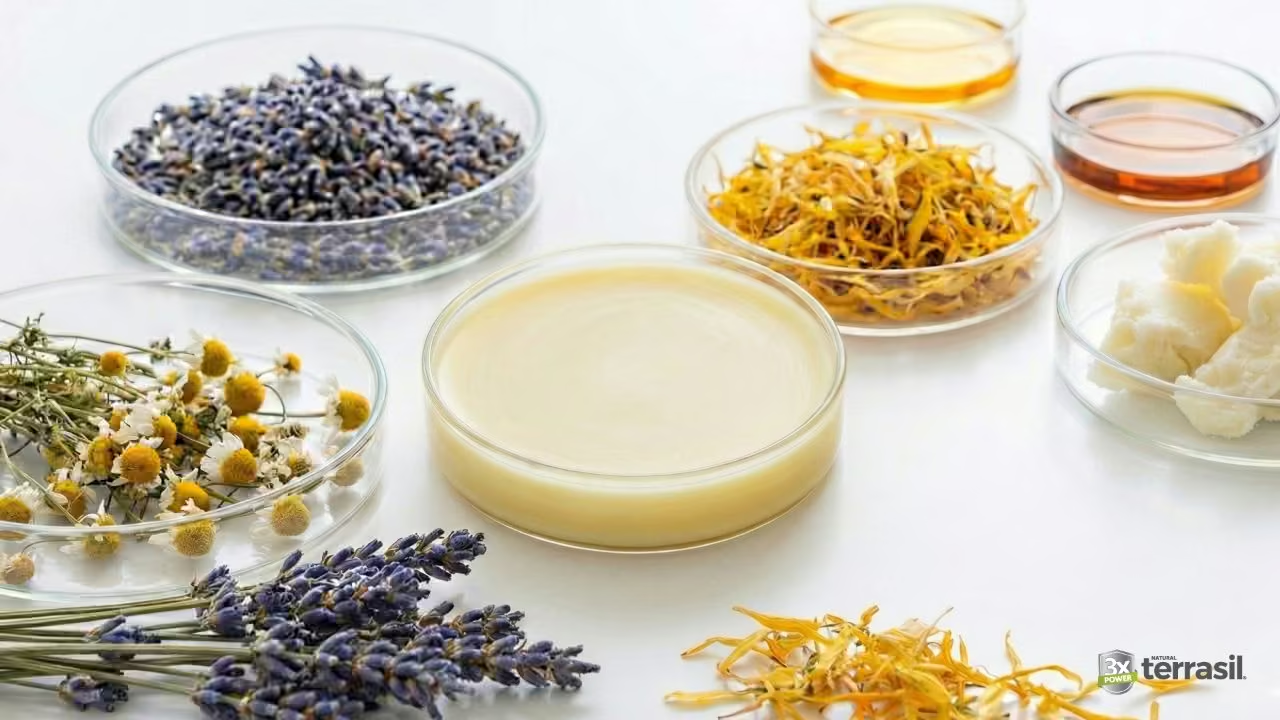
Assorted ingredients in glass containers

When evaluating OTC ointments for pressure sore care, prioritize these qualities: 

  • Skin Protectant Ingredient (e.g., Allantoin or Zinc Oxide) — creates a protective barrier and supports skin renewal 
  • Antimicrobial or Antiseptic Support — naturally helps with skin health without harsh chemicals 
  • Soothing Botanicals — ingredients that calm irritation and redness 
  • Formula for Long-Term Use — free of harsh preservatives, dyes, and artificial fragrances that can irritate sensitive skin with repeated application 
  • Clean, Transparent Ingredient List — you should understand what you’re putting on skin day after day 
  • Proven Track Record — look for brands backed by research and real caregiver experience 

The Ointment That Actually Does All Six Things 

Man applying terrasil® ointment

Most ointments excel in one or two areas. Finding one that checks all the boxes—especially when you’re applying it daily for weeks or months—is rare. 

That’s where Terrasil® Bed Sore & Pressure Sore Relief enters the picture. It’s not the newest product on the shelf. It’s not the cheapest. But it’s the one that caregivers actually stick with, the one they reorder, and the one they recommend to other people managing pressure sores at home. 

Here’s what makes the difference: 

It’s designed specifically for this situation. Not for general wound care. Not for minor scrapes. But for the exact challenge you’re facing: protecting pressure-prone skin while supporting comfort and healing over weeks and months. 

What caregivers notice: 

  • Visible improvement in redness and discomfort within days to a week of consistent use 
  • It actually feels soothing when you apply it (no sting, no irritation) 
  • One jar or tube lasts weeks because the formula is concentrated—you use less per application 
  • It’s safe to use repeatedly without worrying about buildup or skin damage 
  • Doctor-recommended and manufactured in an FDA-registered facility 
  • Backed by 15+ years of real-world use and caregiver feedback 

The combination of natural botanicals, targeted minerals, and a formula that was built for long-term daily use is what sets it apart. But the real proof is in what happens when you use it consistently: caregivers see results, skin improves, and the stress of managing pressure sores at home goes down. 

There’s also a 90-day money-back guarantee, which means you can try it completely risk-free. If it doesn’t deliver what you’re hoping for, you get your money back. 

Subscribe & Save: Make Daily Care Easier 

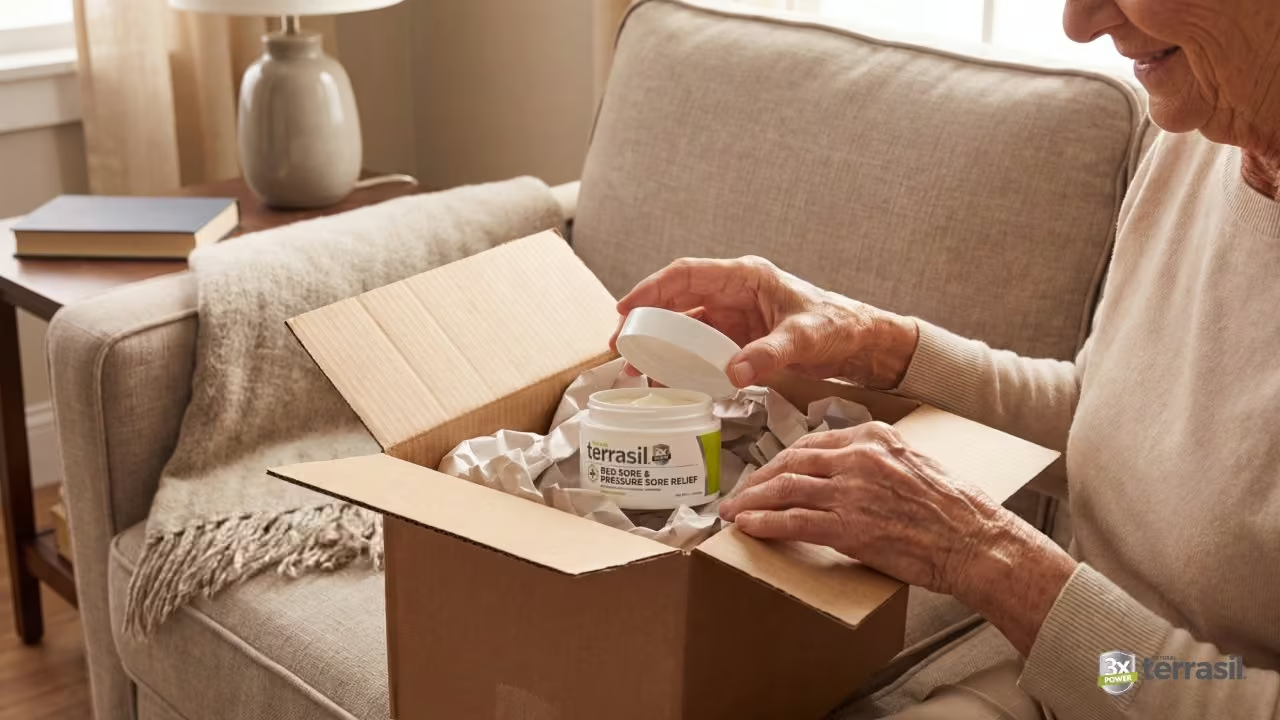
Opening a box and jar of terrasil® ointment

Chronic skin challenges require ongoing prevention and protection. Running out of supplies interrupts consistency, which is essential for pressure-prone skin. This is where Subscribe & Save makes real sense for your situation. 

Terrasil’s Subscribe & Save program offers: 

  • 10%+ automatic savings on every delivery 
  • Flexible delivery schedules that match your routine 
  • Ability to pause, skip, or cancel anytime—no commitment 
  • Reliable supply so you never run out of supportive care 

Choosing the Right Size 

Not sure which size works best for you? It depends on your specific situation: 

1.55 oz (44 gram) jar — Ideal for early-stage redness, small areas, or occasional use. Good if you’re just starting preventative care or managing one pressure-prone area. 

3 oz (85 gram) tube — Designed for larger areas or long-term caregiving routines. If bed sores are a chronic concern, this is your best value. The concentrated formula means a little goes a long way, and with auto-delivery, you’ll always have supportive care for pressure-prone skin within reach. 

Our recommendation: If you’re managing ongoing pressure sores or limited mobility situations, subscribe and save 10% on auto-delivery of the 3 oz tube. You get the best value, and you’ll never wonder if you have enough on hand. With auto-delivery, you can change, pause, or cancel at any time—no questions asked. 

Moving Forward with Confidence 

Caring for someone with pressure sores is an act of dedication. By choosing an ointment that delivers on all fronts and using it consistently, you’re giving that person’s skin the support it needs to improve and stay healthy. 

The right solution doesn’t have to be complicated. It just has to work, feel good, and be something you’ll actually use every single day without stress or concern. 

Ready to get started? Browse Terrasil® Pressure Sore Relief or explore Subscribe & Save for ongoing care. 

You’re doing the right thing. Now give yourself the right ointment. 

Frequently Asked Questions 

Sources & Research 

  1. National Pressure Injury Advisory Panel (NPIAP). Pressure Injury Prevention and Treatment: Clinical Practice Guideline. NPIAP, 2019. 
  2. Wound, Ostomy and Continence Nurses Society (WOCN). Guideline for Management of Pressure Ulcers (Injuries). WOCN Journal, 2016. 
  3. American Academy of Dermatology. Skin Conditions: Wound Care. AAD, 2023. 
  4. Agency for Healthcare Research and Quality (AHRQ). Prevention and Management of Pressure Ulcers in Primary and Secondary Care. AHRQ, 2015. 
  5. International Wound Infection Institute. Wound Infection in Clinical Practice. IWII, 2016. 
  6. American Hospital Association. Pressure Ulcer Prevention in Long-Term Care Settings. AHA, 2020. 

FDA Compliance Notice: This article is for educational purposes only and is not intended to diagnose, treat, cure, or prevent any disease. Terrasil® Bed Sore & Pressure Sore Relief is an over-the-counter skin protectant and antiseptic ointment. Always follow product labeling and directions. If you have concerns about pressure sores or skin integrity, consult a healthcare provider. 

Best Ointment for Slow-Healing Wounds: What to Use When Standard Antibiotics Aren’t Enough

terrasil silver accent terrasil silver accent
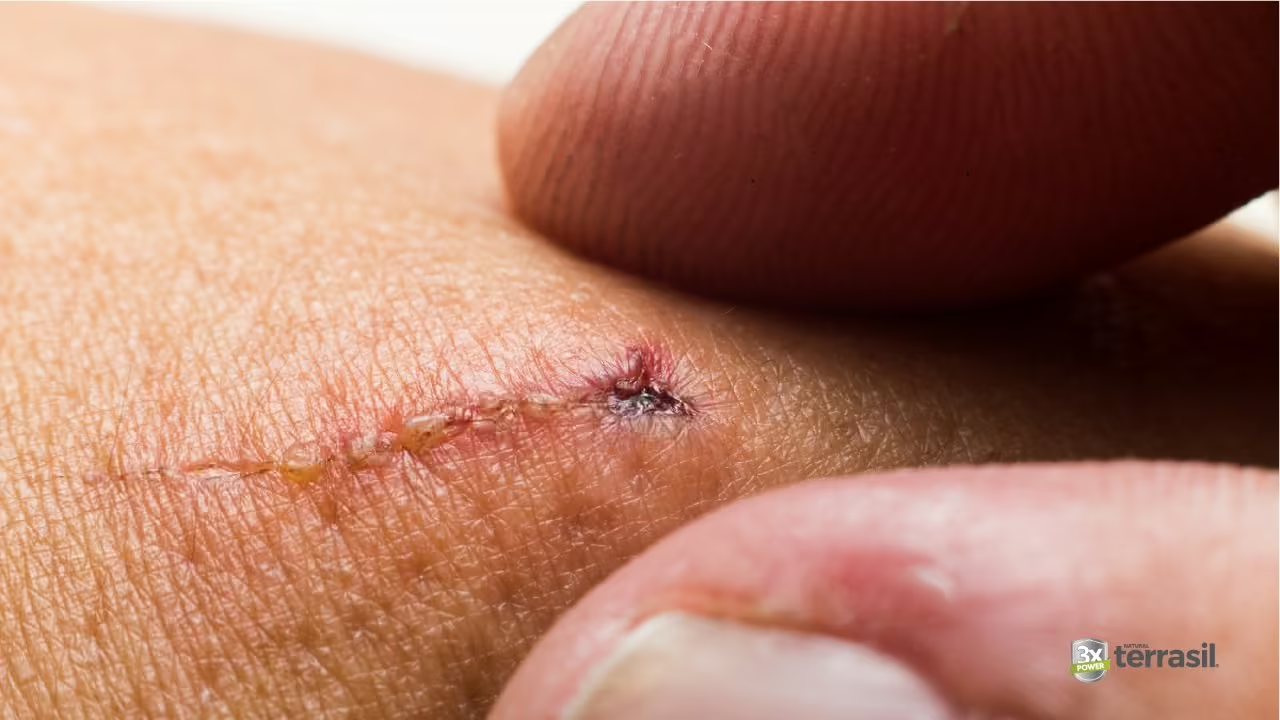
applying ointment to wound on hand

Introduction

You’ve been treating that wound for weeks. You cleaned it, applied antibiotic ointment as directed, changed the bandage regularly. All the right moves. But it’s still not healing the way it should. Maybe it looks better for a day or two, then gets worse again. Maybe it’s just… stalled.

This is more common than you think. And here’s what most people don’t realize: sometimes the best ointment for a slow-healing wound isn’t another antibiotic. It’s something completely different.

If you’re dealing with a wound that won’t heal, keeps reopening, or hasn’t improved despite standard antibiotic ointments, you’re not alone—and you have better options. This guide walks you through exactly why some wounds heal slowly, why traditional antibiotics might not be your best bet for ongoing use, and what to look for in an ointment that actually supports your skin’s natural healing process.

Spoiler: The best option combines non-antibiotic antimicrobial support, high-quality natural ingredients (like Calendula), patented Activated Minerals® that boost your skin’s own healing power, and a formula designed for repeated use without irritation. We’ll show you why this approach is your answer when standard antibiotics fall short.

Why Some Wounds Heal Slowly (And It’s Not Always About Infection)

Before we talk about solutions, let’s understand the problem. Most people assume slow-healing wounds are infected and need stronger antibiotics. But that’s not always—or even usually—the case.¹

Wounds can stall for lots of reasons that have nothing to do with needing more antibiotics:

Repeated pressure or friction. If you keep reopening the wound (even slightly) by bending the area, bumping it, or wearing tight bandages, you’re restarting the healing clock every time.¹ Your skin never gets a chance to fully recover.

Inadequate or inconsistent cleansing. Bacteria and dead skin cells accumulate on wound surfaces, slowing healing. But here’s the catch: harsh cleansing with strong soaps or repeated hydrogen peroxide can actually irritate the wound and make it worse.¹ You need gentle cleansing, not aggressive.

Persistent low-level surface bacteria. Even without full infection, bacteria on the wound surface can slow healing. Standard antibiotic ointments are designed to kill bacteria fast, but they’re not designed to maintain a clean, supportive healing environment over weeks or months of repeated use.¹

Overuse of antibiotic ointments causes irritation. This is the big one most people miss. Using the same antibiotic ointment repeatedly—especially for weeks—can actually irritate your skin, damage the skin barrier, and slow healing. Your skin gets sensitized to the product, and it stops being effective.¹ ²

A compromised skin barrier. Sometimes the wound isn’t the main problem—it’s the surrounding skin. If your skin barrier is damaged, irritated, or overly dry, it can’t repair itself efficiently. The wound stays vulnerable.¹

Inadequate moisture balance. Wounds need moisture to heal, but too much creates a breeding ground for bacteria. Too little and the skin cracks and dries out. Many standard ointments don’t create this balanced environment—they just dry out or create a barrier without actively supporting skin repair.¹

The good news? Once you understand what’s actually slowing your wound, you can address it with the right product and routine.

Why Traditional Antibiotic Ointments Aren’t Ideal for Ongoing Use

Let’s talk about antibiotic ointments honestly. They have a purpose, and they work—but mainly for short-term, acute wounds.

They’re designed for short-term use. Most antibiotic ointments (like neomycin, bacitracin, or polymyxin B) are meant to be used for a few days to a week or two, not indefinitely. They’re your first line of defense when bacteria are the immediate concern.¹

They don’t support skin barrier repair. Antibiotics kill bacteria, which is great. But they don’t do much to help your skin actually heal. They don’t moisturize, they don’t support collagen production, and they don’t address the underlying damage that’s keeping the wound stuck.¹

Repeated use can cause irritation and sensitivity. Over time, even “gentle” antibiotic ointments can irritate your skin, especially if you’re applying them for weeks. You might develop contact dermatitis, sensitivity, or your skin might just stop responding to the product.¹ ²

There’s no active barrier support. Many antibiotic ointments create a seal but don’t actively work to restore your skin’s natural protective barrier. Once you stop using them, your skin is back where it started—vulnerable and struggling to heal on its own.

They don’t address the root cause of slow healing. If your wound is stalling because of a compromised skin barrier, poor moisture balance, or chronic irritation—not because of active infection—an antibiotic just won’t help. You need something that actually supports repair.

This isn’t a criticism of antibiotics—they’re valuable for what they’re designed to do. But for slow-healing wounds that won’t respond, or for ongoing skin support over weeks and months, they’re not the answer.

What You Actually Need: The Best Ointment for Slow-Healing Wounds

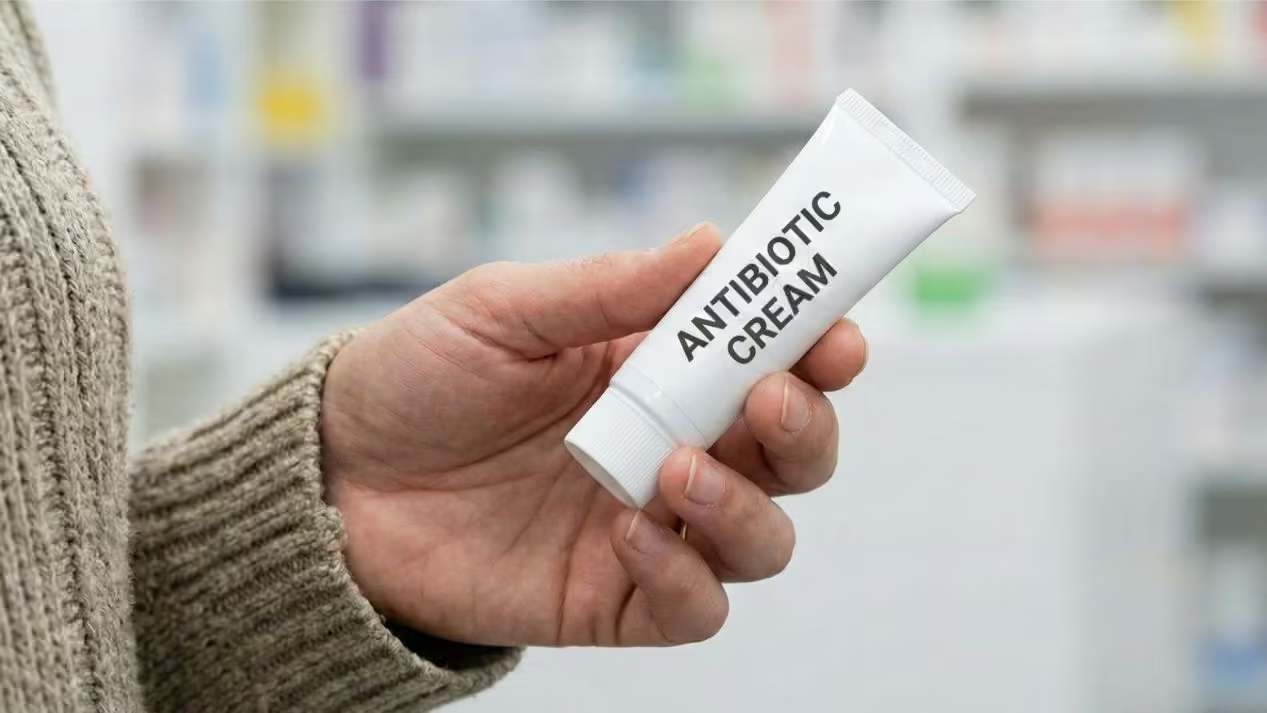
tube of generic antibiotic cream

If antibiotics aren’t ideal for long-term use, what should you look for instead?

The best ointment for slow-healing wounds combines several key qualities:

Non-antibiotic antimicrobial support.¹ You still want to help reduce the risk of surface bacteria, but without the irritation and resistance concerns of antibiotics. Natural antimicrobials like Calendula and Thuja work differently—they support a clean environment without sensitizing your skin.

High-quality, targeted natural ingredients. Not all “natural” is created equal. You need ingredients specifically chosen for their proven nurturing, moisturizing, and protective benefits—not just trendy botanicals. Calendula has centuries of use for skin support; Thuja is known for its soothing properties. These aren’t random; they’re targeted.

Patented Activated Minerals® technology.² ³ This is where terrasil® stands apart. Activated Minerals® (a proprietary blend including Magnesium Oxide, Silver Oxide, and Zinc Oxide) work synergistically to support your skin’s natural healing process at a cellular level. They don’t just sit on the surface—they actively support your body’s own repair mechanisms. This is why terrasil® users see faster, more sustained healing than with standard ointments.

A formula designed for repeated, daily use. The best slow-healing wound ointment won’t irritate your skin after weeks of use. It should feel like self-care, not treatment. It should support your skin barrier instead of damaging it.

Moisture balance without excess occlusion. You need an ointment that maintains the right level of moisture—enough to support healing, not so much that it traps bacteria or creates a waterlogged environment.

A system, not just one product. Cleansing matters as much as the ointment itself. A complete routine using a gentle cleanser, protective ointment, and supportive care beats any single product used in isolation.

This is exactly what you get with terrasil® Infection Protection Wound Care Ointment—and why it’s the best choice when standard antibiotics fall short.

The 5 Mistakes That Keep Slow-Healing Wounds Stuck

Here’s what I wish people knew before they spend weeks fighting with a wound that won’t heal. These mistakes are so common, and they all have the same result: a wound that stays stuck instead of progressing.

Mistake #1: Switching Ointments Too Frequently

You’ve been using antibiotic ointment for a week and it’s not perfect yet, so you switch to something else. Then after a few days of that, you try a third option. Sound familiar?

Here’s what happens: your skin never settles into a healing rhythm. Every time you introduce a new product, your skin has to adjust. Bacteria have to adjust. The healing environment resets. You’re essentially starting over each time.¹

Slow-healing wounds need consistency. Your skin needs weeks—not days—of the same supportive routine to actually repair itself. This is why terrasil® works so well: it’s designed to be used consistently over time, and the longer you use it, the better your skin responds.

The fix: Pick the right ointment and commit to it for at least 2–3 weeks. Give your skin time to settle and actually heal.

Mistake #2: Over-Cleansing or Using Harsh Cleansers

You’re trying to keep the wound clean, so you wash it multiple times a day with strong soap or antibacterial scrubs. You might even use hydrogen peroxide repeatedly, thinking it’s helping.

What you’re actually doing: disrupting your wound environment and irritating your skin barrier further.¹ ² Harsh cleansing strips away protective oils, kills beneficial bacteria that support healing, and creates micro-tears in delicate new skin. Over time, your skin becomes more irritated, not less.

The fix: Cleanse gently, once or twice daily, using a mild cleanser. It removes surface bacteria and dead skin without stripping or irritating. Then apply your protective ointment immediately after.

Mistake #3: Not Protecting the Wound Between Cleansing and Ointment Application

You clean the wound and let it air-dry for hours before applying ointment. Or you clean it, apply ointment, but don’t cover it properly.

Here’s the problem: exposed wounds pick up bacteria and contaminants from the air, from your hands, from your environment.¹ If there’s a gap between cleansing and protection, you’re undoing the work.

The fix: Cleanse, pat dry immediately, apply your protective ointment right away, and cover with a clean bandage. The goal is to create a protected, clean environment that supports healing—not to “let it air out.”

Mistake #4: Using Too Much Ointment (Or Too Little)

Apply too much and you trap excess moisture, creating an environment where bacteria thrive. Apply too little and you don’t get the full protective and healing benefits.

The “too much” mistake is especially common because people think more product = faster healing. Nope. A thin, even layer is all you need.

The fix: Use a thin layer of your chosen ointment—about the size of a pea for a small wound, a dime for a larger area. It should absorb within a few minutes and feel mostly dry to the touch. If it’s still slick after 5 minutes, you’ve used too much. Gently wipe off the excess with clean gauze.

Mistake #5: Neglecting the Surrounding Skin

You’re so focused on the wound itself that you ignore the skin around it. That skin is often irritated, dry, and compromised—which actually slows the wound’s healing.

If the surrounding skin is damaged, your body is fighting multiple healing battles at once. The wound can’t progress efficiently because the foundation it’s trying to repair from is weak.¹

The fix: Apply your ointment not just to the wound, but to the surrounding skin as well. Support the whole area, not just the center. This is important because it addresses the foundation your wound is trying to heal from.

Why Non-Antibiotic Approach Is Different (And Better for Ongoing Wound Support)

Okay, let’s talk about why a non-antibiotic, science-backed approach is the best answer for slow-healing wounds—and why it’s different from what most people try.

There are plenty of “natural” wound products. Some are okay. Most are pretty basic—they moisturize and maybe have one beneficial ingredient. But they miss the bigger picture of what slow-healing wounds actually need.

The best approach is built on three core pillars:

Pillar 1: Patented Activated Minerals® Technology²

This is a proprietary blend—something you won’t find in most natural wound products. Activated Minerals® combine Magnesium Oxide, Silver Oxide, and Zinc Oxide in a specifically formulated blend designed to help protect skin and support a healthy healing environment.³

Here’s how it works: these minerals work together to help maintain optimal conditions for your skin’s natural recovery process. Silver Oxide is recognized for its antimicrobial properties; Zinc helps support skin health and comfort; Magnesium contributes to the formula’s protective benefits.³

This is why products with Activated Minerals® technology work effectively for slow-healing wounds. You’re not just protecting the wound—you’re supporting your skin with multiple layers of protective benefits.

Pillar 2: High-Quality, Targeted Natural Ingredients³

The best wound ointments use Calendula and Thuja—not because they sound good on a label, but because they’re specifically proven to help soothe skin and maintain comfort. These aren’t trendy add-ons; they’re the core of an effective formula.

Calendula has been used for centuries to help soothe and maintain skin comfort. It’s a natural botanical chosen specifically for its gentle, supportive properties.³

Thuja is known for its soothing properties. Together with Calendula, these botanicals help create an environment where your skin can maintain its comfort instead of being stuck in a cycle of irritation.

The key difference: many products throw in a bunch of ingredients because they sound good. The best formulas choose specific ingredients for their proven, targeted benefits. Quality over quantity.

Pillar 3: A Formula Designed for Repeated, Consistent Use

Many ointments—even good ones—can irritate your skin if you use them for weeks. The best non-antibiotic formulas are specifically created to be gentle enough for daily use without sensitizing your skin or disrupting your skin’s natural moisture barrier.¹ ²

This matters enormously for slow-healing wounds. You’re not looking for a one-time fix; you’re looking for something you can use consistently for weeks or months while your skin recovers. A properly formulated approach is built for that reality.

The Complete System: Cleanse + Protect + Repair

The best ointment is only part of the equation. Slow-healing wounds need a system—a complete routine that works together to support healing.

This is why combining a protective ointment with the right cleanser matters: what you use to cleanse affects how well the ointment works.

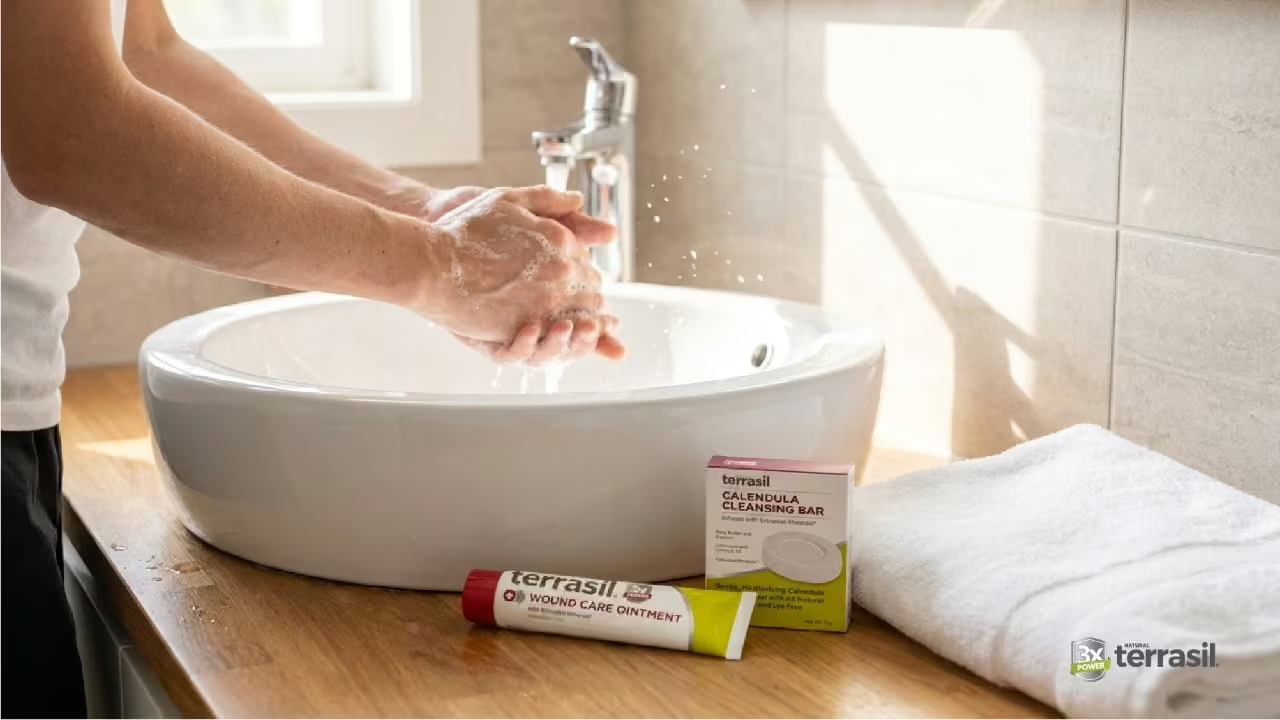
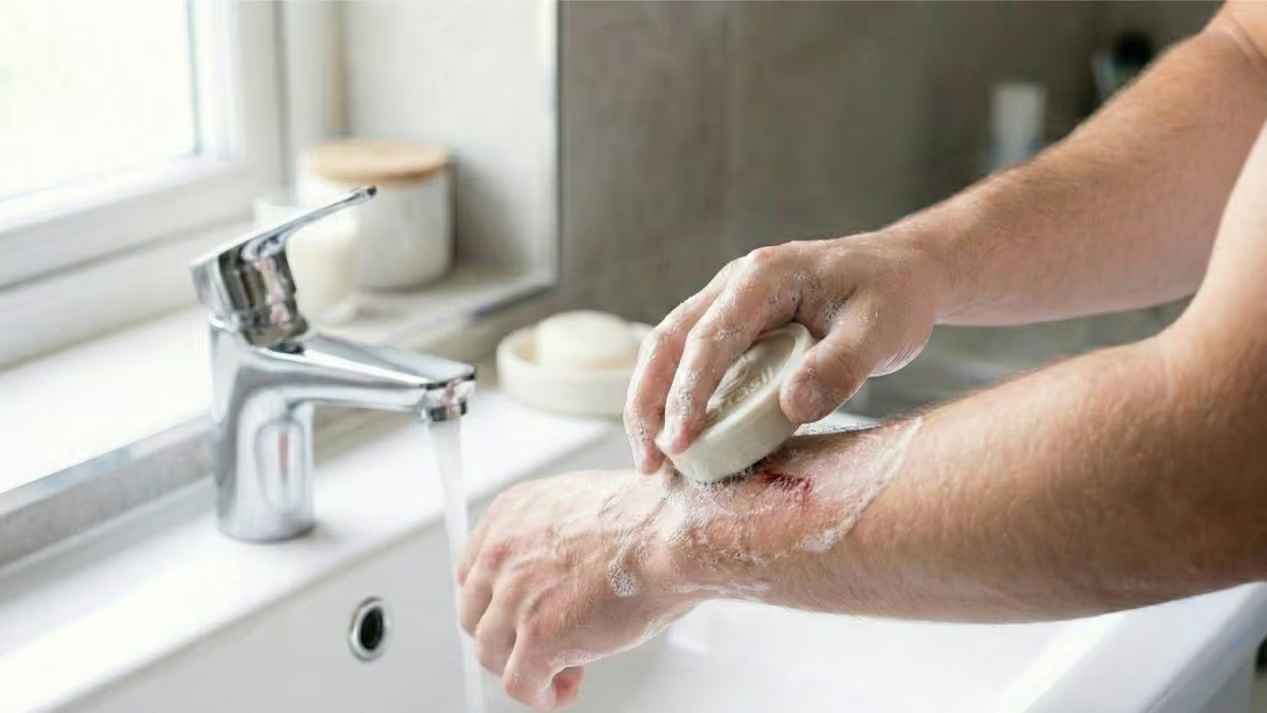
Step 1: Cleanse Gently

man washing cleaning arm wound with terrasil soap

Use a gentle cleanser with Calendula to gently clean the wound and surrounding skin. Warm (not hot) water, gentle soap, no scrubbing. Calendula helps soothe while you cleanse, so you’re supporting healing even during the cleaning step.

Rinse thoroughly and pat dry with clean gauze or a soft towel.

For a more detailed, step-by-step home routine, see our guide on how to treat an infected wound at home.

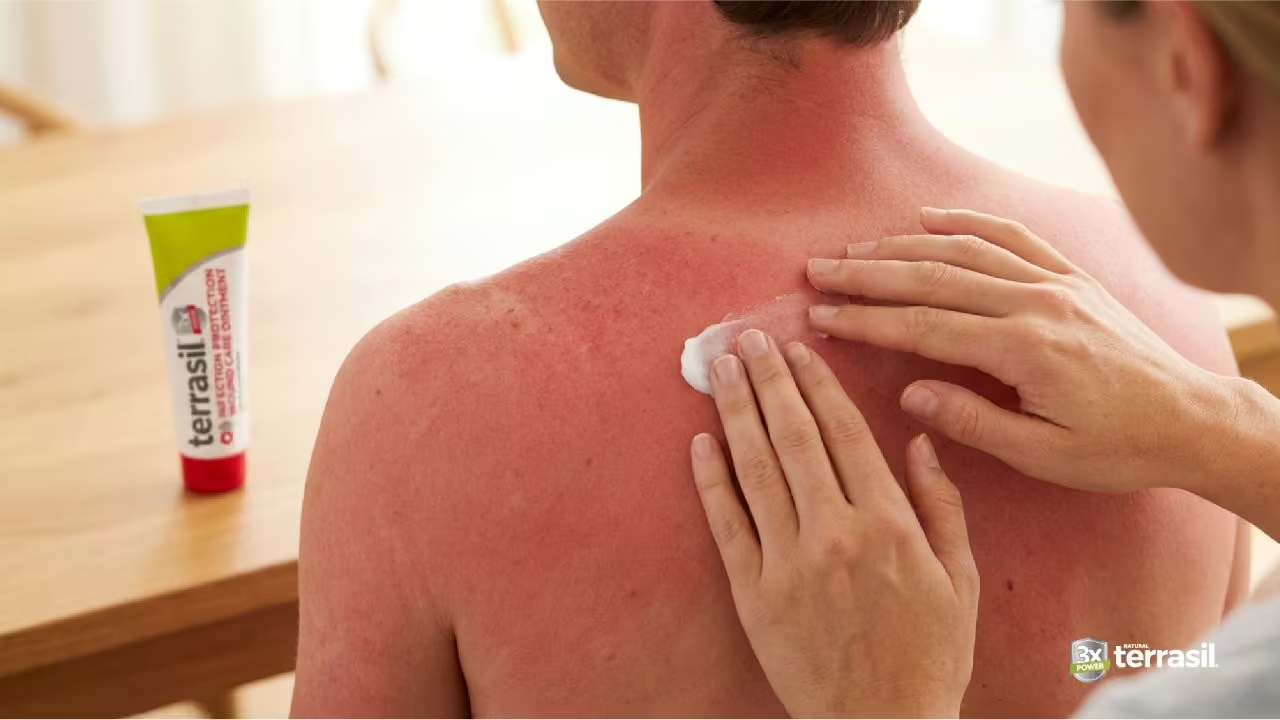
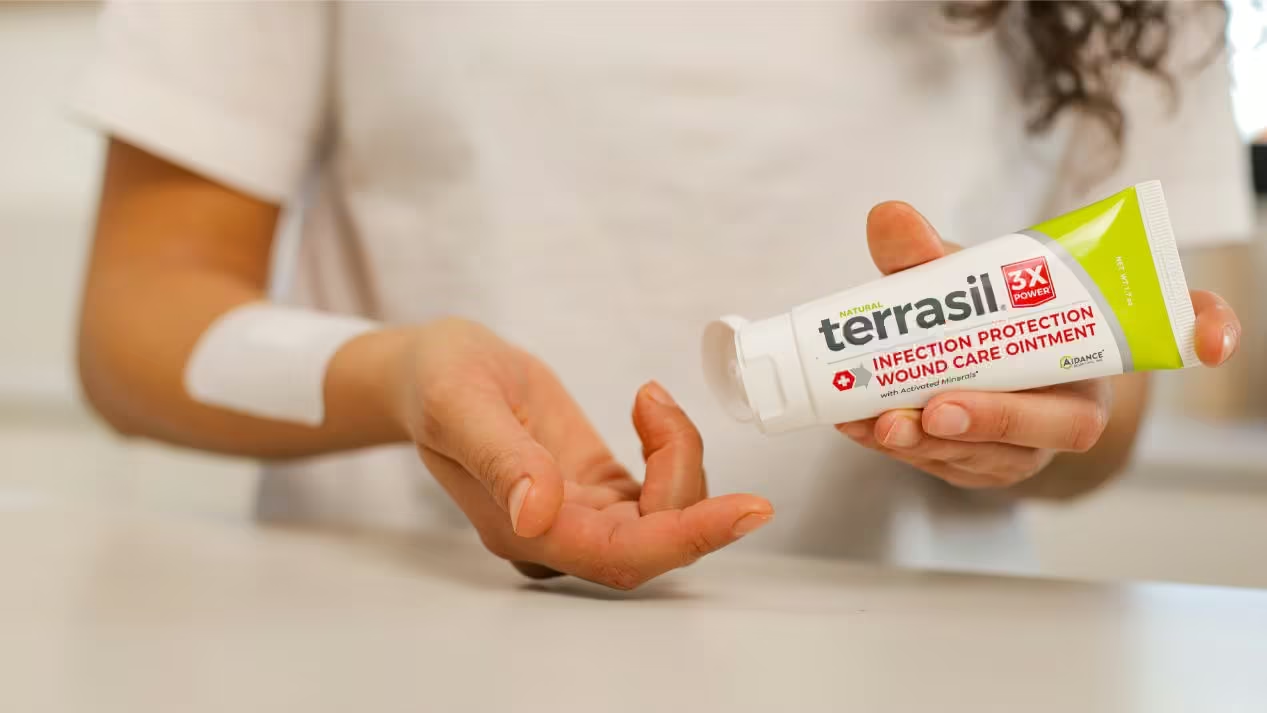
Step 2: Protect Immediately

woman applying terrasil wound care ointment

Apply a thin layer of a non-antibiotic, mineral-enhanced ointment to the wound and surrounding skin. This is where Activated Minerals® and natural botanicals get to work—supporting your skin’s natural healing while maintaining a clean, protected environment.

Cover with a clean bandage to keep it protected between applications.

Step 3: Maintain Consistency

Repeat this routine once or twice daily, depending on the wound’s severity. The key is consistency. Your skin needs regular, reliable support to progress from a slow-healing wound to healthy, intact skin.

Most people notice visible improvement within a few days to a week of this routine, especially if they’ve been stuck with a slow-healing wound for weeks prior.

Non-Antibiotic Wound Care vs. Traditional Antibiotic Ointments: The Comparison

Factor 
Terrasil® 
Traditional Antibiotic Ointments
Designed for
Long-term, ongoing wound support
Short-term, acute infection prevention
Active healing support
Yes—Activated Minerals® and Calendula actively support repair
No—mainly barrier and antibacterial protection
Safe for repeated, extended use
Yes—formulated to be gentle over weeks/months
Limited—can cause irritation or sensitivity with prolonged use
Supports skin barrier repair
Yes—specifically targets barrier restoration
No—focuses on infection prevention, not repair
Natural, high-quality ingredients
Yes—Calendula, Thuja, Activated Minerals®
No—synthetic compounds
Risk of bacterial resistance
Minimal—works with skin’s natural processes¹
Higher with repeated use over time¹
Maintains healing environment
Yes—balanced moisture and antimicrobial support
No—primarily antimicrobial focus
Suitable for sensitive or compromised skin
Yes—gentle, supportive formula
Often causes irritation with extended use
Cost-effective for ongoing care
Yes—works over time, less frequent replacement
Higher over time due to repeated reapplication ineffectiveness

Frequently Asked Questions

The Bottom Line

If you’re stuck with a slow-healing wound, the best ointment isn’t necessarily the strongest antibiotic or the trendiest natural product. It’s one that’s actually designed for long-term support—that combines non-antibiotic antimicrobial benefits with active healing support, high-quality natural ingredients, and a formula gentle enough for weeks of consistent use.

Terrasil’s non-antibiotic approach with patented Activated Minerals® technology is built exactly for this. With minerals that actively support your skin’s natural healing, targeted botanical ingredients like Calendula and Thuja, and a formula safe for ongoing use, it addresses the root causes of slow healing—not just the symptoms.

Pair it with a gentle Calendula-based soap cleanser for a complete system, use it consistently together, and you’ll likely see the results that standard antibiotics never delivered.

Your skin has the power to heal. Sometimes it just needs the right support to get there.

References

  1. National Institutes of Health (NIH). “Factors Affecting Wound Healing and Chronic Wound Management.” Available at: https://www.nih.gov
  2. Journal of Wound Care. “Non-Antibiotic Approaches to Topical Wound Support and Healing.” Available at: https://www.journalofwoundcare.com
  3. International Journal of Dermatology. “Natural Botanicals and Mineral-Based Formulations for Skin Repair and Barrier Support.” Available at: https://www.ijdermatology.com
  4. Mayo Clinic. “Wound Care: How to Care for Slow-Healing Wounds.” Available at: https://www.mayoclinic.org

How to Treat and Prevent Bed Sores Naturally

terrasil silver accent terrasil silver accent
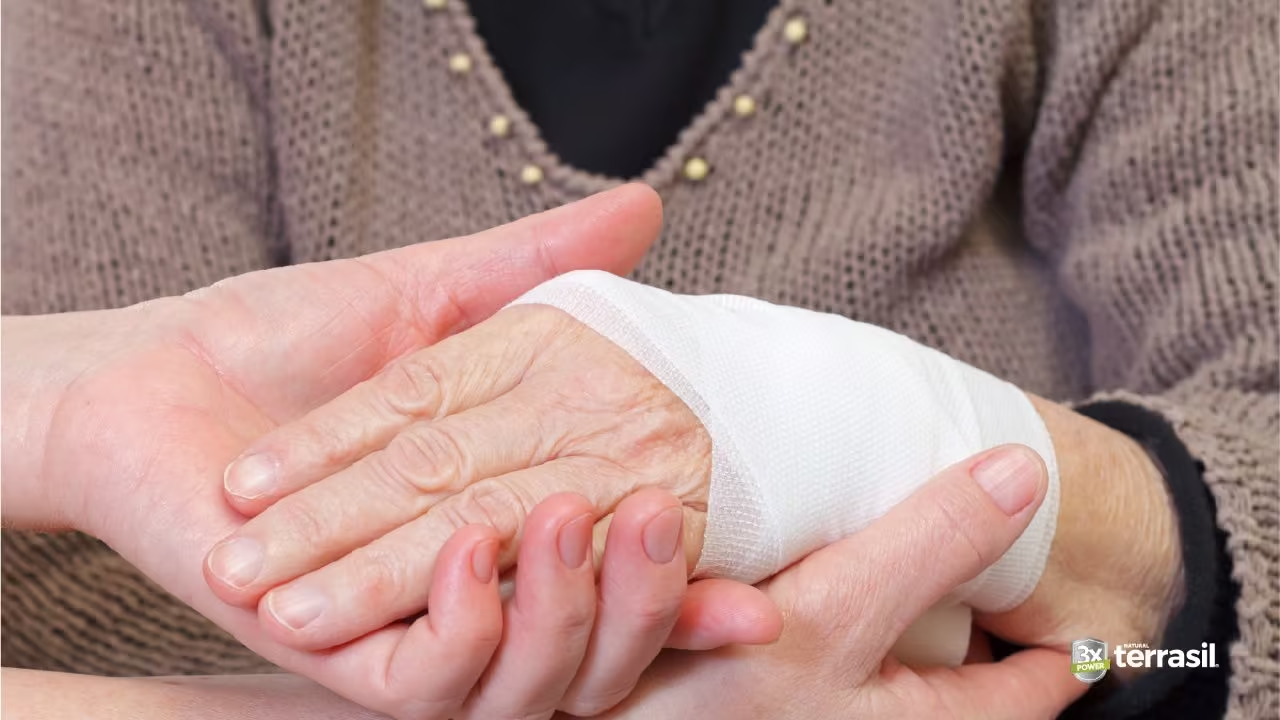
Caregiver checking patient for bed sores

Introduction 

If you’re caring for someone who spends long hours in bed or sitting, the possibility of bed sores is always at the back of your mind. They can develop quickly, cause significant discomfort, and are often overwhelming to manage without guidance. 

The good news is that most early, surface-level skin changes associated with pressure can be supported naturally. With consistent prevention habits, gentle cleansing, and targeted natural ointments, caregivers can help maintain comfort and support the skin’s natural healing processes. 

This guide offers practical steps you can start today, along with an evidence-informed natural approach that aligns with what caregiving experts recommend for early, surface-level skin irritation. 

Where Bed Sores Form and Why Early Attention Matters 

Where bed sores form

Bed sores (also called pressure injuries) tend to develop in areas where the skin is compressed between the body and a surface for long periods. Common pressure points include the heels, hips, sacrum, elbows, shoulder blades, and the back of the head. 

When pressure slows circulation, the skin becomes more fragile and vulnerable. Early signs to pay attention to include: 

  • Redness that does not fade after pressure is relieved 
  • Warmth or tenderness 
  • Shiny or firm skin 
  • Minor swelling or a “boggy” feel 

Early intervention is essential. Natural support is most effective during this stage, before deeper skin injury occurs. 

If redness worsens or signs of infection appear, learn what steps to take next in our guide:
How to Treat an Infected Wound at Home

Daily Prevention Habits: The Most Effective Natural Approach 

Caregiver repositioning a patient

Small, consistent actions are far more effective than any single product. Prevention recommendations widely supported by pressure-injury guidelines include³: 

Reposition every 2 hours 

Gentle repositioning restores circulation and reduces strain on vulnerable areas. 

“Float” the heels 

Place a pillow beneath the calves so the heels are suspended off the mattress. 

Keep bedding smooth, dry, and wrinkle-free 

Moisture and friction are major contributors to irritated skin. 

Pat the skin dry after cleansing 

Avoid rubbing, which creates shear forces on already delicate skin. 

Support healthy nutrition 

Protein plays a key role in maintaining skin integrity⁴. 

Inspect pressure points twice daily 

A brief morning and evening check helps you catch redness early. 

These habits form the foundation of natural bed sore prevention. 

Helpful Supplies That Make a Real Difference 

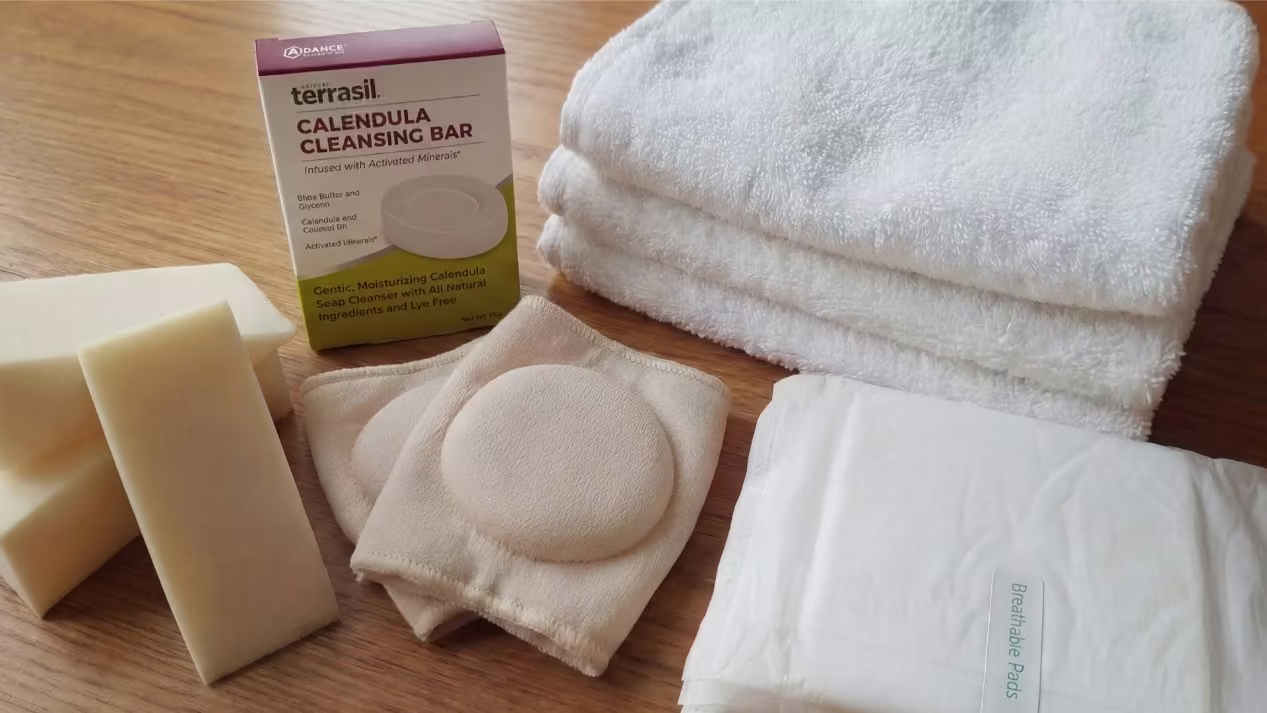
helpful bed sore treatment supplies

You do not always need medical-grade equipment to make meaningful improvements in skin comfort and pressure management. The right supplies can reduce friction, absorb moisture, and redistribute pressure. 

Heel protectors or booties 
Useful for reducing pressure on heels, one of the most vulnerable areas. 

Memory-foam wedges or pillows 
Help reposition the body and maintain comfortable angles without sliding. 

Alternating-pressure mattress overlay 
If it fits your budget, this can reduce sustained pressure throughout the night. 

Breathable incontinence pads 
Helpful for protecting skin from moisture-associated irritation². 

Gentle cleansing products 
Harsh soaps strip protective oils. A soothing botanical bar is ideal for fragile skin. 

Related reading: Best Over-the-Counter Products for Treating Minor Cuts and Scrapes

What Treating Bed Sores “Naturally” Really Means 

When caregivers search for natural solutions, they often find misleading home remedies. Coconut oil, aloe, or homemade mixtures may feel soothing, but they do not provide: 

  • a protective moisture-balanced barrier 
  • adequate friction control 
  • support for the skin’s natural repair environment 

Natural care must do more than moisturize. It must help protect fragile areas, soothe discomfort, maintain cleanliness, and support the body’s natural healing processes. This is where well-designed natural ointments—using targeted plant-based oils, soothing botanicals, and breathable protective ingredients—are far more helpful than isolated ingredients. 

The Terrasil Two-Step Natural Routine for Fragile, Pressure-Prone Skin 

Terrasil’s routine focuses on gentle cleansing and targeted protection using natural oils, botanicals, and skin protectant ingredients that help support compromised or sensitive skin exposed to prolonged pressure. 

STEP 1: Cleanse Gently with a Botanical, Non-Drying Bar 

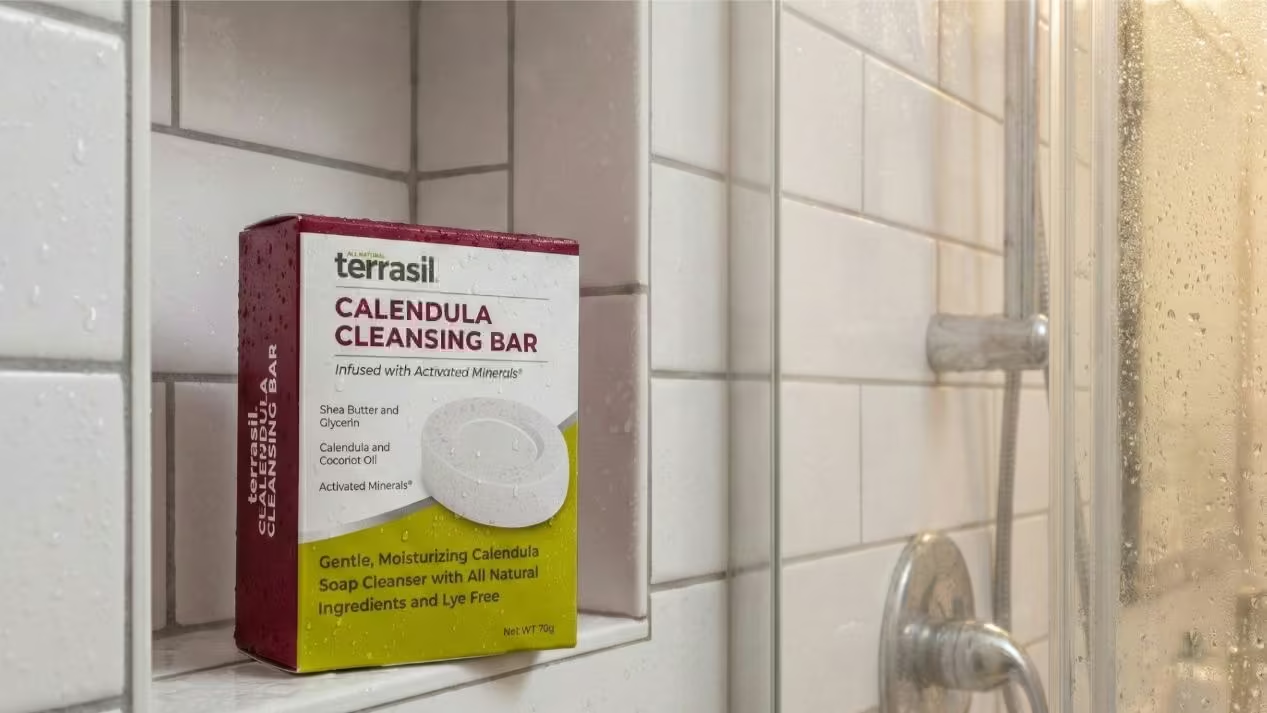
terrasil calendula soap

Pressure-prone skin should never be scrubbed or cleansed with harsh detergents. A gentle, plant-based cleansing bar is ideal for maintaining comfort and preserving the protective barrier of fragile skin. 

The Terrasil Calendula Cleansing Bar includes soothing botanicals and natural moisturizers that help maintain skin balance and prevent over-drying. It is a helpful first step before applying a protective ointment. 

Pat the skin dry carefully after cleansing. 

STEP 2: Apply Terrasil Bed Sore & Pressure Sore Relief Ointment 

nurse applying ointment to patient's foot

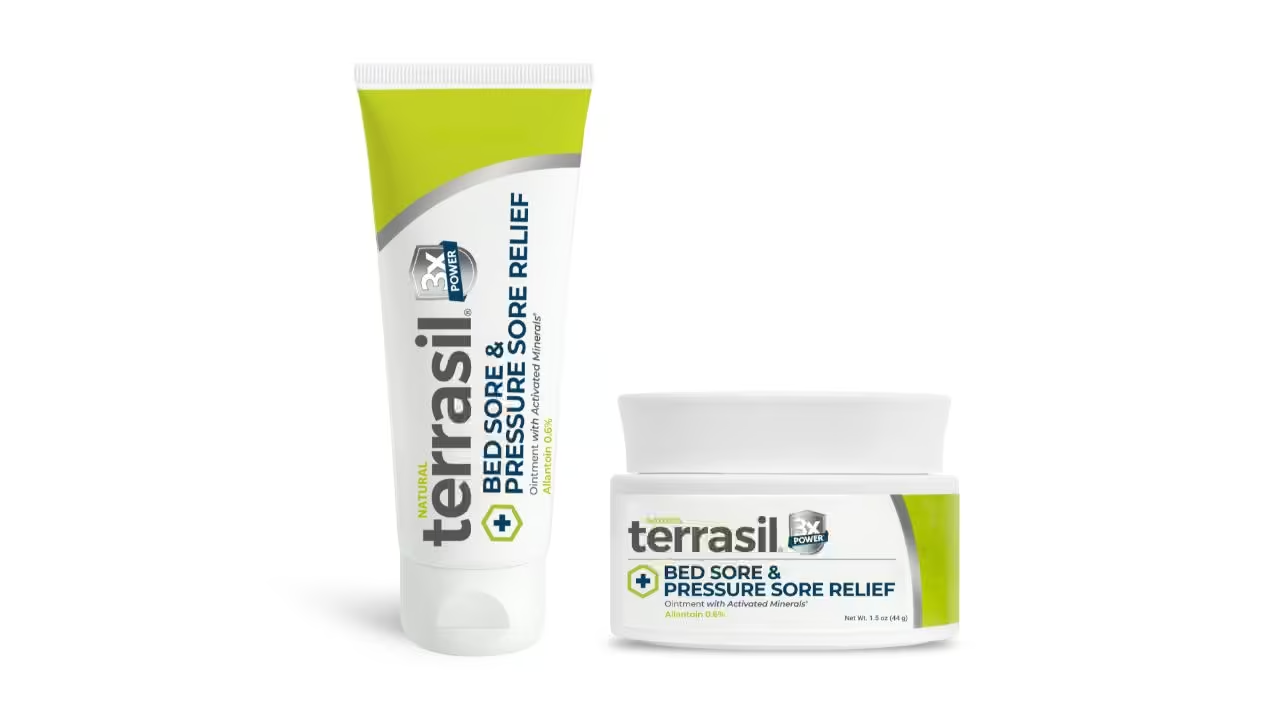
Terrasil Bed Sore & Pressure Sore Relief is a natural ointment specifically formulated to support fragile, pressure-prone skin. It helps protect irritated areas, soothe discomfort, and support the skin’s natural healing process—especially during the early stages of redness and irritation. 

Key skin-supporting components include: 

Allantoin 0.6% (Skin Protectant) 

An FDA-recognized skin protectant that helps: 

  • help protect minor skin irritation 
  • support the skin’s natural recovery process 
  • relieve dryness and discomfort 
  • help maintain moisture balance

Natural oils and moisturizers 

Beeswax, jojoba oil, coconut oil, MCT oil, cottonseed oil, and sunflower oil help soothe, soften, and protect fragile skin without blocking breathability. 

Soothing botanical extracts 

Calendula, comfrey, peppermint, sage, tea tree, and thuja extracts help comfort irritated skin and support skin comfort and cleanliness. 

Activated Minerals® 

Patented Activated Minerals® technology helps support the skin’s natural recovery environment and enhances product performance. 

Apply a thin layer 1–2 times daily or as directed. 

Myths and Truths About Natural Bed Sore Care 

MYTH
TRUTH
“Aloe or coconut oil alone will treat bed sores.” 
Oils alone do not provide barrier protection or friction control needed to support fragile skin.¹ 
“Natural essential oils are always safe.”
Some essential oils can irritate compromised skin unless properly formulated.²
“Redness should be massaged.” 
Redness should never be massaged; this can worsen pressure-related skin changes.³
“Only prescription steroids help irritation.”
Early surface-level irritation often responds to gentle protection, moisture balance, and natural soothing agents.³

“If you have had the problems I have had with bed sores, this is the product for you. After months of trying various products, 
Terrasil was the best.”

— October 5, 2024 by MARION D.

Caregivers report Terrasil Bed Sore & Pressure Sore Relief as: 

  • effective for supporting fragile skin after hospital stays 
  • gentle enough for ongoing use 
  • noticeably calming within a short period of consistent application 
  • the most helpful product they found after trying many options 

(Individual experiences vary.) 

Subscribe & Save 10% on Every Order: Make Daily Care Easier 

Chronic skin challenges require ongoing prevention and protection. Running out of supplies interrupts consistency, which is essential in pressure-prone skin. 

Terrasil’s Subscribe & Save program offers: 

  • 10%+ automatic savings on every delivery 
  • Flexible delivery schedules 
  • Ability to pause, skip, or cancel anytime 
  • Reliable supply for long-term caregiving 

This helps caregivers stay prepared without adding extra tasks to an already demanding routine. 

Choosing the Right Size 

terrasil bed sore and pressure sore relief ointment

Wondering what size is right for you? That depends on what you need.  

1.55 oz (44 gram) jar – Ideal for early-stage redness, small areas, or occasional use. 
3 oz (85 gram) tube – Designed for larger areas or long-term caregiving routines. 

If bed sores are a chronic concern, then we suggest that you subscribe and save 10% on auto-delivery of the tube. It offers the best value, and you can always ensure supportive care for pressure-prone skin is always at arm’s reach. With auto-delivery, you can always change, pause, or cancel at any time. 

Subscribe and save 10% on your auto-delivery!

Conclusion 

Bed sore prevention and early skin support do not have to be overwhelming. With consistent repositioning, gentle cleansing, and a targeted natural ointment designed to protect fragile skin, caregivers can meaningfully support comfort and help maintain the skin’s natural protective and recovery environment. 

Terrasil Bed Sore & Pressure Sore Relief ointment, when paired with a gentle botanical cleanser, offers a natural, science-informed solution that aligns with what caregivers need most: safety, simplicity, and dependable performance. 

Small, consistent steps create the greatest results. With the right tools and routines, you can help your loved one stay comfortable and supported every day. 

Disclaimer 

This content is for educational purposes only and is not a substitute for professional medical advice. Always consult a healthcare professional for concerns about worsening wounds or signs of infection. 

References 

  1. Mayo Clinic. Pressure Sores: Care Guidelines. 
  2. Cleveland Clinic. Moisture-Associated Skin Damage and Irritant Risks. 
  3. National Pressure Injury Advisory Panel (NPIAP) Prevention Guidelines. 
  4. Harvard Health Publishing. Nutrition and Skin Integrity.