




Medically reviewed for informational accuracy | Last updated: May 2026
Knowing how to treat impetigo quickly matters — this bacterial skin infection spreads fast, stays contagious for days, and gets worse when left alone. Whether you’re dealing with a child’s honey-crusted sores or an adult case picked up from a gym or contact sport, the approach is the same: address the bacteria, protect the skin, stop the spread, and support recovery. Understanding how bacterial skin infections damage and weaken the skin barrier can also help explain why recovery support matters after treatment.
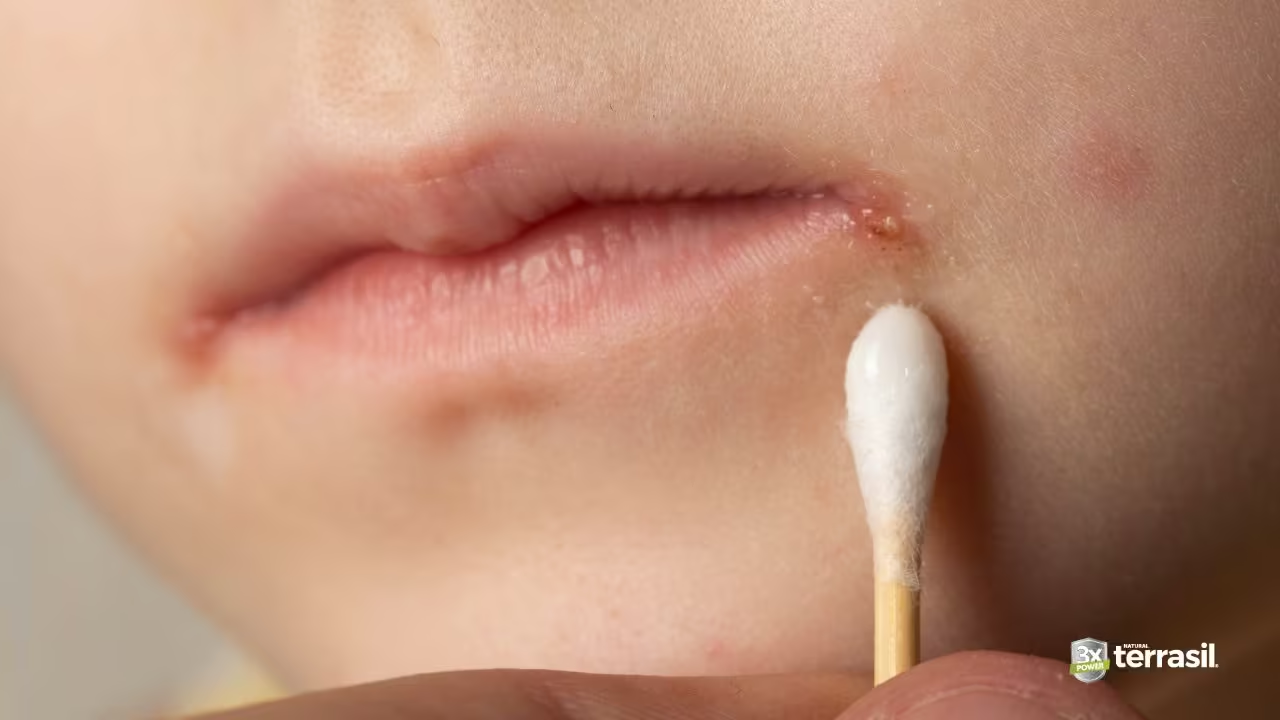
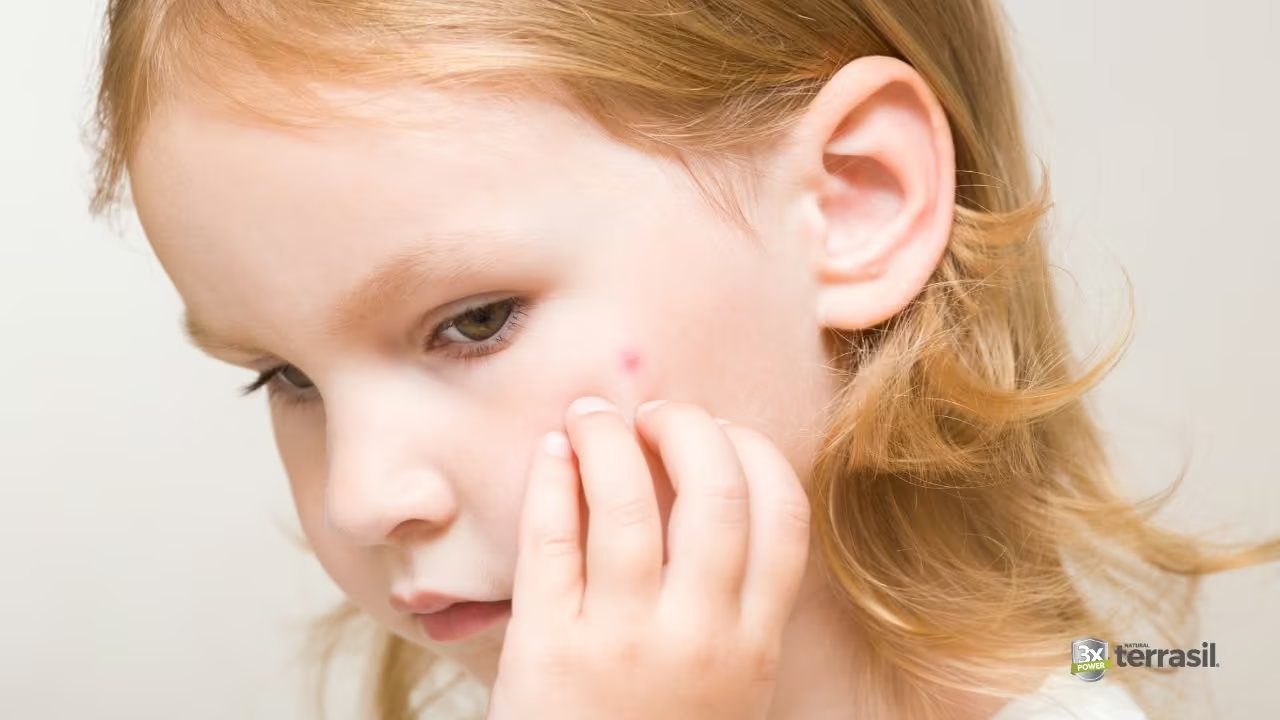
Impetigo is a highly contagious bacterial skin infection that commonly causes red sores, blisters, and honey-colored crusts. It most often affects children but can occur in adults as well. Early treatment helps reduce spread and speeds recovery.
Who Gets Impetigo — and Where Does It Appear?
Impetigo is one of the most common bacterial skin infections in the world, affecting an estimated 140 million people annually.[1] It can happen to anyone, but certain people and circumstances make it significantly more likely.
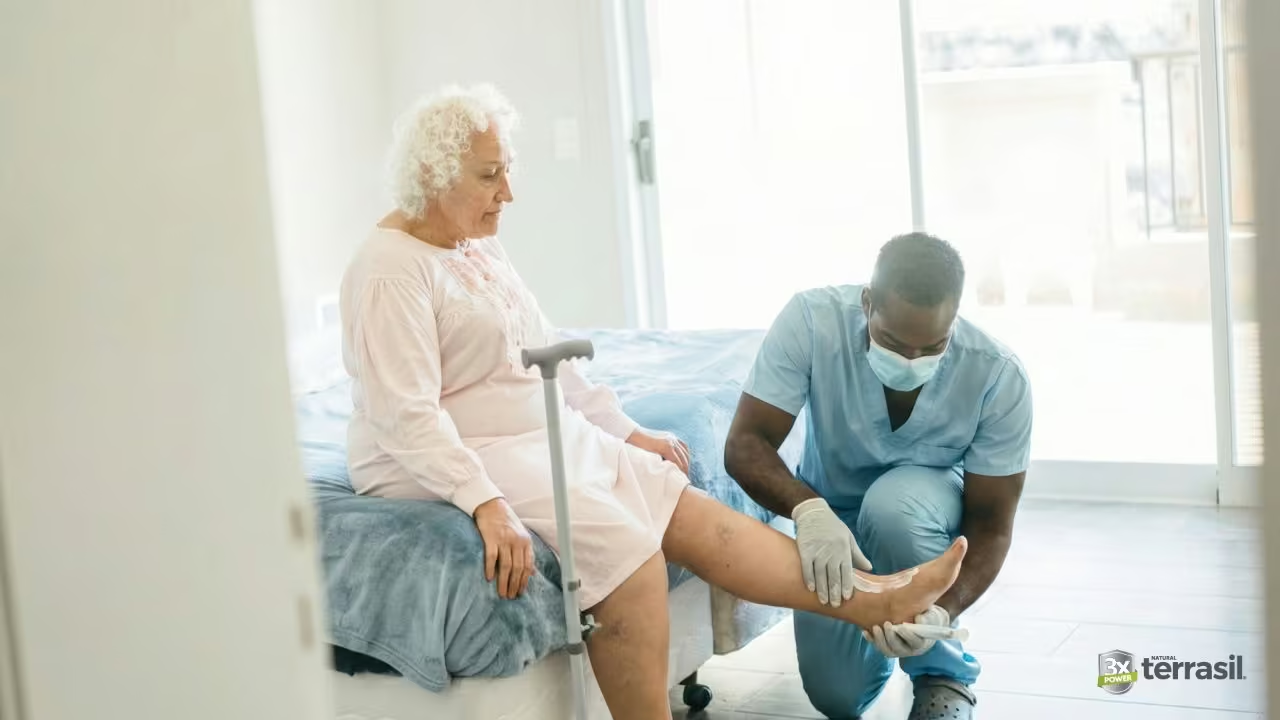
Children between the ages of two and five are the most commonly affected group — partly because of the frequency of minor skin injuries at that age, and partly because of close physical contact in schools and childcare settings.[2] But adults are far from immune. Contact sport athletes (wrestlers, football and rugby players), people living in crowded conditions, those who work in healthcare or childcare, and anyone with an underlying skin condition like eczema are all at elevated risk.
Impetigo most commonly appears on exposed skin — the face (especially around the nose and mouth), arms, and legs.[3] In infants, it tends to concentrate around the diaper area, neck folds, and trunk. In athletes, it often appears wherever skin-to-skin contact or abrasion happens most. When impetigo develops on top of an existing condition like eczema, it can appear wherever that underlying condition has broken down the skin surface. If underlying irritation or dermatitis is contributing to recurring skin breakdown, this guide on contact dermatitis symptoms and triggers may also help.
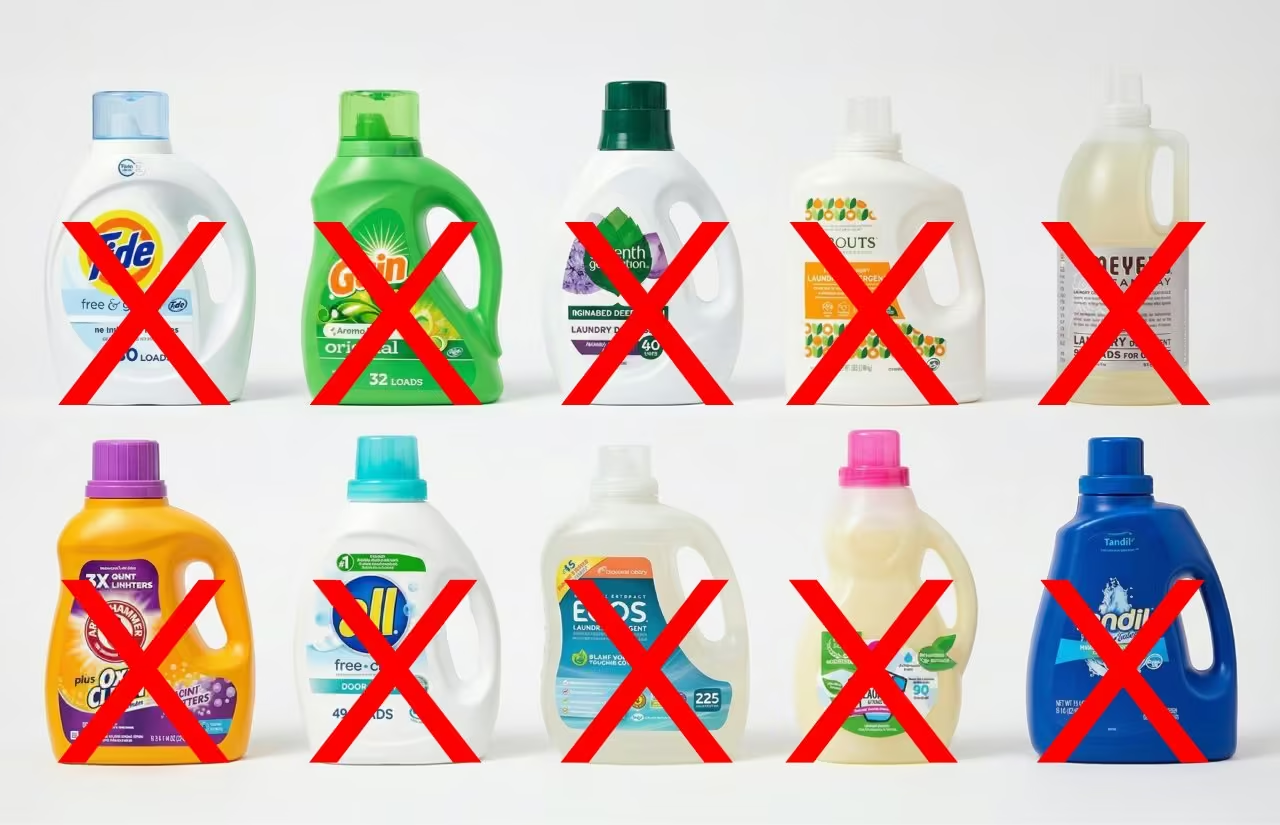
The common thread in every case is a break in the skin’s barrier. Impetigo bacteria — primarily Staphylococcus aureus and Streptococcus pyogenes — don’t need a significant wound to take hold.[4] A mosquito bite, a scraped knee, a patch of irritated skin from eczema, or even the cracked, raw skin around the nose after a cold can all provide enough of an entry point. That’s also why ingredients that help maintain and restore the skin barrier matter during and after recovery — but more on that below. Everyday irritants and harsh products can also weaken the skin barrier over time. Here’s a guide on how common daily products affect skin barrier health.
What Kills Impetigo Bacteria?
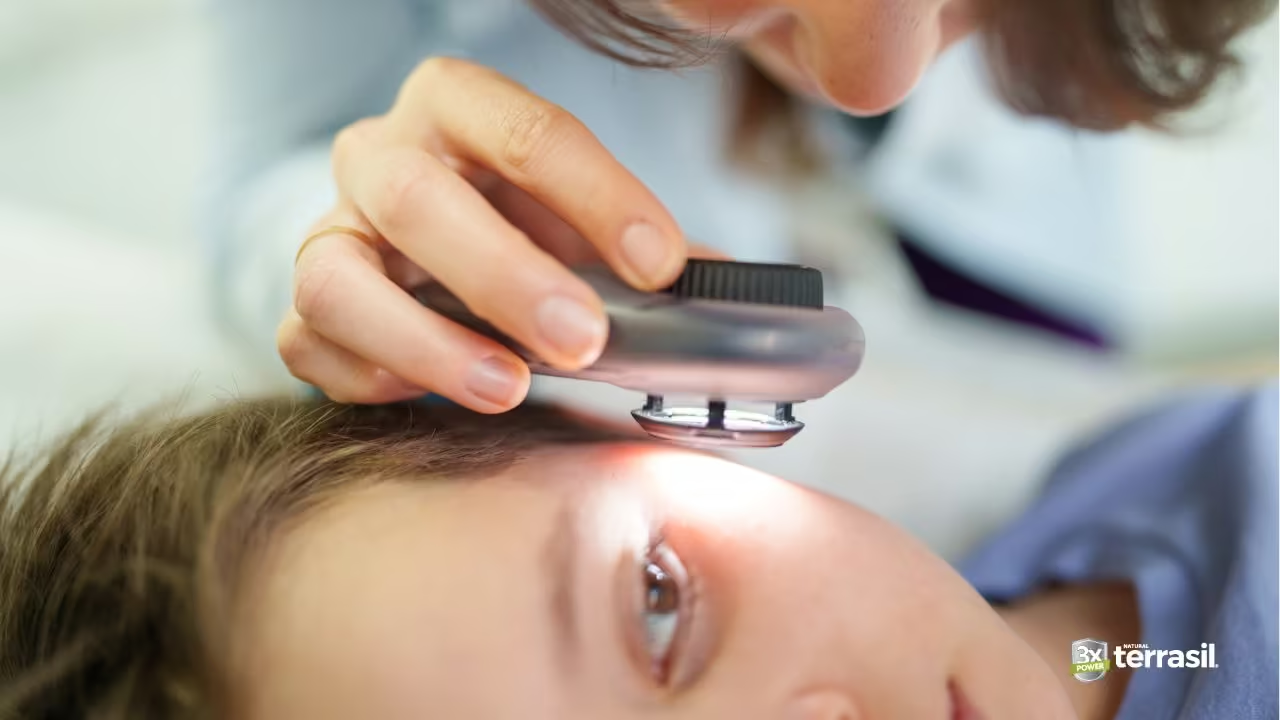
There are two main approaches to treating impetigo — and which one is right depends on the severity of the case, personal preference, and how early the infection is caught.
The Prescription Route
For moderate to severe cases, or those that have spread significantly, prescription antibiotics are the conventional medical treatment. Topical antibiotics such as mupirocin are applied directly to sores two to three times a day for five to ten days. When the infection is widespread, a healthcare provider may prescribe an oral antibiotic instead.[5] Gentle antibacterial cleansing alongside antibiotic treatment — washing sores with soap and warm water two to three times daily — helps remove crusts and allows topical treatments to reach the skin beneath more effectively.[6]
The Natural Alternative
For mild, early-stage impetigo, many people prefer to start with a natural approach before reaching for prescription medication. Terrasil® Anti-Bacterial Skin Repair Ointment is an FDA-registered remedy formulated specifically for bacterial skin infections — and it brings together the same ingredients the research points to, in a single clinically validated formula:
- Allantoin 0.5% — the FDA-recognized active skin protectant ingredient
- Tea tree oil — chosen for its documented antibacterial activity against the bacteria that cause impetigo
- Zinc oxide — antimicrobial, anti-inflammatory, and recognized for its skin-protective properties
- Jojoba oil and beeswax — for deep moisture and protective skin barrier support
- Calendula extract — to soothe irritation and support skin regeneration
- Patented Activated Minerals® — a proprietary blend that works with the botanicals to support skin healing at a deeper level
The entire formulation is dermatologist tested and hypoallergenic approved — not a DIY combination of individual ingredients, but a purpose-built, dermatologist-tested formula for skin recovery from bacterial infections like impetigo.
What Soap Is Best for Impetigo?
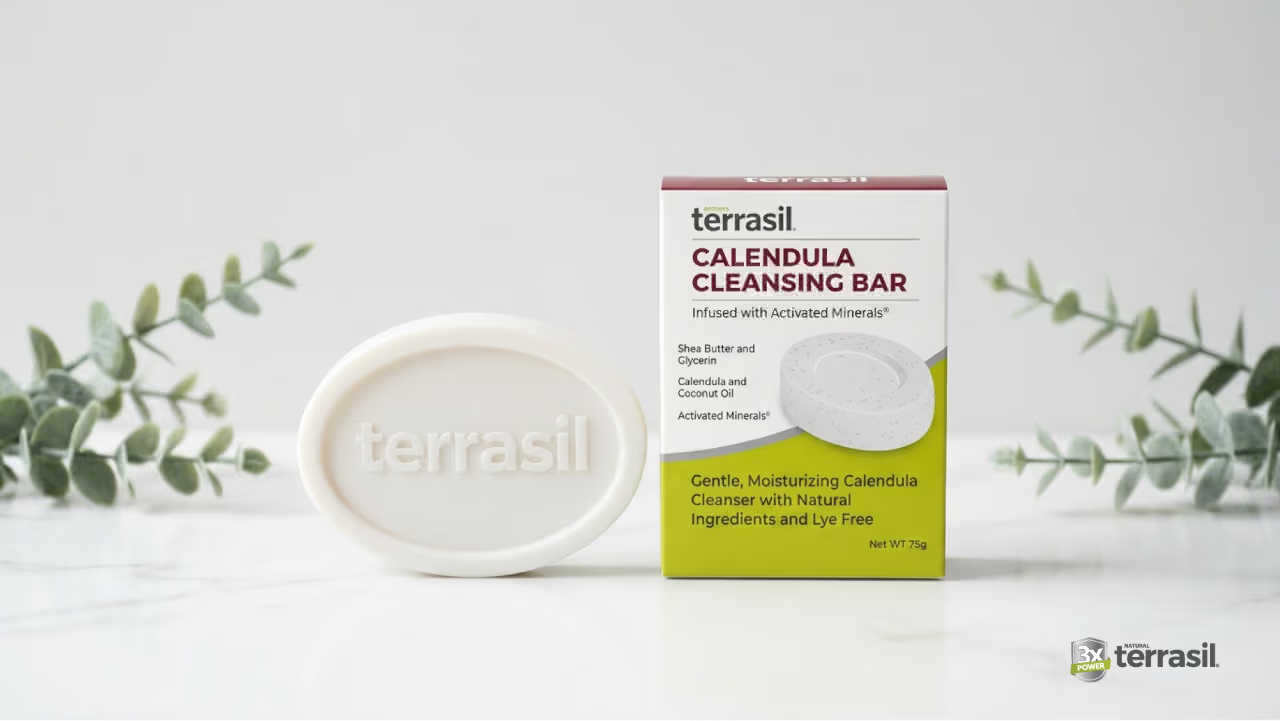
Cleansing the affected area consistently is one of the most practical things you can do when managing impetigo. Washing two to three times a day with a gentle antibacterial soap removes crust, drainage, and surface bacteria — and crucially, it prepares the skin so that any topical treatment applied afterward can penetrate more effectively. The priority is gentleness: harsh soaps or heavily fragranced products can strip the skin’s natural oils and add further irritation to skin that is already compromised.[6]
The Terrasil® Calendula Cleansing Bar is specifically well suited to this role. Calendula has centuries of documented use for its anti-inflammatory and skin-soothing properties, and this bar combines it with shea butter, jojoba oil, and coconut oil for deep, non-stripping moisture — important when the skin barrier is already under stress from a bacterial infection. It also contains tea tree oil, zinc oxide, magnesium oxide, and silver stearate — the same category of antibacterial and skin-supportive ingredients found in the Terrasil® ointment, infused via the same Activated Minerals® technology. It is lye-free, free from artificial fragrances, colors, and parabens, and has been dermatologist tested and hypoallergenic approved.
Used before applying Terrasil® Anti-Bacterial Skin Repair Ointment, the cleansing bar creates a complete two-step routine: the bar gently cleans and prepares the skin surface, and the ointment follows to soothe, protect, and support recovery. The ingredient overlap between the two products is intentional — both are working in the same direction.
Avoid harsh scrubbing or heavily fragranced cleansers, since over-cleansing can worsen irritation and slow barrier recovery.
Note: The bar contains calendula. Those with known sensitivity to the Asteraceae plant family (ragweed and related plants) should perform a patch test on a small area of healthy skin before use.
Is It Better to Cover Impetigo or Let It Breathe?

Covering active sores is generally the right call — especially when there is any risk of touch, scratching, or contact with others.[7] A loose nonstick bandage or gauze over draining sores physically stops bacteria from spreading via contact and reduces the chance of scratching moving the infection to other parts of the body.
That said, impetigo has been noted to heal faster when left uncovered once sores have stopped draining and are beginning to crust over.[7] The practical balance: keep sores covered in shared spaces, around other people, and during sleep. When sores are crusting and clearly healing with no risk of contact, some air exposure is reasonable. Open, actively draining sores should always be covered loosely — tight wrapping traps moisture and can slow healing.[5]
Is It Better to Keep Impetigo Moist or Dry?
Keeping the area clean and dry is the standard guidance for preventing spread and supporting healing.[8] Moisture from shared water sources — swimming pools, hot tubs, shared baths — creates conditions where bacteria spread more easily and should be avoided during active infection.[6]
However, before applying any topical treatment, soaking the area briefly in warm water or placing a warm damp compress on it for a few minutes softens crusts so they can be gently lifted away — an important step, since topical treatments work best when the skin beneath is exposed.[5] After cleaning and treatment, let the area air-dry or pat gently before covering.
The Stages of Impetigo

- Incubation: (Days 1–10 after exposure) No visible symptoms yet. Bacteria have entered the skin and are multiplying, but the infection can already be passed to others during this window.[4]
- Red Sores Appear: (Early stage) Small red patches or bumps emerge, typically around the nose, mouth, or on the limbs. They may itch or feel mildly sore.[9]
- Blisters Burst and Weep: (Active stage) Sores rupture and leak clear fluid or pus. This is the most contagious phase. Bacteria spread easily through touch, shared items, and scratching.[4]
- Honey-Colored Crust Forms: (Crusting stage) Fluid dries into the characteristic golden-yellow crust impetigo is known for. Still contagious until 24–48 hours into antibiotic treatment.[10]
- Crusts Fall Away: (Healing stage) With treatment, crusts begin to lift within seven to ten days, leaving a red mark that typically fades without scarring in most cases.[10]
- Skin Barrier Rebuilds: (Recovery stage) The infection is gone but skin remains sensitive and the barrier is still recovering. This phase benefits from gentle, protective care.[11]
How Long Is Impetigo Contagious?

Without treatment, impetigo remains contagious for as long as sores are active — potentially two to three weeks or longer.[10] With antibiotic treatment, the contagious period typically ends after 24 to 48 hours, provided sores are kept covered.[4]
Children can generally return to school or childcare 24 hours after starting antibiotic treatment with sores covered. Adults can return to work after the same window while keeping sores covered and avoiding close physical contact with others.[6]
How Long Does Impetigo Live on Pillows and Surfaces?
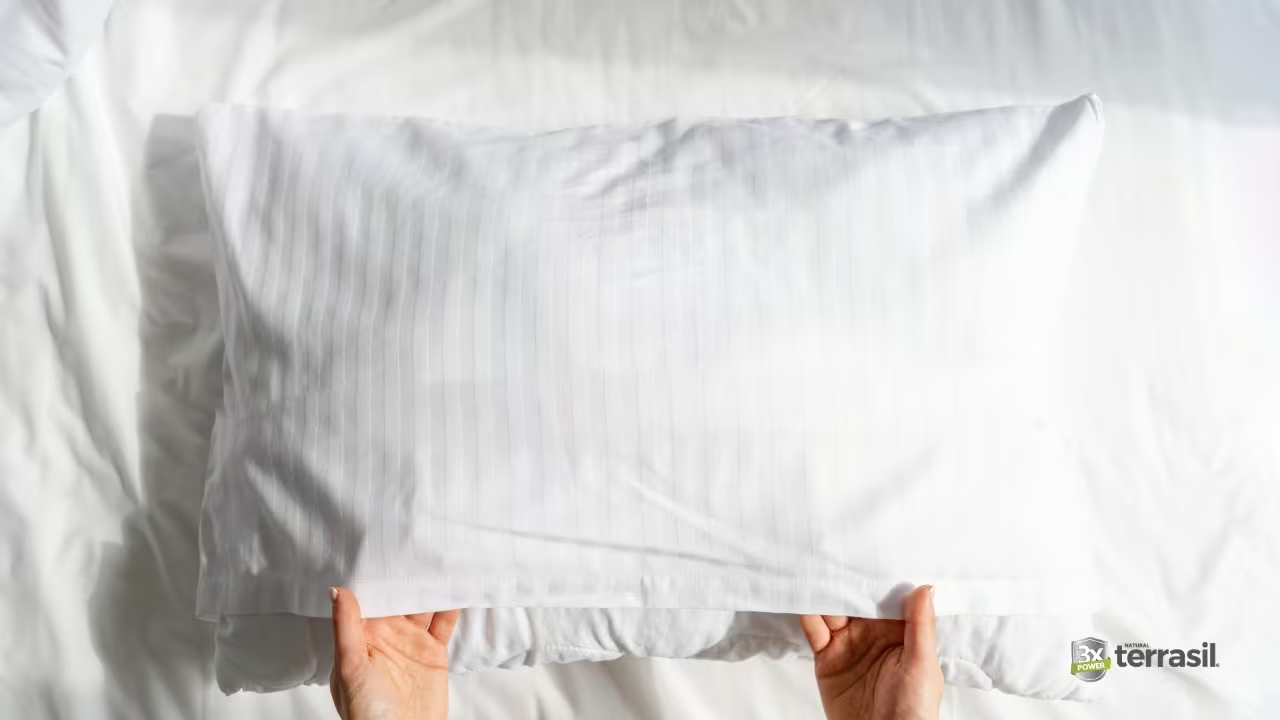
Longer than most people expect. Staphylococcus aureus and Streptococcus pyogenes — the bacteria behind impetigo — can survive on dry surfaces for days to weeks, and in some conditions considerably longer.[12] Recontamination from shared bedding, towels, and clothing is one of the most common ways impetigo spreads within households and one of the most overlooked reasons it keeps coming back.
During active infection, wash all clothing, towels, washcloths, pillowcases, and sheets in hot water daily. Once laundered, they are safe to reuse.[5] Hard surfaces that are frequently touched — bathroom counters, doorknobs, light switches — should be regularly cleaned with a household disinfectant effective against staph and strep bacteria.[13]
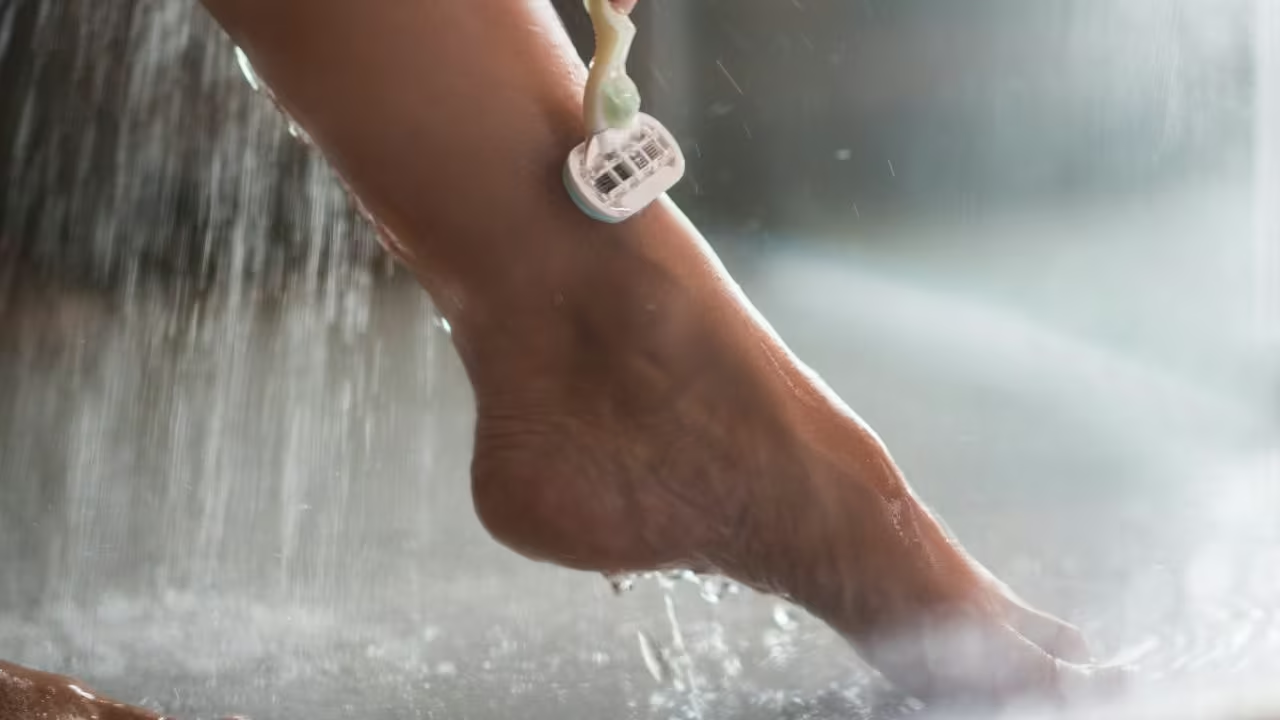
Do not share personal items like towels, razors, or washcloths with anyone while impetigo is active.[6]
Natural Ingredients, and Why Formulation Matters
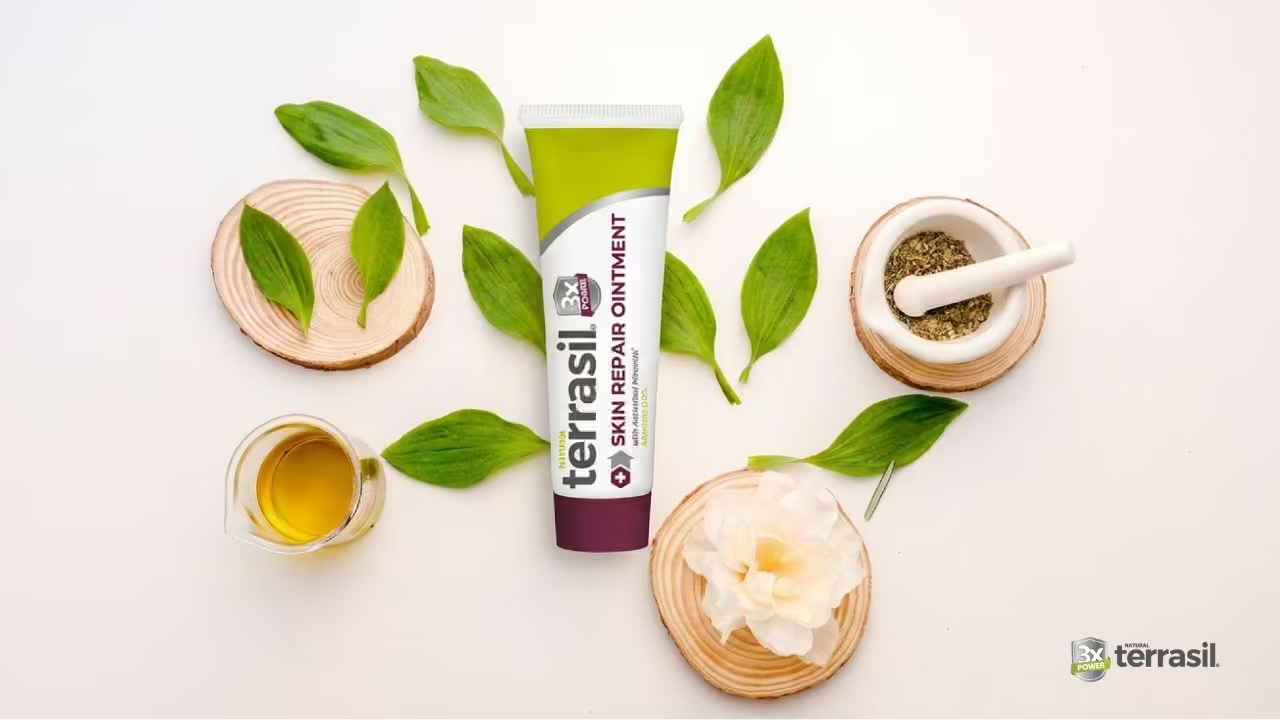
People dealing with impetigo often look for natural approaches to support skin healing alongside antibiotic treatment — and the interest is understandable. Several natural ingredients have meaningful research behind them for bacterial skin infections. But there is an important distinction worth making: laboratory data on individual ingredients is not the same as a clinically tested, purpose-built formulation. Sourcing tea tree oil, jojoba oil, and zinc oxide separately, combining them at home with no guaranteed potency, purity, or compatibility — that is a very different proposition from a dermatologist-tested ointment designed specifically for skin recovery from bacterial infections.
This is the distinction that matters when considering Terrasil® Anti-Bacterial Skin Repair Ointment. It does include botanicals that appear throughout the research on bacterial skin conditions — but each one is intentionally chosen for specific, well-documented properties, not assembled at random:
Tea Tree Oil — Antimicrobial and Anti-Inflammatory
Tea tree oil has demonstrated broad-spectrum antibacterial activity against Staphylococcus aureus in multiple laboratory studies, including against methicillin-resistant strains.[14] Research published in the American Journal of Infection Control describes it as a promising adjunctive wound treatment with few apparent side effects at low concentrations.[15] In Terrasil®, it contributes its known antimicrobial and anti-inflammatory properties as part of a balanced, complete formulation.
Jojoba Oil and Beeswax — Deep Moisture and Skin Barrier Protection
Jojoba oil is chosen for its ability to penetrate deeply and mimic the skin’s own natural sebum — one of the most effective botanical moisturizers for compromised skin. Beeswax forms a breathable, protective layer over healing tissue, locking in moisture without occluding the skin. Together they address the skin barrier directly: the same barrier whose breakdown created the entry point for bacteria. These are not generic emollients — they are selected specifically for their known ability to moisturize deeply and protect the skin surface during recovery.
Calendula Extract — Soothing and Skin-Regenerating
Calendula officinalis is included for its well-documented soothing and anti-inflammatory properties. A 2019 systematic review in Wound Repair and Regeneration confirmed its role in supporting skin regeneration and tissue recovery.[17] In a post-impetigo context — where skin is often irritated and rebuilding — calendula contributes specifically to calming the surface and supporting healthy new skin growth.
Coconut Oil — Gentle Antimicrobial Support and Moisture
Coconut oil’s lauric acid content gives it mild antimicrobial activity alongside strong moisturizing and barrier-supportive properties — well-suited for skin that is healing from a bacterial infection and needs protection without further irritation.[18]
Terrasil’s Skin Repair with Patented Activated Minerals® — Where It Goes Beyond Botanicals
What elevates Terrasil® beyond any collection of natural ingredients is its patented Activated Minerals® — a proprietary blend that works in combination with the botanicals to support skin healing at a deeper level. Combined with the full botanical profile, Activated Minerals® brings you a level of formulation depth that no DIY combination of individual ingredients can replicate.
The entire formulation — not individual ingredients in isolation — has been dermatologist tested and hypoallergenic approved. That clinical validation is what distinguishes a purposefully engineered skin recovery product from a list of promising but individually unvalidated ingredients.
So, if you want to skip the DIY of alchemy, trying to make your own botanical concoction that may or may not work, consider Terrasil’s Skin Repair Ointment, for relief and healing of your skin.
What Not to Do When You Have Impetigo
✅ DO
- Wash sores gently with antibacterial soap 2–3x daily
- Soften crusts with warm compresses before applying treatment
- Cover active sores with loose nonstick bandages
- Wash all linens and towels daily in hot water
- Wash hands before and after touching sores
- Complete the full antibiotic course
- Keep fingernails short to minimize scratch damage
- Stay home from group settings for first 24–48 hours of treatment
❌ DON’T
- Scratch or pick at sores — spreads bacteria to other body parts
- Share towels, washcloths, razors, or clothing
- Use swimming pools or hot tubs during active infection
- Stop antibiotics early just because sores look better
- Apply undiluted essential oils directly to broken skin
- Tightly wrap sores — traps moisture and slows healing
- Let others touch sores or their drainage
- Ignore a case not clearly improving within a few days
How to Prevent Impetigo
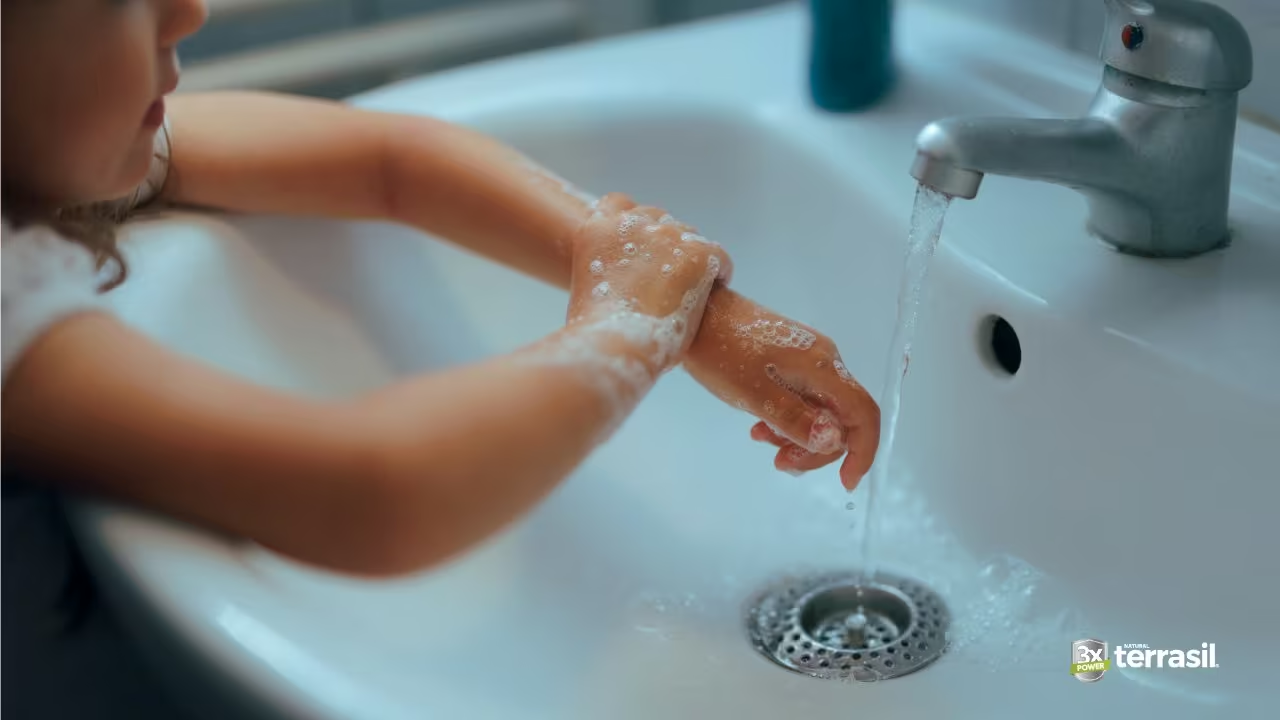
Impetigo is contagious and opportunistic — it needs a break in the skin to take hold. Prevention is built around two things: reducing bacterial exposure and keeping the skin barrier intact.
- Clean wounds immediately. Any cut, scrape, insect bite, or skin abrasion should be washed with soap and water and covered with a clean bandage until healed. This is the single most direct way to prevent bacteria from finding an entry point. Proper wound care is one of the best ways to reduce bacterial infection risk. This guide on the best ointments for infected cuts and scrapes explains what to look for.
- Wash hands frequently. Before and after treating any wound, after touching the face, and especially after being in shared spaces or contact settings.
- Don’t share personal items. Towels, washcloths, razors, and clothing can carry bacteria. Keeping these personal significantly reduces transmission risk.
- Keep skin moisturized and healthy. Dry, cracked, or eczema-affected skin is far more vulnerable to bacterial entry. Maintaining the skin barrier with a good moisturizing routine — especially in winter or in people prone to eczema — directly reduces impetigo risk.
- Shower after contact sport or shared environments. Wrestlers, footballers, and others in skin-contact sports should shower immediately after training or competition and avoid sharing equipment that touches the skin.
- Treat underlying skin conditions. Eczema, psoriasis, and similar conditions create ongoing skin barrier disruption. Managing these actively reduces the open-skin opportunities that impetigo bacteria exploit.
- For recurring cases: address nasal carriage. Some people harbor Staphylococcus aureus in the nose without symptoms, repeatedly seeding infections by touching the nose then broken skin. A healthcare provider can test for this and treat it directly.
How to Help Skin Recover After Impetigo
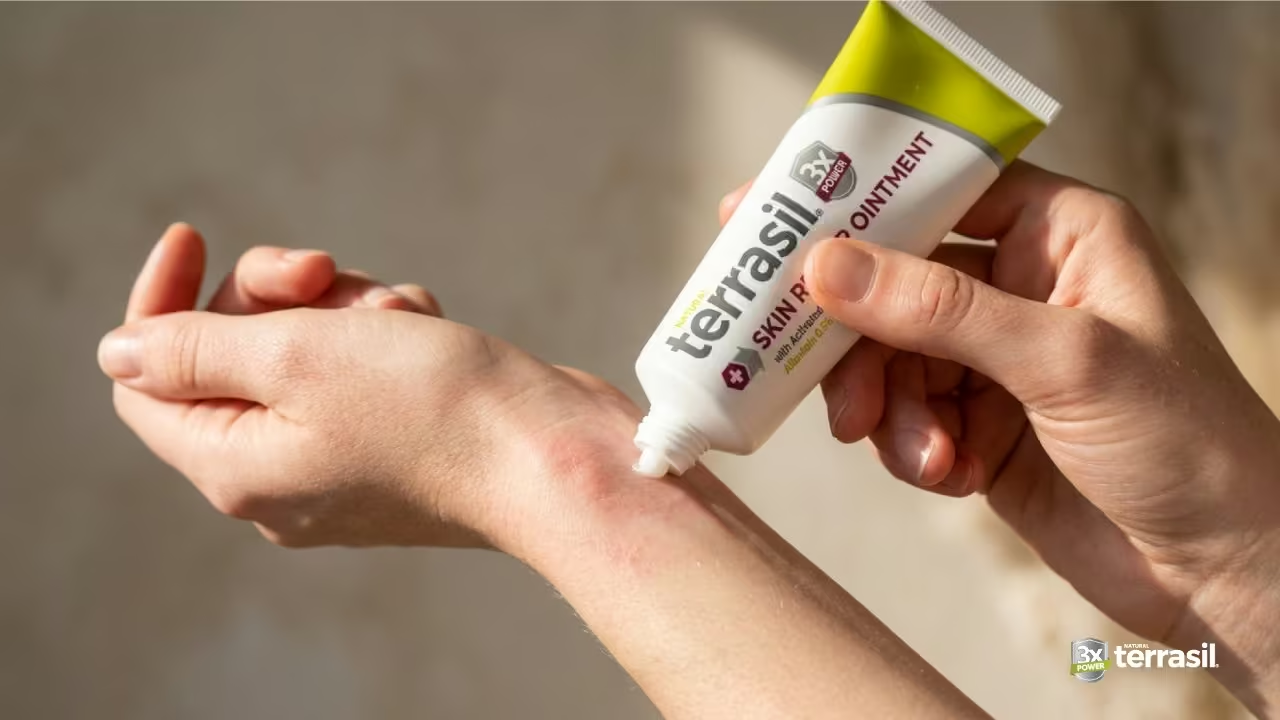
Once the active infection is behind you and sores have closed, the recovery phase begins — and it matters as much as treatment did. The skin left after impetigo is often sensitive, temporarily discolored, and still rebuilding the barrier that was compromised to begin with. How you care for it in these days and weeks shapes how fully and quickly it heals.
- Continue gentle cleansing. Keep the area clean each day with a mild antibacterial wash — gentleness is the priority now, not intensity. The goal is maintaining a clean surface as new skin forms.
- Protect and moisturize healing skin. Once sores have closed, the skin benefits from a soothing, protective ointment that can help calm lingering redness, lock in moisture, and support the skin barrier as it rebuilds. Terrasil® Anti-Bacterial Skin Repair Ointment is well suited to this phase — its naturally chosen ingredients are selected specifically for their soothing, moisturizing, and skin-barrier-protective properties, and the formula has been dermatologist tested for use on recovering skin.
- Avoid re-exposure for a few extra days. Keep washing linens and avoiding shared personal items briefly after the infection visibly clears. Bacteria can still be present on surfaces even when skin looks healed.
- Address any underlying skin conditions. If impetigo developed on top of eczema or another condition, that underlying issue needs ongoing management. Intact, healthy skin is significantly more resistant to another bacterial episode.
Will Impetigo Go Away Without Antibiotics?

Mild impetigo can resolve on its own within two to three weeks, but it remains contagious throughout that entire period.[10] During those weeks, sores can spread to other parts of the body or to others in the household. Antibiotic treatment reliably shortens both the contagious window and the healing time — typically clearing the infection within seven to ten days.[10]
For mild, early-stage cases, a natural formulation may be enough to support the skin through recovery without prescription medication. Rather than sourcing individual ingredients separately — with no guarantee of quality, potency, or how they interact — Terrasil® Anti-Bacterial Skin Repair Ointment brings them all together in one place. It includes Allantoin 0.5%, the FDA-recognized active skin protectant known for its ability to soothe and support the healing of damaged skin. It combines that with intentionally chosen botanicals — tea tree oil, calendula, jojoba oil, beeswax — each selected for specific, well-documented skin-supportive properties. And it brings all of this together with patented Activated Minerals®, a proprietary blend that works synergistically with every other ingredient in the formula to support skin healing at a deeper level. The result is a dermatologist-tested ointment where every component is there for a reason, working together rather than in isolation. For more severe or spreading cases, a healthcare provider should always be consulted.
Is Impetigo Due to Poor Hygiene?

Not exactly — and this matters. While inadequate wound care, infrequent handwashing, and sharing personal items do increase risk, even people with good hygiene can develop impetigo when exposed in the right circumstances.[4] The bacteria that cause it are common in the environment and on healthy skin. What matters is whether they find an opening.
Hygiene matters most for prevention and containment, not as an explanation for why impetigo happened. It is a common, contagious bacterial infection — not a reflection of how clean someone is.[6]
Why Does Impetigo Keep Coming Back?
Recurring impetigo almost always points to an underlying factor that hasn’t been resolved. The most frequently identified cause is nasal carriage of Staphylococcus aureus — some people carry this bacteria in the nose without symptoms, and touching the nose then broken skin repeatedly seeds new infections.[19] A healthcare provider can test for this and treat it directly if confirmed.
Other common drivers of recurrence:
- Stopping antibiotic treatment before the infection fully cleared
- Recontamination from unwashed linens, towels, or shared personal items
- An underlying skin condition like eczema that keeps creating bacterial entry points
- Ongoing exposure through contact sports, crowded living, or shared facilities
- A weakened immune system from illness, medication, or other health conditions
For people who deal with impetigo repeatedly, having a reliable skin repair ointment consistently on hand takes one stressor off the table. Terrasil® Anti-Bacterial Skin Repair Ointment is available with a Subscribe & Save option, designed for exactly this kind of situation — a recurring skin condition where running out mid-flare shouldn’t be the problem you’re solving at 11pm.
Frequently Asked Questions

Sources
- 1] Wikipedia / Hay RJ et al. Global impetigo prevalence. 2014. Citing 140 million annual cases.
- [2] Mayo Clinic. Impetigo — Symptoms & Causes. April 19, 2023. mayoclinic.org
- [3] Healthline. Impetigo: Symptoms, Causes, Pictures, and Treatment. March 2025.
- [4] Centers for Disease Control and Prevention (CDC). About Impetigo. Updated August 6, 2025. cdc.gov
- [5] Mayo Clinic. Impetigo — Diagnosis & Treatment. April 19, 2023. mayoclinic.org
- [6] Cleveland Clinic. Impetigo, Contagious Skin Infection: Causes, Treatment & Prevention. Updated August 30, 2023.
- [7] Nationwide Children’s Hospital. Impetigo: Treatment, Prevention and Advice. nationwidechildrens.org
- [8] Knights Pharmacy. How to Get Rid of Impetigo in 24 Hours. October 2023.
- [9] NHS Scotland. Impetigo. Updated February 27, 2025. nhsinform.scot
- [10] Nardi NM, Schaefer TJ. Impetigo. StatPearls [Internet]. Updated July 31, 2023. ncbi.nlm.nih.gov
- [11] Healthline. Impetigo: Symptoms, Causes, Pictures, and Treatment. March 2025.
- [12] Kramer A, et al. How long do nosocomial pathogens persist on inanimate surfaces? BMC Infectious Diseases. 2006.
- [13] UPMC HealthBeat. What Do Parents Need to Know About Impetigo? February 2024.
- [14] Carson CF, Hammer KA, Riley TV. In-vitro activity of Melaleuca alternifolia against Staphylococcus and Streptococcus spp. J Antimicrobial Chemother. 1996.
- [15] Halcon L, Milkus K. Staphylococcus aureus and wounds: A review of tea tree oil as a promising antimicrobial. American Journal of Infection Control. 2004.
- [16] Zinc oxide nanoparticles for skin wound healing: A systematic review. ScienceDirect / PMC. 2025.
- [17] Givol O, et al. A systematic review of Calendula officinalis extract for wound healing. Wound Repair and Regeneration. 2019.
- [18] Hartman-Adams H, Banvard C, Juckett G. Impetigo: Diagnosis and Treatment. American Family Physician. August 15, 2014. (Coconut oil cited among natural options.)
- [19] Superpower Health. Impetigo: Causes, Symptoms, and Treatment. March 2026. (Nasal carriage and recurrence, citing Nardi & Schaefer, StatPearls.)
Disclaimer: This article is for informational and educational purposes only and is not intended as medical advice. Impetigo is a bacterial skin infection that often requires prescription treatment. Always consult a qualified healthcare provider, particularly for infants, young children, or individuals with underlying health conditions.