


The Frustration of Dealing with Folliculitis
If you’ve dealt with folliculitis, you know the drill: irritated, inflamed bumps that itch, sting, and make you self-conscious about how your skin looks. It affects confidence, keeps you from wearing certain clothes, and feels like it shows up at the worst possible times.
The best over-the-counter treatments to get rid of folliculitis focus on three core elements: reducing inflammation and redness, supporting your skin’s natural healing response, and using an ointment consistently that won’t irritate the area further. When you combine the right product with consistency, you see real improvement—many people notice improvement within 7–14 days, depending on cause and severity.
The good news? You don’t need a prescription or complicated routine. The right at-home ointment, paired with basic care practices, makes a tangible difference. This guide will walk you through what actually works, what to look for, and how to choose a treatment that fits your situation.
The Bottom Line (TLDR)
The best over-the-counter treatments to get rid of folliculitis come down to three things: the right ointment that checks all the boxes (soothing, protective, long-lasting, safe for daily use), consistent application, and the confidence that comes from using a product specifically designed for this challenge.
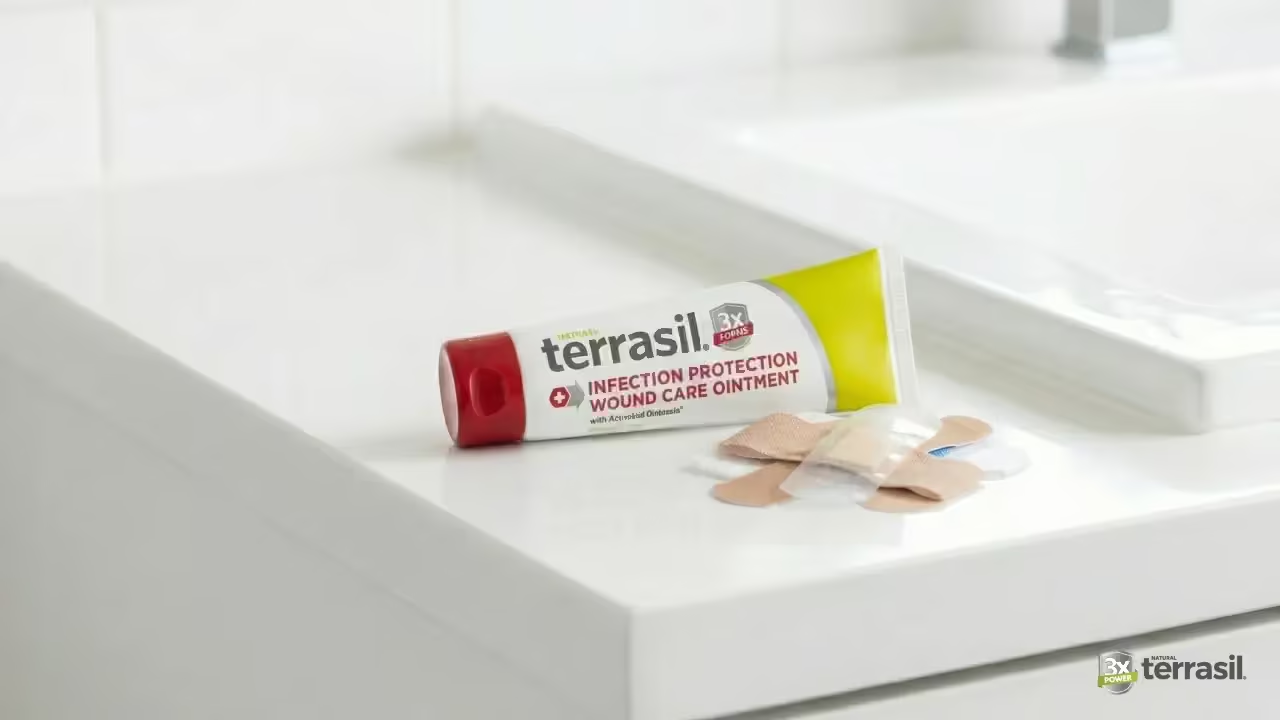
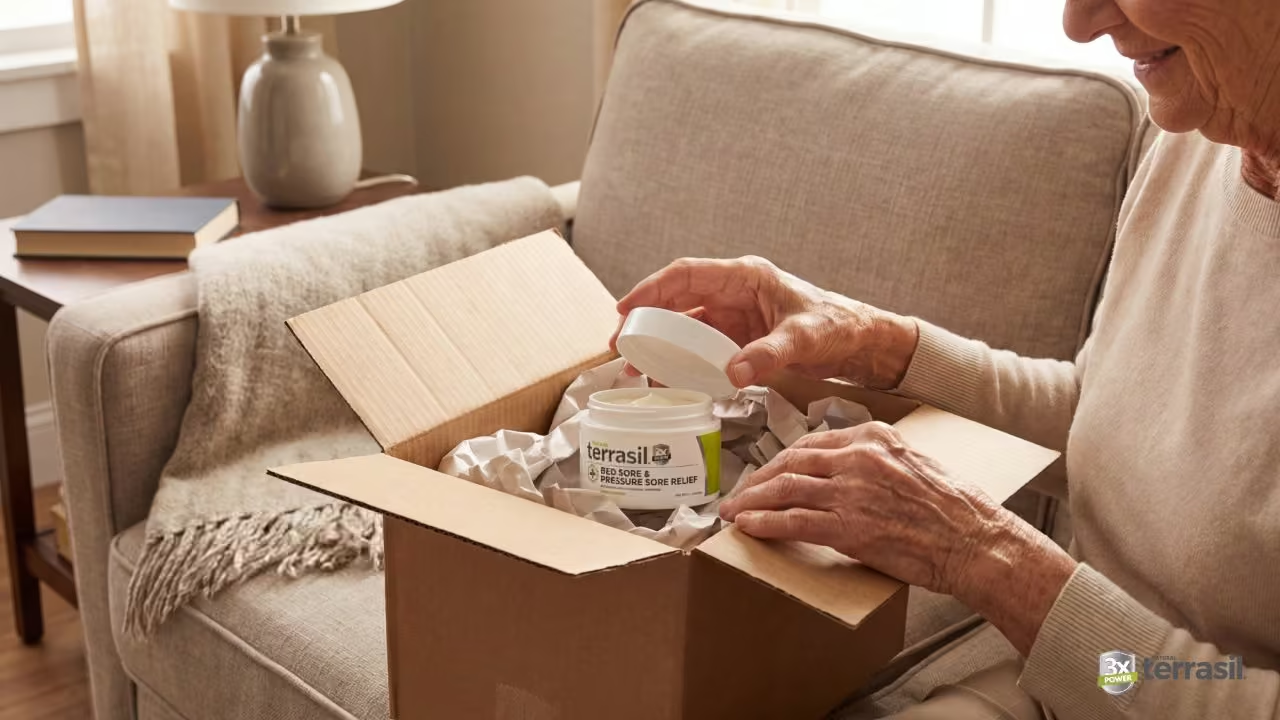
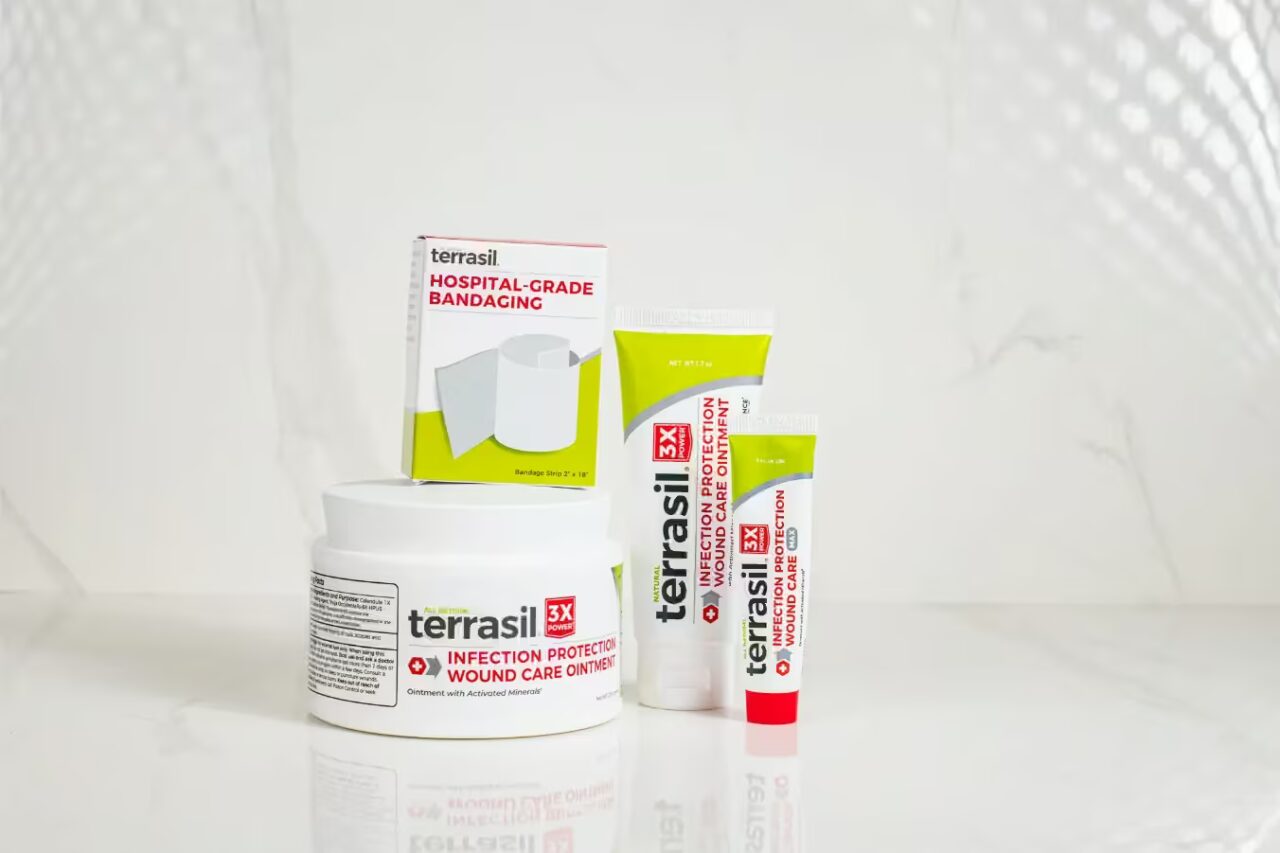
Home remedies provide temporary relief but lack the lasting power needed for real results. Chemical treatments like benzoyl peroxide or antibiotics work but come with downsides—irritation, antibiotic resistance risk, or skin damage. If you’re looking for an ointment that delivers on all the criteria—fast-acting without stinging, reduces visible redness, lasts on your skin, safe for daily use, made with natural botanicals and Activated Minerals® —Terrasil® Skin Repair is formulated for daily use with botanicals and Activated Minerals® and includes a 90-day money-back guarantee.
Understanding Folliculitis & Why OTC Care Works
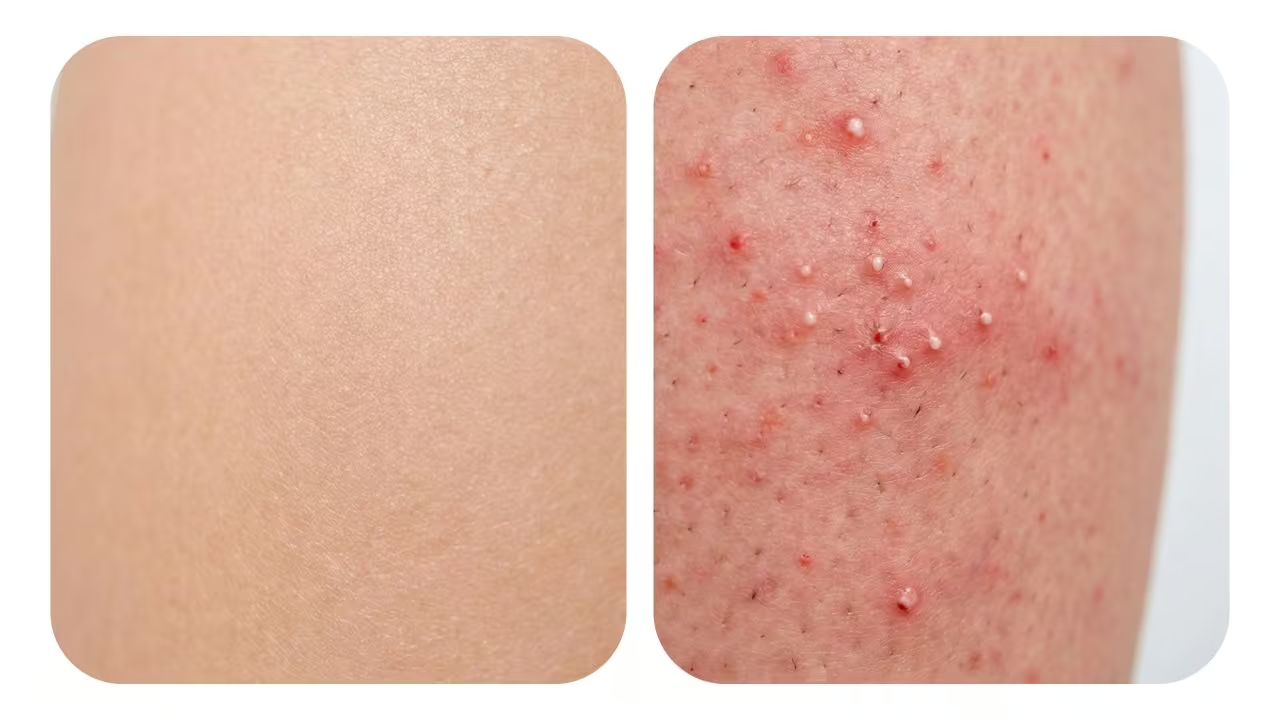
Folliculitis happens when hair follicles become inflamed—usually from irritation, friction, or bacterial/fungal exposure. It can be caused by Staphylococcus aureus (bacterial) or fungal/yeast infections, and it can show up after shaving, waxing, tight clothing, or from your skin being sensitive and prone to irritation. The result is the same: red, bumpy, uncomfortable skin.
Mild folliculitis often clears on its own within a few days to a week. However, if you want faster relief and lasting results, the right OTC treatment makes a significant difference. Here’s what makes OTC treatments effective for mild to moderate cases: they address the core problem (inflammation and bacterial/fungal risk) while supporting your body’s natural ability to heal. You don’t need a prescription to reduce redness, soothe irritation, and create a protective barrier against further aggravation.
The key is consistency. Applying the right ointment daily, every day, is what creates the shift. One application won’t fix it. But three weeks of regular application? That’s when people start seeing real improvement.
Home Remedies: Temporary Relief vs. Lasting Results
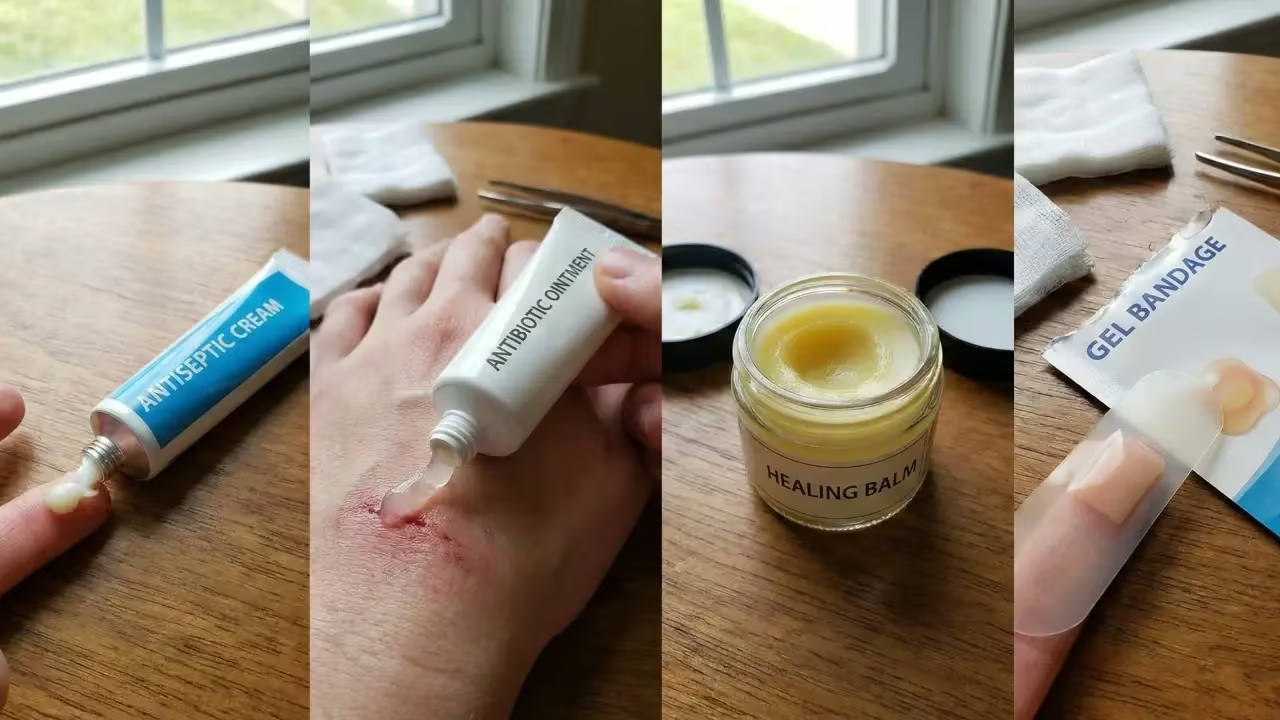
Home remedies can provide temporary comfort and basic support for mild folliculitis. They’re accessible, inexpensive, and helpful for managing symptoms while you’re waiting for something more effective to take hold. But here’s the critical difference: they’re designed to manage discomfort, but they often don’t provide the consistent support needed for stubborn or recurrent folliculitis. Here’s what people commonly try:
Warm Compresses
The Pro: Warm compresses applied for 15 minutes, several times daily, help soothe irritation and promote drainage. Most mild folliculitis resolves on its own within 7-10 days, and compresses can make the waiting period more comfortable.
The Con: Warm compresses are purely symptomatic relief. Mild folliculitis typically improves within 7–14 days to heal on its own, and you’re essentially waiting for your body to fight the infection without active treatment. Additionally, if the folliculitis is caused by bacteria like Staphylococcus aureus or fungal organisms, a warm compress does nothing to address the actual pathogen—it just makes it feel slightly better while the infection persists. If you stop using compresses, symptoms immediately return because the infection is still there.
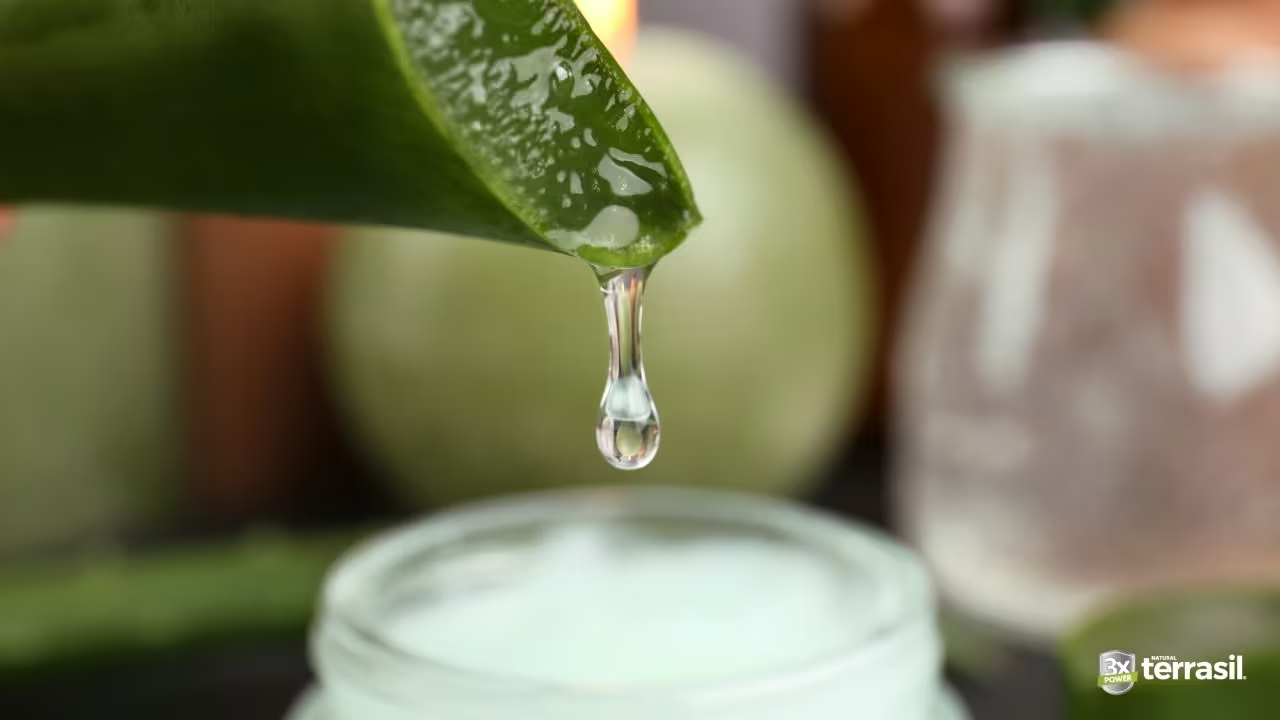
Aloe Vera Gel
The Pro: Some lab studies suggest aloe has antimicrobial activity, and many people find it soothing on irritated skin. In laboratory settings, aloe vera demonstrates antimicrobial potential, and many people report cooling, soothing relief when applied topically.
The Con: There’s a massive gap between lab effectiveness and real-world results. While aloe vera gel may help stop some kinds of infection-causing bacteria, you should look for pure aloe vera with no added perfumes and other chemicals—which means quality and efficacy vary dramatically depending on the product. More importantly, aloe vera is passive; it’s not actively penetrating the follicle or creating a lasting protective barrier. You’re applying it multiple times daily for weeks, hoping it maintains some antimicrobial action, which is inefficient and unreliable for treating an active infection. The cooling sensation feels nice but masks the problem rather than solving it.
Tea Tree Oil
The Pro: Medical studies show that some essential oils have antibacterial and antifungal properties and may work against bacteria and fungi that cause folliculitis. Tea tree oil in particular has a reputation in natural skincare circles for fighting infections.
The Con: This is where natural doesn’t always mean effective. Essential oils shouldn’t go directly on your skin because using them directly or too much can irritate your skin, and the FDA doesn’t monitor or regulate the purity or quality of essential oils. You’re diluting it in a carrier oil, which reduces concentration and effectiveness even further. You’re also applying something that requires careful handling and dosing to an already-inflamed area. Most people don’t get consistent results, and there’s real risk of additional irritation. For folliculitis specifically, tea tree oil isn’t formulated to create a lasting treatment environment—you’re applying it, hoping it works, then washing it off with the next shower.
Apple Cider Vinegar
The Pro: Vinegar has mild antimicrobial properties and is inexpensive.
The Con: While a vinegar solution can be made by mixing 1 tablespoon of white vinegar in 1 pint of water and applied as a warm compress, this approach is weak and potentially problematic. Vinegar is acidic, and when applied to already-inflamed, infected skin, it can actually worsen irritation and damage your skin barrier. You’re not treating the infection—you’re adding acidity to irritated skin and hoping the mild antimicrobial effect does something. Most dermatologists don’t recommend this for active folliculitis because the irritation risk outweighs the minimal benefit.
The Home Remedy Reality:
Here’s what research and clinical experience consistently show: home remedies work best for prevention and comfort, not cure. While most folliculitis is self-limited and will resolve on its own with time and proper home care, patients dealing with active infection benefit significantly from targeted treatment. You can spend 2-3 weeks applying compresses, aloe, and oils, or you can use a treatment designed specifically to address folliculitis—something with concentrated antimicrobial and anti-inflammatory power that actually targets the infection rather than just masking discomfort.
The real question isn’t “Do home remedies work?” It’s “How long are you willing to wait and stay uncomfortable?” If you want faster relief and lasting results, you need something designed for this specific problem.
4 Things Folliculitis-Prone Skin Actually Needs
1. A Strong Defense Against Further Irritation
Your skin needs protection from continued friction, moisture, and bacterial exposure. An ointment that creates a genuine barrier—one that stays on for hours—prevents re-irritation and gives healing space to actually happen.
2. Real Soothing (Not Just Sitting There)
You need an ointment that actively calms the inflammation and reduces visible redness. It should feel soothing the moment you apply it, not leave your skin feeling tight, dry, or like it made things worse.
3. Support for Your Body’s Natural Healing Process
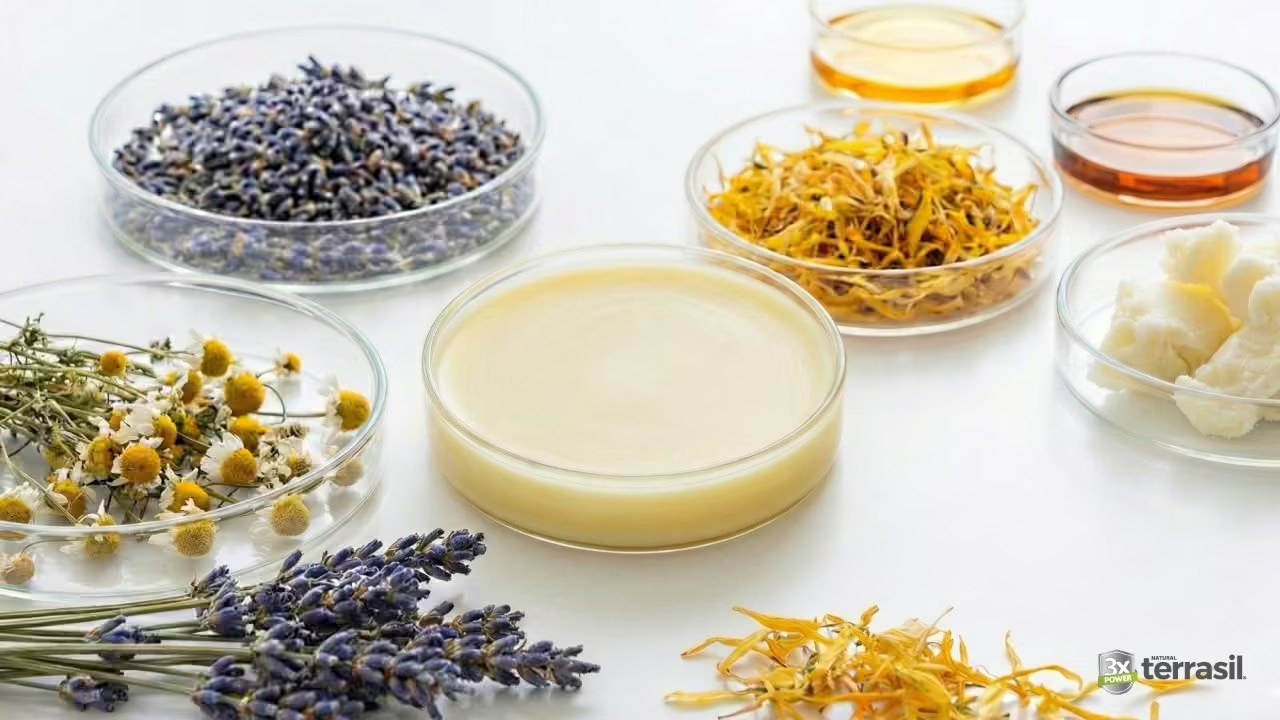
Ingredients matter. Look for botanicals and minerals that have a track record of supporting skin comfort and renewal—not synthetic fillers or harsh chemicals that dry things out or cause additional irritation.
4. A Formula Safe for Daily, Repeated Use
Since you’re applying this multiple times a day for weeks, it needs to be gentle enough that you’re not worried about buildup, irritation, or making your skin worse. It should feel like it’s actually helping, not just tolerating it.
When you find an ointment that delivers on all four of these, you’ve found your answer.
What to Look for in an OTC Folliculitis Treatment

When you’re evaluating ointments for folliculitis, these are the criteria that actually matter:
- Fast-Acting, Non-Irritating Formula — No sting, no additional redness when you apply it. It should feel better within minutes.
- Reduces Visible Redness — You’re looking for an ointment that actually soothes inflammation and calms the red, angry appearance.
- Long-Lasting Protection — Creams disappear. A good ointment stays on your skin for hours, providing continuous protection and support. Look for a breathable protective layer—not a heavy occlusive film that traps sweat.
- Safe for Daily Use — This is key. You’ll be applying it multiple times daily for weeks. It can’t irritate your skin or cause buildup.
- Antimicrobial or Antiseptic Support — Natural minerals or botanicals that help reduce bacterial/fungal risk without the concerns of antibiotic resistance.
- Soothing Botanicals — Ingredients with a history of calming skin irritation and redness.
- Clean Ingredient List — Free of harsh dyes, artificial fragrances, and preservatives that can aggravate sensitive skin.
- Designed for This Specific Problem — General purpose ointments are okay, but one specifically formulated for folliculitis will work significantly better.
Chemical vs. Natural: Why Ingredient Choice Matters

Not all OTC treatments are created equal. Here’s how common chemical approaches compare to more effective alternatives:
Benzoyl Peroxide (Common OTC Choice)
How it works: Generates oxygen to kill surface bacteria.
The problem: Highly drying, can irritate sensitive skin, and with daily use over weeks can damage your skin barrier. People often report increased redness and peeling before any improvement. It’s aggressive—effective for some, but harsh on skin you’ll be treating repeatedly.
Salicylic Acid (Acne-Based Approach)
How it works: Exfoliates to unclog follicles.
The problem: Also drying and can be irritating with frequent use. It’s designed for acne (clogged oil + bacteria), not folliculitis (infected/inflamed follicles). It addresses the symptom (bumps) but not the infection.
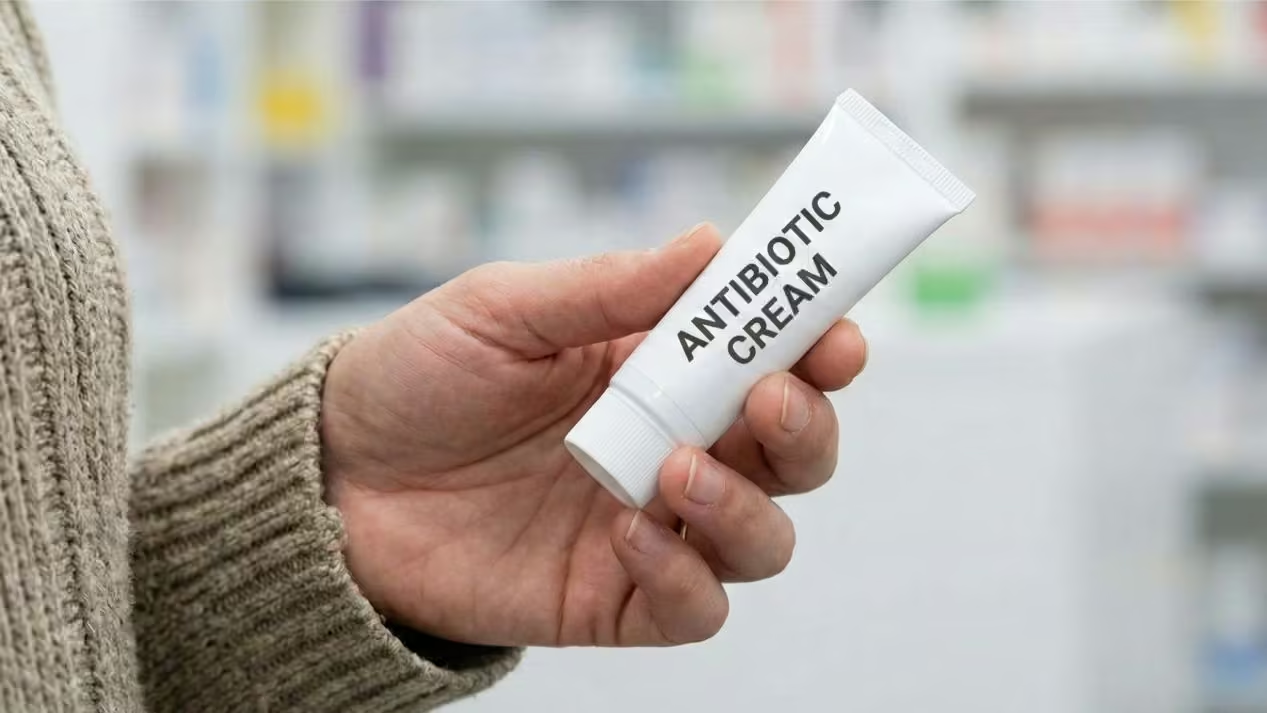
Antibiotic Ointments Like Mupirocin or Neosporin® (Prescription/OTC)
How it works: Kills bacteria directly.
The problem: Effective short-term, but daily long-term use raises serious concerns about antibiotic resistance. You’re also not addressing inflammation or soothing discomfort. And these ointments don’t last long on skin—they absorb or wash away quickly. Not designed for ongoing daily use over weeks.
Hydrocortisone Cream (Steroid)
How it works: Reduces inflammation and itching.
The problem: Steroid creams can thin skin with repeated use and don’t address the underlying infection. They’re meant for short-term symptom relief, not treatment.
Natural Botanicals + Mineral Antiseptics (Better Approach)
How it works: Soothing botanicals calm inflammation while natural minerals provide antimicrobial support without chemical aggression.
The advantage: Gentle enough for daily use without damaging your skin barrier, effective for both bacterial and fungal folliculitis, reduces inflammation while supporting healing, and no risk of antibiotic resistance. Designed to work long-term.
The chemicals above provide quick hits—they work fast but often at the cost of skin health. Natural alternatives work with your skin, not against it.
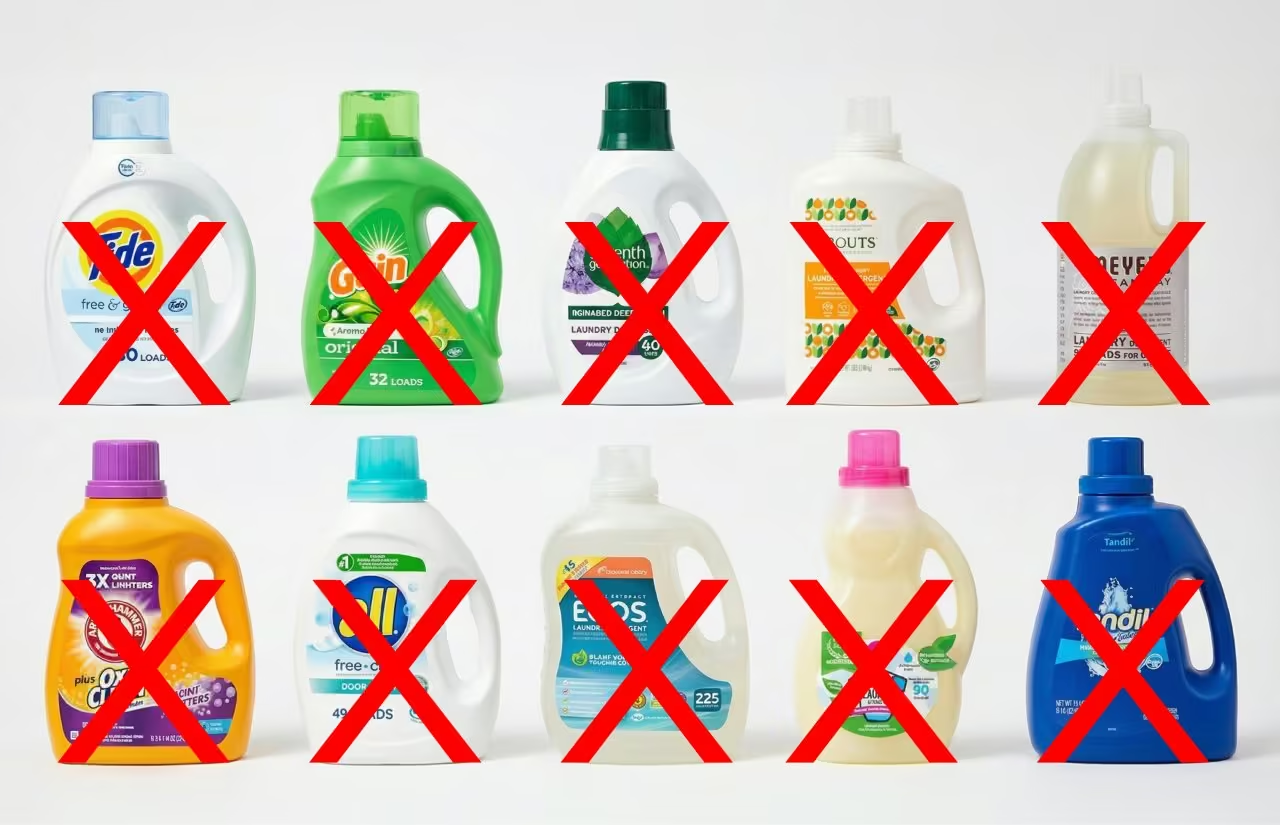
If you want to better understand how everyday irritants affect the skin barrier, it’s worth looking at how common products like detergents and fabric care items contribute to cumulative skin stress.
Addressing Your Real Pain Points
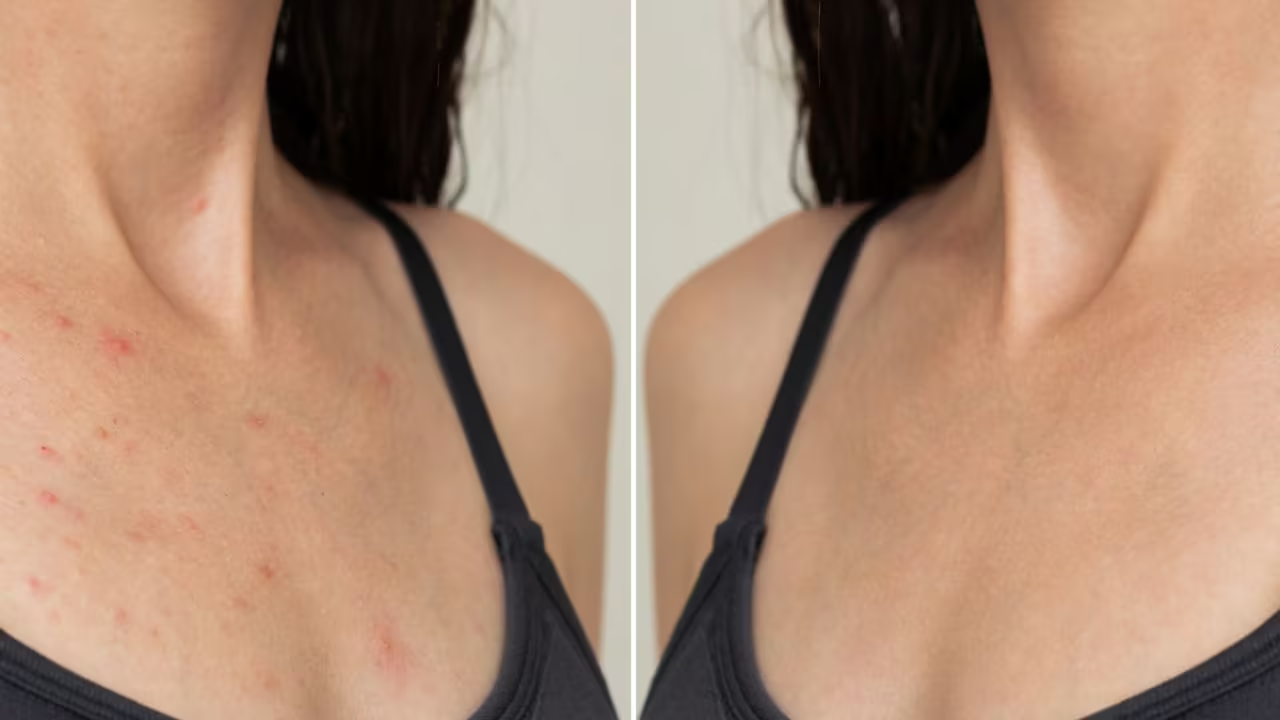
Let’s talk about what actually matters to you:
“I need to see improvement fast.” Consistency is everything. With the right ointment applied 2–3 times daily, most people notice visible improvement in redness and discomfort within days to a week. It’s not instant, but it’s not a months-long process either.
“This is uncomfortable and embarrassing.” Folliculitis affects confidence. The right ointment reduces visible symptoms and soothes discomfort, which means you feel better faster and your skin looks better too.
“This keeps coming back.” If you’re dealing with recurring folliculitis, prevention is just as important as treatment. Using a protective ointment regularly can help you avoid flare-ups and manage it before it becomes a problem.
“Other products make it worse.” Sensitive skin needs gentle care. Look for ointments made with natural ingredients that soothe rather than strip or irritate—not harsh chemicals that promise results but damage your skin in the process.
“I just want my skin back.” Clear skin brings confidence back. When you see improvement, everything changes—how you feel, what you wear, your whole approach to the day.
Comparing OTC Folliculitis Treatment Options
Feature | Terrasil® | Benzoyl Peroxide | Salicylic Acid | Antibiotic Ointment |
|---|---|---|---|---|
Fast-Acting (No Sting) | ✔ | ✘ | ✘ | ✔ |
Reduces Visible Redness | ✔ | ✔ | ✔ | ✔ |
Long-Lasting on Skin | ✔ | ✘ | ✘ | ✘ |
Safe for Daily, Long-Term Use | ✔ | ✘ | ✘ | ✘ |
Natural/Botanical Ingredients | ✔ | ✘ | ✘ | ✘ |
Antimicrobial Support | ✔ | ✔ | ✘ | ✔ |
More barrier-friendly for frequent use | ✔ | ✘ | ✘ | ✔ |
Designed Specifically for Folliculitis | ✔ | ✘ | ✘ | ✘ |
Why These Differences Matter:
Benzoyl peroxide and salicylic acid products are drying and can irritate skin with repeated daily use, especially for sensitive skin. Antibiotic ointments work, but long-term daily use raises concerns about antibiotic resistance, and they don’t tend to last long on the skin. When you’re looking for an ointment that actually addresses folliculitis—something that’s soothing, protective, long-lasting, and safe for ongoing daily use—the options narrow quickly.
What to Avoid When Treating Folliculitis
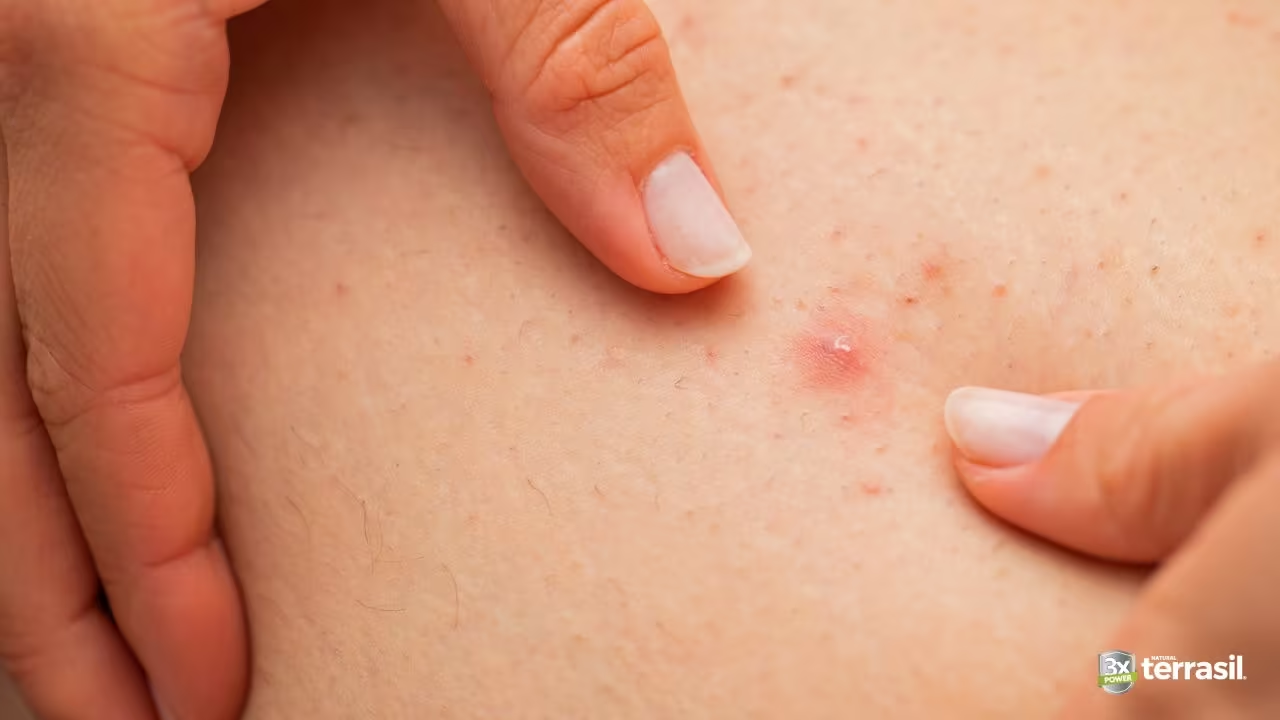
Just as important as knowing what to do is knowing what to avoid. These common mistakes can make folliculitis worse:
Don’t Squeeze or Pick at Lesions
This spreads bacteria, increases inflammation, and leads to scarring. Let it heal on its own with proper treatment.
Avoid Harsh Exfoliation
Vigorous scrubbing or exfoliating products irritate inflamed follicles further. Keep exfoliation gentle or skip it entirely while treating.
Don’t Continue Shaving if Possible
Shaving damages the skin barrier and exposes follicles to bacterial exposure. Skip shaving while treating active folliculitis. When you do resume, use clean, sharp blades and shaving cream.
Skip Tight Clothing
Tight clothes trap sweat and bacteria, creating the perfect environment for folliculitis to spread. Wear loose, breathable fabrics while treating.
Don’t Over-Apply Products
Using too much ointment or applying products too frequently doesn’t speed up healing—it can actually irritate skin. Follow recommended application guidelines.
Avoid Heavy, Occlusive Products
Greasy creams, thick oils, and heavy moisturizers trap bacteria and moisture. Stick to lightweight, breathable formulas designed for folliculitis.
The Ointment That Checks All the Boxes
Most folliculitis treatments excel in one or two areas. You’ll find products that reduce redness but irritate your skin. Others that soothe but don’t protect. Or ones that work but you can’t use daily without issues.
Finding one that delivers on all four needs—soothing, protective, long-lasting, and safe for daily use—is surprisingly rare.
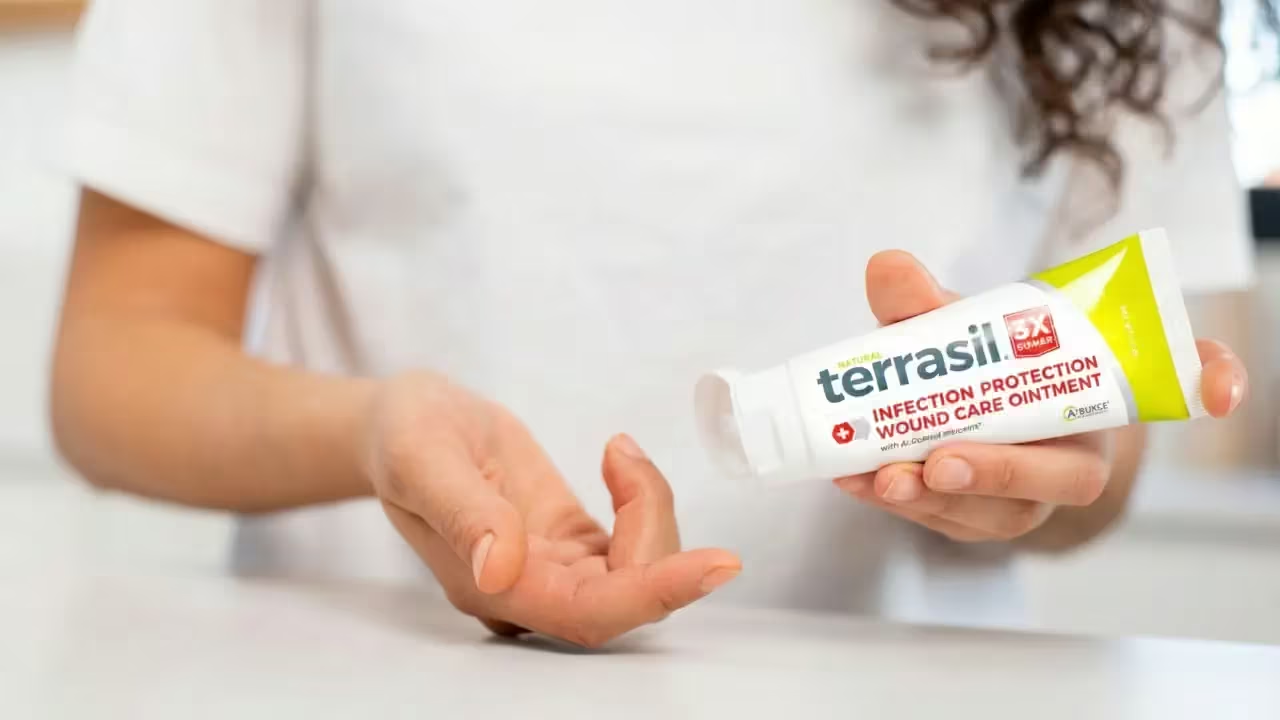
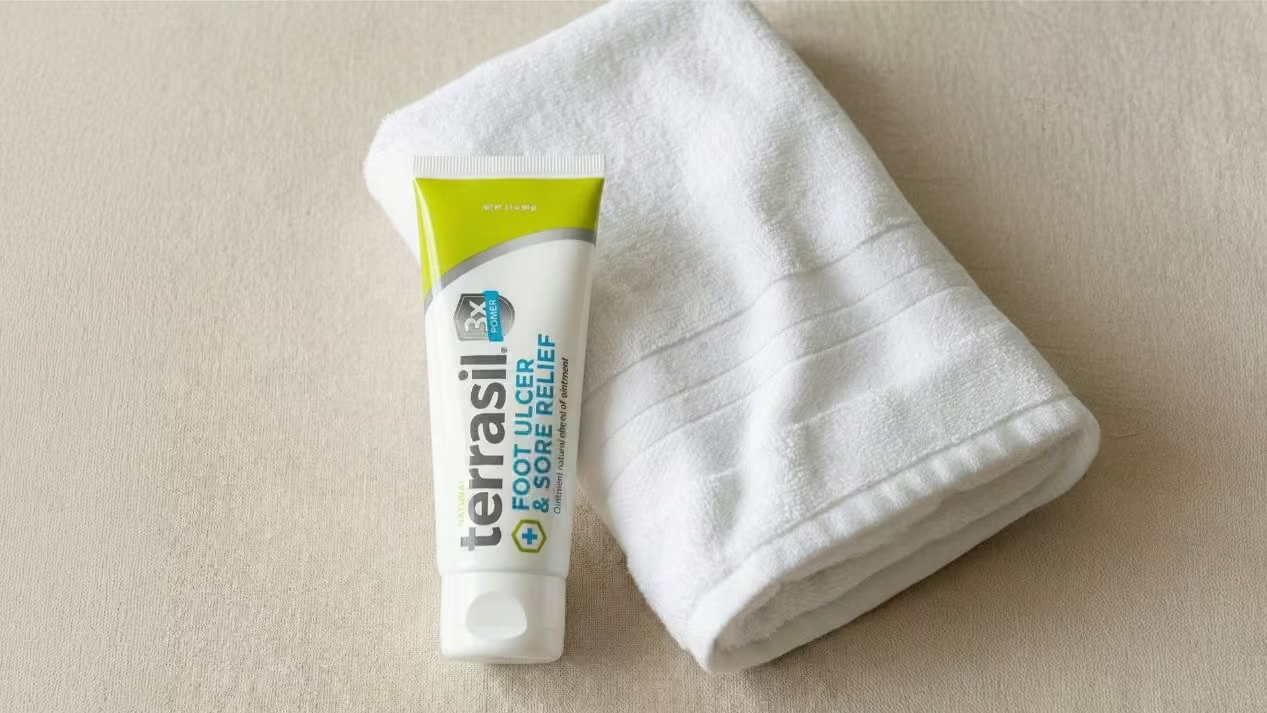
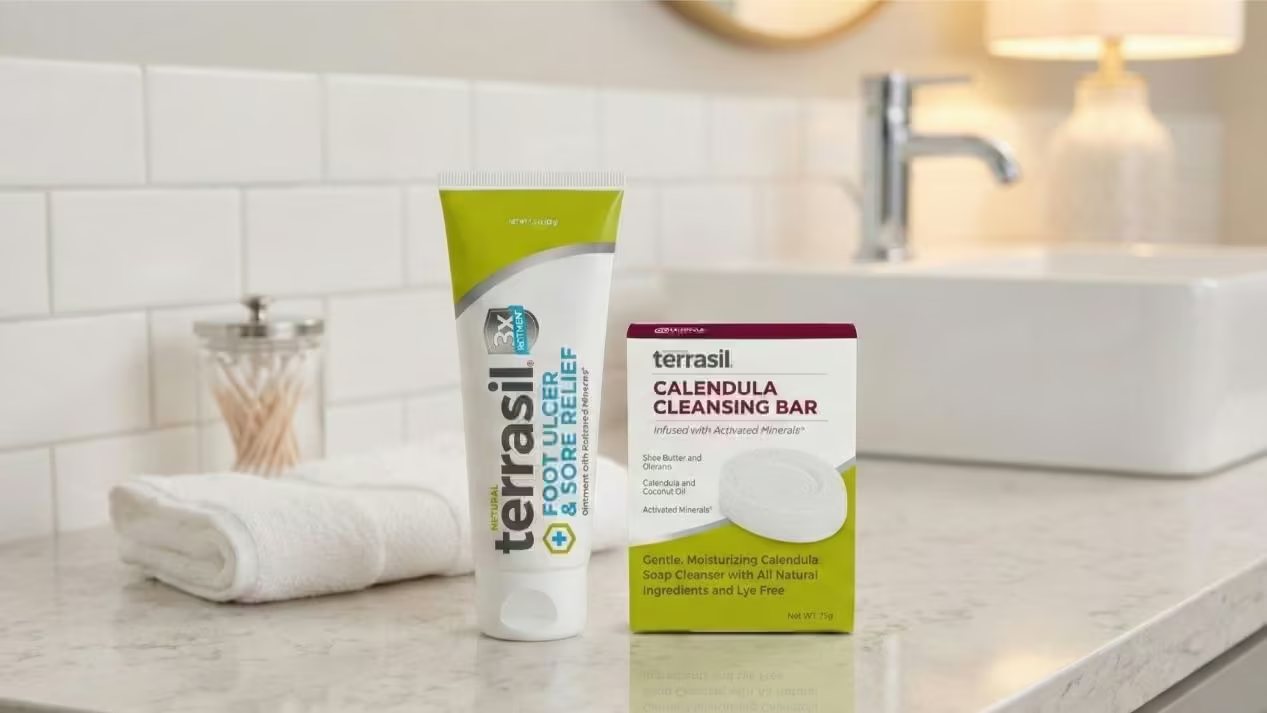
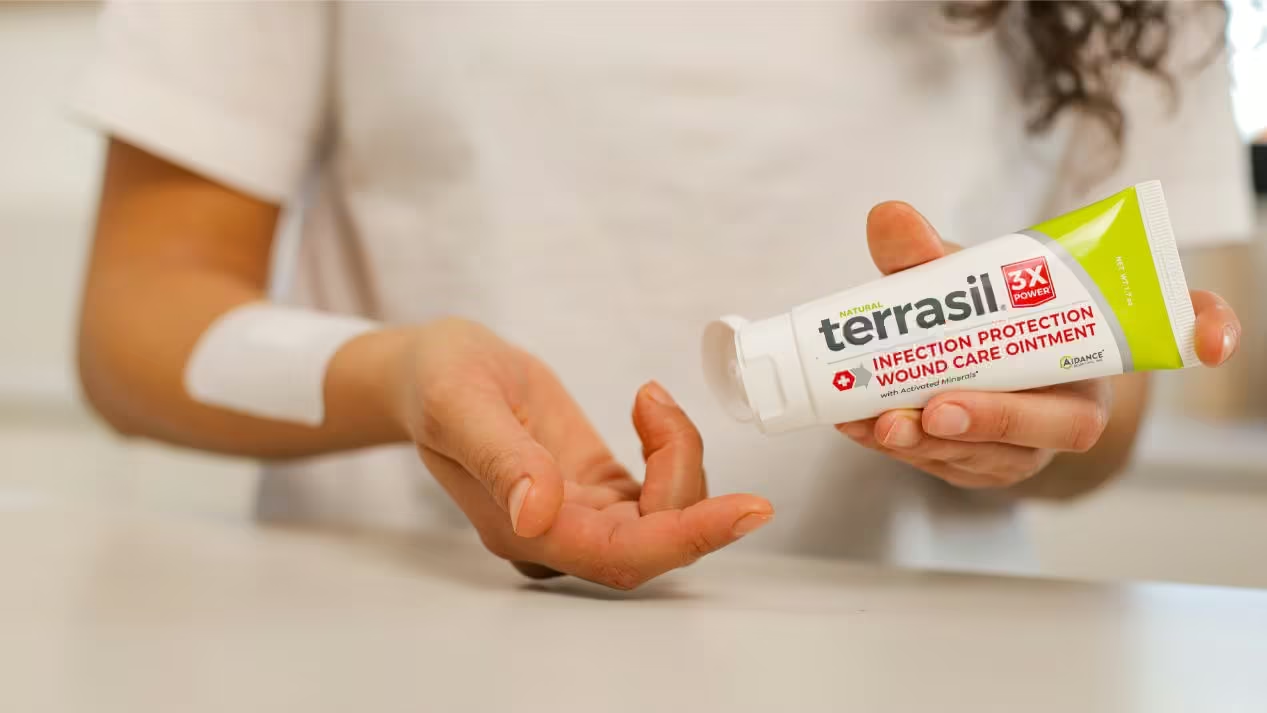
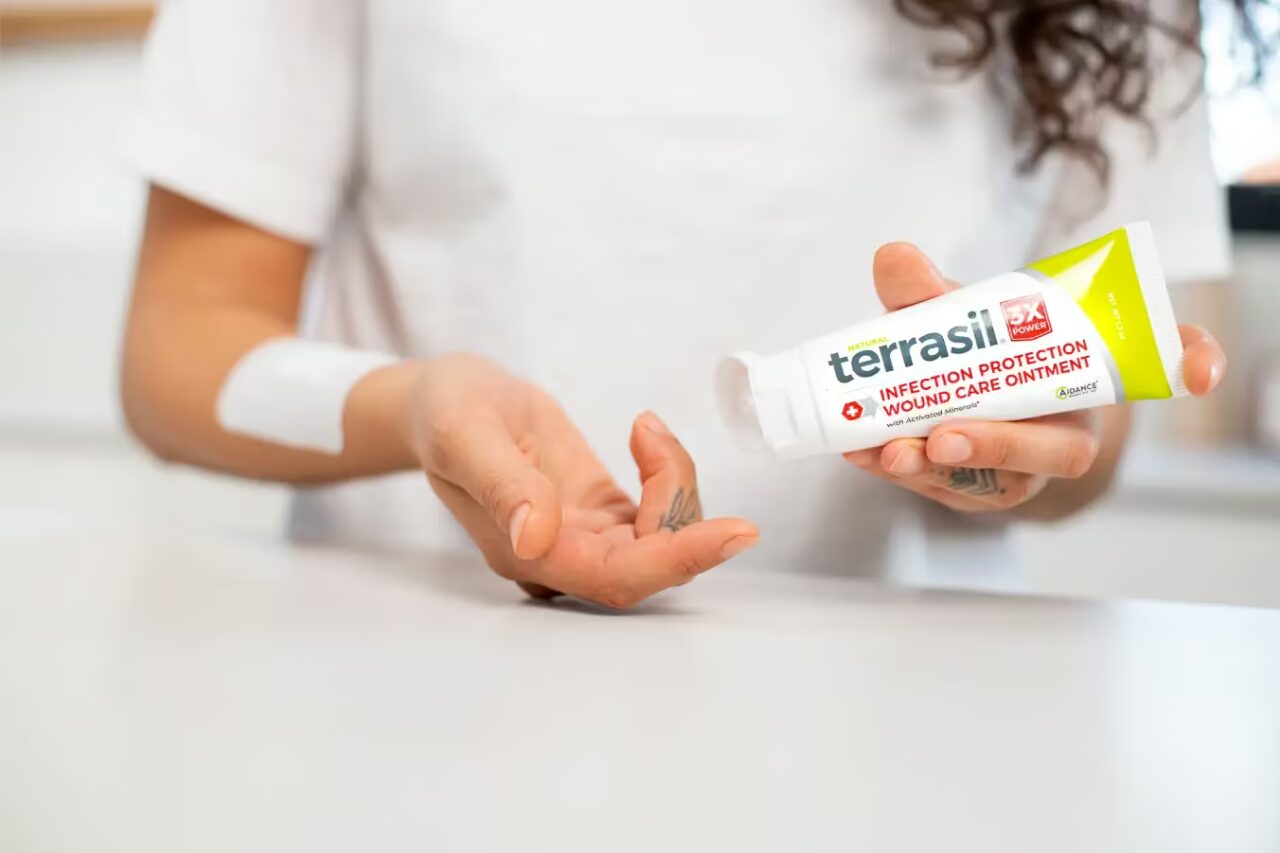
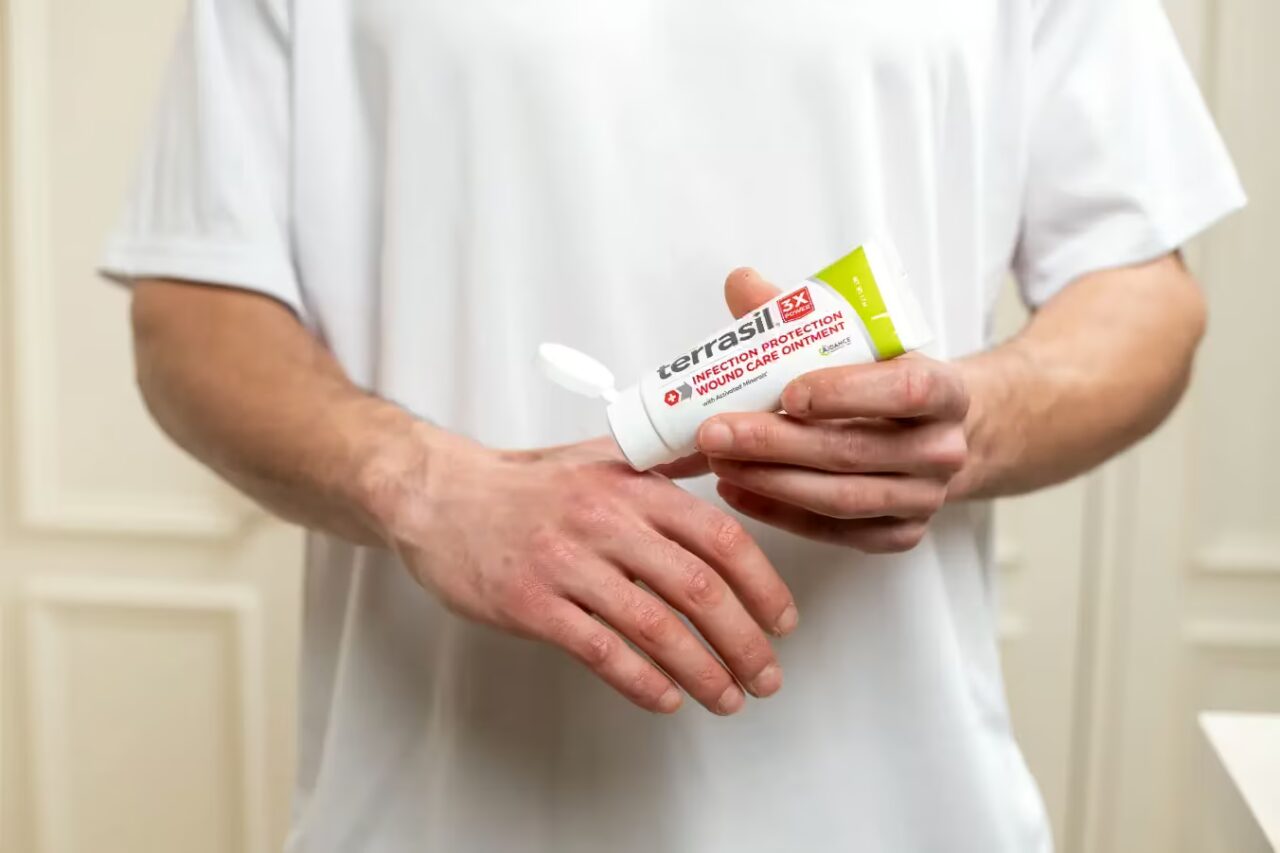
That’s where Terrasil® Skin Repair enters the picture. It’s not the trendiest product. It’s not the cheapest. But it’s the one people actually stick with, reorder, and recommend to others dealing with similar skin challenges.
Here’s what makes the difference:
It’s designed specifically for this situation. Not for general skin irritation. Not for minor bumps. But for the exact challenge you’re facing: calming active folliculitis while protecting your skin and preventing it from coming back.
What people notice:
- Visible improvement in redness and irritation within days to a week with consistent use
- It feels soothing when applied—no burn, no sting, no making it worse
- One tube or jar lasts weeks because the formula is concentrated; you use less per application
- Safe to use multiple times daily without worry about irritation or buildup
- Doctor-recommended and manufactured in an FDA-registered facility
- Backed by 15+ years of real-world use and feedback from people dealing with folliculitis
The combination of soothing botanicals, protective minerals, and a formula built for daily, long-term use is what sets it apart. But the real proof is what happens when you use it consistently: you see results, your skin improves, and the frustration of managing folliculitis goes down.
There’s also a 90-day money-back guarantee, which means you can try it completely risk-free. If it doesn’t deliver what you’re hoping for, you get your money back—no questions.
Moving Forward with Confidence
The best over-the-counter treatments to get rid of folliculitis aren’t complicated—they’re just consistent. It comes down to choosing an ointment that actually soothes and protects, using it every day, and giving your skin the time it needs to improve.
Home remedies can offer temporary comfort, but they don’t have the staying power for lasting results. Chemical treatments work quickly but often come with irritation or long-term concerns. When you find a product designed specifically for folliculitis—one that’s gentle enough for daily use but powerful enough to address the infection and inflammation—everything changes.
Dealing with folliculitis is frustrating. It affects how you feel about yourself and what you’re willing to wear or do. By choosing a product designed specifically for this challenge and committing to consistent use, you’re giving your skin real support.
The right solution doesn’t have to be complex. It just has to work, feel good, and be something you’ll actually use every single day without stress or worry.
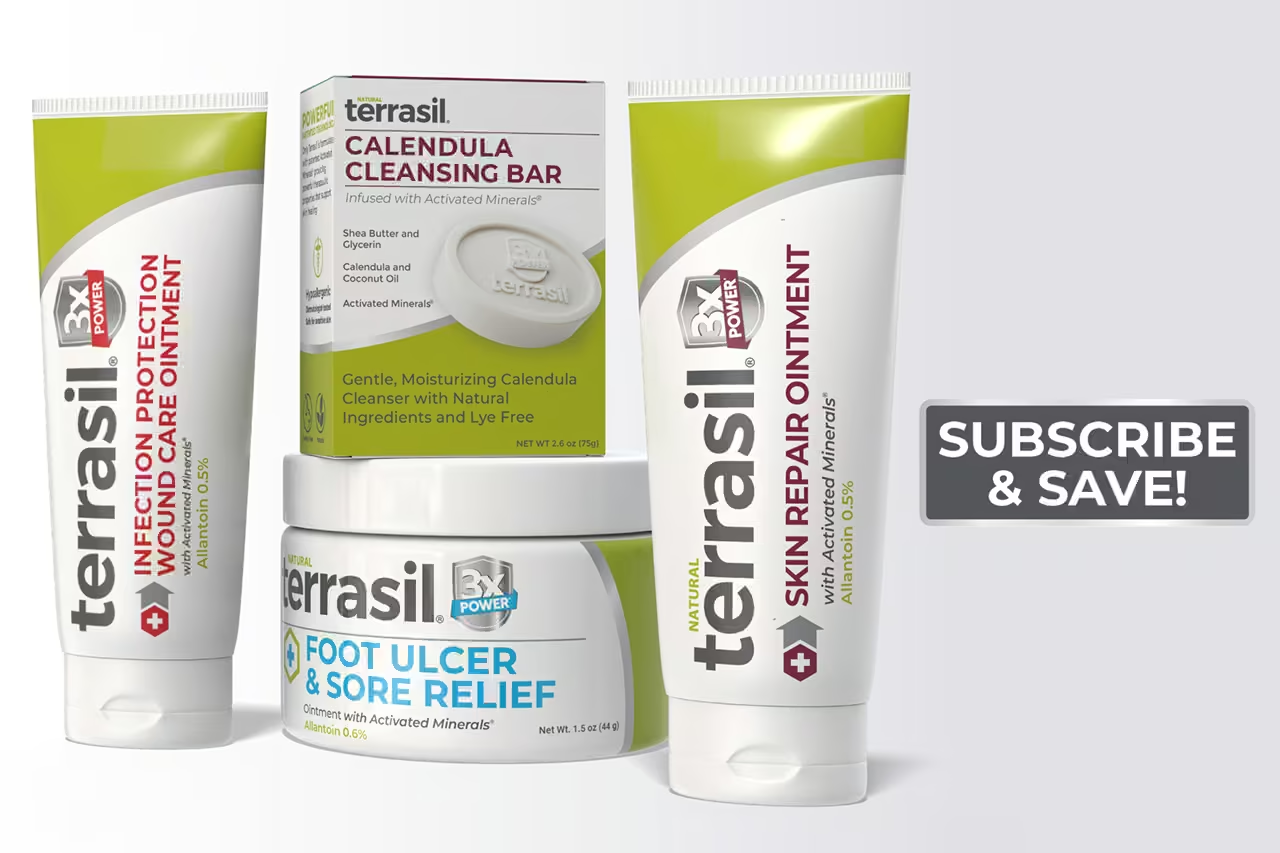
If you want to explore an option formulated for folliculitis-prone skin, you can review Terrasil® Skin Repair (and Subscribe & Save if you prefer auto-delivery).
With the right routine and consistent use, most mild to moderate cases improve over time.
Frequently Asked Questions
Sources & Research
- American Academy of Dermatology (AAD). Folliculitis: Overview and Management. AAD, 2023.
- Centers for Disease Control and Prevention (CDC). Skin Infections: Prevention and Treatment Guidelines. CDC, 2022.
- National Institutes of Health (NIH). Bacterial Skin Infections and OTC Treatment Options. NIH National Library of Medicine, 2021.
- Wound, Ostomy and Continence Nurses Society (WOCN). Skin Integrity and Infection Prevention in At-Home Care. WOCN Journal, 2020.
- Mayo Clinic. Folliculitis: Causes, Symptoms, and Treatment. Mayo Clinic, 2023.
- Cleveland Clinic. Understanding Hair Follicle Inflammation and OTC Solutions. Cleveland Clinic, 2022.
FDA Compliance Notice: This article is for educational purposes only and is not intended to diagnose, treat, cure, or prevent any disease. Terrasil® Skin Repair is an over-the-counter skin protectant and antiseptic ointment. Always follow product labeling and directions. If you have concerns about folliculitis or skin integrity, consult a healthcare provider.