

Free Shipping

FREE Shipping Over $491

👻🎃🍬 20% OFF SITEWIDE: HAPPY HALLOWEEN!
Free Shipping

FREE Shipping Over $491

Why Does Athlete’s Foot Keep Coming Back? 6 Hidden Reasons (and How to Break the Cycle)

terrasil silver accent terrasil silver accent
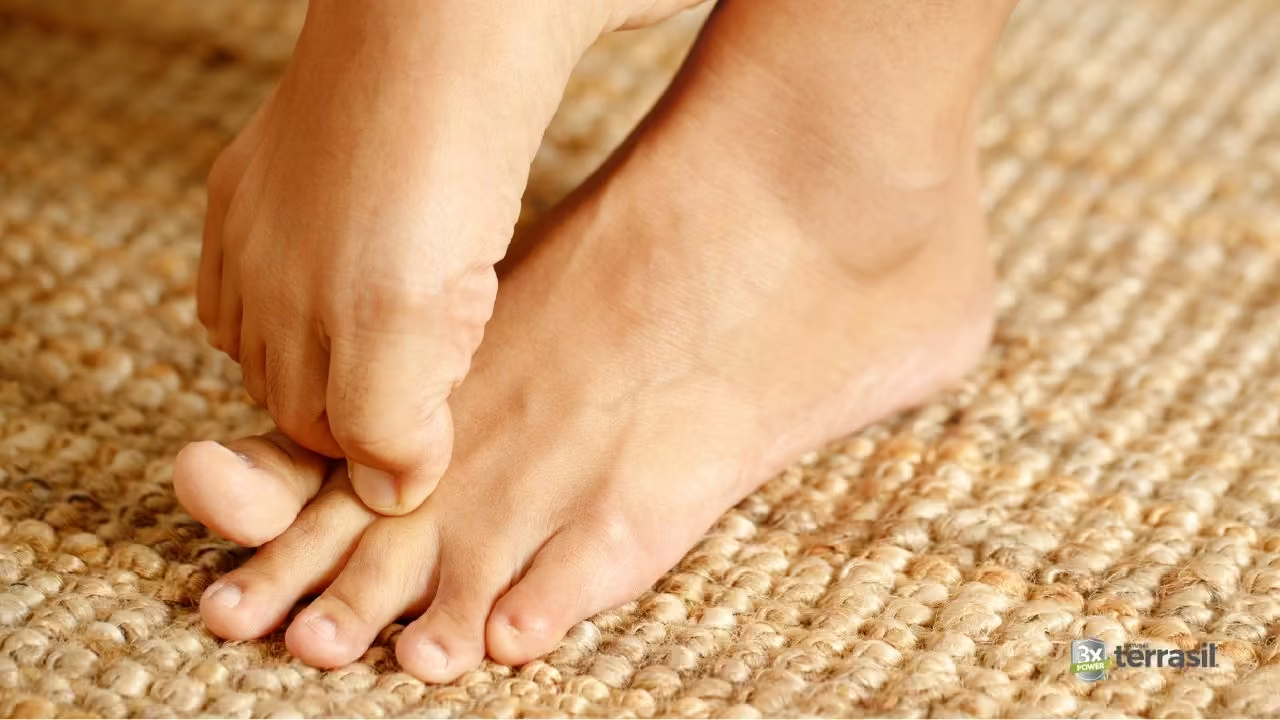
Itching foot with toes

The short answer

Athlete’s foot usually keeps coming back because the fungus never fully left. It can linger on your skin after symptoms fade, hide in your shoes, or wait on the floors and towels you use every day. In other words, it’s usually reinfection, not bad luck. 

 If this is your third (or fifth) round of itchy, peeling toes, take a breath. You are not doing something wrong, and you’re certainly not alone. Estimates suggest that 3% to 15% of people have athlete’s foot at any given time, and around 70% will deal with it at some point in their lives.1 The good news is that once you know where the fungus is hiding, the pattern gets a lot easier to break. A consistent routine that pairs daily foot habits with an FDA-recognized antifungal, like terrasil® Athlete’s Foot Antifungal Ointment, goes a long way. Here are the six most common reasons it returns.

Athlete’s Foot Relapse vs. Reinfection: What’s the Difference?
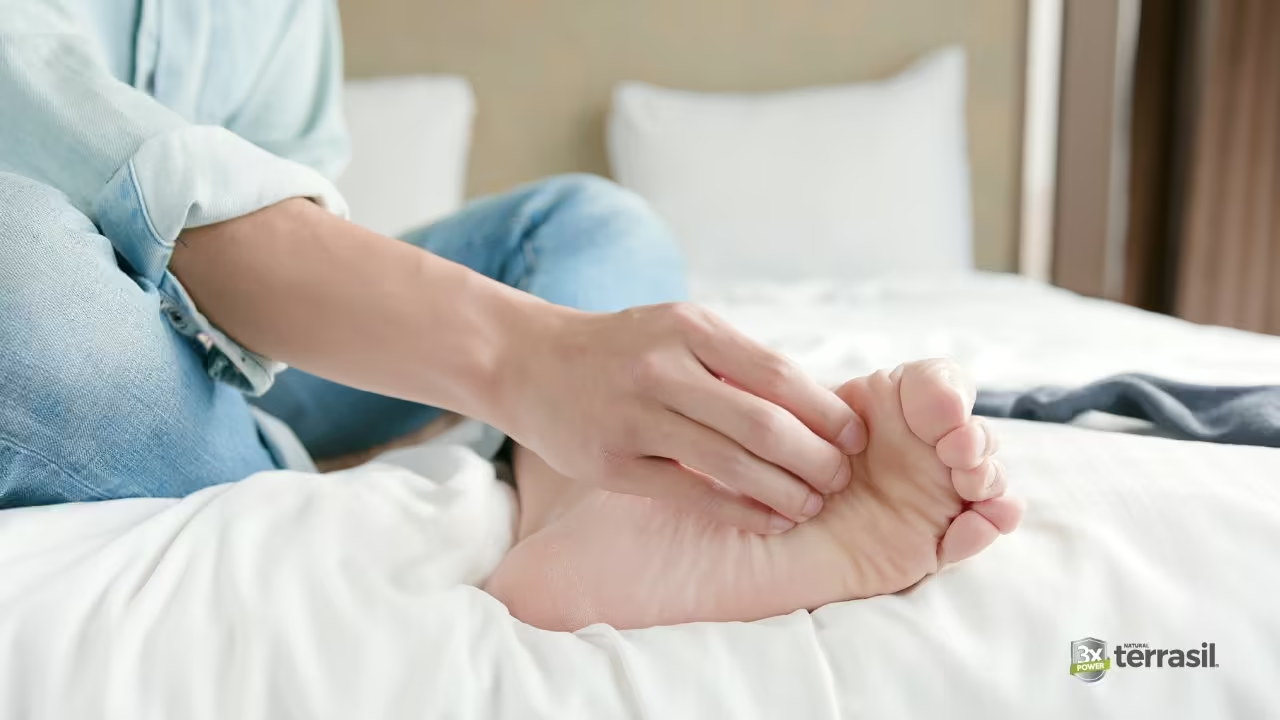
woman scratching foot

When athlete’s foot “comes back,” one of two things is happening. Either it never fully cleared in the first place (a relapse), or you picked it up again from somewhere (a reinfection). Both are common, and they often overlap. Athlete’s foot, known medically as tinea pedis, is caused by a group of fungi called dermatophytes. The most common culprit, Trichophyton rubrum, is behind roughly 70% of cases.3 These fungi love warm, dark, moist places, which is a pretty accurate description of the inside of a shoe.5

Reason 1: You Stopped Treatment Too Soon

checking cellphone

This is the big one, and it’s so easy to do. The itching calms down, the peeling slows, and it feels like the problem is over. But Cleveland Clinic is blunt about this: “Even if your symptoms go away, you may still have athlete’s foot,” and if you stop too soon, it may come back and be harder to treat.1 

How long is “long enough”? Medical references describe a typical topical course as about two to four weeks, with four weeks being common.3,4 Your product’s label is the final word, so follow its directions all the way through. A simple trick: set a calendar reminder for the last day of your routine, so you’re not guessing when to stop. 

Reason 2: Your Shoes Are Quietly Reinfecting You
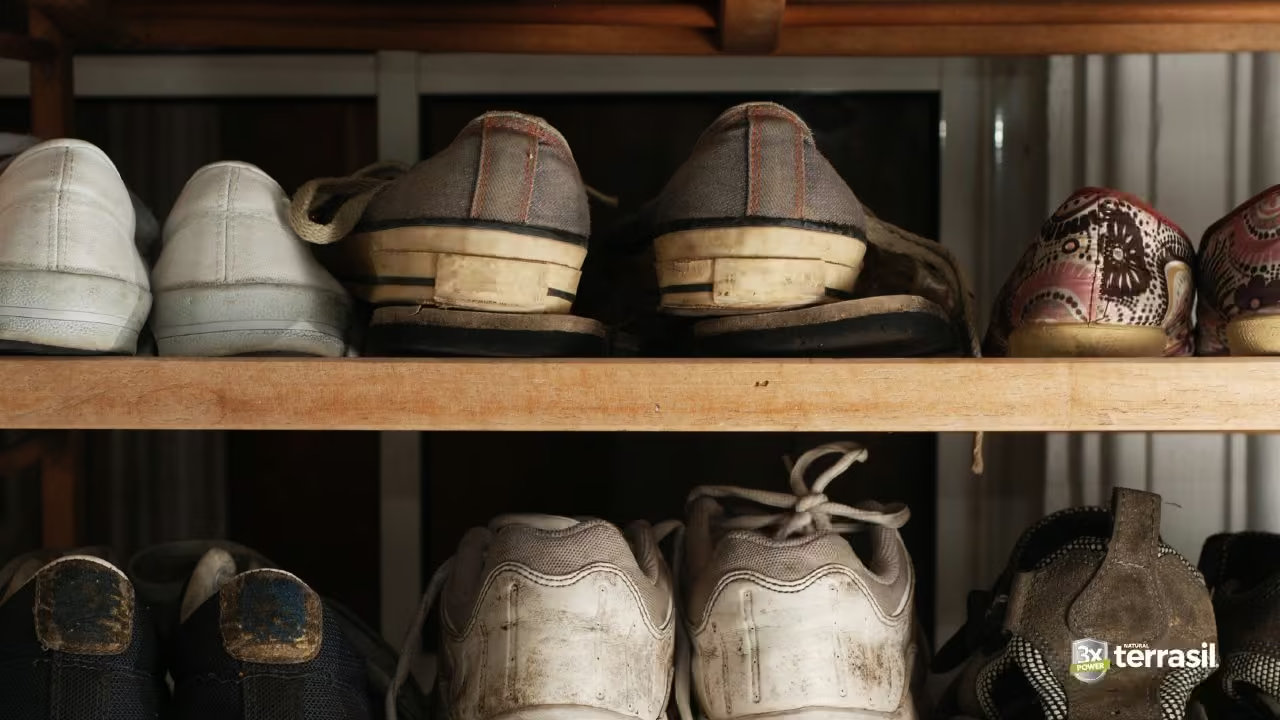
shoes on a rack

Picture it: you’ve done everything right for weeks, then you slip your feet back into the same sweaty gym sneakers you wore all summer. Shoes are one of the most overlooked reasons athlete’s foot returns. The American Academy of Dermatology points out that the fungus thrives in warm, moist areas, like the one created inside hot, sweaty shoes.2 

A few habits help here: 

  • Let shoes rest. Allow them to dry out for at least 24 hours between wears.1 
  • Rotate pairs. The AAD suggests alternating shoes each day, if possible, so they’re dry when you put them on.2 
  • Wash your socks in hot water.1 
  • Consider treating the shoes themselves. DermNet NZ lists applying antifungal powder to footwear as one way to help reduce recurrence.4  

Reason 3: Your Feet Never Fully Dry (Especially Between the Toes)
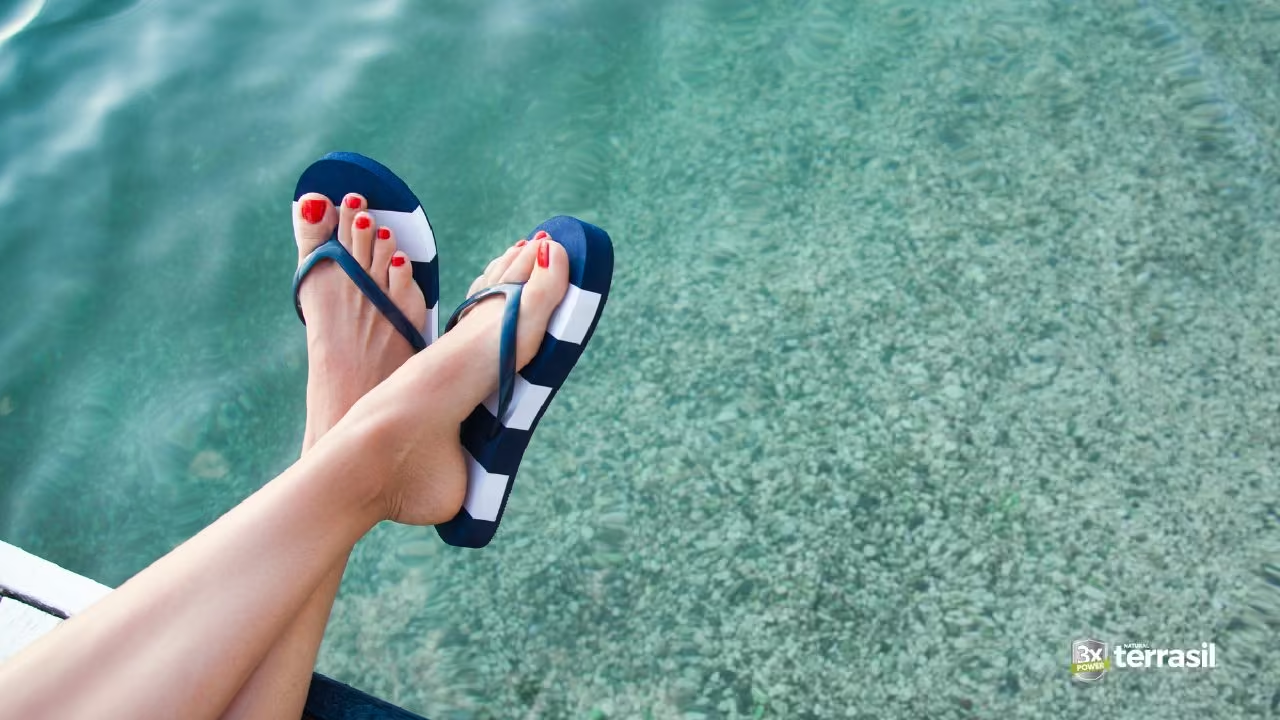
woman's feet in sandals by the beach

The webbing between your toes is the most common spot for athlete’s foot, and also the easiest place to miss with a towel. The AAD’s advice is simple: wash your feet every day with soap, and dry them completely afterward.2 The CDC adds that you should change your socks at least once a day.5 

Sock choice matters too. The AAD recommends socks made of natural fabrics, or fabrics that dry quickly or wick moisture away from the skin, and changing them more often if they get wet.2 A gentle, dedicated daily wash helps keep this step consistent; many people like the terrasil® Antifungal Cleansing Bar for their foot routine. Then pat, dry, and dry again between each toe. 

Reason 4: The Fungus Is Still Living Somewhere Nearby 
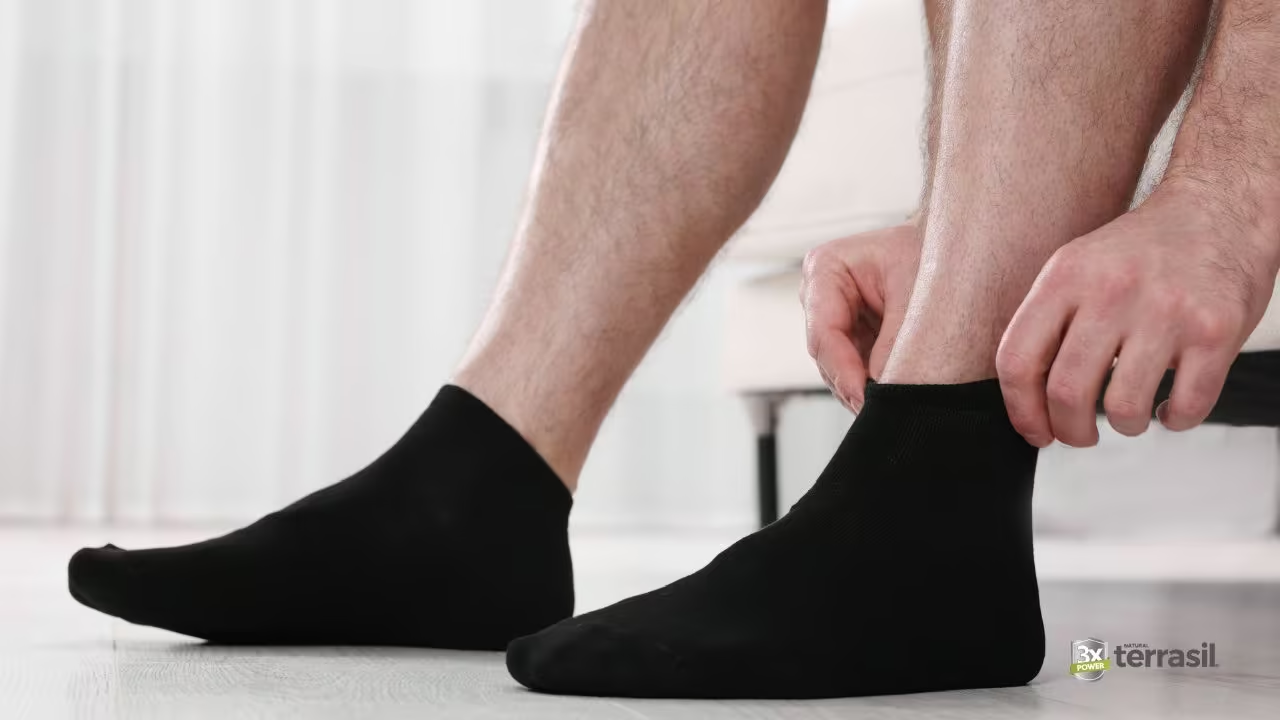
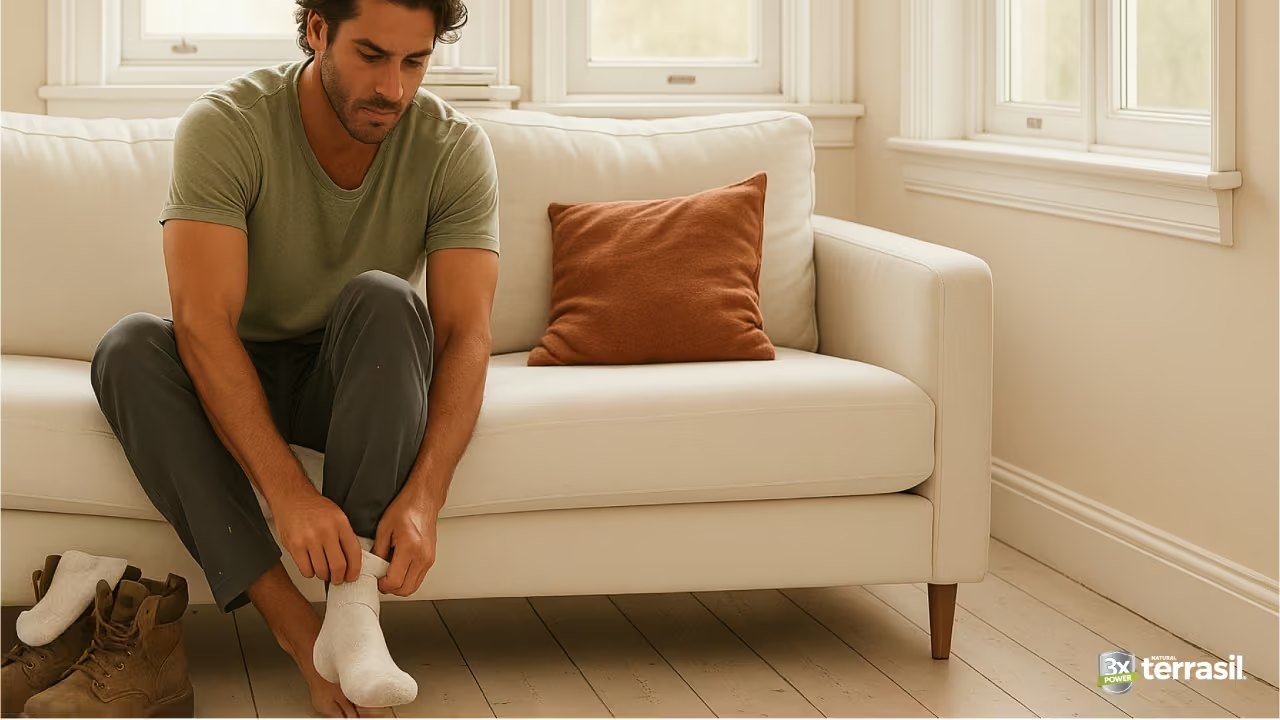
man putting on black socks

Sometimes the foot you’re treating isn’t the whole story. DermNet NZ lists several reasons a treatment may seem to fail, including a coexistent untreated fungal nail infection and reinfection from an untreated family member.4 StatPearls also notes that athlete’s foot that isn’t managed well can progress to the toenails.3 

The fungus can also travel. Mayo Clinic notes it can spread from the feet to other parts of the body, including the groin, and that athlete’s foot often comes back.6 Cleveland Clinic points to towels as a common way it hops from feet to groin.1 If that sounds familiar, our guide to jock itch relief covers that side of the story. Using a separate towel for your feet is a small change with a big payoff. 

Reason 5: Shared Floors, Towels, and Linens 
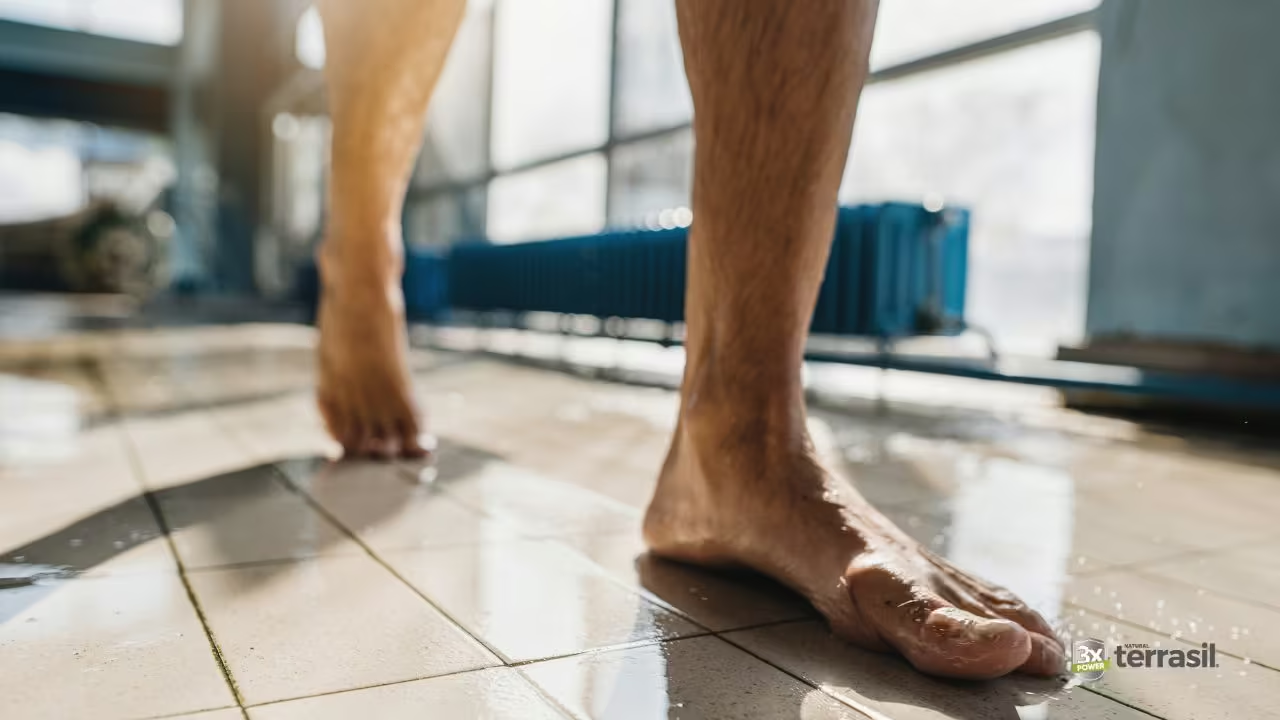
man's bare feet on wet tiles

You can pick the fungus up just by walking barefoot in the wrong place. StatPearls describes transmission through direct contact while walking barefoot in locker rooms, showers, and swimming complexes.3 The AAD’s advice is practical: wear shower shoes, flip-flops, or sandals around pools, gyms, shower and locker areas, and hotel rooms. They also say not to share towels, linens, or shoes with someone who has athlete’s foot.2 

If you live with someone whose feet are itchy too, it’s worth getting everyone on the same page, or you may simply pass it back and forth. 

Reason 6: It Might Not Be Athlete’s Foot at All 
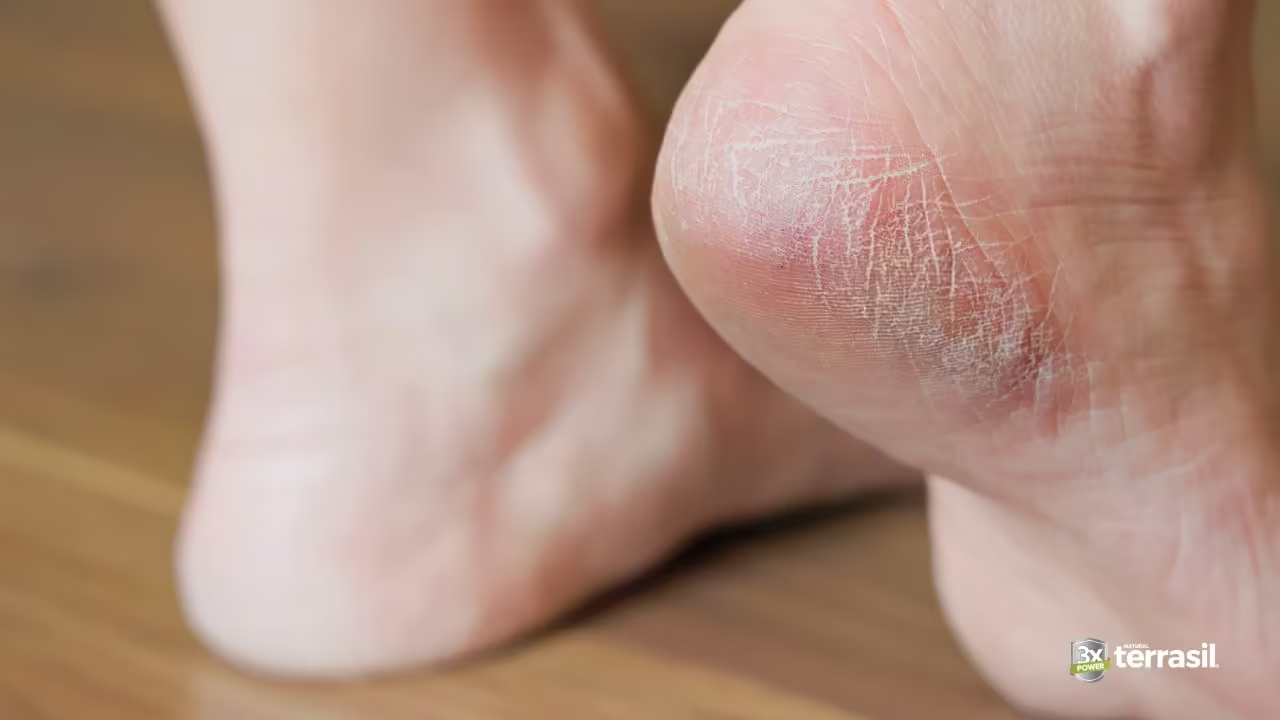
image of cracked heels

This one surprises people. DermNet NZ includes “an alternative diagnosis” on its list of reasons treatment doesn’t work.4 Dry, flaky skin on the feet can look similar to a fungal rash, which is one reason an antifungal routine may not seem to “stick.” If you’d like help comparing similar-looking rashes, this guide on how to identify tinea infections is a good place to start. 

How to Prevent Athlete’s Foot From Coming Back
reaching for terrasil antifungal soap and terrasil athelete's foot ointment

The idea is to stack small habits so the fungus has fewer places to survive. Here’s an easy daily rhythm: 

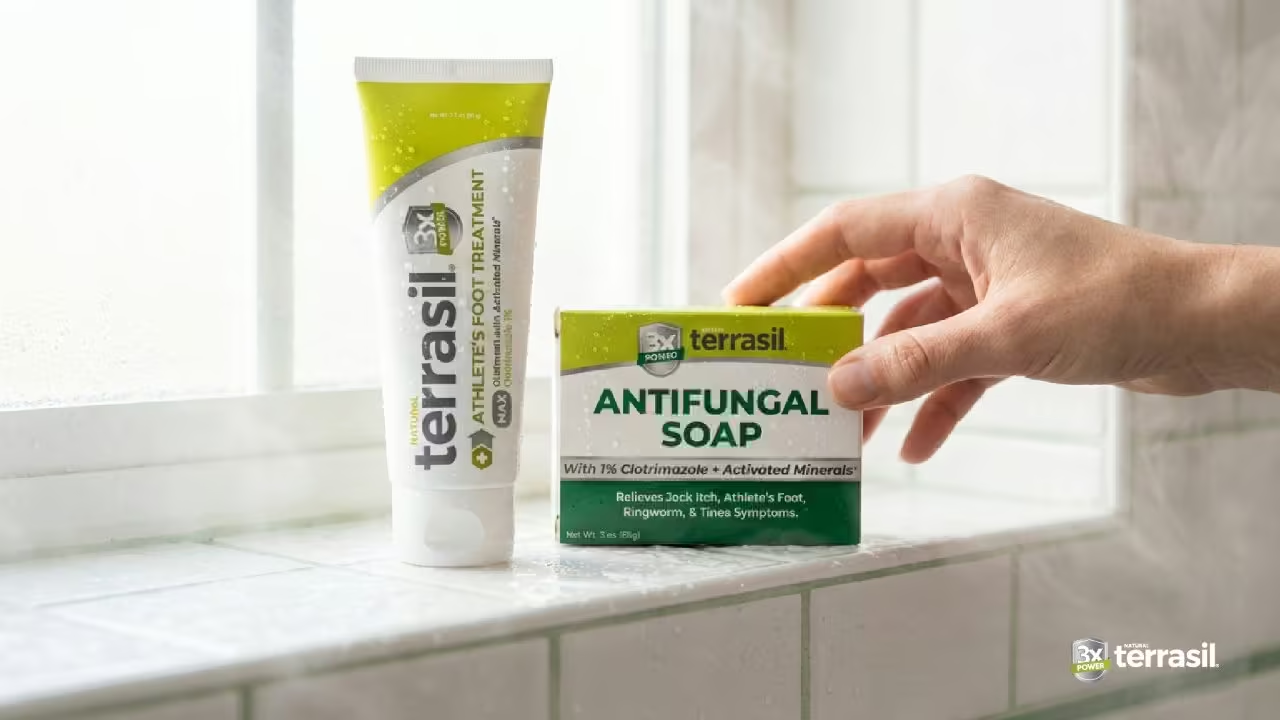
  1. Wash. Cleanse your feet daily and dry completely, especially between the toes. We recommend terrasil® Antifungal Cleansing Bar made with clinically proven to kill athlete’s foot clotrimazole 1% USP to help cleanse and prepare your skin for deeper treatment. 
  2. Apply. Use an antifungal treatment as directed on the product label.terrasil® Athlete’s Foot Antifungal Ointment contains clotrimazole 1%, an established antifungal active ingredient used to treat athlete’s foot.
  3. Keep going. Finish the full course, even after your skin looks and feels normal again. 
  4. Reset your gear. Fresh socks daily, rotate shoes, and give them a full day to dry. 
  5. Protect your feet in public. Flip-flops or shower shoes in locker rooms, pools, and hotel bathrooms. 

Because athlete’s foot is one of those conditions that loves a comeback, many people prefer not to run out mid-routine. That’s where Subscribe & Save comes in: you get 10% off with auto-delivery, and it’s fully flexible, so you can adjust or pause whenever you need to. 

For a deeper look at products and what the label supports, read our full athlete’s foot treatment guide. 

Frequently Asked Questions 

The Bottom Line

If athlete’s foot keeps coming back, it’s rarely random. It’s almost always timing, shoes, moisture, or exposure, and every one of those can be adjusted. Finish your full routine, give your shoes time to dry, keep your feet bone dry between the toes, and protect them in shared spaces. Pair those habits with a consistent antifungal like terrasil® Athlete’s Foot Antifungal Ointment, and you give yourself the best shot at keeping this one in the past. 

References 

  1. Cleveland Clinic. “Athlete’s Foot (Tinea Pedis): Symptoms & Treatment.” my.clevelandclinic.org/health/diseases/22139-athletes-foot-tinea-pedis
  2. American Academy of Dermatology Association. “How to prevent athlete’s foot.” aad.org/public/diseases/a-z/athletes-foot-prevent
  3. StatPearls / National Center for Biotechnology Information (NCBI). “Tinea Pedis.” ncbi.nlm.nih.gov/books/NBK470421
  4. DermNet NZ. “Tinea pedis (fungal foot infection).” dermnetnz.org/topics/tinea-pedis
  5. Centers for Disease Control and Prevention (CDC). “Healthy Habits: Foot Hygiene.” cdc.gov/hygiene/about/foot-hygiene.html
  6. Mayo Clinic. “Athlete’s foot: Symptoms and causes.” mayoclinic.org/diseases-conditions/athletes-foot/symptoms-causes/syc-20353841
Best Athlete’s Foot Treatment: Fast Relief for Itchy, Burning Feet

terrasil silver accent terrasil silver accent
Best Athlete's Foot Treatment

Introduction

Ever notice how that burning, annoying itch between your toes always seems to strike at the worst possible moment? Maybe you’re at work, in the middle of a meeting, or trying to enjoy a night out—or worse, when you’re exhausted and trying to fall asleep at night. 

Welcome to the world of athlete’s foot, medically known as tinea pedis. It’s one of the most common fungal infections out there, and despite the name, you definitely don’t need to be an athlete to get it. That locker room floor, those sweaty gym socks, even your favorite pair of sneakers—they’re all potential breeding grounds for the stubborn fungi behind this frustratingly persistent condition. 

Here’s the good news: effective athlete’s foot treatment exists, and when you choose the right approach, relief can come faster than you might think. terrasil® Athlete’s Foot Antifungal Ointment combines FDA-recognized clotrimazole 1% with patented Activated Minerals® technology to kill fungus while soothing irritated skin—delivering results up to 3X faster than major brands. In this guide, we’ll break down everything you need to know about treating athlete’s foot, from recognizing the early signs to preventing it from coming back.

If you’re wondering what actually works for athlete’s foot, dermatologists typically recommend topical antifungals like clotrimazole 1%, used consistently for 2–4 weeks. terrasil® Athlete’s Foot Antifungal Ointment combines this proven ingredient with Activated Minerals® for faster relief.

What is Athlete’s Foot?

types of athlete's foot infographic

Athlete’s foot is a fungal infection caused by dermatophytes—microscopic fungi that thrive on keratin, the protein found in your skin, hair, and nails.¹ These organisms absolutely love warm, moist environments, which explains why your feet are such prime real estate. 

The infection typically starts between the toes, where sweat and moisture get trapped, but it can spread to the soles, sides, and even toenails if left untreated. What most people don’t realize is just how contagious athlete’s foot actually is. You can pick it up from walking barefoot in public showers, sharing towels, or even from contaminated surfaces that touched an infected person even days later¹. 

Recognizing the Symptoms

itchy feet next to close-toed shoes

The symptoms of athlete’s foot can range from mildly annoying to genuinely uncomfortable. Here’s what to watch for:² 

  • Intense itching and burning between the toes or on the soles—the kind that demands your attention 
  • Red, scaly, or flaky skin that looks raw and irritated 
  • Peeling or cracking skin, especially between the toes 
  • Blisters or ulcers in more severe cases 
  • Dry, scaly patches on the bottom or sides of your feet 
  • Thickened, discolored skin that feels rough to the touch 
  • Unpleasant odor from bacterial overgrowth in the affected areas 

If you’re seeing any combination of these signs, especially if they’re not improving with regular foot care, it’s time to consider athlete’s foot treatment. 

What Causes Athlete’s Foot?

Athletes Foot Causes

The culprits behind athlete’s foot are dermatophyte fungi, particularly species from the Trichophyton family. These hardy organisms can survive on surfaces for weeks, patiently waiting for their next host.³ 

Athlete’s foot is highly contagious and can spread to your hands (tinea manuum) or groin (tinea cruris) if untreated.

You’re more likely to develop athlete’s foot if you: 

  • Frequent public pools, gyms, or locker rooms where fungi thrive on damp floors 
  • Wear tight, non-breathable shoes that trap sweat against your skin 
  • Have sweaty feet or excessive foot perspiration (a condition called hyperhidrosis) 
  • Share towels, socks, or shoes with others—even family members 
  • Walk barefoot in communal areas like hotel rooms or dormitories 
  • Have a weakened immune system or poor circulation 
  • Previously had athlete’s foot—recurrence is common without proper prevention 

Here’s the tricky part: the fungus doesn’t just live on your feet. It can contaminate your socks, shoes, towels, and even your bed sheets, creating a cycle of reinfection that makes the condition incredibly stubborn to eliminate. 

Effective Athlete’s Foot Treatment Options 

terrasil® Athlete's Foot Ointment shown on sink

Treating athlete’s foot requires a two-pronged approach: killing the fungus and preventing reinfection. Let’s break down what actually works. 

1. Use an FDA-Recognized Antifungal Ointment 

The gold standard for over-the-counter athlete’s foot treatment is clotrimazole 1%, an FDA-recognized antifungal ingredient that effectively treats tinea pedis by disrupting the fungal cell membrane.⁴ 

terrasil Athlete’s Foot Antifungal Ointment takes this proven active ingredient and pairs it with patented Activated Minerals®—a unique technology that accelerates your skin’s natural healing process while delivering faster, more effective relief. This means you get relief from itching, burning, and scaling while the treatment kills the fungus up to 3X faster than major brands. 

What you’ll notice when using terrasil Athlete’s Foot Antifungal Ointment: 

  • Rapid itch relief—often within the first few applications 
  • Reduced redness and inflammation as the Activated Minerals® support natural skin healing 
  • Prevention of fungal spread to other areas of your foot or to your toenails 
  • Natural moisturizing from jojoba oil and beeswax, so your skin doesn’t dry out during treatment 

Apply the ointment twice daily to clean, dry feet, paying special attention to the areas between your toes and any other affected spots. Continue treatment for 2-4 weeks, or as directed by your healthcare provider—even after symptoms improve. 

For a versatile option that works on any type of fungal skin infection and makes an excellent addition to your first aid kit, terrasil Antifungal Treatment MAX offers the same powerful combination of clotrimazole 1% and Activated Minerals® technology in a formula suitable for athlete’s foot, jock itch, ringworm, and other tinea infections. 

2. Cleanse Daily With Antifungal Soap 

terrasil antifungal soap in shower soaping foot

Using antifungal soap alongside a topical ointment improves your chances of full clearance.

Regular body soap cleans your feet, but it doesn’t address the fungal spores that cling to your skin and lurk in the crevices between your toes. That’s where an antifungal cleansing bar becomes essential. 

terrasil Antifungal Cleansing Bar is formulated to remove fungal spores while remaining gentle enough for daily use on sensitive, irritated skin. It features Clotrimazol, a clinically proven antifungal, along with natural ingredients like tea tree oil and calendula that support skin balance, plus the same Activated Minerals® technology found in the ointment to help prevent reinfection. 

Use it every time you shower, working it into a rich lather and paying careful attention to the spaces between your toes. Pat your feet completely dry afterward—fungi thrive in moisture, so eliminating dampness is essential. 

3. Keep Your Feet Dry 

Drying foot with towel

This sounds almost too simple, but it’s where most athletes’ foot treatment plans succeed or fail. Dermatophytes need moisture to survive and multiply, which means every time you leave your feet damp, you’re essentially creating a five-star resort for fungi.³ 

After showering, swimming, or any activity that makes your feet sweat: 

  • Pat your feet completely dry with a clean towel 
  • Pay extra attention to the spaces between each toe 
  • Consider using a hairdryer on the cool setting if you’re prone to trapped moisture 
  • Apply your antifungal ointment only after your feet are bone-dry 
  • Change socks immediately if they become damp 

4. Treat Your Footwear and Linens 

spraying shoe with cleaning solution

Remember how hardy these fungi are? They can live in your shoes for weeks, waiting to reinfect you the moment you think you’re in the clear. Breaking the reinfection cycle means treating everything your feet touch.⁴ 

Here’s what actually works: 

  • Spray your shoes with antifungal spray or powder daily during treatment 
  • Alternate between at least two pairs of shoes so each pair has 24 hours to dry completely 
  • Wash socks in hot water and dry on the highest heat setting 
  • Don’t go barefoot at home until the infection clears—wear clean socks or slippers (even on the couch) 
  • Wash bed sheets weekly in hot water if you sleep without socks 
  • Disinfect shower floors and bathtub surfaces regularly 

5. How to Get Rid of Athlete’s Foot That’s Out of Control 

Most cases of athlete’s foot respond well to over-the-counter antifungal treatment like terrasil® Athlete’s Foot Antifungal Ointment. However, if your infection has spread and involves your toenails, covers large areas of your feet, or doesn’t improve after 4 weeks of consistent treatment, if you haven’t done so already, consult a healthcare provider. They may recommend oral antifungal medications that work from the inside out.² 

Myths vs. Truths About Athlete’s Foot 

Let’s clear up some common misconceptions: 

Myth
Truth
Only athletes get athlete’s foot. 
Anyone can develop this fungal infection—you don’t need to play sports or visit gyms. 
It will go away on its own. 
Without proper antifungal treatment, athlete’s foot typically worsens and spreads over time. 
Once it’s gone, you’re immune. 
Athlete’s foot can return if you’re exposed to the fungus again. Prevention is ongoing. 
You only need to treat the itchy parts. 
The entire foot may be affected even if only certain areas itch. Treat all infected areas. 
Natural remedies like vinegar work just as well. 
While some natural ingredients may soothe symptoms, they don’t eliminate the fungus like FDA-recognized antifungal agents. 

Prevention: Stop Athlete’s Foot Before It Starts 

sandal and foot powder

Preventing athlete’s foot is far easier than treating it. Here’s your game plan:¹ 

  • Wear flip-flops or shower shoes in public showers, locker rooms, pool areas, and hotel bathrooms 
  • Dry your feet thoroughly after bathing or swimming—don’t skip between the toes 
  • Choose breathable footwear made from materials like leather or mesh that allow air circulation 
  • Alternate shoes daily to give each pair time to dry completely 
  • Change socks at least once daily, or more often if your feet sweat 
  • Use antifungal powder in your shoes if you’re prone to sweaty feet 
  • Never share towels, socks, or shoes—even with close family members 
  • Treat athlete’s foot promptly if it develops to prevent spread to toenails or other body areas 

lightbulbPro Tip: Keep a tube of terrasil Antifungal Treatment MAX in your gym bag or travel kit. At the first sign of itching or irritation, apply it immediately to stop the infection before it takes hold. 

Following these prevention steps consistently is the best way to stop athlete’s foot from returning.

Frequently Asked Questions 

The Bottom Line 

Athlete’s foot is common, uncomfortable, and frustratingly persistent—but it’s also highly treatable when you use the right approach. The key is combining an FDA-recognized antifungal ingredient with consistent application and smart prevention strategies. 

terrasil Athlete’s Foot Antifungal Ointment delivers proven relief by pairing clotrimazole 1% with patented Activated Minerals® technology that accelerates treatment while soothing irritated skin. When paired with daily cleansing using terrasil Antifungal Cleansing Bar, you create a complete care routine that not only treats the current infection but helps prevent recurrence. 

Remember: Consistency beats intensity every time. Apply your treatment twice daily, keep your feet dry, treat your footwear, and don’t stop just because the symptoms improve. Give your treatment the full 2-4 weeks to eliminate the fungus completely, and you’ll break the cycle of reinfection that makes athlete’s foot such a stubborn opponent. 

Your feet carry you through life – give them the care they deserve. 

References 

  1. Centers for Disease Control and Prevention (CDC). “Fungal Diseases: Athlete’s Foot (Tinea Pedis).” Available at: https://www.cdc.gov/fungal/diseases/ringworm/athlete-foot.html 
  2. American Academy of Dermatology (AAD). “Athlete’s Foot: Signs and Symptoms.” Available at: https://www.aad.org/public/diseases/a-z/athletes-foot-symptoms 
  3. Mayo Clinic. “Athlete’s Foot: Symptoms and Causes.” Available at: https://www.mayoclinic.org/diseases-conditions/athletes-foot/symptoms-causes/syc-20353841 

  4. Cleveland Clinic. “Athlete’s Foot (Tinea Pedis).” Available at: https://my.clevelandclinic.org/health/diseases/4828-athletes-foot 

Disclaimer 

This content is for educational purposes only and is not a substitute for professional medical advice. Over-the-counter antifungal products containing clotrimazole 1% are FDA-recognized for the treatment of athlete’s foot (tinea pedis).