



The short answer
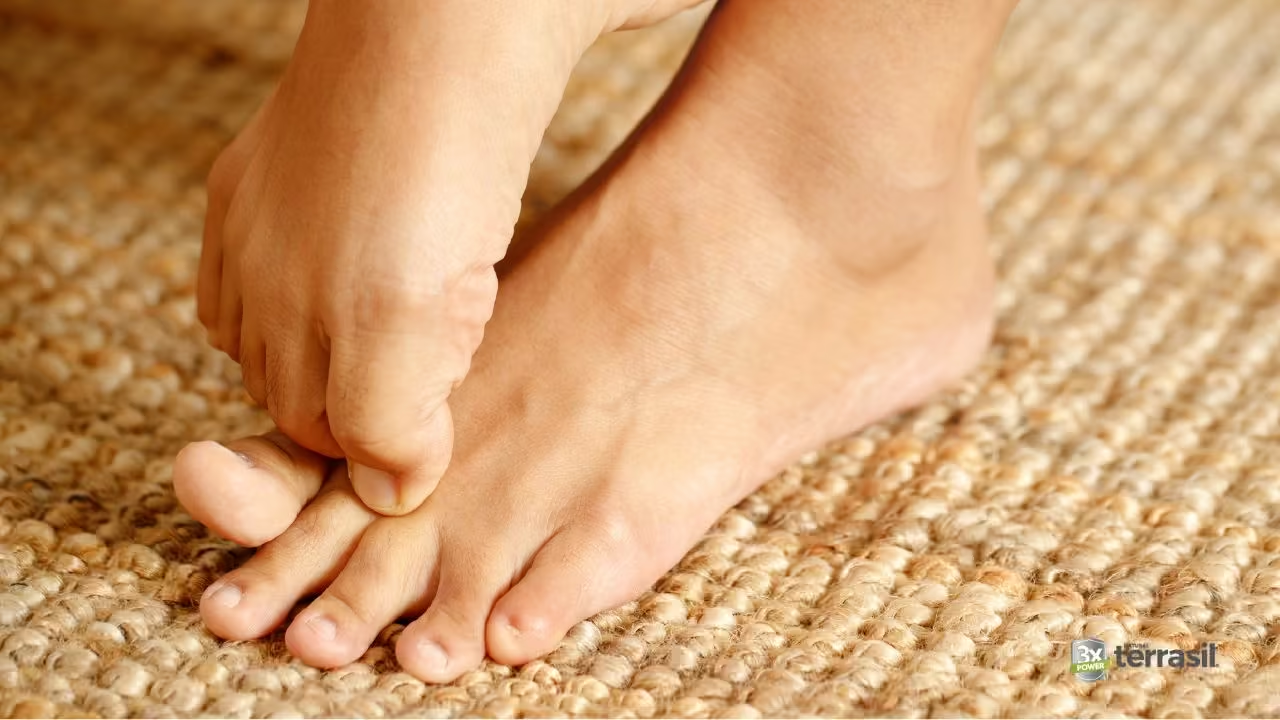
Athlete’s foot usually keeps coming back because the fungus never fully left. It can linger on your skin after symptoms fade, hide in your shoes, or wait on the floors and towels you use every day. In other words, its usually reinfection, not bad luck.
If this is your third (or fifth) round of itchy, peeling toes, take a breath. You are not doing something wrong, and you’re certainly not alone. Estimates suggest that 3% to 15% of people have athlete’s foot at any given time, and around 70% will deal with it at some point in their lives.1 The good news is that once you know where the fungus is hiding, the pattern gets a lot easier to break. A consistent routine that pairs daily foot habits with an FDA-recognized antifungal, like terrasil® Athlete’s Foot Antifungal Ointment, goes a long way. Here are the six most common reasons it returns.
First, a Quick Distinction: Relapse vs. Reinfection
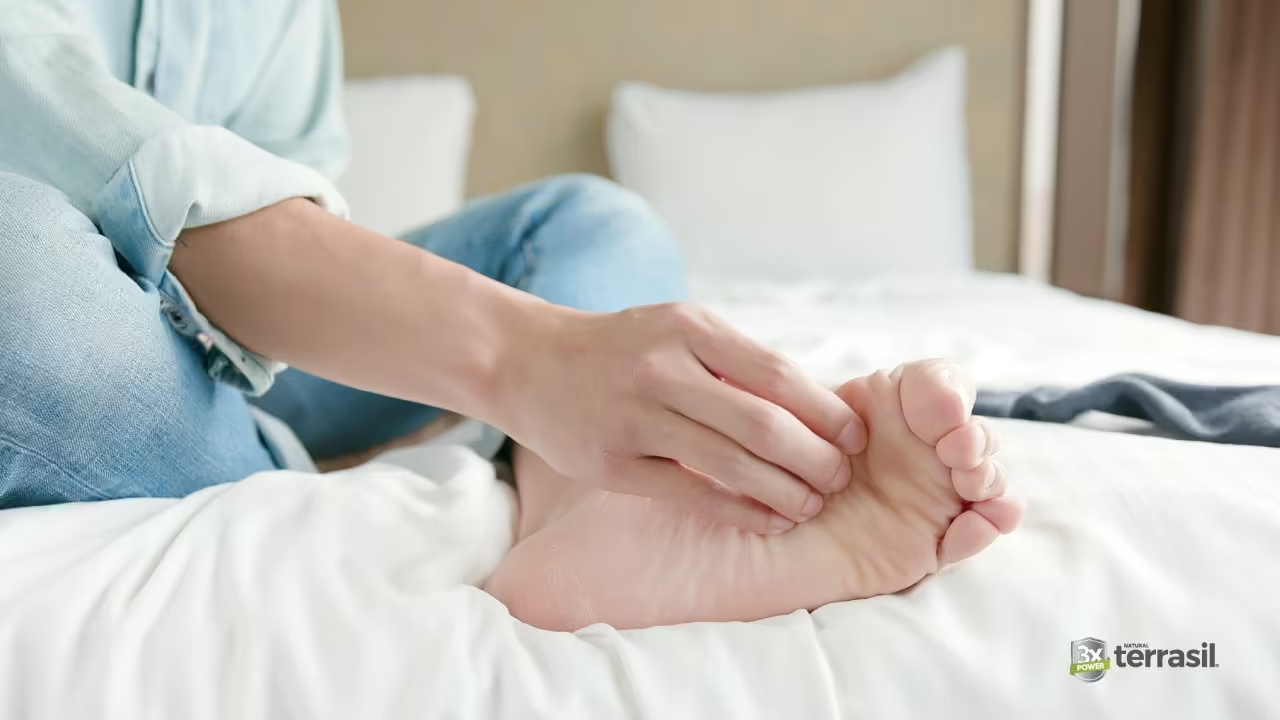
When athlete’s foot “comes back,” one of two things is happening. Either it never fully cleared in the first place (a relapse), or you picked it up again from somewhere (a reinfection). Both are common, and they often overlap. Athlete’s foot, known medically as tinea pedis, is caused by a group of fungi called dermatophytes. The most common culprit, Trichophyton rubrum, is behind roughly 70% of cases.3 These fungi love warm, dark, moist places, which is a pretty accurate description of the inside of a shoe.5
Reason 1: You Stopped Treatment Too Soon

This is the big one, and it’s so easy to do. The itching calms down, the peeling slows, and it feels like the problem is over. But Cleveland Clinic is blunt about this: “Even if your symptoms go away, you may still have athlete’s foot,” and if you stop too soon, it may come back and be harder to treat.1
How long is “long enough”? Medical references describe a typical topical course as about two to four weeks, with four weeks being common.3,4 Your product’s label is the final word, so follow its directions all the way through. A simple trick: set a calendar reminder for the last day of your routine, so you’re not guessing when to stop.
Reason 2: Your Shoes Are Quietly Reinfecting You
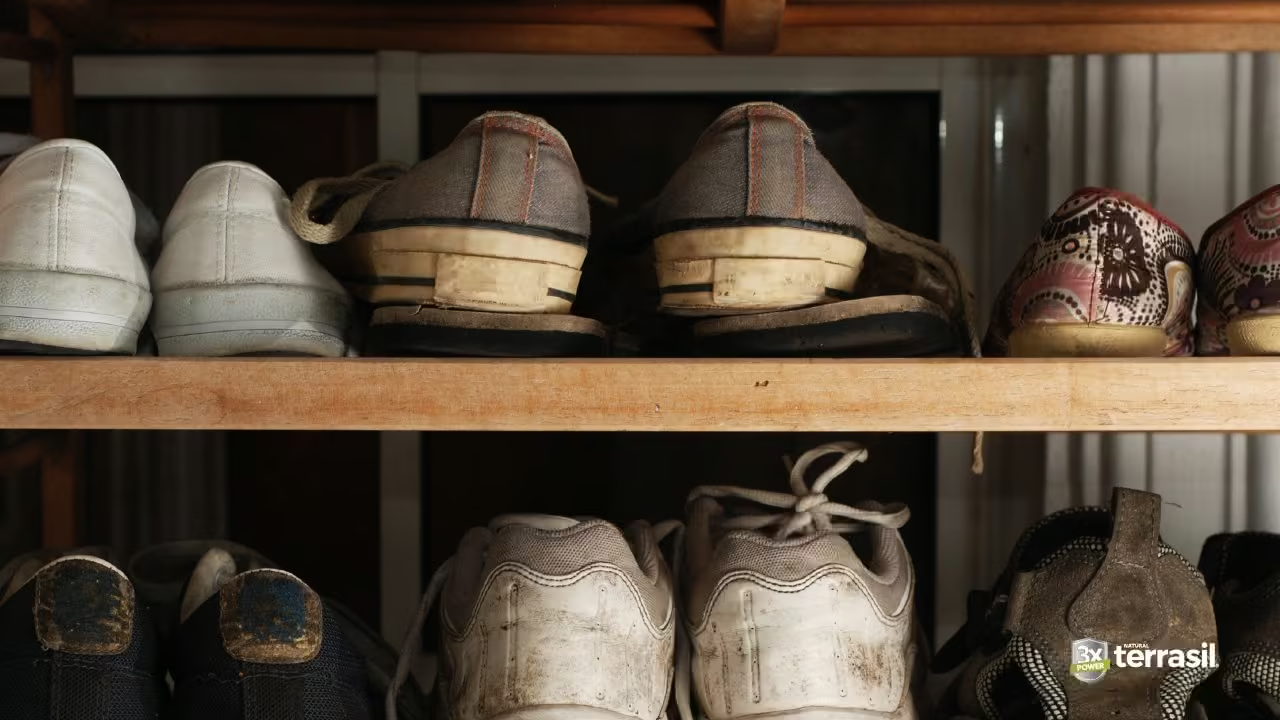
Picture it: you’ve done everything right for weeks, then you slip your feet back into the same sweaty gym sneakers you wore all summer. Shoes are one of the most overlooked reasons athlete’s foot returns. The American Academy of Dermatology points out that the fungus thrives in warm, moist areas, like the one created inside hot, sweaty shoes.2
A few habits help here:
- Let shoes rest. Allow them to dry out for at least 24 hours between wears.1
- Rotate pairs. The AAD suggests alternating shoes each day, if possible, so they’re dry when you put them on.2
- Wash your socks in hot water.1
- Consider treating the shoes themselves. DermNet NZ lists applying antifungal powder to footwear as one way to help reduce recurrence.4
Reason 3: Your Feet Never Fully Dry (Especially Between the Toes)
The webbing between your toes is the most common spot for athlete’s foot, and also the easiest place to miss with a towel. The AAD’s advice is simple: wash your feet every day with soap, and dry them completely afterward.2 The CDC adds that you should change your socks at least once a day.5
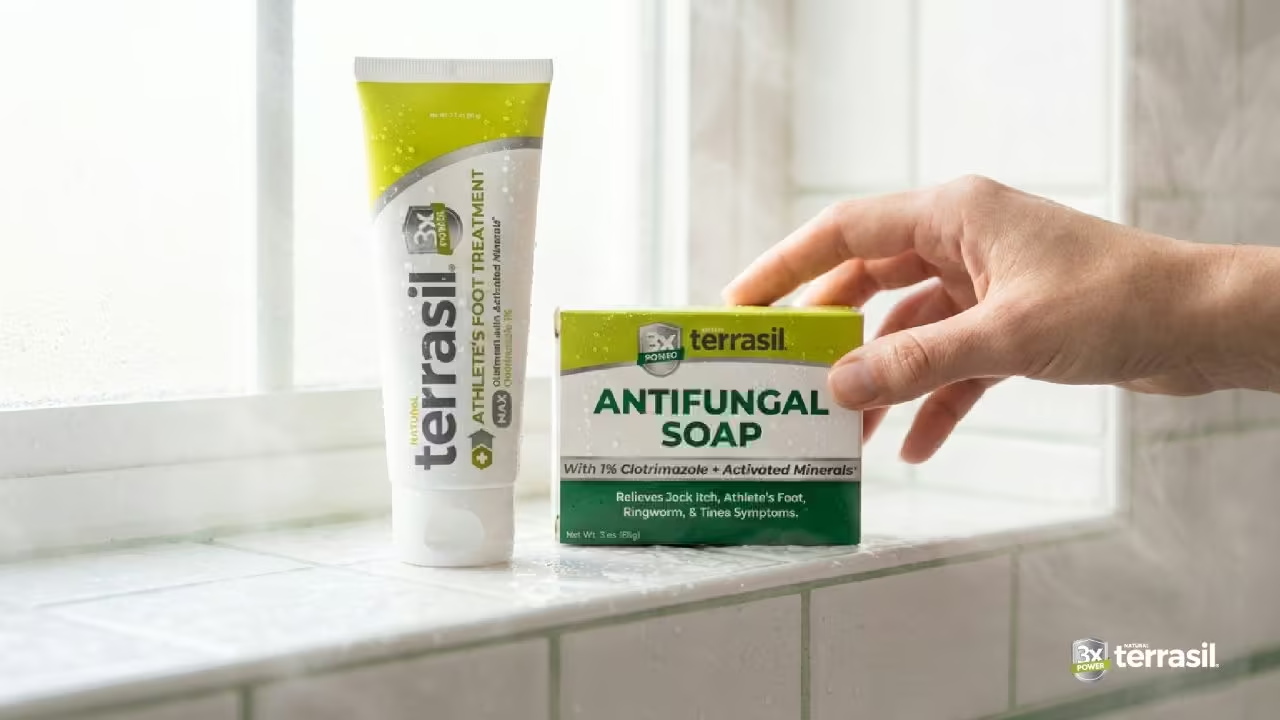
Sock choice matters too. The AAD recommends socks made of natural fabrics, or fabrics that dry quickly or wick moisture away from the skin, and changing them more often if they get wet.2 A gentle, dedicated daily wash helps keep this step consistent; many people like the terrasil® Antifungal Cleansing Bar for their foot routine. Then pat, dry, and dry again between each toe.
Reason 4: The Fungus Is Still Living Somewhere Nearby
Sometimes the foot you’re treating isn’t the whole story. DermNet NZ lists several reasons a treatment may seem to fail, including a coexistent untreated fungal nail infection and reinfection from an untreated family member.4 StatPearls also notes that athlete’s foot that isn’t managed well can progress to the toenails.3
The fungus can also travel. Mayo Clinic notes it can spread from the feet to other parts of the body, including the groin, and that athlete’s foot often comes back.6 Cleveland Clinic points to towels as a common way it hops from feet to groin.1 If that sounds familiar, our guide to jock itch relief covers that side of the story. Using a separate towel for your feet is a small change with a big payoff.
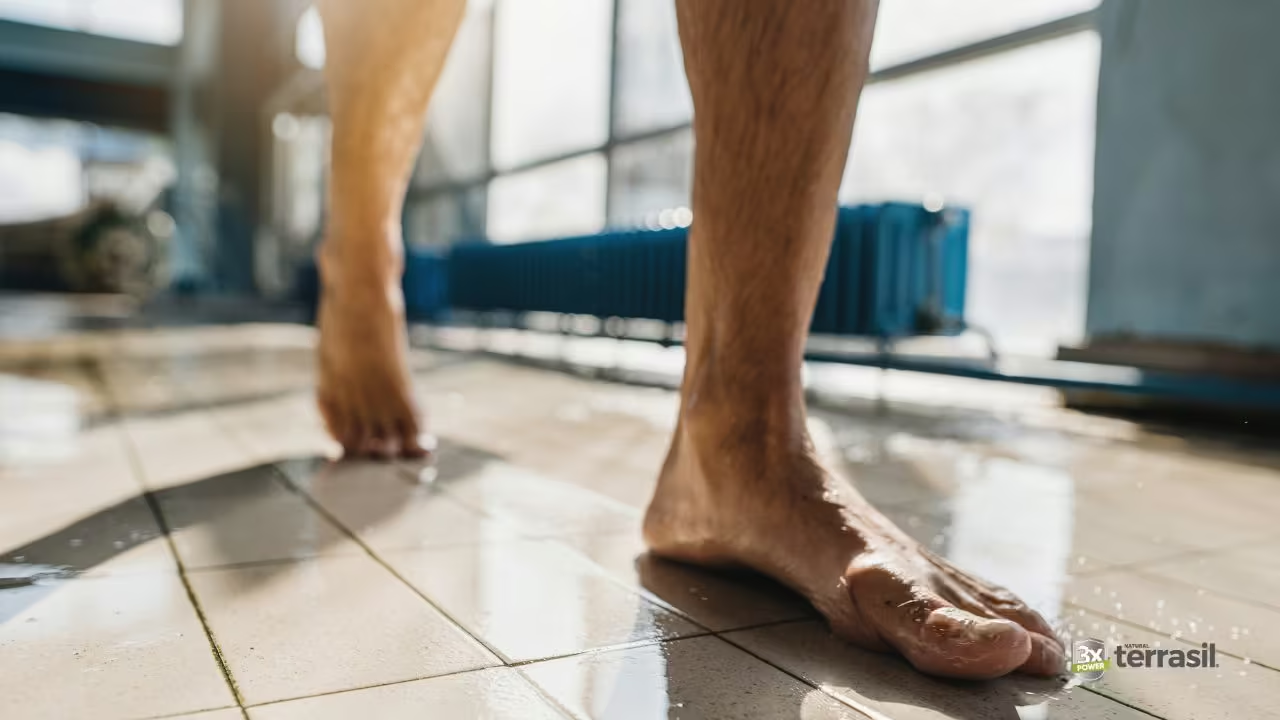
You can pick the fungus up just by walking barefoot in the wrong place. StatPearls describes transmission through direct contact while walking barefoot in locker rooms, showers, and swimming complexes.3 The AAD’s advice is practical: wear shower shoes, flip-flops, or sandals around pools, gyms, shower and locker areas, and hotel rooms. They also say not to share towels, linens, or shoes with someone who has athlete’s foot.2
If you live with someone whose feet are itchy too, it’s worth getting everyone on the same page, or you may simply pass it back and forth.
Reason 6: It Might Not Be Athlete’s Foot at All
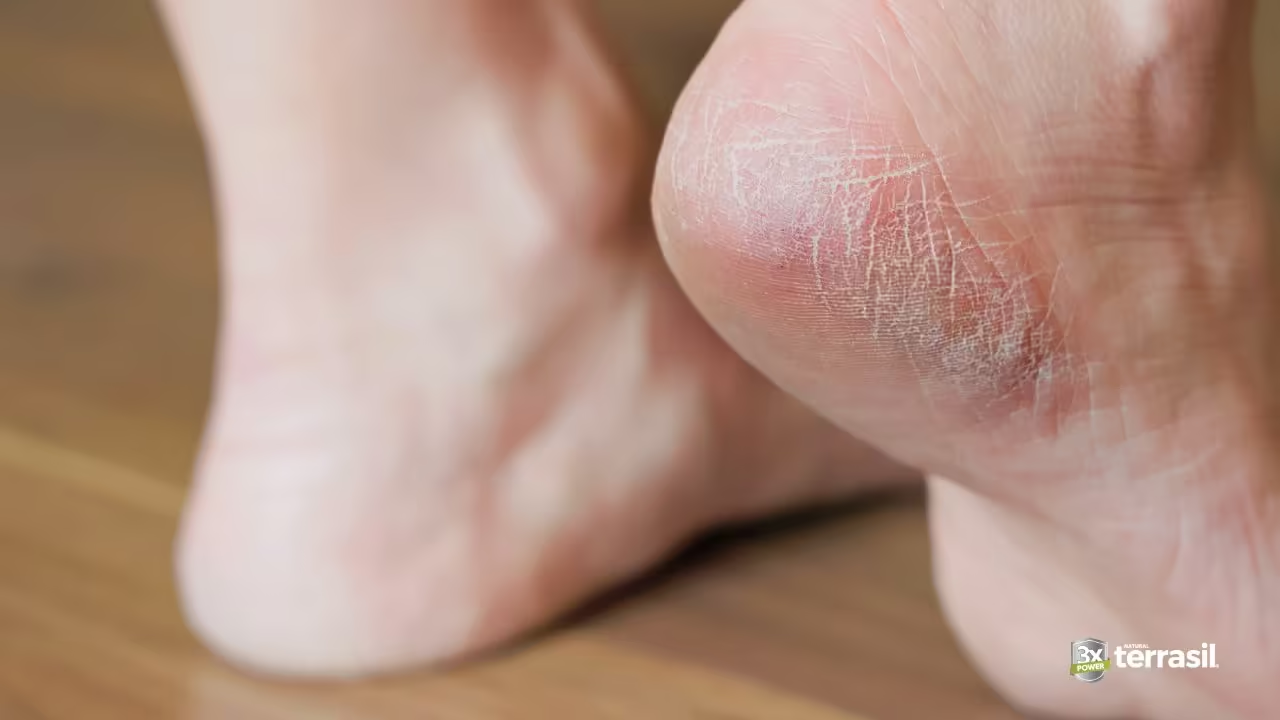
This one surprises people. DermNet NZ includes “an alternative diagnosis” on its list of reasons treatment doesn’t work.4 Dry, flaky skin on the feet can look similar to a fungal rash, which is one reason an antifungal routine may not seem to “stick.” If you’d like help comparing similar-looking rashes, this guide on how to identify tinea infections is a good place to start.
A Simple Routine to Help Break the Cycle
The idea is to stack small habits so the fungus has fewer places to survive. Here’s an easy daily rhythm:
- Wash. Cleanse your feet daily and dry completely, especially between the toes. We recommend terrasil® Antifungal Cleansing Bar made with clinically proven to kill athlete’s foot clotrimazole 1% USP to help cleanse and prepare your skin for deeper treatment.
- Apply. Use a thin layer of an FDA-recognized antifungal as directed on the label. terrasil® Athlete’s Foot Antifungal Ointment, which also contains clotrimazole 1% USP, an FDA-recognized active ingredient for athlete’s foot, paired with our patented Activated Minerals® and beneficial botanicals, a combination found in no other antifungal. A little goes a long way, so a thin layer is all you need.
- Keep going. Finish the full course, even after your skin looks and feels normal again.
- Reset your gear. Fresh socks daily, rotate shoes, and give them a full day to dry.
- Protect your feet in public. Flip-flops or shower shoes in locker rooms, pools, and hotel bathrooms.
Because athlete’s foot is one of those conditions that loves a comeback, many people prefer not to run out mid-routine. That’s where Subscribe & Save comes in: you get 10% off with auto-delivery, and it’s fully flexible, so you can adjust or pause whenever you need to.
For a deeper look at products and what the label supports, you can also read our full athlete’s foot treatment guide.
Frequently Asked Questions
The Bottom Line
If athlete’s foot keeps coming back, it’s rarely random. It’s almost always timing, shoes, moisture, or exposure, and every one of those can be adjusted. Finish your full routine, give your shoes time to dry, keep your feet bone dry between the toes, and protect them in shared spaces. Pair those habits with a consistent antifungal like terrasil® Athlete’s Foot Antifungal Ointment, and you give yourself the best shot at keeping this one in the past.
References
- Cleveland Clinic. “Athlete’s Foot (Tinea Pedis): Symptoms & Treatment.” my.clevelandclinic.org/health/diseases/22139-athletes-foot-tinea-pedis
- American Academy of Dermatology Association. “How to prevent athlete’s foot.” aad.org/public/diseases/a-z/athletes-foot-prevent
- StatPearls / National Center for Biotechnology Information (NCBI). “Tinea Pedis.” ncbi.nlm.nih.gov/books/NBK470421
- DermNet NZ. “Tinea pedis (fungal foot infection).” dermnetnz.org/topics/tinea-pedis
- Centers for Disease Control and Prevention (CDC). “Healthy Habits: Foot Hygiene.” cdc.gov/hygiene/about/foot-hygiene.html
- Mayo Clinic. “Athlete’s foot: Symptoms and causes.” mayoclinic.org/diseases-conditions/athletes-foot/symptoms-causes/syc-20353841