




If you’re searching for the best ringworm cream, you probably want one thing:
Something that actually works to treat the infection.
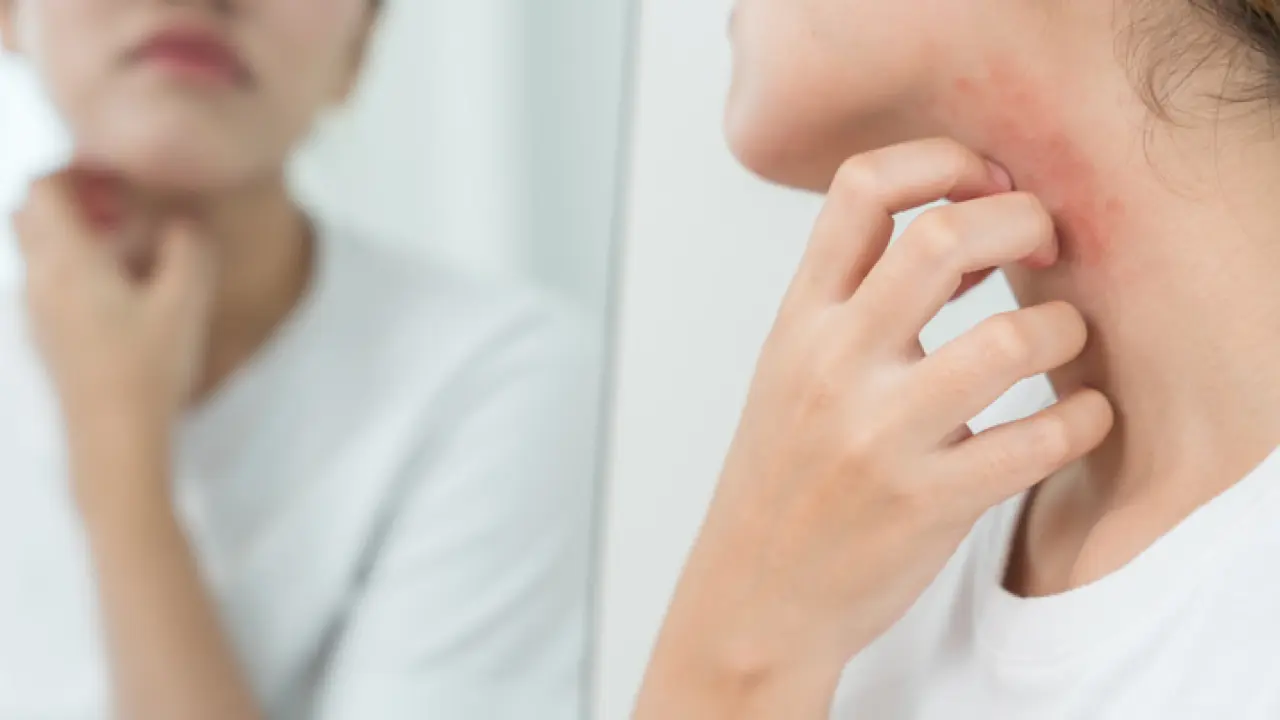
Ringworm can be uncomfortable, itchy, and frustrating. It can spread if ignored. And once you start comparing treatments, it can quickly become confusing — especially when most products appear to use similar ingredients.
So what actually makes one cream better than another?
Let’s break this down clearly and practically.
What Is Ringworm?
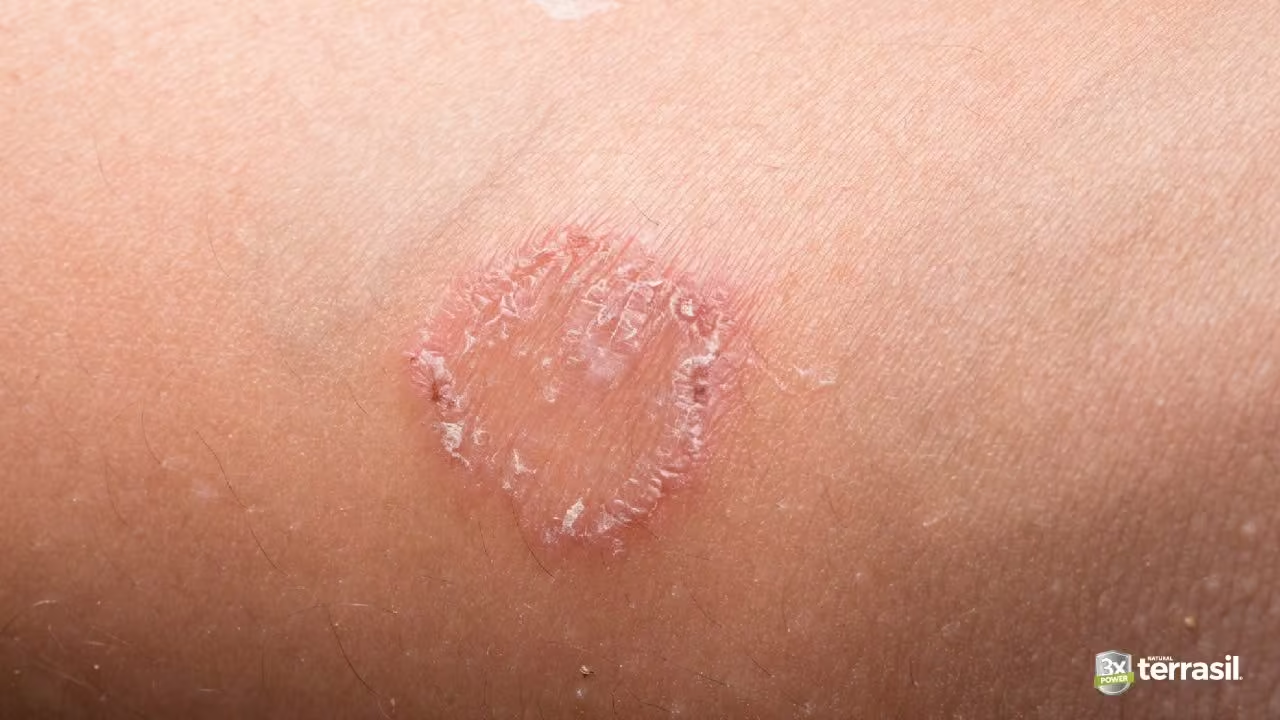
Ringworm is a common fungal skin infection. Its medical name is tinea corporis [1].
Despite the name, it is not caused by a worm. It’s caused by fungi called dermatophytes. These fungi live on the outer layer of the skin and feed on keratin — a protein found in skin, hair, and nails [1].
If you want a step-by-step treatment plan, see our guide on how to get rid of ringworm quickly.
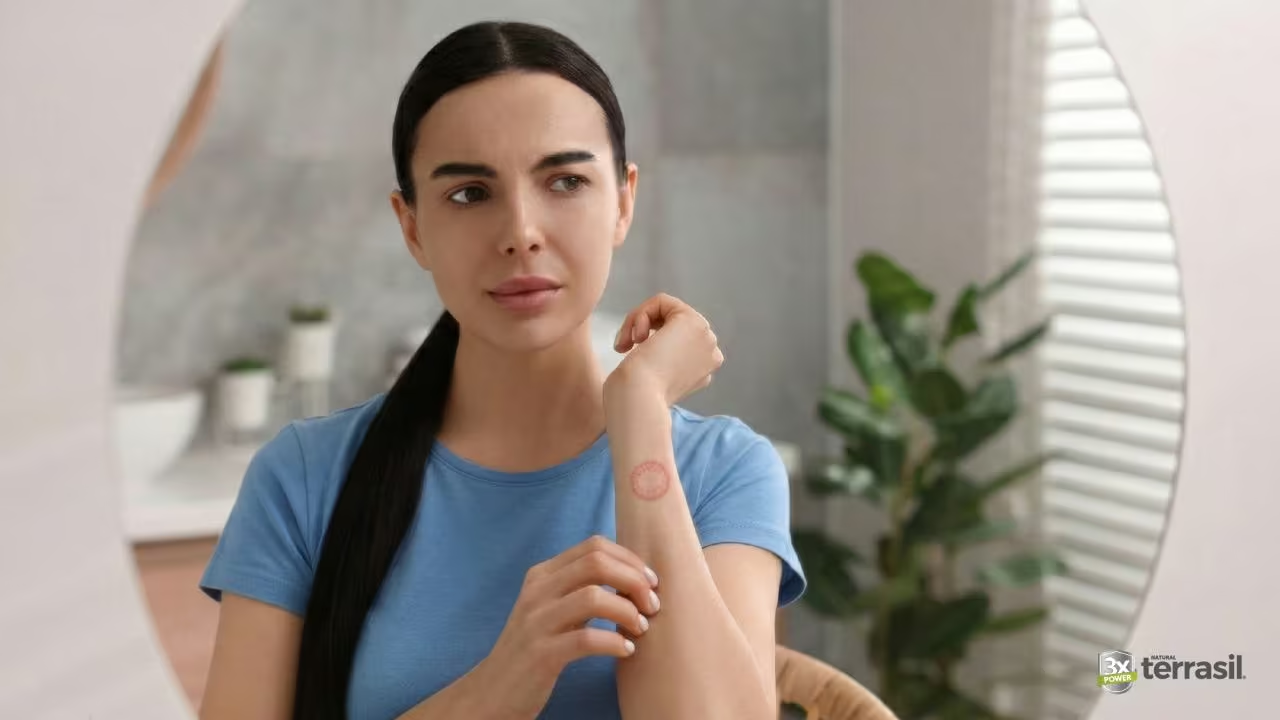
Common signs of ringworm include:
- A circular red or pink patch
- A raised or slightly scaly border
- Clearer skin in the center
- Itching
It spreads through:
- Direct skin contact
- Shared towels or clothing
- Gym surfaces
- Locker rooms
- Contact with infected pets [1]
Because ringworm affects the outer layer of skin, topical antifungal creams are commonly used for uncomplicated cases on the body [1][2].
What Kills Ringworm on Skin?
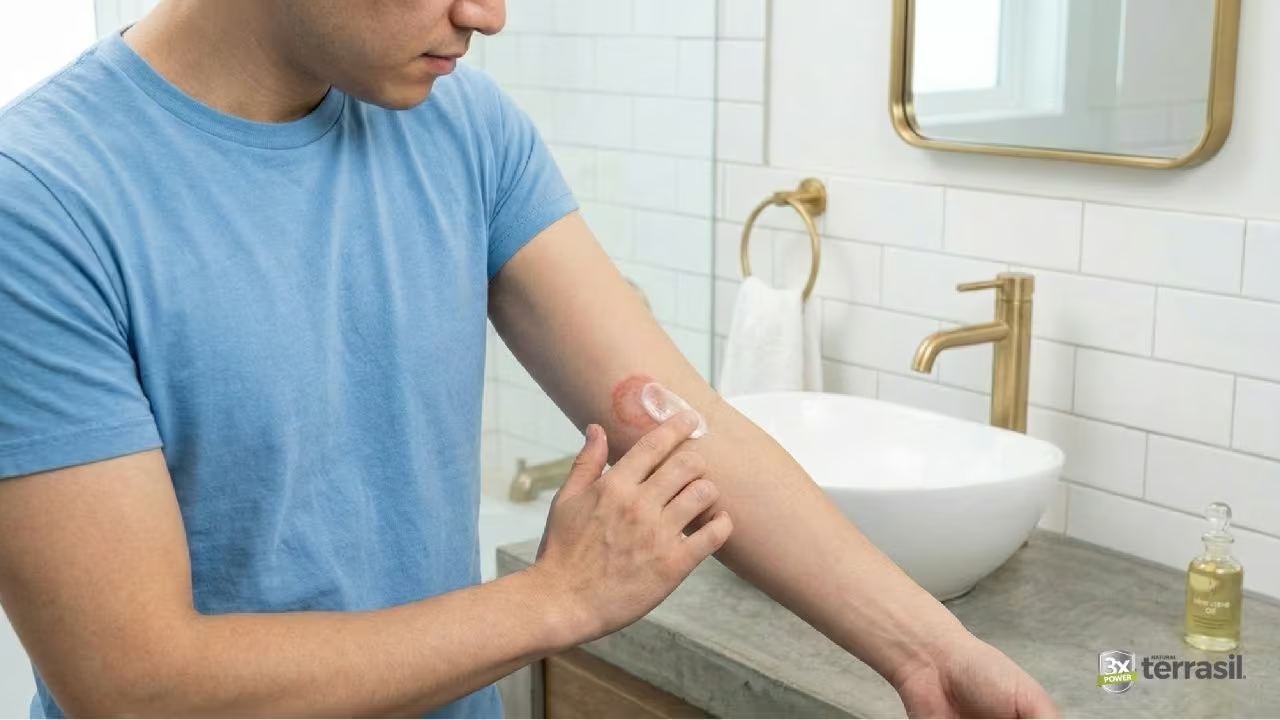
Ringworm is caused by fungus.
So treatment requires an antifungal ingredient.
Antifungal creams work by damaging the fungus so it cannot survive or grow [2].
Common antifungal ingredients include:
- Clotrimazole
- Terbinafine
- Miconazole
- Tolnaftate
When used as directed, these ingredients are recognized for treating uncomplicated body ringworm [1][2].
Antifungal creams usually require consistent use over several weeks.
Most treatments require consistent application for several weeks. Using the cream consistently according to label directions is essential.
Clotrimazole vs Terbinafine: What’s the Difference?
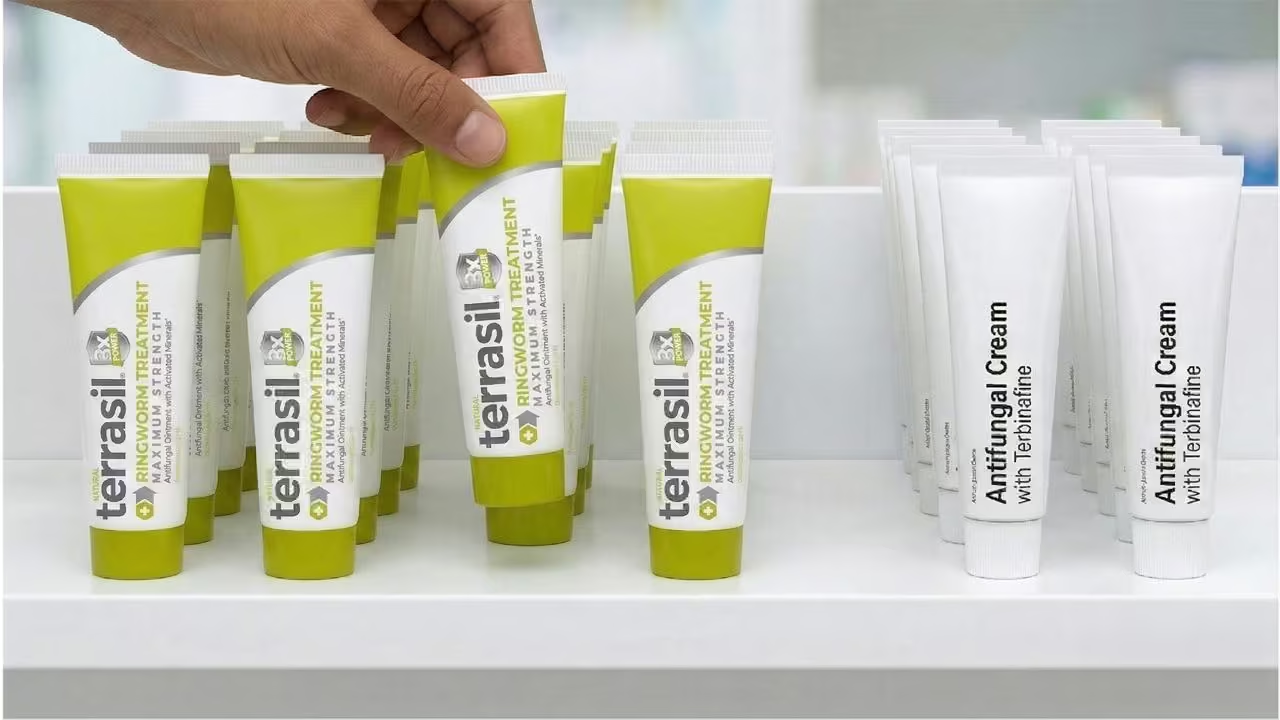
Most non-prescription ringworm creams use one of two main antifungal families:
1. Azoles (Clotrimazole & Miconazole)
Azoles disrupt the fungal cell membrane. Without a stable membrane, the fungus cannot survive [2].
Clotrimazole has been widely used in over-the-counter antifungal treatments for decades.
2. Allylamines (Terbinafine)
Terbinafine blocks an enzyme involved in fungal membrane formation [2].
3. Tolnaftate
Tolnaftate prevents fungal growth and is commonly found in sprays and powders.
Ingredient Comparison Table
Antifungal Ingredient | Common OTC Strength | How It Works | Commonly Used For | Notes |
|---|---|---|---|---|
Clotrimazole | 1% | Stops fungi from growing by disrupting their cell membranes | Ringworm, athlete’s foot, jock itch | Widely used antifungal active in OTC creams; application frequency varies by product instructions |
Terbinafine | 1% | Interferes with fungal cell membrane production, which helps stop fungal growth | Ringworm, athlete’s foot, jock itch | Often used once or twice daily depending on product instructions |
Miconazole | 2% | Blocks fungal growth by affecting the fungal cell membrane | Ringworm, athlete’s foot, yeast infections | Found in creams, powders, and sprays |
Tolnaftate | 1% | Helps prevent fungal growth by damaging fungal cells | Athlete’s foot, ringworm | Often available in sprays and powders |
Ketoconazole | Usually prescription strength | Interferes with fungal cell membrane production | Ringworm, dandruff, other fungal infections | Typically prescription-only for many skin infections |
Which Antifungal Is Best for Ringworm?

For uncomplicated body ringworm, these antifungal ingredients are all recognized treatment options when used properly [1][2].
For most people, the difference is often less about which ingredient is “stronger” — and more about:
- Using it consistently
- Completing the full treatment duration
- Choosing a formula your skin tolerates well
Clotrimazole has a long history of use in over-the-counter antifungal products for ringworm and other common fungal infections [1][2].
And that is the antifungal active used in Terrasil® Ringworm Treatment.
Why Formula Quality Matters in a Ringworm Cream
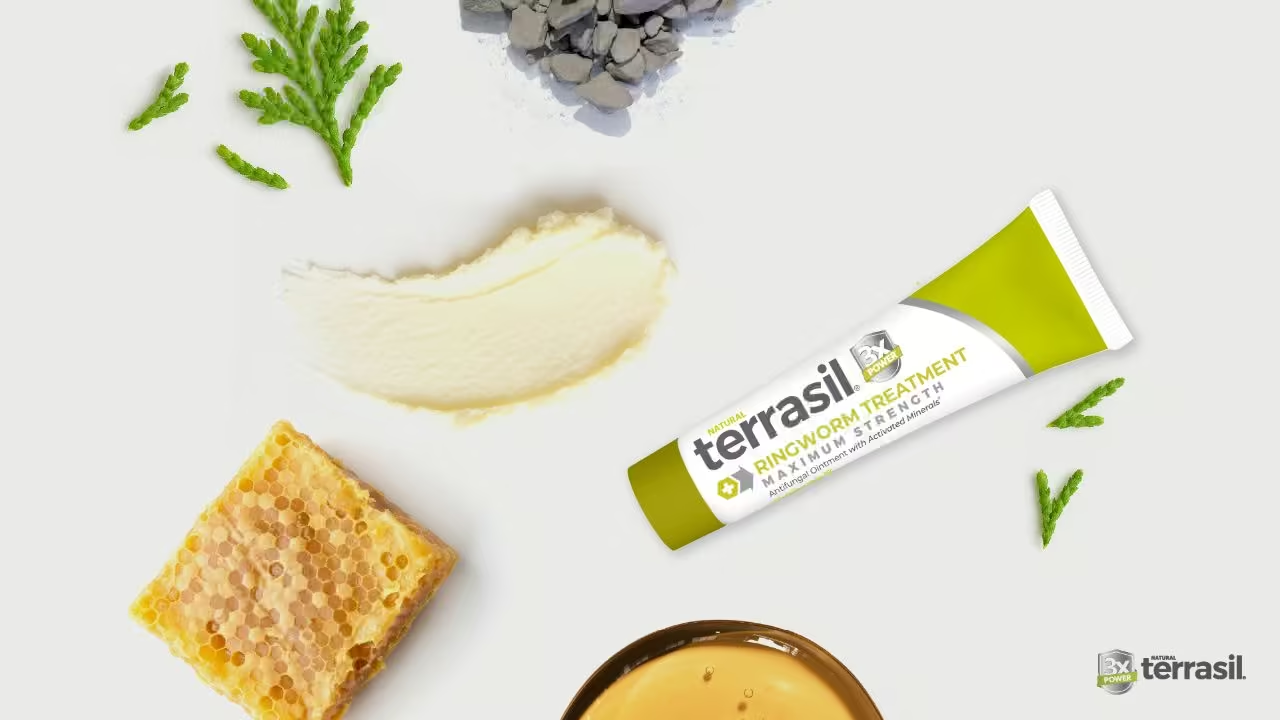
The active ingredient targets the fungal infection.
But the rest of the formula influences how the cream feels — and whether you’ll continue using it consistently.
Treating ringworm usually requires repeated application for several weeks.
If a cream feels greasy, drying, or irritating, people often stop early.
And stopping early increases the chance the infection returns.
Two creams can both contain clotrimazole 1% — and still feel completely different in use.
That difference comes from the inactive ingredients.
What Makes Terrasil® Ringworm Treatment Different?
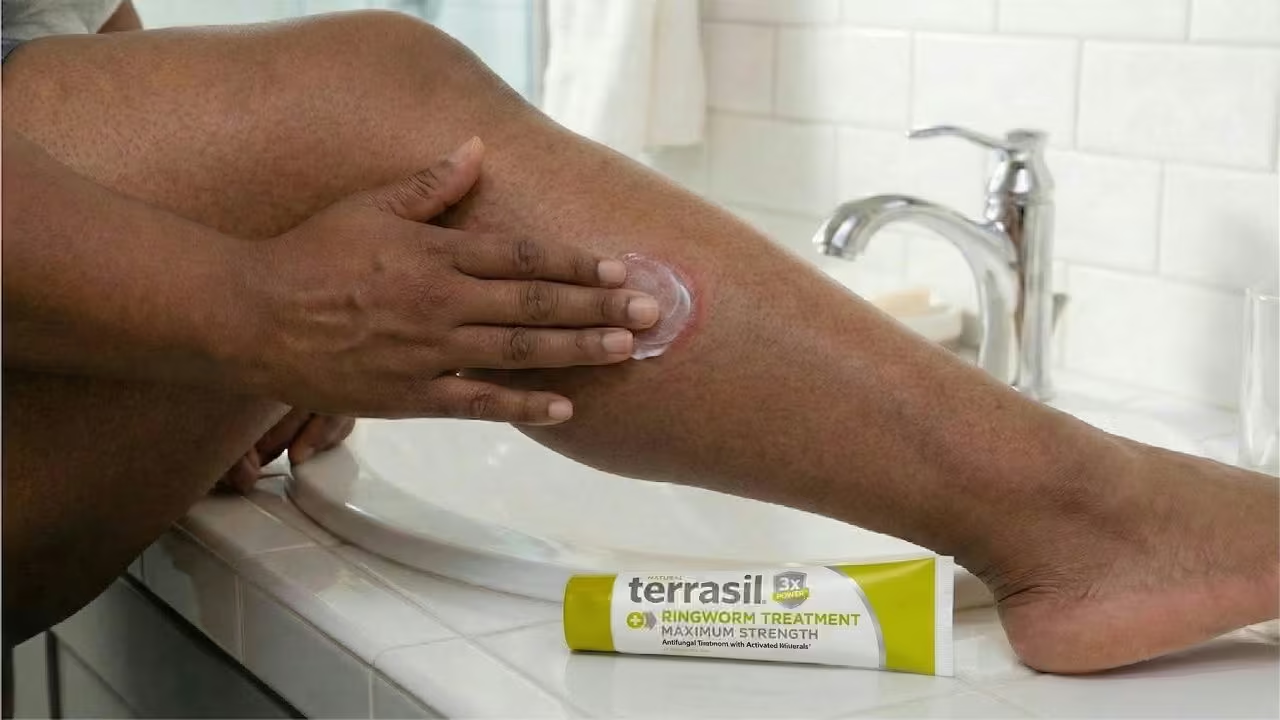
Many antifungal treatments use similar active ingredients, but formulations can differ. First, Terrasil® Ringworm Treatment contains:
- Clotrimazole 1%, which, as you know now, is a common
- Activated Minerals® technology
- Botanical ingredients are commonly used for soothing properties
- A formulation designed without added synthetic fragrance
Activated Minerals® technology is designed to support the skin environment during treatment.
The antifungal active addresses the fungal infection.
The surrounding formula is designed to support skin comfort during the treatment period.
When treatment lasts several weeks, comfort can influence consistency.
And consistency matters.
Terrasil is not simply clotrimazole in a basic cream base.
It is a complete formulation designed to combine a recognized antifungal ingredient with thoughtful skin-conscious ingredients.
How Long Does Ringworm Take to Go Away?

With proper use of antifungal cream, uncomplicated body ringworm is commonly treated over several weeks when antifungal creams are used consistently [2].
Continue using the product for the full duration listed on the label — even if symptoms improve.
Why Does Ringworm Come Back?
Common reasons include:
- Stopping treatment too early
- Re-exposure through clothing or towels
- Moist environments
- Misidentifying another skin condition such as eczema, psoriasis, or other fungal infections
Keeping skin clean and dry during treatment is important [1].
How to Help Prevent Ringworm from Spreading

During treatment:
- Use clean towels
- Wash clothing and bedding regularly
- Avoid sharing personal items
- Keep the area dry
Moist environments allow fungi to grow more easily, which is why keeping skin dry is a key part of preventing fungal skin infections.
What Is the Strongest Ringworm Cream?

When deciding which ringworm cream to use, consider:
- Does it contain a recognized antifungal active?
- Is the formula comfortable for consistent use?
- Is the ingredient list thoughtfully designed?
Choosing a ringworm cream involves both the active ingredient and the overall formulation.
It’s about the complete formulation.
Terrasil® Ringworm Treatment combines clotrimazole 1% with Activated Minerals® technology and skin-conscious ingredients — offering more than just a basic antifungal base.
When to see a healthcare provider
If the rash spreads rapidly, becomes painful, produces drainage, or does not improve after several weeks of antifungal treatment, it is important to consult a healthcare professional for evaluation.
Frequently Asked Questions About Ringworm Cream
Conclusion: Choosing the Best Ringworm Cream
When looking for the best ringworm cream, the most important factor is choosing a product with a recognized antifungal active ingredient and using it exactly as directed.
Clotrimazole, terbinafine, miconazole, and tolnaftate are commonly used in over-the-counter treatments for uncomplicated body ringworm [1][2].
However, the active ingredient is only part of the formula.
The overall formulation influences how the cream feels on your skin — and whether you’ll continue using it consistently for the full treatment period.
Terrasil® Ringworm Treatment combines clotrimazole 1% with Activated Minerals® technology and carefully selected ingredients designed with skin comfort in mind. It is formulated to deliver a recognized antifungal active within a carefully developed base.
When evaluating the best ringworm cream, consider both the active ingredient and the overall formulation.
Consistency and proper use matter.
Disclaimer
This article is for educational purposes only. It is not intended to provide medical advice, diagnosis, or treatment recommendations.
Always read and follow product label directions carefully.
References:
- Centers for Disease Control and Prevention (CDC). Ringworm and Fungal Infections.
- American Academy of Dermatology (AAD). Ringworm: Diagnosis and Treatment.