

Best Ointment for Pressure Sores at Home: What Actually Helps Bed Sores Heal Faster

terrasil silver accent terrasil silver accent
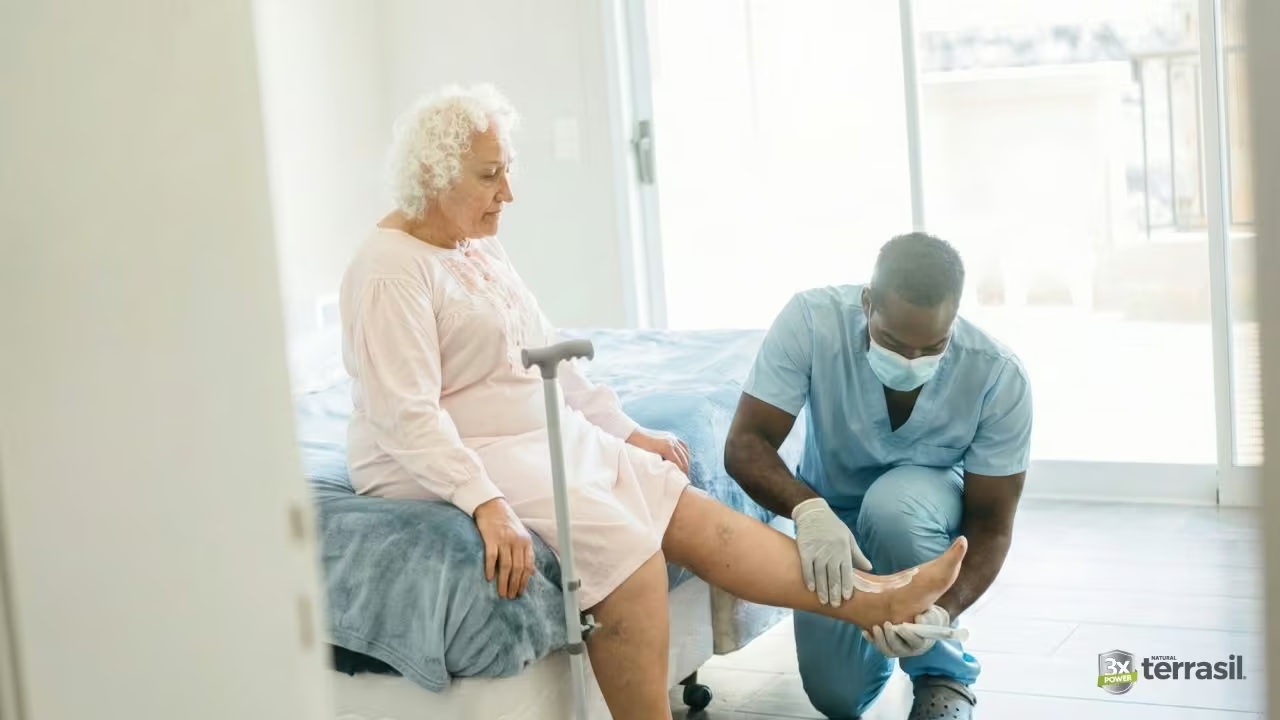
Nurse applying ointment to elderly patient

The Reality of At-Home Pressure Sore Care 

If you’re caring for someone with limited mobility—whether a parent, spouse, or family member—you know how quickly pressure sores can develop. What starts as redness can become a source of real discomfort and concern, sometimes in a matter of days. 

What actually helps bed sores heal faster? The answer isn’t complicated: the right ointment, used consistently. Specifically, an ointment that soothes without stinging, protects the skin barrier, lasts for hours between applications, and is gentle enough for daily use. Combined with proper positioning and regular skin checks, this combination makes all the difference. 

The emotional weight of managing pressure sores at home is real. You’re balancing comfort, prevention, and the stress of wondering if you’re doing enough. The good news? When you understand what pressure-prone skin actually needs—and find a product that delivers on all fronts—the healing process moves faster and caregiving becomes less stressful. 

This guide will help you understand what to actually look for in a pressure sore ointment, what the best options are, and how to choose one that fits your caregiving situation. 

Long Story, Short: Here’s What You Should Get (TLDR) 

What actually helps bed sores heal faster comes down to three things: 1) the right ointment that checks all the boxes (soothing, protective, long-lasting, safe for daily use), 2) consistent application, and 3) the peace of mind that comes from knowing you’re using a product specifically designed for this challenge. 

If you’re looking for an ointment that meets all six criteria—soothing, protective, long-lasting, safe for daily use, concentrated, and made with high-quality botanicals and Activated Minerals®—Terrasil® Bed Sore & Pressure Sore Relief is designed specifically for this type of at-home care.

Many caregivers choose subscription delivery simply for convenience, ensuring consistent access during ongoing care.

What Makes a Good Pressure Sore Ointment: 6 Things to Look For 
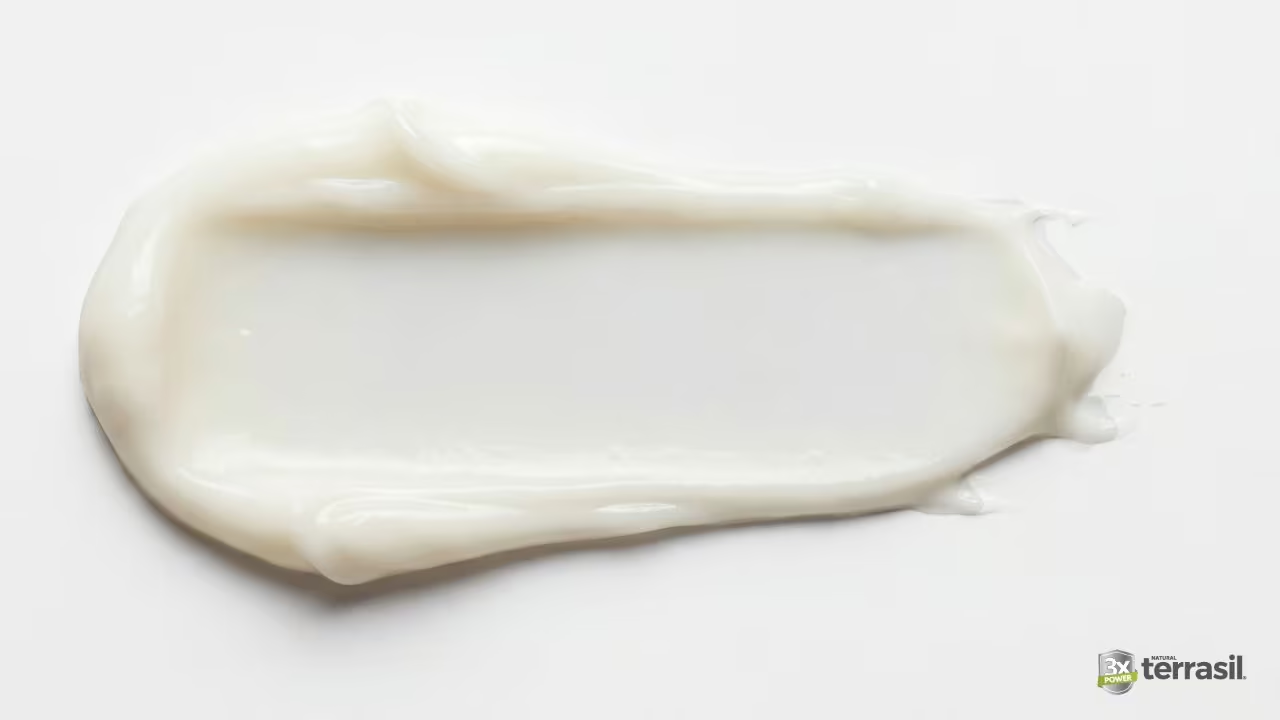
ointment example

Before we dive into specific products, let’s talk about what actually matters when you’re choosing an ointment. Your situation is unique, and the right solution should address real pain points: 

1. Works Fast Without Stinging 

When someone’s uncomfortable, they need relief—not more irritation. The ointment should feel soothing the moment it touches skin, not create a burning sensation that makes things worse. This matters for compliance too; if it hurts to apply, it won’t be used consistently. 

2. Brings Noticeable Comfort Quickly 

Pressure sores cause real pain and soreness that can affect appetite, sleep, and mood. You need an ointment that doesn’t just protect—it actively soothes visible redness, itching, and discomfort so the person feels better fast. 

3. Stays on the Skin (Long-Lasting) 

Creams disappear. Good ointments stick around, creating a protective barrier that lasts hours between applications. This means less frequent reapplication and better consistency of care—which is exactly what healing skin needs. 

4. Safe for Daily, Long-Term Use 

Pressure sores aren’t a one-week problem; they’re often an ongoing concern. Your ointment needs to be gentle enough to use multiple times daily without causing irritation, drying out skin, or building up harmful residue. 

5. Concentrated Formula (A Little Goes a Long Way) 

You’re already managing a lot. An ointment that’s potent means you use less product per application, stretching your supply further and saving money in the long run. This is especially important if you’re managing multiple pressure-prone areas. 

6. Made with Quality Ingredients That Support Natural Healing 

Because of how often you’re applying this ointment, it should actually be good for skin. Look for botanical ingredients and minerals that soothe, protect, and support your body’s natural renewal process—not just synthetic fillers. 

When you find an ointment that checks all six boxes, you’ve found your answer. 

4 Things to Look for When Buying for Pressure-Prone Skin 
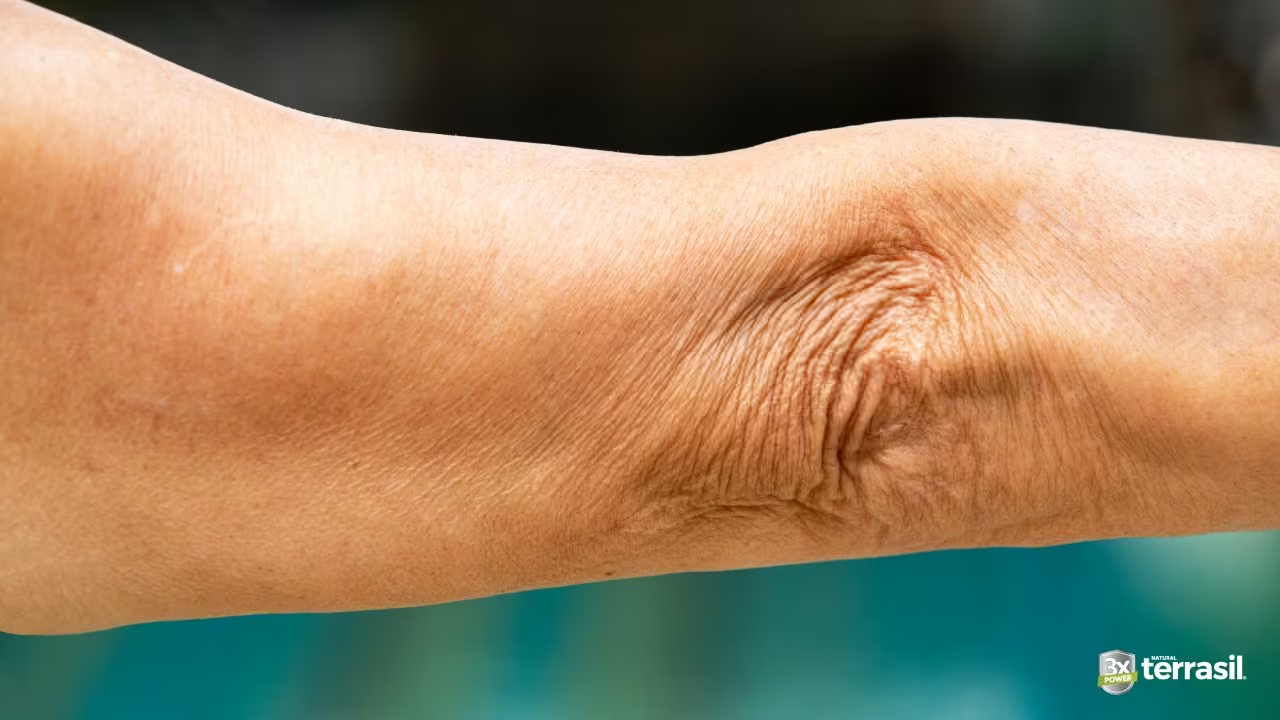
Close-up of elbow

1. A Real Barrier That Actually Sticks 

Your skin needs protection from friction and moisture exposure. The ointment should create a barrier that doesn’t wash away immediately or disappear into the skin within minutes. It needs to stay put and keep doing its job for hours. 

2. Antimicrobial or Antiseptic Support 

This doesn’t mean antibiotic (which comes with its own issues when used long-term). Look for ointments with natural antiseptic ingredients or minerals that help your body’s natural defenses work better. Think botanicals and minerals, not harsh chemicals. 

3. Soothing, Not Stripping 

The goal is to calm irritation and redness, not dry out the skin or leave it feeling tight. Your ointment should feel nourishing—like it’s actually helping the skin feel better, not just sitting on top of it. 

4. Ingredients You’d Actually Put on Your Own Skin 

If you wouldn’t use it on yourself regularly, you probably shouldn’t be using it on someone else regularly. Look for transparent ingredient lists and minimal synthetic fillers. You’re applying this daily, sometimes multiple times a day. Quality matters. 

Comparing OTC Pressure Sore Ointment Options 

Feature
Terrasil®
Neosporin®
Eucerin®
Aquaphor®
Fast-Acting (No sting)
Reduces Visible Redness
Lasts Long on Skin
Safe for Daily, Long-Term Use
Concentrated Formula
Natural/Botanical Ingredients
Antiseptic Support
Designed Specifically for Pressure Sores

Why the Differences Matter: 

 Traditional antibiotic ointments like Neosporin® can sting and aren’t formulated for long-term daily use. Basic barrier creams like Eucerin® protect but lack antimicrobial support. Aquaphor® is gentle and long-lasting but doesn’t actively soothe irritation. When you’re looking for an ointment that truly addresses pressure sore care—something that’s soothing, protective, and safe for ongoing use—the options narrow pretty quickly. 

What to Look for in an At-Home Pressure Sore Ointment 
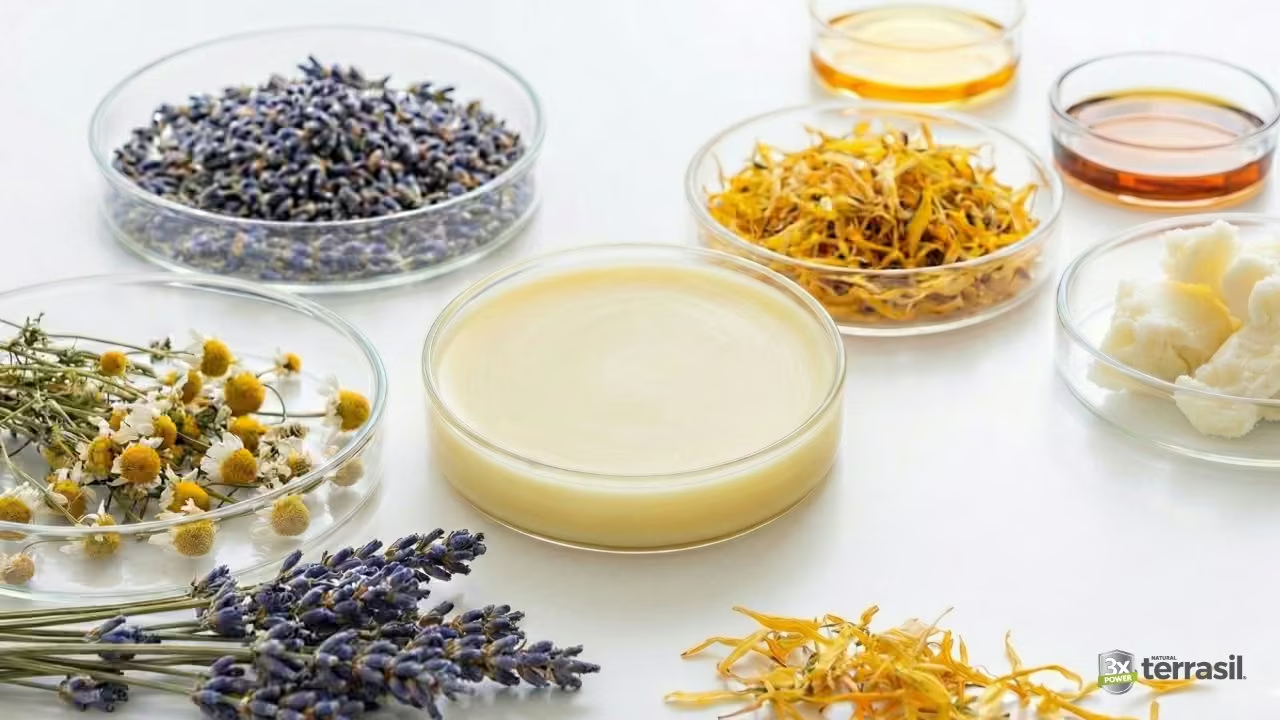
Assorted ingredients in glass containers

When evaluating OTC ointments for pressure sore care, prioritize these qualities: 

  • Skin Protectant Ingredient (e.g., Allantoin or Zinc Oxide) — creates a protective barrier and supports skin renewal 
  • Antimicrobial or Antiseptic Support — naturally helps with skin health without harsh chemicals 
  • Soothing Botanicals — ingredients that calm irritation and redness 
  • Formula for Long-Term Use — free of harsh preservatives, dyes, and artificial fragrances that can irritate sensitive skin with repeated application 
  • Clean, Transparent Ingredient List — you should understand what you’re putting on skin day after day 
  • Proven Track Record — look for brands backed by research and real caregiver experience 

The Ointment That Actually Does All Six Things 

Man applying terrasil® ointment

Most ointments excel in one or two areas. Finding one that checks all the boxes—especially when you’re applying it daily for weeks or months—is rare. 

That’s where Terrasil® Bed Sore & Pressure Sore Relief enters the picture. It’s not the newest product on the shelf. It’s not the cheapest. But it’s the one that caregivers actually stick with, the one they reorder, and the one they recommend to other people managing pressure sores at home. 

Here’s what makes the difference: 

It’s designed specifically for this situation. Not for general wound care. Not for minor scrapes. But for the exact challenge you’re facing: protecting pressure-prone skin while supporting comfort and healing over weeks and months. 

What caregivers notice: 

  • Visible improvement in redness and discomfort within days to a week of consistent use 
  • It actually feels soothing when you apply it (no sting, no irritation) 
  • One jar or tube lasts weeks because the formula is concentrated—you use less per application 
  • It’s safe to use repeatedly without worrying about buildup or skin damage 
  • Doctor-recommended and manufactured in an FDA-registered facility 
  • Backed by 15+ years of real-world use and caregiver feedback 

The combination of natural botanicals, targeted minerals, and a formula that was built for long-term daily use is what sets it apart. But the real proof is in what happens when you use it consistently: caregivers see results, skin improves, and the stress of managing pressure sores at home goes down. 

There’s also a 90-day money-back guarantee, which means you can try it completely risk-free. If it doesn’t deliver what you’re hoping for, you get your money back. 

Subscribe & Save: Make Daily Care Easier 
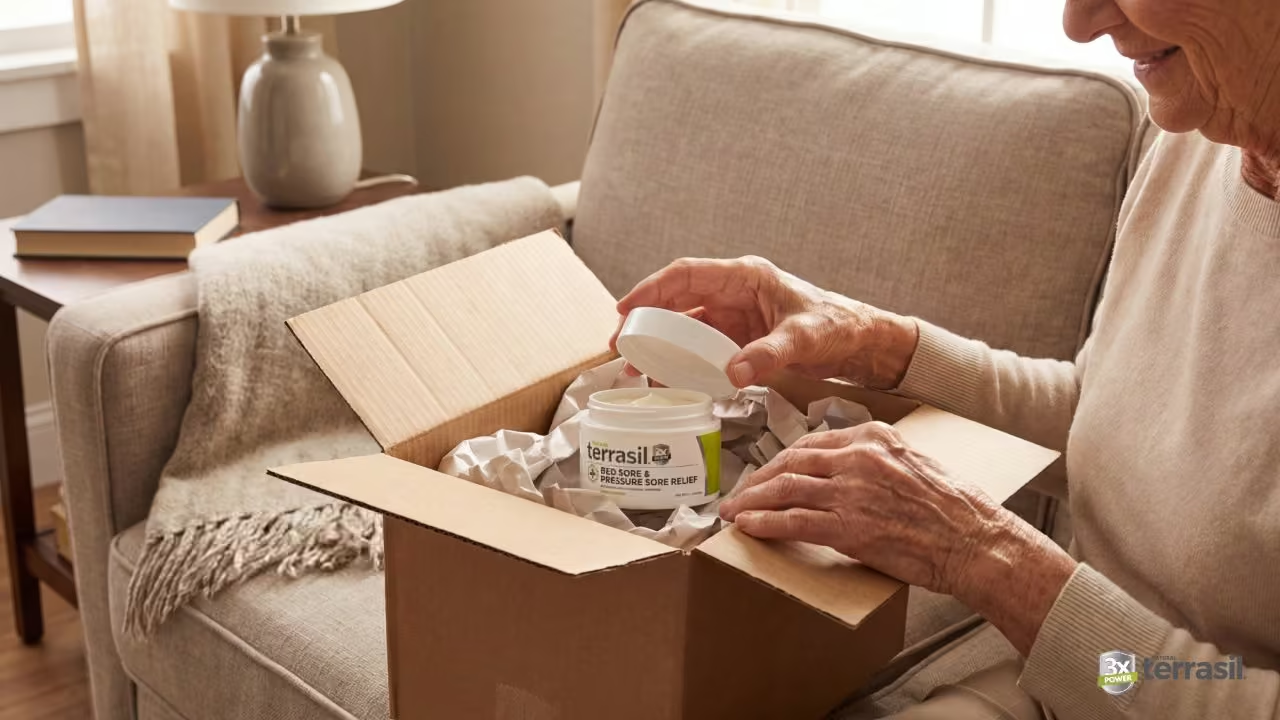
Opening a box and jar of terrasil® ointment

Chronic skin challenges require ongoing prevention and protection. Running out of supplies interrupts consistency, which is essential for pressure-prone skin. This is where Subscribe & Save makes real sense for your situation. 

Terrasil’s Subscribe & Save program offers: 

  • 10%+ automatic savings on every delivery 
  • Flexible delivery schedules that match your routine 
  • Ability to pause, skip, or cancel anytime—no commitment 
  • Reliable supply so you never run out of supportive care 

Choosing the Right Size 

Not sure which size works best for you? It depends on your specific situation: 

1.55 oz (44 gram) jar — Ideal for early-stage redness, small areas, or occasional use. Good if you’re just starting preventative care or managing one pressure-prone area. 

3 oz (85 gram) tube — Designed for larger areas or long-term caregiving routines. If bed sores are a chronic concern, this is your best value. The concentrated formula means a little goes a long way, and with auto-delivery, you’ll always have supportive care for pressure-prone skin within reach. 

Our recommendation: If you’re managing ongoing pressure sores or limited mobility situations, subscribe and save 10% on auto-delivery of the 3 oz tube. You get the best value, and you’ll never wonder if you have enough on hand. With auto-delivery, you can change, pause, or cancel at any time—no questions asked. 

Moving Forward with Confidence 

Caring for someone with pressure sores is an act of dedication. By choosing an ointment that delivers on all fronts and using it consistently, you’re giving that person’s skin the support it needs to improve and stay healthy. 

The right solution doesn’t have to be complicated. It just has to work, feel good, and be something you’ll actually use every single day without stress or concern. 

Ready to get started? Browse Terrasil® Pressure Sore Relief or explore Subscribe & Save for ongoing care. 

You’re doing the right thing. Now give yourself the right ointment. 

Frequently Asked Questions 

Sources & Research 

  1. National Pressure Injury Advisory Panel (NPIAP). Pressure Injury Prevention and Treatment: Clinical Practice Guideline. NPIAP, 2019. 
  2. Wound, Ostomy and Continence Nurses Society (WOCN). Guideline for Management of Pressure Ulcers (Injuries). WOCN Journal, 2016. 
  3. American Academy of Dermatology. Skin Conditions: Wound Care. AAD, 2023. 
  4. Agency for Healthcare Research and Quality (AHRQ). Prevention and Management of Pressure Ulcers in Primary and Secondary Care. AHRQ, 2015. 
  5. International Wound Infection Institute. Wound Infection in Clinical Practice. IWII, 2016. 
  6. American Hospital Association. Pressure Ulcer Prevention in Long-Term Care Settings. AHA, 2020. 

FDA Compliance Notice: This article is for educational purposes only and is not intended to diagnose, treat, cure, or prevent any disease. Terrasil® Bed Sore & Pressure Sore Relief is an over-the-counter skin protectant and antiseptic ointment. Always follow product labeling and directions. If you have concerns about pressure sores or skin integrity, consult a healthcare provider. 
How to Naturally Soothe and Prevent Foot Sores: A Gentle Skin-Care Approach

terrasil silver accent terrasil silver accent
older woman applying cream to foot

Introduction 

Your feet carry you through life. Literally. They bear your weight, absorb impact, navigate uneven ground, and live inside shoes all day. And yet—most of us completely ignore them until something goes wrong. 

Then one day you notice it: a small crack on your heel. A bit of dryness between your toes. A tender spot that won’t seem to heal. And suddenly you’re thinking, “Wait, when did my feet get so fragile?” 

If you have sensitive skin, naturally dry skin, or just haven’t been paying attention to your feet, even tiny nicks and cracks can snowball into persistent sores if left alone. The good news? This is almost entirely preventable with a little daily care and attention. 

This guide walks you through everything you need to know: where foot sores actually come from, the daily habits that matter most, what “natural” foot care really means (spoiler: not all oils are created equal), and how to build a simple routine using terrasil® Foot Ulcer & Sore Relief—a thoughtfully formulated skin protectant with Allantoin 0.6% and natural botanicals—to keep your feet healthy and pain-free. 

The best part? It’s not complicated. It just requires showing your feet a little love. 

Where Foot Sores and Dry-Skin Cracks Often Start

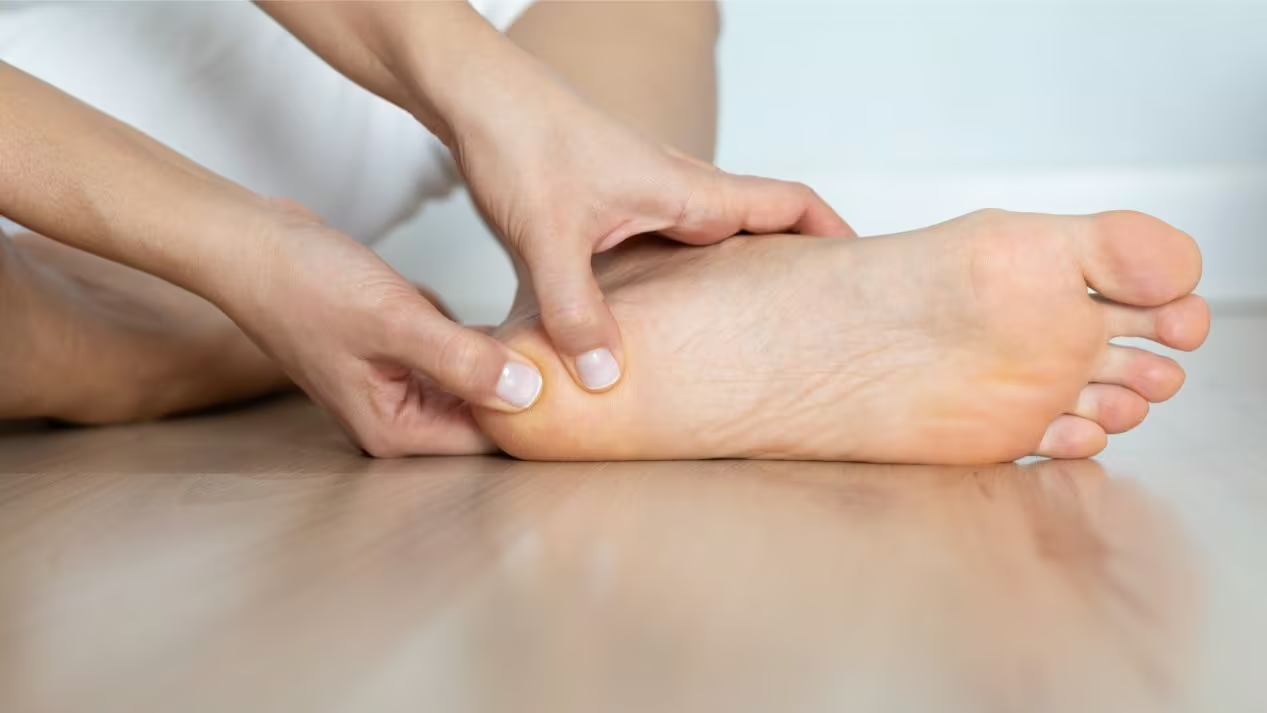
close up photo of foot

Here’s something people don’t realize: you don’t need a chronic disease to develop foot sores. Sure, conditions like diabetes or poor circulation make you more vulnerable. But even “normal” dry or fragile skin on your feet is at risk.¹ 

Think about where your feet spend their time: squished in shoes, pressed against hard ground, bearing your full body weight. Add in natural dryness, friction from shoes, or a habit of ignoring that small crack, and you’ve got the perfect storm for a sore to develop. 

The most common problem areas? Heels (especially around the heel pad where pressure builds up), the sides of your toes (where shoes rub), between your toes (where moisture and warmth create a breeding ground), and the ball of your foot (where weight concentrates).¹ ² Even a small blister or crack in these spots can deepen over time if you’re not paying attention. 

Here’s the kicker: the earlier you catch dryness or minor damage, the easier it is to prevent. Ignore it, and a small crack becomes a painful sore that takes weeks to heal.¹ 

The Simple Daily Habits That Actually Prevent Foot Sores 

Most foot-care advice sounds boring. “Inspect your feet daily.” “Keep them dry.” “Wear good shoes.” But these aren’t just suggestions—they’re the foundation of healthy feet.¹ ² Here’s why they work: 

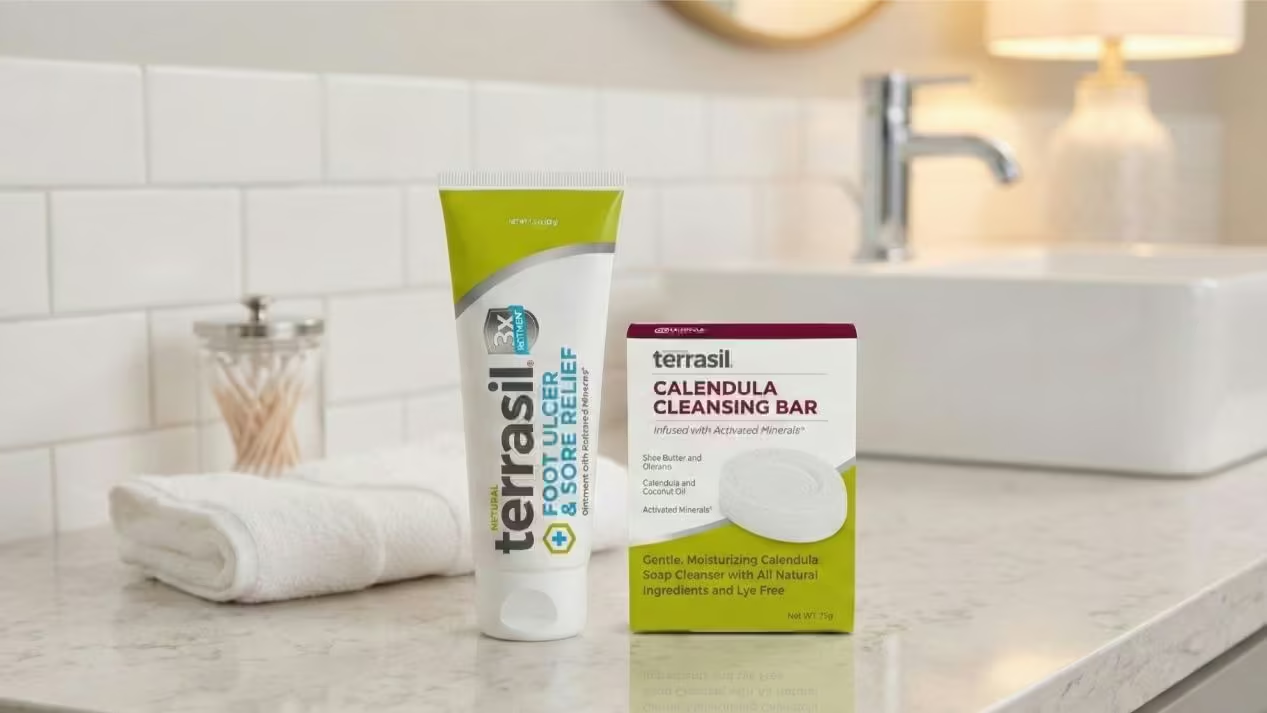
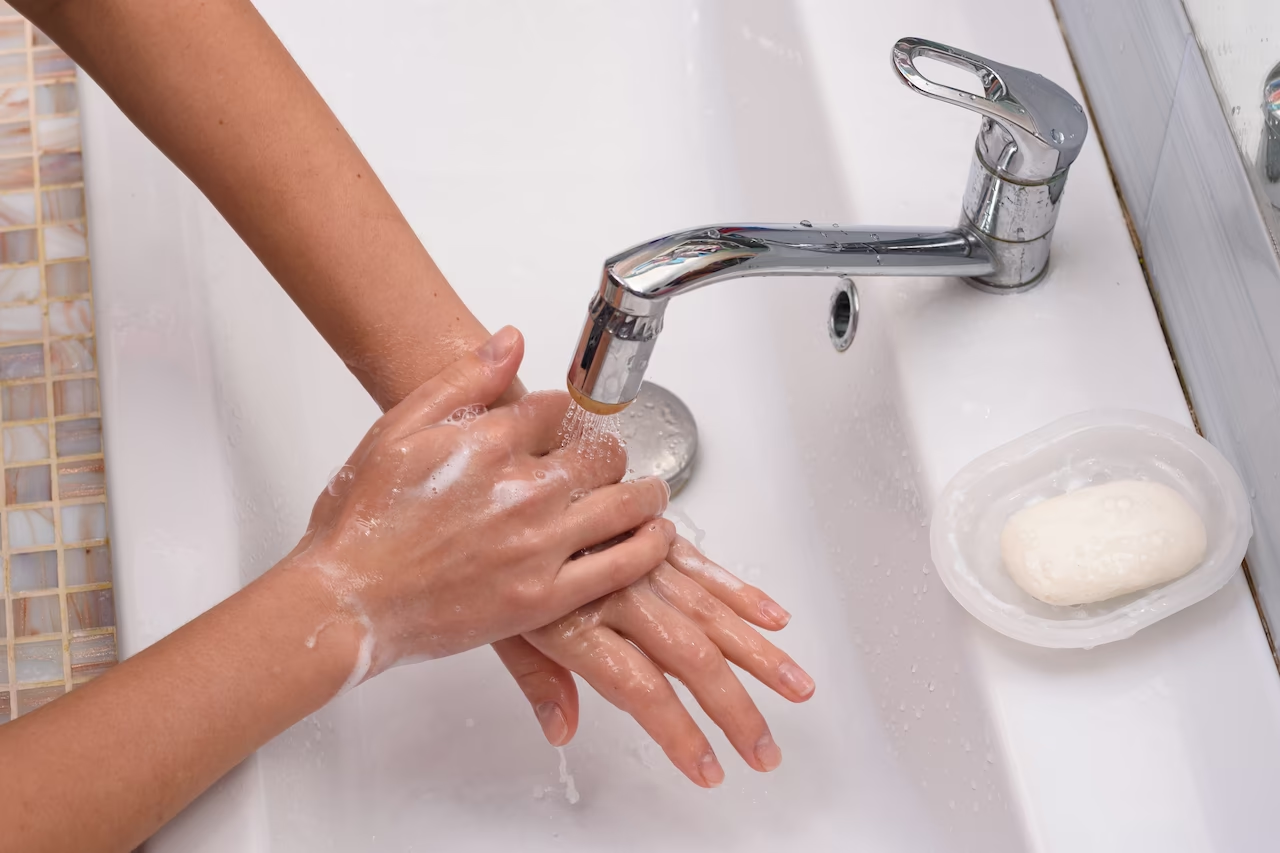
Wash gently—not aggressively. Use lukewarm water (not hot, which strips moisture) and a mild but cleansing soap.¹ If you want something that is gentle and will hydrate your skin without harmful chemicals, try terrasil® Calendula Cleansing Bar. It’s made with high-quality, natural ingredients like olive oil and shea butter, and features our patented Activated Minerals for a supportive cleanse. Think “soft and supportive,” not “scrub away the problem.” Use lukewarm water. Although hot water feels good in the moment, it can dehydrate your skin and cause it to crack more. 

Dry thoroughly—especially the tricky spots. This is where most people mess up. You’ll wash your feet, then just throw socks on while they’re still damp. That trapped moisture between your toes? Perfect for fungus and bacteria.² Take 30 seconds to dry completely, paying special attention between toes, around heels, and along the soles. 

Inspect your feet daily—actually look at them. This sounds silly, but most people never check their own feet.¹ Grab a mirror, sit down, and actually look. Are there new cracks? Red spots? Areas of dryness? Changes in texture? Early sores are infinitely easier to treat than ones you’ve ignored for weeks. If you can’t see your own feet easily, ask someone to help or use a hand mirror. 

Moisturize regularly—before problems start. Dry skin cracks. Cracked skin becomes sores. Moisturized skin stays supple and resilient.¹ Apply our terrasil Foot Ulcer & Sore Relief ointment. It acts as a soothing skin protectant that helps relieve dryness and supports your skin’s natural barrier. Apply it while your feet are still slightly damp (it absorbs better), focusing on heels, soles, and any dry patches. 

Wear socks and shoes that actually fit. This one matters more than people think.² Socks should be soft, breathable, and moisture-wicking (cotton-wool blends work great)—not tight or synthetic. Shoes should fit well without excessive rubbing, have good cushioning, and not create pressure points. If you’re in pain after wearing certain shoes, that’s your body telling you they’re wrong for your feet. 

Keep moving—don’t let blood circulation stall. Healthy circulation keeps skin resilient and helps minor injuries heal faster.³ If you stand or sit for long periods, take breaks, walk around, and keep blood flowing to your feet. 

These habits seem small individually, but together they’re the difference between healthy feet and chronic problems. 

The Myth of “Natural” — What Actually Works (And What Doesn’t) 

terrasil foot ointment with natural ingredients

Let’s be real: the internet loves “natural” solutions. Coconut oil, tea tree oil, shea butter—everyone swears by something. And sure, some natural ingredients do help. 

But “natural” doesn’t automatically mean safe or effective. In fact, some popular natural remedies can backfire on foot skin, especially if your skin is fragile or easily irritated. 

Myth #1: “Coconut Oil Is Perfect For Everything”

The reality: Coconut oil does moisturize and has some antimicrobial and anti-inflammatory properties that can help dry skin. Sounds great, right? 

Here’s the problem: Coconut oil can be heavy for some people’s skin and may trap moisture in tight areas (like between toes), which can be unhelpful if you’re prone to irritation or fungal issues.

The takeaway: Coconut oil isn’t evil, but it’s not the universal fix people think it is. For fragile foot skin, a formulated skin protectant is safer.

Myth #2: “If an Oil Worked Before, Use it More Often”

The reality: Just because something helped once doesn’t mean it scales. Heavier oils and thick creams can accumulate, especially in areas with limited airflow like between your toes. More accumulation = more risk of bacterial or fungal growth, especially if moisture isn’t being managed carefully. 

Experts actually recommend using skin protectants designed to balance moisture and airflow, rather than relying on heavy oils.

The takeaway: More isn’t always better. Less frequent application of a well-formulated product beats daily slathering with plain oil.

Myth #3: “All Natural Products Heal Sores Fast”

The reality: Natural products can support skin comfort and healing, but the evidence for rapid, deep healing is limited. Most oils are backed only by preliminary studies or anecdotal reports. And here’s the thing: if you have fragile, irritated, or damaged skin, a basic oil often isn’t strong enough to actually protect and support healing. 

That’s where formulated skin protectants come in. terrasil® Foot Ulcer & Sore Relief combines Allantoin (a proven skin-soothing ingredient), natural botanicals, and our supportive patented Activated Minerals—all designed to work together to protect fragile skin and support natural surface-level healing.

The takeaway: For serious foot care, a thoughtfully designed product beats a single “natural” ingredient every time

Building Your Natural Foot-Care Routine: A Simple 2-Step Approach 

Here’s the thing about foot care: it doesn’t need to be complicated. Just consistent. 

STEP 1: Cleanse & Dry 

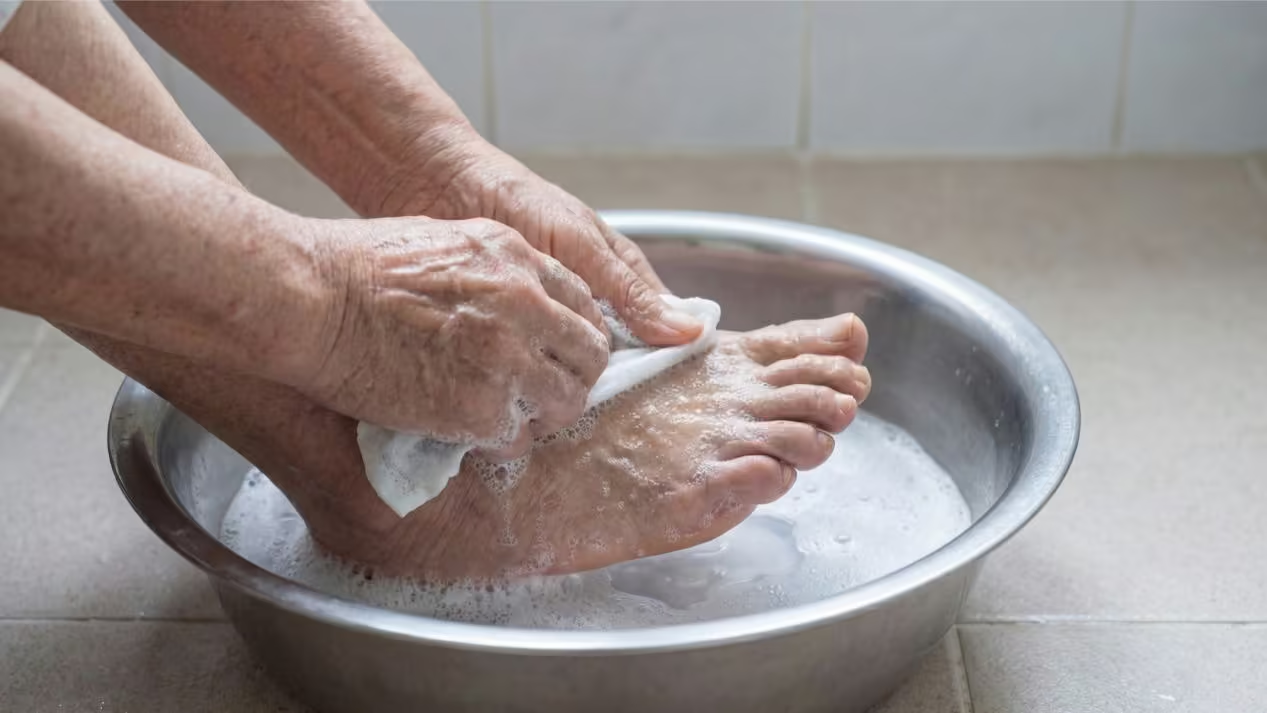
cleaning foot in soapy water

Start with a gentle wash. Use lukewarm water (not hot) and a mild, unscented soap. Wash your feet, between your toes, around your heels—everywhere. This removes dead skin, dirt, and bacteria without stripping moisture. 

Then dry thoroughly. And I mean thoroughly. Use a soft towel and pay special attention to between your toes, around heels, and along the soles. Any trapped moisture is an invitation for fungal or bacterial growth. 

STEP 2: Protect & Moisturize 

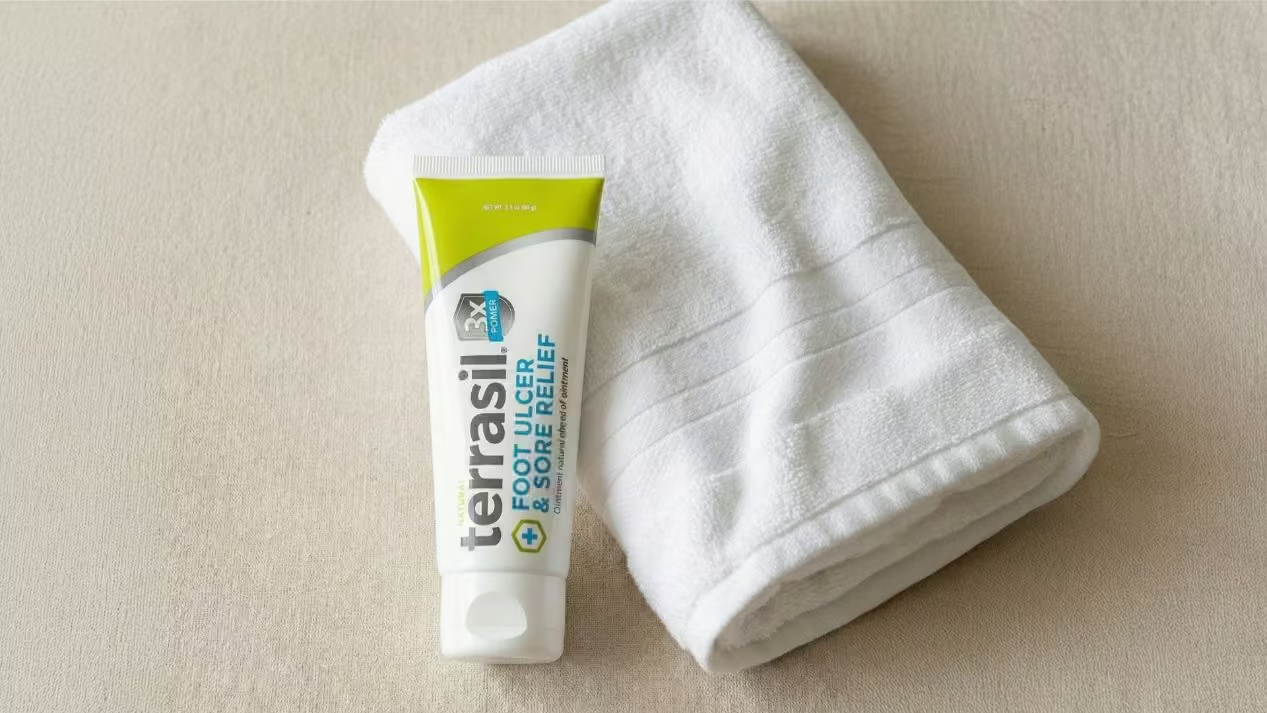
terrasil foot ulcer ointment with towel

Once your feet are clean and dry, apply a thin layer of terrasil® Foot Ulcer & Sore Relief to areas prone to dryness, friction, or minor cracks. Focus on heels, the sides of toes, soles, and any dry patches. 

The key word: thin. You don’t need much. The ointment contains Allantoin (0.6%)—a proven soothing ingredient—plus natural botanicals and supportive minerals. Together, they help protect fragile skin, soothe irritation, and support your skin’s natural healing process. 

After applying, cover with clean, breathable socks or soft footwear. The ointment absorbs, creating a protective layer that keeps moisture in without trapping sweat. 

Many people report noticeable improvements in skin comfort and softness within a few days with consistent use and good foot hygiene. 

Safety reminder: For external use only. Avoid contact with eyes and mucous membranes.

Helpful Supplies for Your Foot-Care Kit 

terrasil foot ulcer relief and calendula soap on bathroom counter

If you’re serious about preventing foot sores, here’s what you actually need: 

  • A soft washcloth 
  • A mild soap that cleanses while nourishing your skin, like our terrasil® Calendula Cleansing Bar 
  • A soft towel (designated for feet only, to avoid spreading bacteria) 
  • terrasil® Foot Ulcer & Sore Relief, a specially formulated natural skin protectant made for fragile skin 
  • A gentle emery board (to smooth rough edges that could catch or irritate skin) 
  • Clean, moisture-wicking socks (cotton-wool blends are ideal) 
  • Well-fitting, cushioned shoes 
  • A full-length mirror or someone to help with hard-to-see areas 

Related: Best OTC Products for Cuts & Scrapes (for building a simple at-home skin-care kit)

That’s it. Nothing fancy. Just the essentials. 

Making It Sustainable: Subscribe & Save for Consistent Care 

woman receiving package at door

Here’s a reality: if you have to remember to reorder every time you run out, you’ll eventually skip a week or two. And that’s when problems start creeping back in. 

If foot care is part of your routine, auto-delivery can help you stay consistent without having to remember reorders.

Signing up to our Subscribe & Save (10% auto-delivery) means you never run out and relief will always be at arm’s reach. Focus on the routine itself, not logistics. 

For occasional dryness, we recommend a small tube (30–50g) just to start off. But if you’re applying nightly to heels, soles, and toes, a larger size (100g+) is more practical and economical in the long term. 

The peace of mind? Priceless.

The Bottom Line 

Your feet are the foundation of everything you do. They deserve better than neglect and then panic when something goes wrong. 

By embracing a simple daily routine—gentle cleansing, thorough drying, regular inspection, and consistent use of a protective ointment like terrasil® Foot Ulcer & Sore Relief—you can prevent the vast majority of foot sores before they even start. And when you do catch small cracks or dry patches early, they heal quickly instead of escalating into painful, persistent problems. 

The best foot care isn’t complicated. It’s just consistent. Show your feet a little attention now, and they’ll carry you pain-free for years to come. 

Frequently Asked Questions

Disclaimer 

This article is for educational and general wellness purposes only. It does not diagnose, treat, or cure any medical condition, nor does it replace the advice of a qualified healthcare professional. If you have a chronic medical condition (such as diabetes, neuropathy, poor circulation, or vascular disease), or if you notice deep wounds, persistent ulcers, or signs of infection (redness, swelling, warmth, pus), you should seek care from a licensed medical provider.