

A quick note on this guide: This comprehensive guide recommends Terrasil® Skin Repair as the best topical solution for razor burn on the bikini line. We’re transparent that Terrasil® is our product. We believe the reasoning and evidence presented below support this recommendation. If you’re looking for general advice on razor burn relief and prevention that’s product-agnostic, the first sections of this guide cover that thoroughly before we discuss the specific product recommendation.
The Quick Answer
As you know, razor burn on the bikini line burns and is uncomfortable, but fast relief is achievable with the right treatment. The fastest relief comes from three essential steps: keeping the area clean and dry, protecting it from friction, and applying a targeted protective ointment. While basic care (i.e., keeping it clean and physically friction-free as much as possible) helps, adding the right type of topical treatment specifically formulated for your sensitive skin can significantly speed recovery and reduce your avoidable discomfort. Use this guide to learn how you could help yourself, including how to prevent razor burn the next time you want to shave or wax your bikini line.
Does This Actually Sound Like Razor Burn?
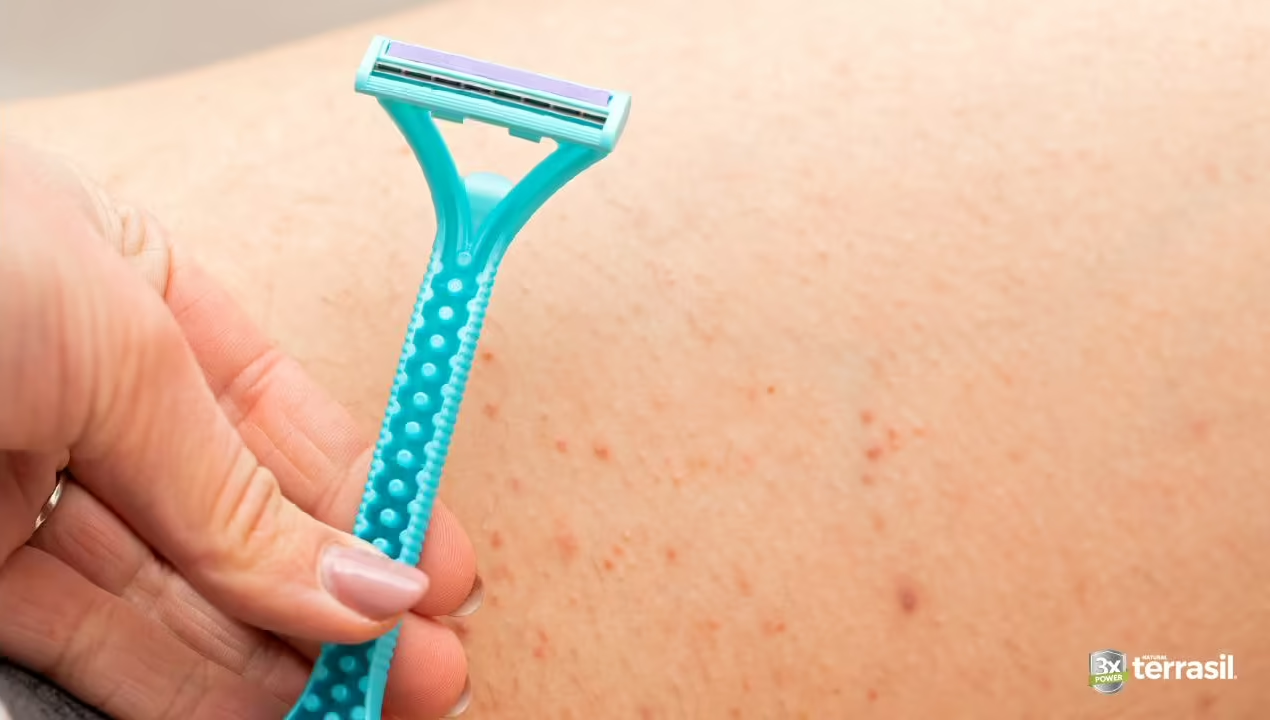
Before we talk relief solutions, let’s confirm you’re dealing with actual razor burn and not something else.
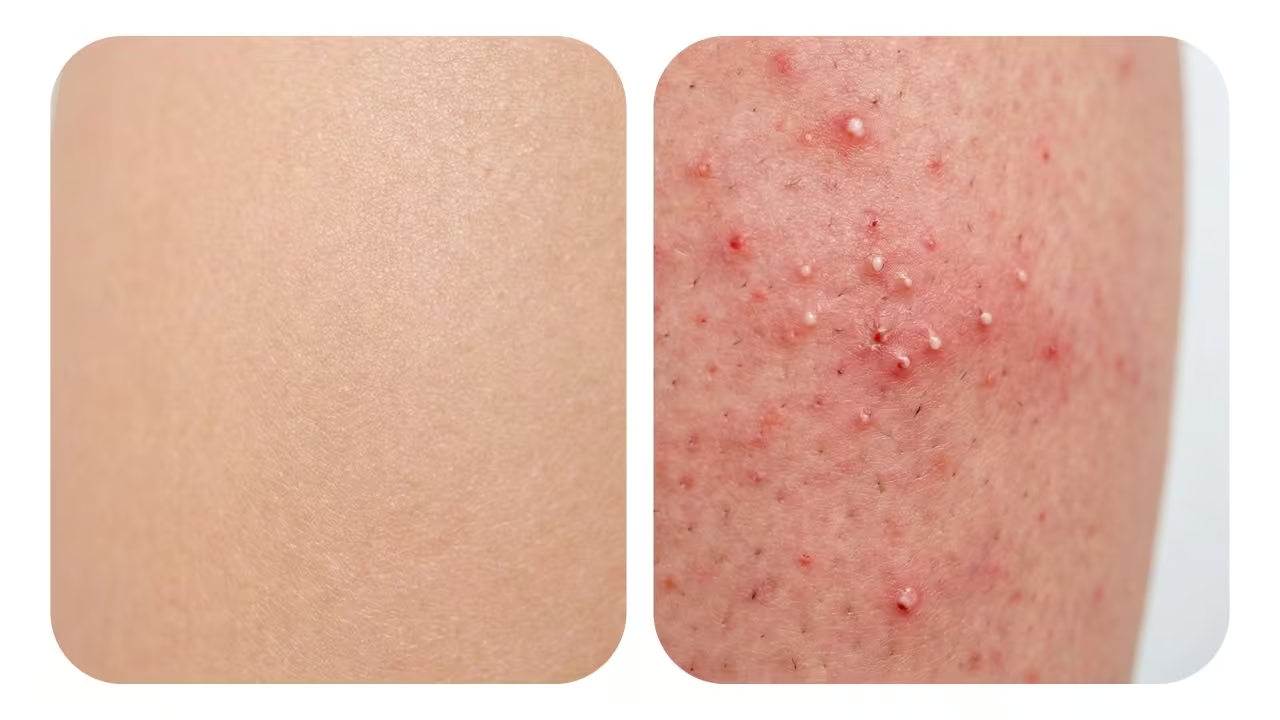
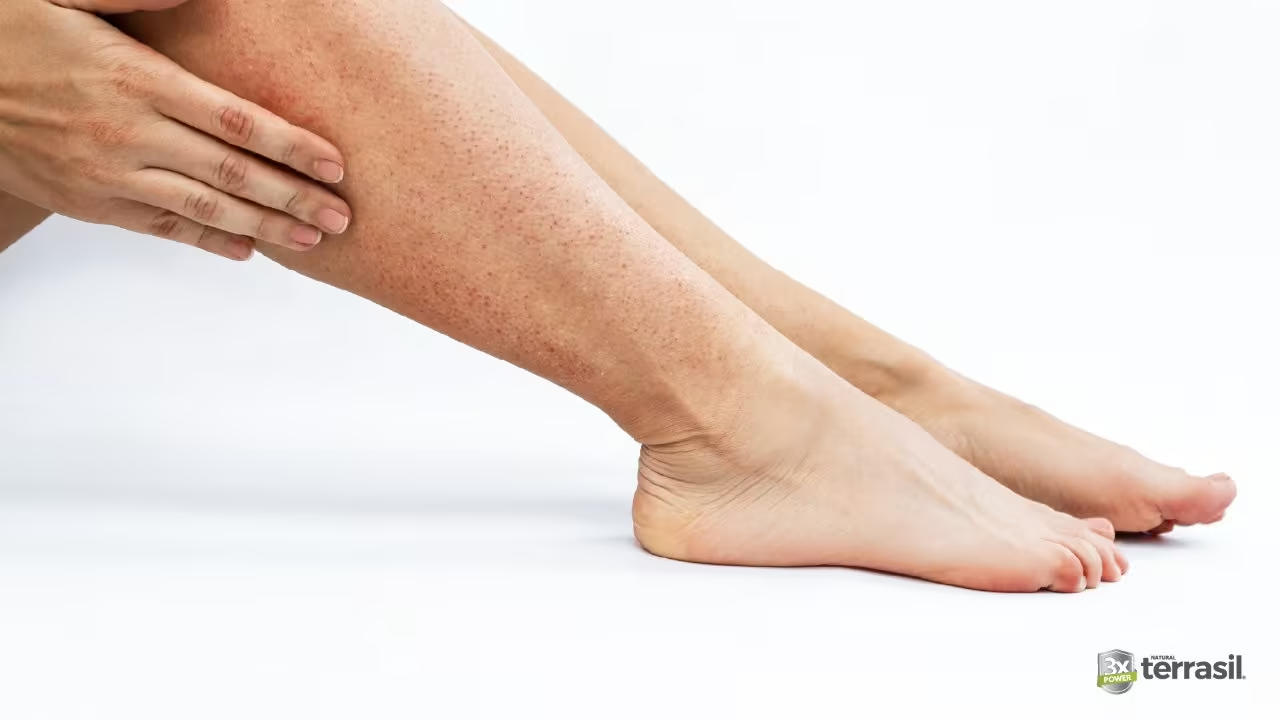
Razor burn on the bikini line typically shows up like this:
- Appears within 6–24 hours after shaving (sometimes even after waxing)
- Follows the exact path where the razor passed
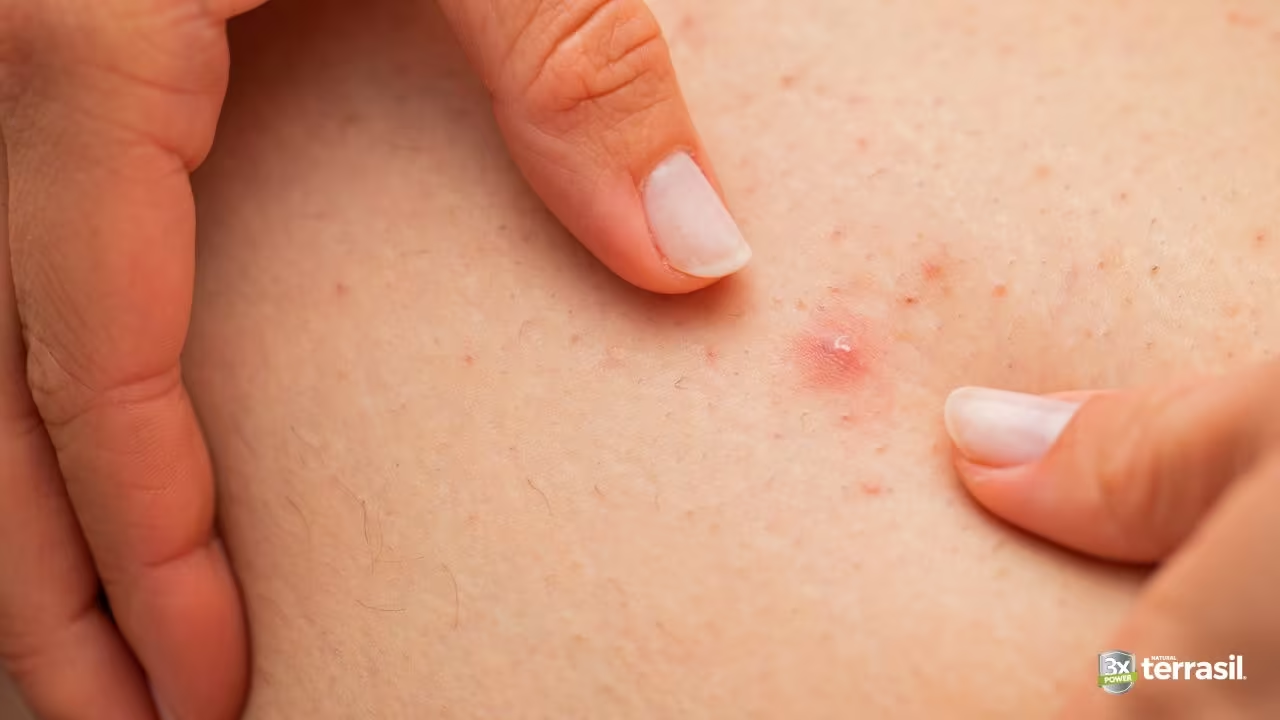
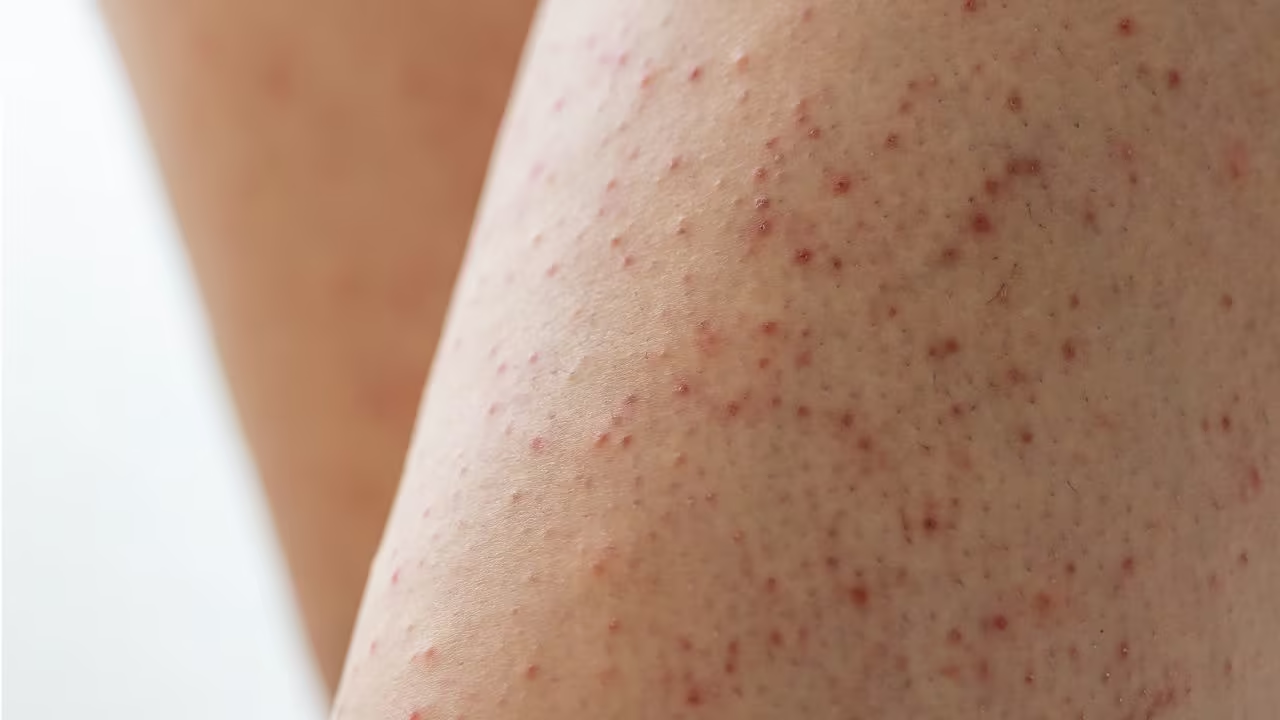
- Looks red, slightly inflamed, or sensitive to touch
- Feels itchy or stingy (especially in underwear or with friction)
- Doesn’t have pus, unusual discharge, or spreading redness
- Improves within 3–5 days with basic care
It probably isn’t razor burn if:
- The irritation appeared days after you shaved
- It doesn’t follow a shaving pattern
- It’s spreading or getting worse daily
- It has discharge, bumps that look infected, or unusual symptoms
- It’s in areas you didn’t shave
If your symptoms don’t match the razor burn pattern, or if they’re not improving after a few days of basic care, something else might be going on—and that’s worth investigating separately.
What to Actually Put on Razor Burn on the Bikini Line
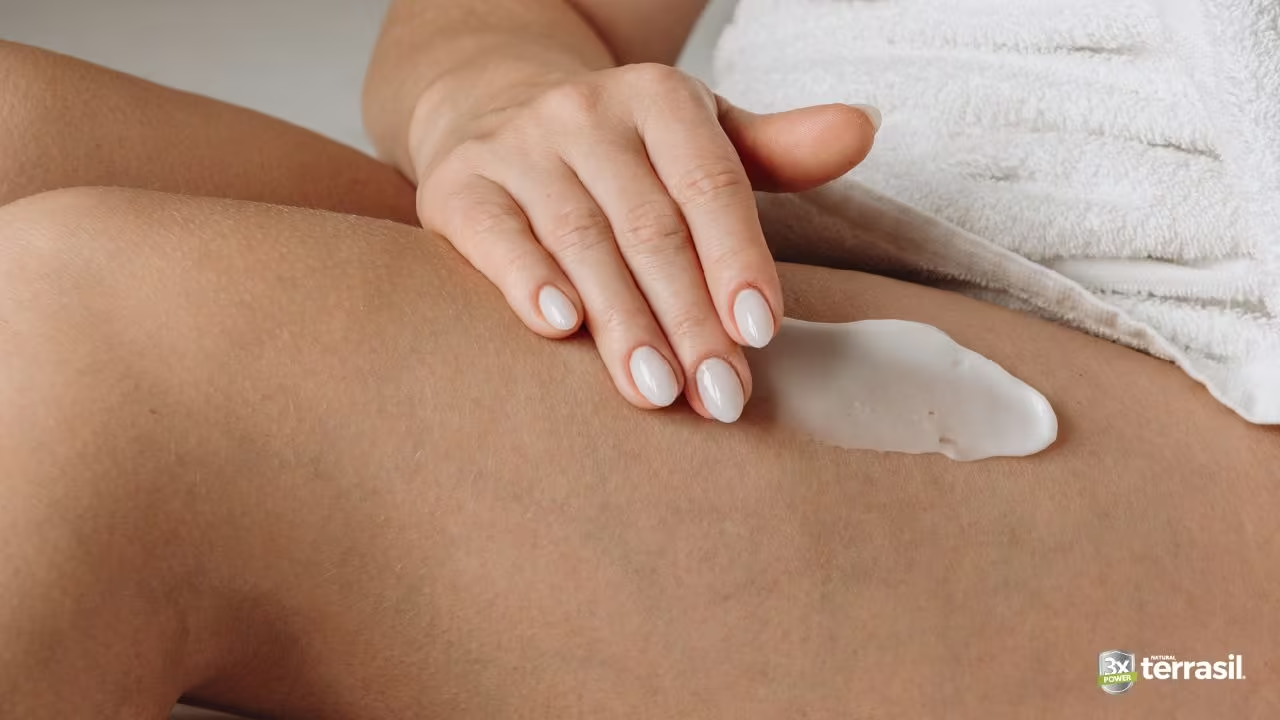
Here’s what works best for razor burn relief and treatment:
The Best Option: A Protective Ointment (Not a Lotion)
Why ointment is the best treatment for razor burn: Lotions are water-based and absorb quickly. For razor burn relief on the bikini line, that’s counterproductive—you need a protective ointment that stays on the skin and creates a lasting barrier against friction. Ointments are occlusive, meaning they seal in moisture and shield the skin from repeated rubbing.
The most effective treatment combines three features: it must be fragrance-free (fragrance = more irritation on sensitive skin), free from common irritants like alcohol and harsh actives, and specifically designed for compromised skin. Look for ointments formulated with soothing botanicals and protective minerals that support your skin’s natural recovery process.
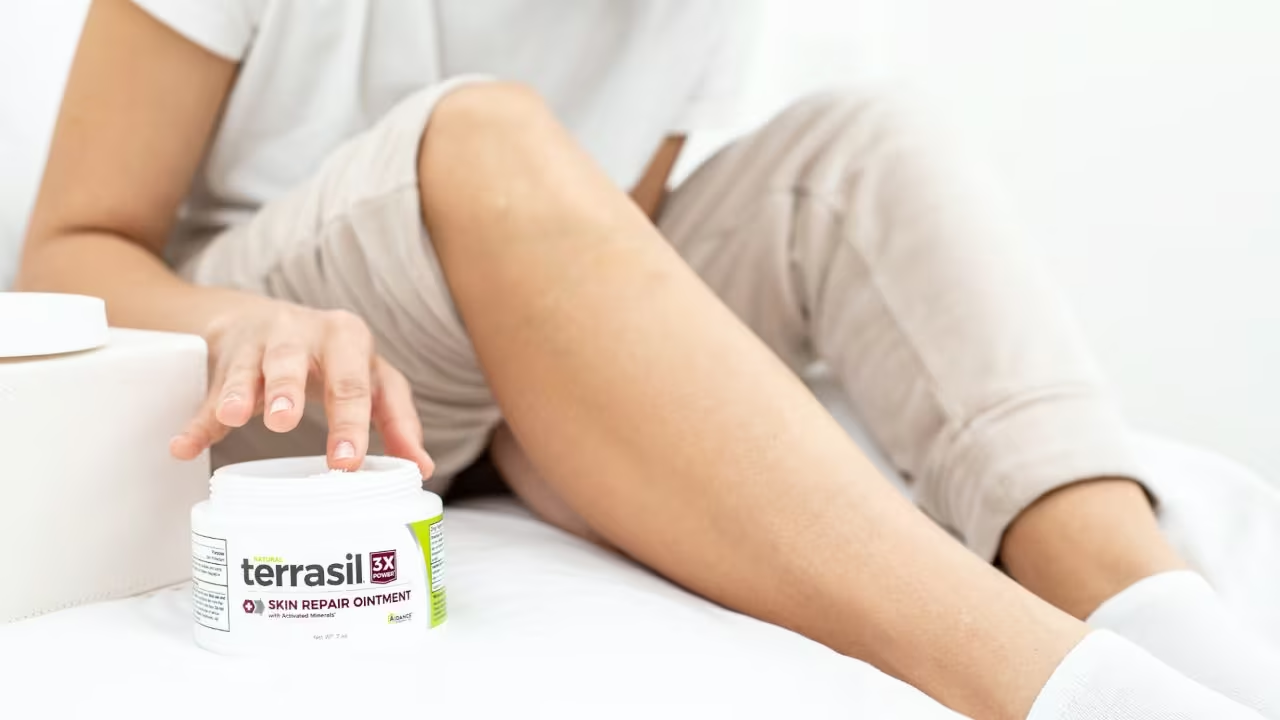
Terrasil® Skin Repair is one such option, formulated with patented activated minerals and botanicals to soothe and protect sensitive skin. Its fragrance-free formula and gentle composition make it well-suited for razor burn treatment on high-friction areas.
Apply your chosen ointment in a thin layer after cleansing, and reapply as needed (especially before bed or before friction).
Why Other Common Options Fall Short
Alcohol-based aftershave: Dries skin immediately and stings like crazy.[1] It might feel like it’s “doing something,” but it’s actually making irritation worse by stripping natural oils and increasing barrier disruption.[2]
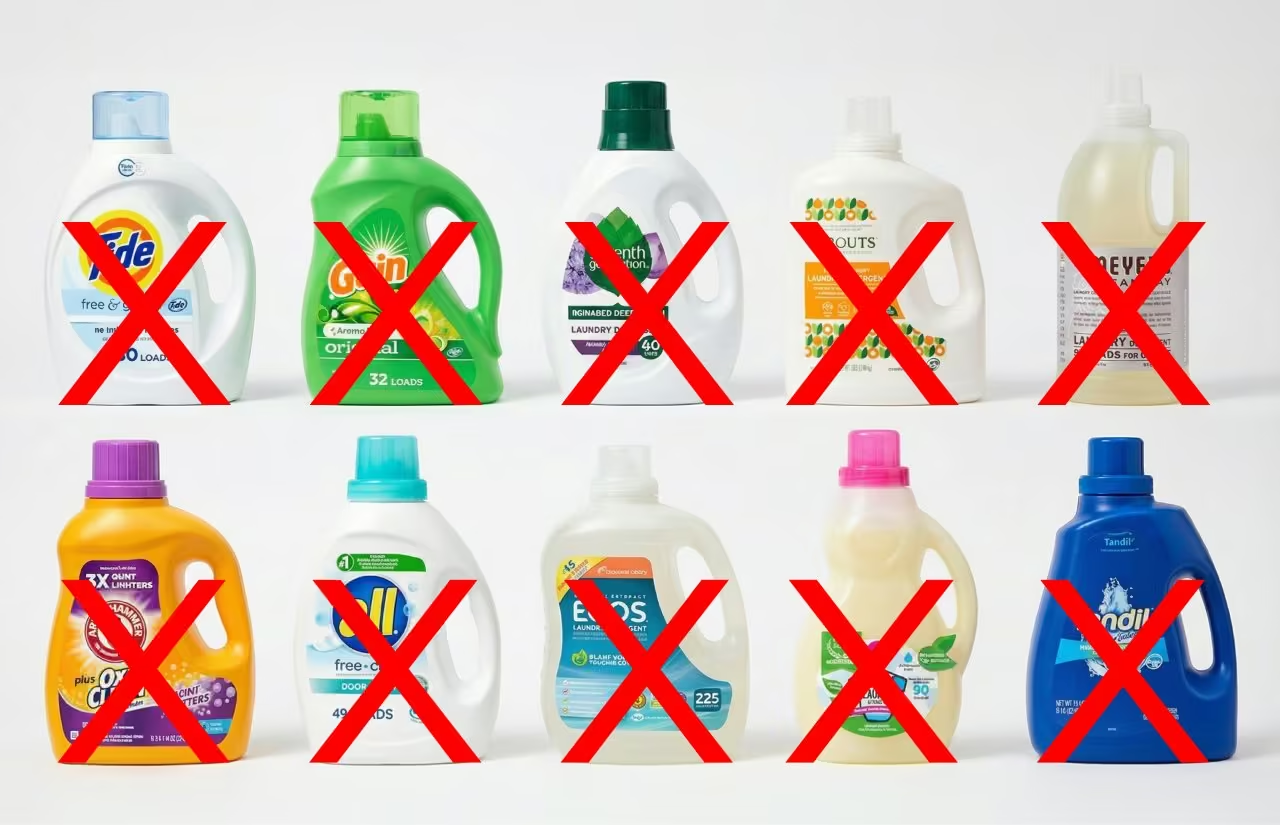
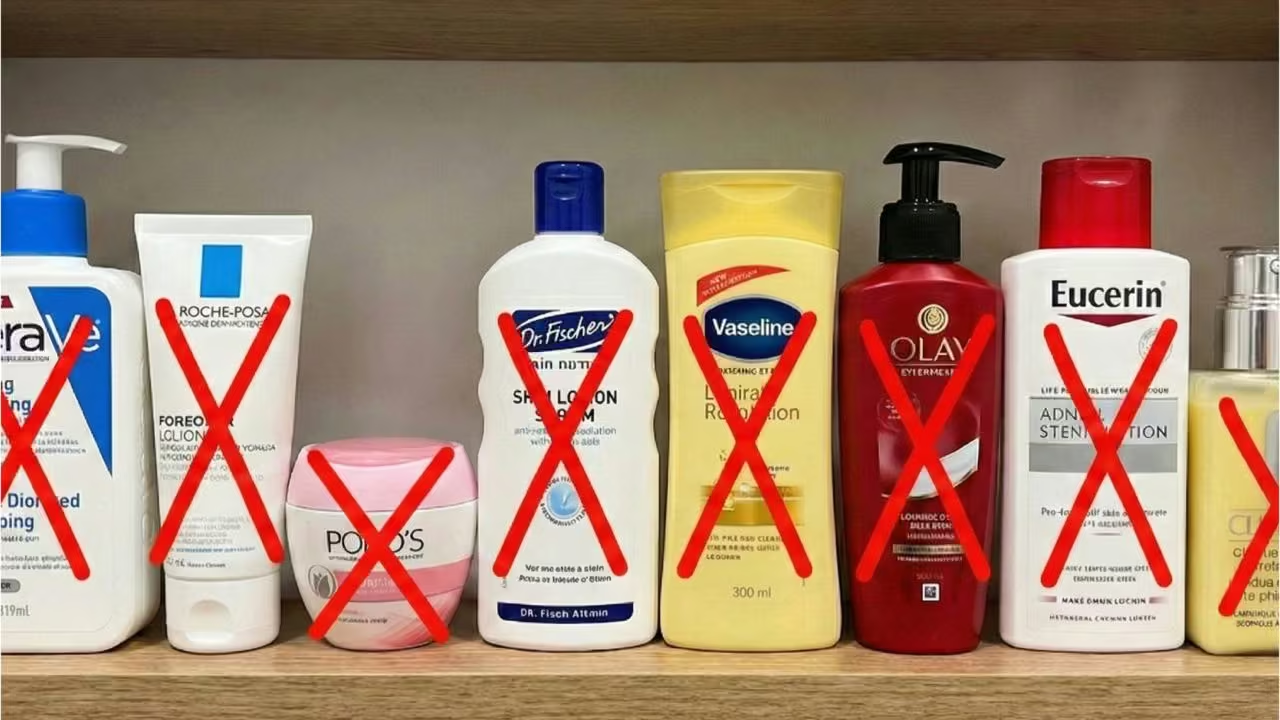
Regular fragrance lotions: Most standard body lotions have fragrance and other actives that can irritate freshly shaved skin. They also absorb too quickly to protect against friction.
Powders: These can be tempting to reduce friction, but they often trap sweat and heat, which keeps the irritation active longer.
Nothing at all: Some people skip aftercare thinking the skin will toughen up. It will heal, but much slower—and you’ll be uncomfortable the whole time.
The 5-Step Fix-It-Fast Routine

If you have razor burn on the bikini line right now, here’s what to do:
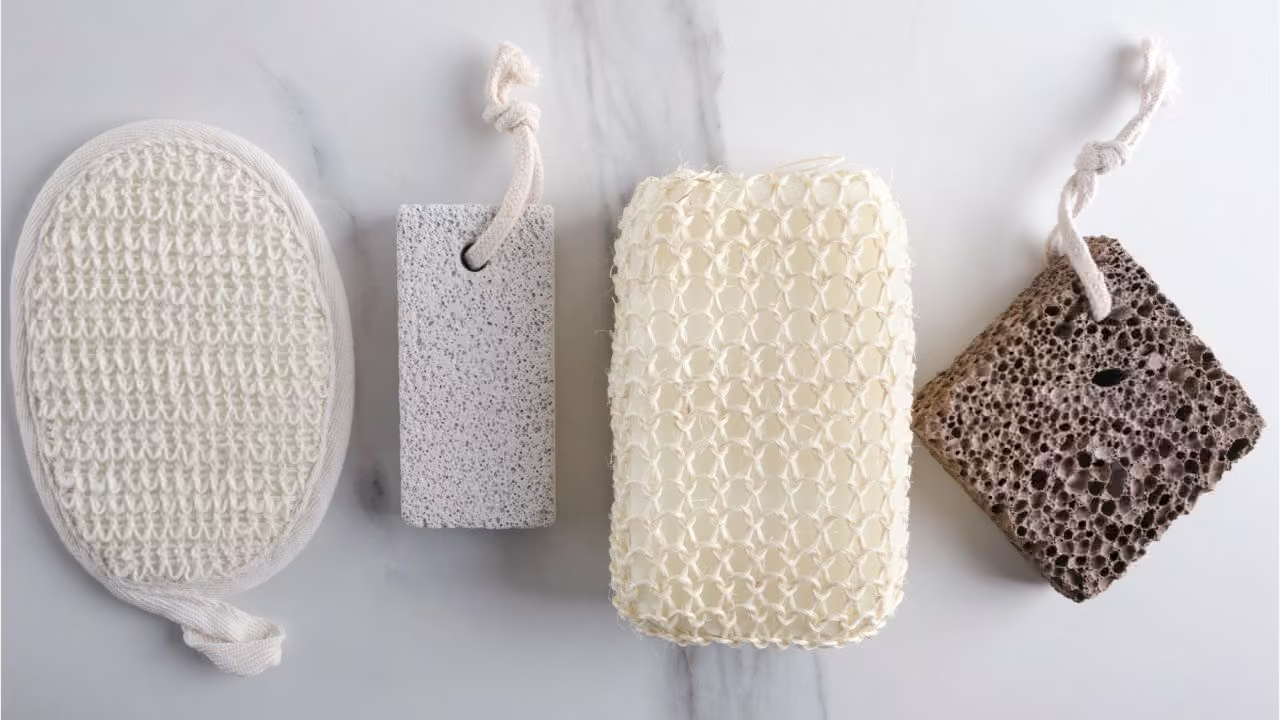
Step 1: Cleanse with a gentle, fragrance-free soap Use lukewarm water and a mild, fragrance-free cleanser to gently wash the area. Don’t scrub—this removes sweat and bacteria without adding irritation. This is the foundation of effective razor burn treatment: clean skin allows your body’s natural repair process to work effectively.
A gentle, fragrance-free soap is essential here. Terrasil® Calendula Soap is formulated specifically for this purpose—it cleanses effectively while staying gentle to your skin barrier, exactly what compromised skin needs during razor burn treatment.
Step 2: Pat dry thoroughly Use a clean towel to pat the area dry—don’t rub. Make sure the skin is completely dry before the next step, as moisture on the surface prevents the ointment from adhering properly. For ongoing care, change your towels every two days or so to avoid reintroducing bacteria to the healing area.
Step 3: Apply a skin repair ointment Once completely dry, apply a thin layer of a protective ointment. This is a crucial step in razor burn relief and treatment. The ointment creates a barrier that protects the skin from friction, locks in moisture, and supports your skin’s natural healing processes. This is where razor burn treatment becomes most effective.
Terrasil® Skin Repair is purpose-built for this step. Its patented activated minerals help soothe the area and support natural healing, while high-quality botanicals calm and soothe the skin to protect and strengthen your skin barrier during recovery.
Step 4: Let it set (2–3 minutes) Before putting underwear back on, let the ointment set slightly. This prevents it from rubbing off immediately and ensures it has time to create an effective protective barrier.
Step 5: Wear comfortable, breathable clothing For the next few days, wear breathable, loose-fitting underwear or go without if possible. Cotton is better than synthetics. Tight underwear keeps friction high and heat trapped, which works against healing.
Repeat twice daily (or as needed):
- Morning and night cleanse-and-apply routine
- After sweating (gym, activity, heat)
- Anytime after friction
- Before bed (for protection through the night)
How to Prevent Razor Burn on the Bikini Line Next Time
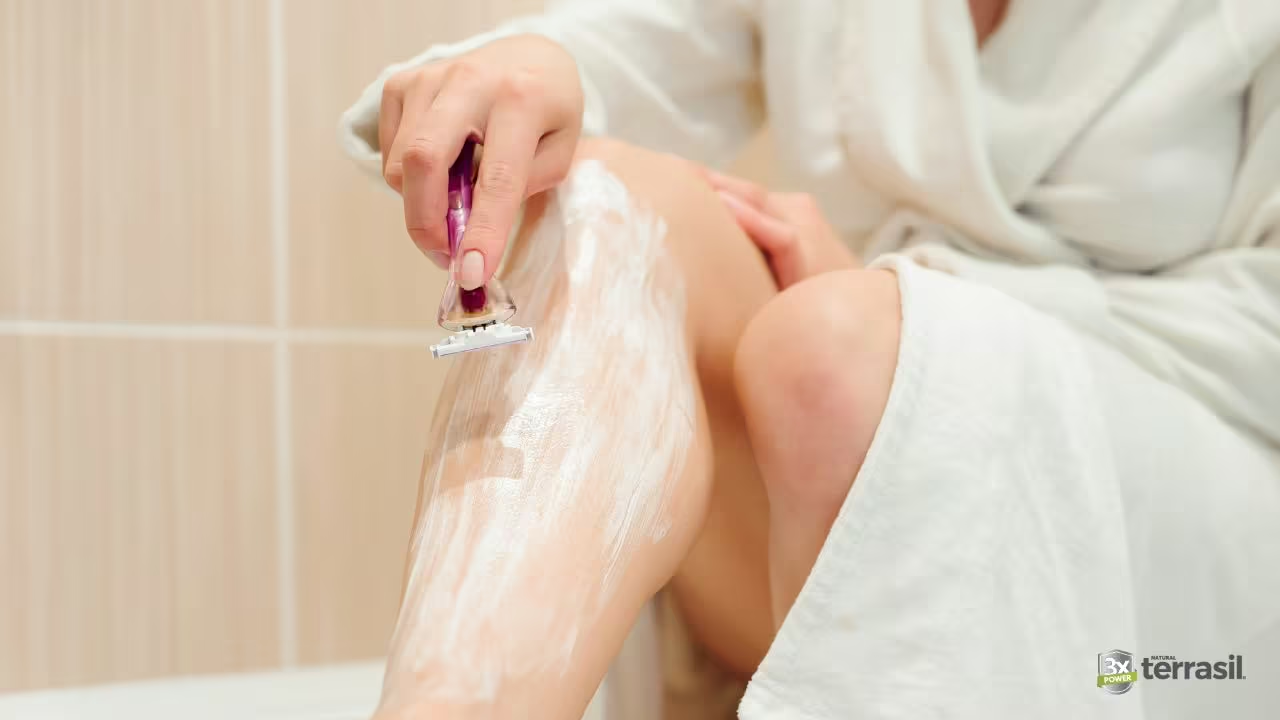
Prevention is the best form of razor burn relief. Here’s how to avoid irritation next time:
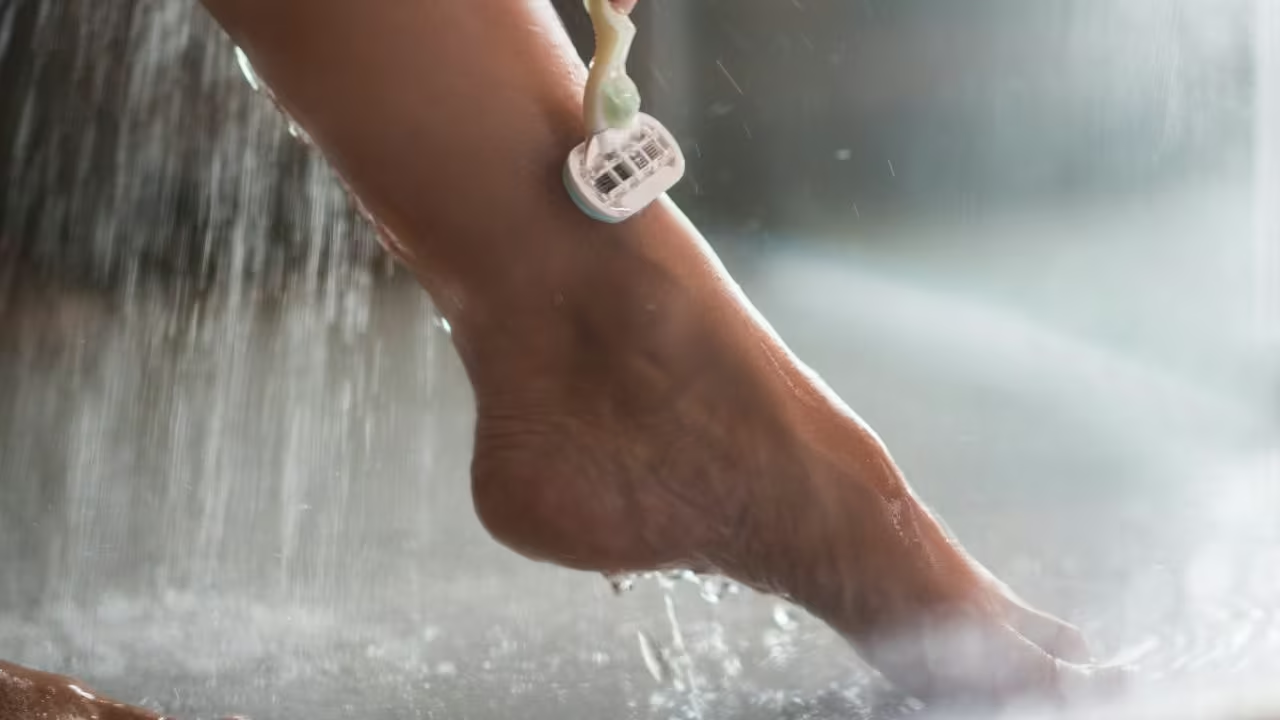
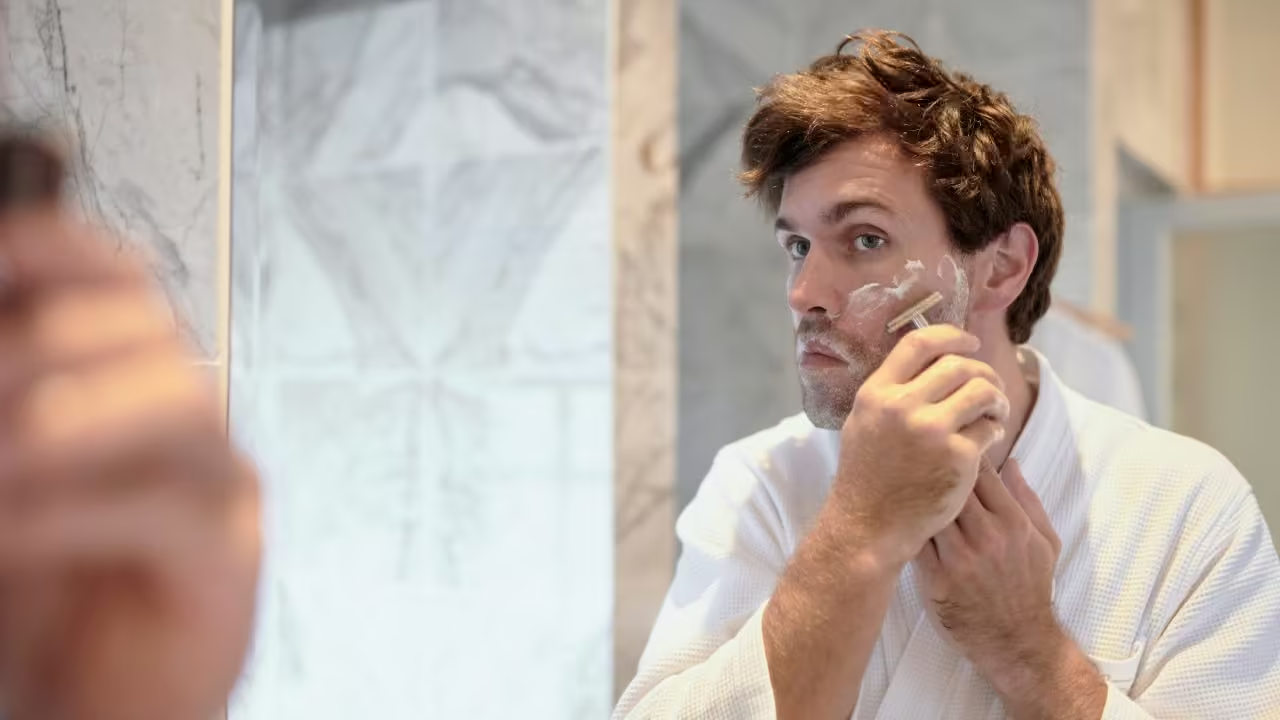
1. Start with a warm shower Warm water softens hair and opens pores. Shave after showering, not before. This reduces the trauma to both the hair and skin.
2. Use a sharp razor A dull blade tears hair instead of cutting it cleanly, which causes more irritation and can lead to ingrown hairs.[3] Replace your razor every 5–10 shaves, or sooner if you notice it tugging.
3. Use a proper shaving gel or cream This isn’t optional. Dry shaving or shaving with just water massively increases friction and irritation. Use a gel or cream designed for sensitive skin.
4. Shave with the grain, not against it Shaving against the grain gives a closer shave, but it significantly increases irritation and the risk of ingrown hairs.[4] Shave with the grain (the direction hair naturally grows) for a gentler pass. You can always go over it once more with the grain if needed.
5. Avoid multiple passes One careful pass is better than multiple passes. If you do a second pass, keep it gentle and go with the grain.
6. Pat dry, then protect After shaving, pat the area dry and apply a thin layer of protective ointment while the skin is still slightly warm. This seals in moisture and protects against immediate friction from underwear.
7. Avoid friction for the first few hours If possible, wear loose clothing or skip underwear for a bit after shaving. Let the skin settle before introducing friction.
The Most Effective Treatment: Terrasil® Skin Repair
The treatment approach outlined above is highly effective. For those seeking a targeted product solution, Terrasil® Skin Repair combines all the key elements: it’s an occlusive ointment formulated with patented activated minerals and high-quality botanicals, completely fragrance-free, and specifically designed for sensitive, compromised skin.
Key benefits:
- Fragrance-free formula eliminates irritant risk
- Occlusive ointment stays on skin (doesn’t absorb quickly like lotion)
- Patented minerals help soothe and support natural healing
- Botanicals known to calm sensitive skin
- Designed specifically for high-friction areas like the bikini line
Pair with: Gentle, fragrance-free cleansing with Terrasil® Calendula Soap for a complete razor burn treatment system.
Quick FAQ
The Bottom Line
Razor burn on the bikini line is frustrating, but it’s one of the most preventable and manageable types of skin irritation. Effective razor burn relief and treatment comes down to three things: sharp razors, proper technique during shaving, and protecting the skin from friction while it heals.
If you have active razor burn now, follow the cleanse-dry-protect routine above. Most people see significant improvement by being consistent with gentle care. If you’re trying to prevent razor burn next time, focus on preparation (warm shower, sharp razor, good shaving cream) and aftercare (protective ointment, breathable clothing).
For those seeking a targeted product solution designed specifically for this problem, Terrasil® Skin Repair combines all the essential elements: occlusive ointment formula, fragrance-free, patented minerals, and botanicals specifically chosen to soothe and support your skin’s natural healing processes.
References
[1] American Contact Dermatitis Society. (2020). Irritant contact dermatitis: Causes and prevention. Retrieved from https://www.contactderm.org
[2] Sjedin, B., & Swartling, C. (2013). Skin irritation from alcohol-based products: A review of mechanisms and clinical implications. Journal of Cosmetic Dermatology, 12(1), 5-12. doi:10.1111/jocd.12036
[3] Kobayashi, T., Umegaki, N., Fujita, N., & Nakamura, R. (2008). Hair removal and skin irritation: Mechanisms and prevention strategies. Dermatologic Surgery, 34(6), 751-758. doi:10.1097/00042728-200806000-00002
[4] British Hair and Scalp Society. (2019). Directional shaving and its impact on follicular irritation. Retrieved from https://www.bhss.org.uk
[5] Barr, R. J. (1987). Pseudofolliculitis barbae. Journal of the American Academy of Dermatology, 16(2), 357-364. doi:10.1016/S0190-9622(87)70045-3
[6] Wissing, S. A., & Müller, R. H. (2002). Cosmetic applications for solid lipid nanoparticles (SLN). Advanced Drug Delivery Reviews, 54(S1), S131-S155. doi:10.1016/S0169-409X(02)00118-7
[7] Draelos, Z. D. (2009). Procedures in cosmetic dermatology: Sensitive skin. Saunders Elsevier. doi:10.1016/B978-1-4160-3127-0.10002-6
[8] Telofski, L. S., Morello, A. P., Mussie, A., & Frazier, C. C. (2012). The role of a true emollient on perceived skin barrier function and stratum corneum hydration. Journal of Cosmetic Dermatology, 11(2), 78-87. doi:10.1111/j.1473-2165.2012.00600.x
[9] Callen, J. P., Jorizzo, J. L., Bolognia, J. L., & Rapini, R. P. (2008). Dermatological signs of systemic disease (4th ed.). Saunders Elsevier. doi:10.1016/B978-0-7216-2990-6.50001-5