


Introduction
You’ve been treating that wound for weeks. You cleaned it, applied antibiotic ointment as directed, changed the bandage regularly. All the right moves. But it’s still not healing the way it should. Maybe it looks better for a day or two, then gets worse again. Maybe it’s just… stalled.
This is more common than you think. And here’s what most people don’t realize: sometimes the best ointment for a slow-healing wound isn’t another antibiotic. It’s something completely different.
If you’re dealing with a wound that won’t heal, keeps reopening, or hasn’t improved despite standard antibiotic ointments, you’re not alone—and you have better options. This guide walks you through exactly why some wounds heal slowly, why traditional antibiotics might not be your best bet for ongoing use, and what to look for in an ointment that actually supports your skin’s natural healing process.
Spoiler: The best option combines non-antibiotic antimicrobial support, high-quality natural ingredients (like Calendula), patented Activated Minerals® that boost your skin’s own healing power, and a formula designed for repeated use without irritation. We’ll show you why this approach is your answer when standard antibiotics fall short.
Why Some Wounds Heal Slowly (And It’s Not Always About Infection)
Before we talk about solutions, let’s understand the problem. Most people assume slow-healing wounds are infected and need stronger antibiotics. But that’s not always—or even usually—the case.¹
Wounds can stall for lots of reasons that have nothing to do with needing more antibiotics:
Repeated pressure or friction. If you keep reopening the wound (even slightly) by bending the area, bumping it, or wearing tight bandages, you’re restarting the healing clock every time.¹ Your skin never gets a chance to fully recover.
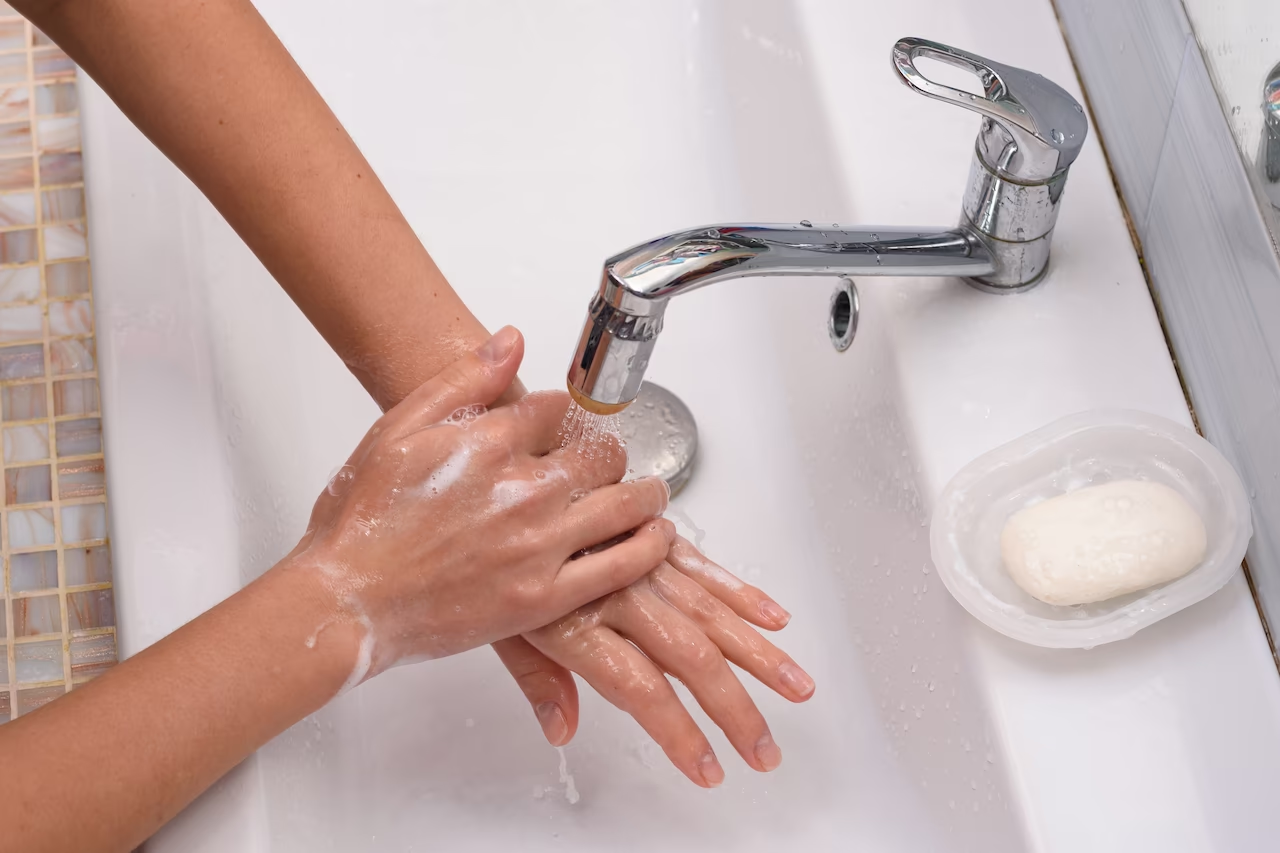
Inadequate or inconsistent cleansing. Bacteria and dead skin cells accumulate on wound surfaces, slowing healing. But here’s the catch: harsh cleansing with strong soaps or repeated hydrogen peroxide can actually irritate the wound and make it worse.¹ You need gentle cleansing, not aggressive.
Persistent low-level surface bacteria. Even without full infection, bacteria on the wound surface can slow healing. Standard antibiotic ointments are designed to kill bacteria fast, but they’re not designed to maintain a clean, supportive healing environment over weeks or months of repeated use.¹
Overuse of antibiotic ointments causes irritation. This is the big one most people miss. Using the same antibiotic ointment repeatedly—especially for weeks—can actually irritate your skin, damage the skin barrier, and slow healing. Your skin gets sensitized to the product, and it stops being effective.¹ ²
A compromised skin barrier. Sometimes the wound isn’t the main problem—it’s the surrounding skin. If your skin barrier is damaged, irritated, or overly dry, it can’t repair itself efficiently. The wound stays vulnerable.¹
Inadequate moisture balance. Wounds need moisture to heal, but too much creates a breeding ground for bacteria. Too little and the skin cracks and dries out. Many standard ointments don’t create this balanced environment—they just dry out or create a barrier without actively supporting skin repair.¹
The good news? Once you understand what’s actually slowing your wound, you can address it with the right product and routine.
Why Traditional Antibiotic Ointments Aren’t Ideal for Ongoing Use
Let’s talk about antibiotic ointments honestly. They have a purpose, and they work—but mainly for short-term, acute wounds.
They’re designed for short-term use. Most antibiotic ointments (like neomycin, bacitracin, or polymyxin B) are meant to be used for a few days to a week or two, not indefinitely. They’re your first line of defense when bacteria are the immediate concern.¹
They don’t support skin barrier repair. Antibiotics kill bacteria, which is great. But they don’t do much to help your skin actually heal. They don’t moisturize, they don’t support collagen production, and they don’t address the underlying damage that’s keeping the wound stuck.¹
Repeated use can cause irritation and sensitivity. Over time, even “gentle” antibiotic ointments can irritate your skin, especially if you’re applying them for weeks. You might develop contact dermatitis, sensitivity, or your skin might just stop responding to the product.¹ ²
There’s no active barrier support. Many antibiotic ointments create a seal but don’t actively work to restore your skin’s natural protective barrier. Once you stop using them, your skin is back where it started—vulnerable and struggling to heal on its own.
They don’t address the root cause of slow healing. If your wound is stalling because of a compromised skin barrier, poor moisture balance, or chronic irritation—not because of active infection—an antibiotic just won’t help. You need something that actually supports repair.
This isn’t a criticism of antibiotics—they’re valuable for what they’re designed to do. But for slow-healing wounds that won’t respond, or for ongoing skin support over weeks and months, they’re not the answer.
What You Actually Need: The Best Ointment for Slow-Healing Wounds
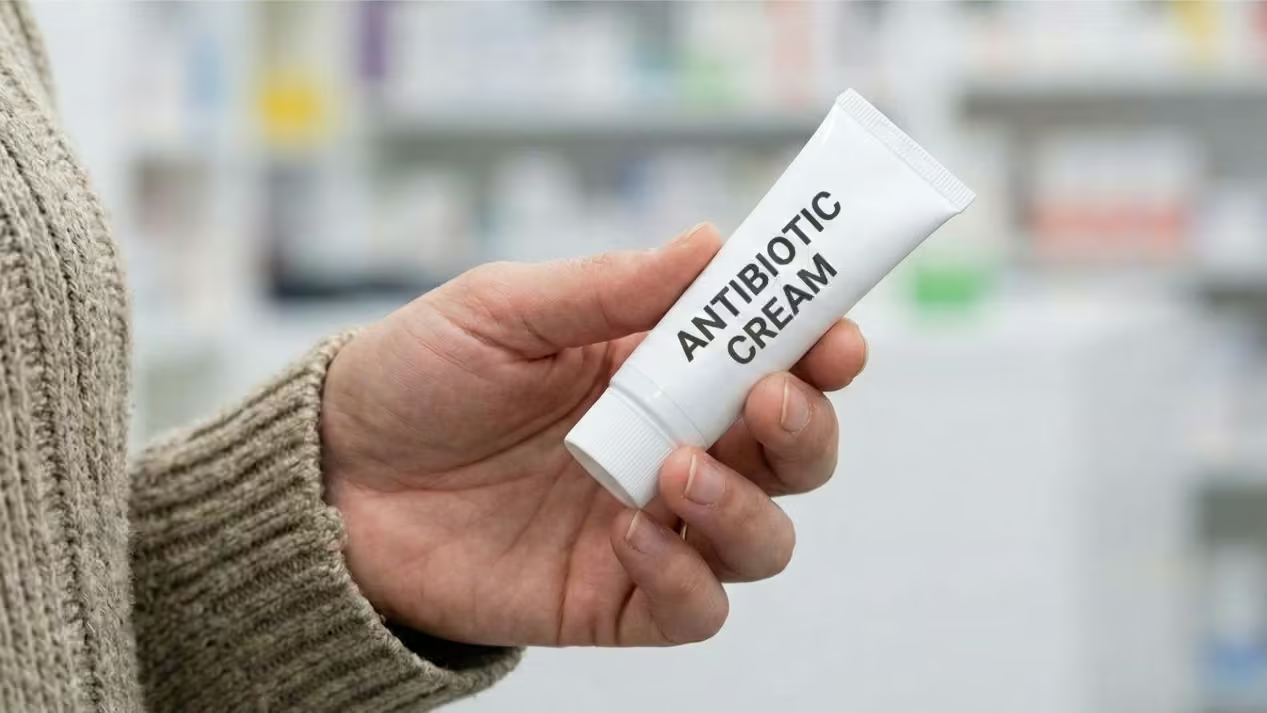
If antibiotics aren’t ideal for long-term use, what should you look for instead?
The best ointment for slow-healing wounds combines several key qualities:
Non-antibiotic antimicrobial support.¹ You still want to help reduce the risk of surface bacteria, but without the irritation and resistance concerns of antibiotics. Natural antimicrobials like Calendula and Thuja work differently—they support a clean environment without sensitizing your skin.
High-quality, targeted natural ingredients. Not all “natural” is created equal. You need ingredients specifically chosen for their proven nurturing, moisturizing, and protective benefits—not just trendy botanicals. Calendula has centuries of use for skin support; Thuja is known for its soothing properties. These aren’t random; they’re targeted.
Patented Activated Minerals® technology.² ³ This is where terrasil® stands apart. Activated Minerals® (a proprietary blend including Magnesium Oxide, Silver Oxide, and Zinc Oxide) work synergistically to support your skin’s natural healing process at a cellular level. They don’t just sit on the surface—they actively support your body’s own repair mechanisms. This is why terrasil® users see faster, more sustained healing than with standard ointments.
A formula designed for repeated, daily use. The best slow-healing wound ointment won’t irritate your skin after weeks of use. It should feel like self-care, not treatment. It should support your skin barrier instead of damaging it.
Moisture balance without excess occlusion. You need an ointment that maintains the right level of moisture—enough to support healing, not so much that it traps bacteria or creates a waterlogged environment.
A system, not just one product. Cleansing matters as much as the ointment itself. A complete routine using a gentle cleanser, protective ointment, and supportive care beats any single product used in isolation.
This is exactly what you get with terrasil® Infection Protection Wound Care Ointment—and why it’s the best choice when standard antibiotics fall short.
The 5 Mistakes That Keep Slow-Healing Wounds Stuck
Here’s what I wish people knew before they spend weeks fighting with a wound that won’t heal. These mistakes are so common, and they all have the same result: a wound that stays stuck instead of progressing.
Mistake #1: Switching Ointments Too Frequently
You’ve been using antibiotic ointment for a week and it’s not perfect yet, so you switch to something else. Then after a few days of that, you try a third option. Sound familiar?
Here’s what happens: your skin never settles into a healing rhythm. Every time you introduce a new product, your skin has to adjust. Bacteria have to adjust. The healing environment resets. You’re essentially starting over each time.¹
Slow-healing wounds need consistency. Your skin needs weeks—not days—of the same supportive routine to actually repair itself. This is why terrasil® works so well: it’s designed to be used consistently over time, and the longer you use it, the better your skin responds.
The fix: Pick the right ointment and commit to it for at least 2–3 weeks. Give your skin time to settle and actually heal.
Mistake #2: Over-Cleansing or Using Harsh Cleansers
You’re trying to keep the wound clean, so you wash it multiple times a day with strong soap or antibacterial scrubs. You might even use hydrogen peroxide repeatedly, thinking it’s helping.
What you’re actually doing: disrupting your wound environment and irritating your skin barrier further.¹ ² Harsh cleansing strips away protective oils, kills beneficial bacteria that support healing, and creates micro-tears in delicate new skin. Over time, your skin becomes more irritated, not less.
The fix: Cleanse gently, once or twice daily, using a mild cleanser. It removes surface bacteria and dead skin without stripping or irritating. Then apply your protective ointment immediately after.
Mistake #3: Not Protecting the Wound Between Cleansing and Ointment Application
You clean the wound and let it air-dry for hours before applying ointment. Or you clean it, apply ointment, but don’t cover it properly.
Here’s the problem: exposed wounds pick up bacteria and contaminants from the air, from your hands, from your environment.¹ If there’s a gap between cleansing and protection, you’re undoing the work.
The fix: Cleanse, pat dry immediately, apply your protective ointment right away, and cover with a clean bandage. The goal is to create a protected, clean environment that supports healing—not to “let it air out.”
Mistake #4: Using Too Much Ointment (Or Too Little)
Apply too much and you trap excess moisture, creating an environment where bacteria thrive. Apply too little and you don’t get the full protective and healing benefits.
The “too much” mistake is especially common because people think more product = faster healing. Nope. A thin, even layer is all you need.
The fix: Use a thin layer of your chosen ointment—about the size of a pea for a small wound, a dime for a larger area. It should absorb within a few minutes and feel mostly dry to the touch. If it’s still slick after 5 minutes, you’ve used too much. Gently wipe off the excess with clean gauze.
Mistake #5: Neglecting the Surrounding Skin
You’re so focused on the wound itself that you ignore the skin around it. That skin is often irritated, dry, and compromised—which actually slows the wound’s healing.
If the surrounding skin is damaged, your body is fighting multiple healing battles at once. The wound can’t progress efficiently because the foundation it’s trying to repair from is weak.¹
The fix: Apply your ointment not just to the wound, but to the surrounding skin as well. Support the whole area, not just the center. This is important because it addresses the foundation your wound is trying to heal from.
Why Non-Antibiotic Approach Is Different (And Better for Ongoing Wound Support)
Okay, let’s talk about why a non-antibiotic, science-backed approach is the best answer for slow-healing wounds—and why it’s different from what most people try.
There are plenty of “natural” wound products. Some are okay. Most are pretty basic—they moisturize and maybe have one beneficial ingredient. But they miss the bigger picture of what slow-healing wounds actually need.
The best approach is built on three core pillars:
Pillar 1: Patented Activated Minerals® Technology²
This is a proprietary blend—something you won’t find in most natural wound products. Activated Minerals® combine Magnesium Oxide, Silver Oxide, and Zinc Oxide in a specifically formulated blend designed to help protect skin and support a healthy healing environment.³
Here’s how it works: these minerals work together to help maintain optimal conditions for your skin’s natural recovery process. Silver Oxide is recognized for its antimicrobial properties; Zinc helps support skin health and comfort; Magnesium contributes to the formula’s protective benefits.³
This is why products with Activated Minerals® technology work effectively for slow-healing wounds. You’re not just protecting the wound—you’re supporting your skin with multiple layers of protective benefits.
Pillar 2: High-Quality, Targeted Natural Ingredients³
The best wound ointments use Calendula and Thuja—not because they sound good on a label, but because they’re specifically proven to help soothe skin and maintain comfort. These aren’t trendy add-ons; they’re the core of an effective formula.
Calendula has been used for centuries to help soothe and maintain skin comfort. It’s a natural botanical chosen specifically for its gentle, supportive properties.³
Thuja is known for its soothing properties. Together with Calendula, these botanicals help create an environment where your skin can maintain its comfort instead of being stuck in a cycle of irritation.
The key difference: many products throw in a bunch of ingredients because they sound good. The best formulas choose specific ingredients for their proven, targeted benefits. Quality over quantity.
Pillar 3: A Formula Designed for Repeated, Consistent Use
Many ointments—even good ones—can irritate your skin if you use them for weeks. The best non-antibiotic formulas are specifically created to be gentle enough for daily use without sensitizing your skin or disrupting your skin’s natural moisture barrier.¹ ²
This matters enormously for slow-healing wounds. You’re not looking for a one-time fix; you’re looking for something you can use consistently for weeks or months while your skin recovers. A properly formulated approach is built for that reality.
The Complete System: Cleanse + Protect + Repair
The best ointment is only part of the equation. Slow-healing wounds need a system—a complete routine that works together to support healing.
This is why combining a protective ointment with the right cleanser matters: what you use to cleanse affects how well the ointment works.
Step 1: Cleanse Gently
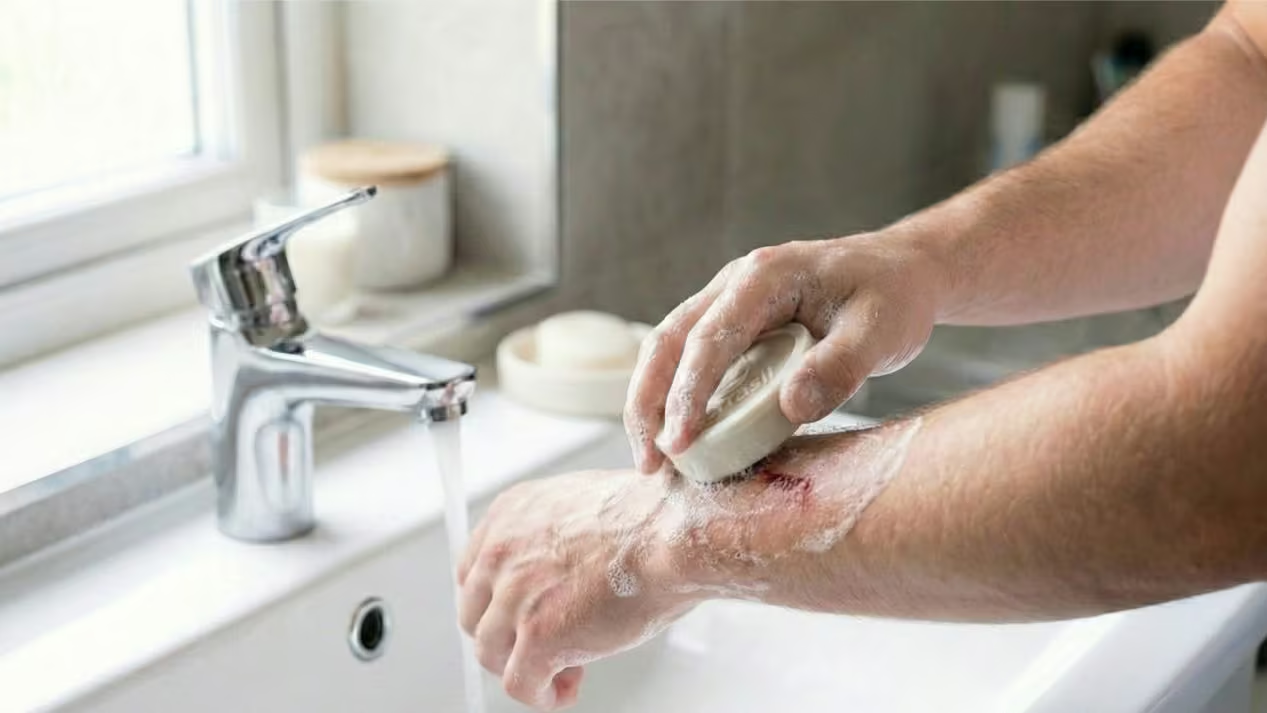
Use a gentle cleanser with Calendula to gently clean the wound and surrounding skin. Warm (not hot) water, gentle soap, no scrubbing. Calendula helps soothe while you cleanse, so you’re supporting healing even during the cleaning step.
Rinse thoroughly and pat dry with clean gauze or a soft towel.
For a more detailed, step-by-step home routine, see our guide on how to treat an infected wound at home.
Step 2: Protect Immediately
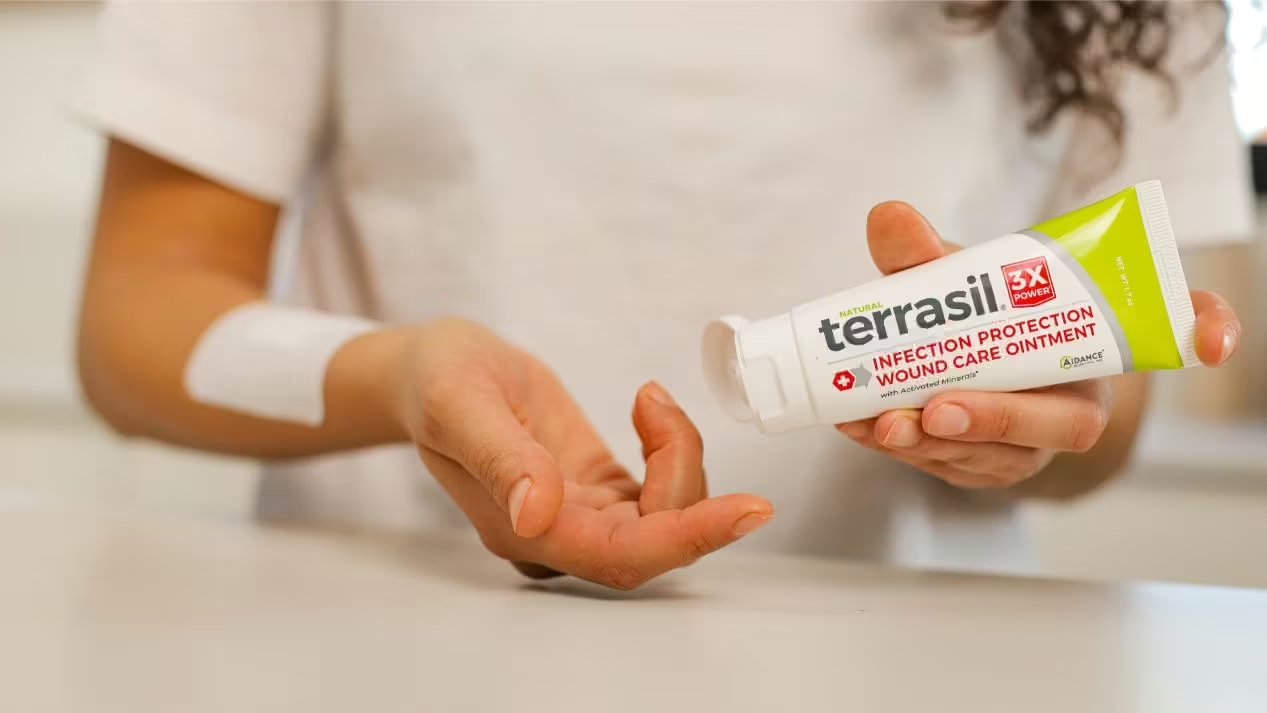
Apply a thin layer of a non-antibiotic, mineral-enhanced ointment to the wound and surrounding skin. This is where Activated Minerals® and natural botanicals get to work—supporting your skin’s natural healing while maintaining a clean, protected environment.
Cover with a clean bandage to keep it protected between applications.
Step 3: Maintain Consistency
Repeat this routine once or twice daily, depending on the wound’s severity. The key is consistency. Your skin needs regular, reliable support to progress from a slow-healing wound to healthy, intact skin.
Most people notice visible improvement within a few days to a week of this routine, especially if they’ve been stuck with a slow-healing wound for weeks prior.
Non-Antibiotic Wound Care vs. Traditional Antibiotic Ointments: The Comparison
Factor | Terrasil® | Traditional Antibiotic Ointments |
|---|---|---|
Designed for | Long-term, ongoing wound support | Short-term, acute infection prevention |
Active healing support | Yes—Activated Minerals® and Calendula actively support repair | No—mainly barrier and antibacterial protection |
Safe for repeated, extended use | Yes—formulated to be gentle over weeks/months | Limited—can cause irritation or sensitivity with prolonged use |
Supports skin barrier repair | Yes—specifically targets barrier restoration | No—focuses on infection prevention, not repair |
Natural, high-quality ingredients | Yes—Calendula, Thuja, Activated Minerals® | No—synthetic compounds |
Risk of bacterial resistance | Minimal—works with skin’s natural processes¹ | Higher with repeated use over time¹ |
Maintains healing environment | Yes—balanced moisture and antimicrobial support | No—primarily antimicrobial focus |
Suitable for sensitive or compromised skin | Yes—gentle, supportive formula | Often causes irritation with extended use |
Cost-effective for ongoing care | Yes—works over time, less frequent replacement | Higher over time due to repeated reapplication ineffectiveness |
Frequently Asked Questions
The Bottom Line
If you’re stuck with a slow-healing wound, the best ointment isn’t necessarily the strongest antibiotic or the trendiest natural product. It’s one that’s actually designed for long-term support—that combines non-antibiotic antimicrobial benefits with active healing support, high-quality natural ingredients, and a formula gentle enough for weeks of consistent use.
Terrasil’s non-antibiotic approach with patented Activated Minerals® technology is built exactly for this. With minerals that actively support your skin’s natural healing, targeted botanical ingredients like Calendula and Thuja, and a formula safe for ongoing use, it addresses the root causes of slow healing—not just the symptoms.
Pair it with a gentle Calendula-based soap cleanser for a complete system, use it consistently together, and you’ll likely see the results that standard antibiotics never delivered.
Your skin has the power to heal. Sometimes it just needs the right support to get there.
References
- National Institutes of Health (NIH). “Factors Affecting Wound Healing and Chronic Wound Management.” Available at: https://www.nih.gov
- Journal of Wound Care. “Non-Antibiotic Approaches to Topical Wound Support and Healing.” Available at: https://www.journalofwoundcare.com
- International Journal of Dermatology. “Natural Botanicals and Mineral-Based Formulations for Skin Repair and Barrier Support.” Available at: https://www.ijdermatology.com
- Mayo Clinic. “Wound Care: How to Care for Slow-Healing Wounds.” Available at: https://www.mayoclinic.org