





If you’ve noticed a sore, blister, or dark spot on the foot of someone you love, and they have diabetes, you’re probably very worried. That makes complete sense. Feet are easy to overlook until something goes wrong, and when diabetes is involved, a small problem can grow quickly if it isn’t caught. Take a breath. The steps below can help right now, and the rest of this article explains what you’re seeing and how to protect those feet every day.
Here’s the short answer: a diabetic foot ulcer is an open sore, most often on the bottom of the foot or the toes, that develops when nerve damage and poor circulation make it hard to feel injuries and slow to heal. Because the person may not feel the sore, it can go unnoticed for days. For example, a blister from a new pair of shoes can keep getting rubbed with every step without any pain to warn them. Early attention matters, and the care team should hear about any change quickly.¹
What You Can Do Right Now
These steps are a good starting point while you arrange care and learn more.
- Take weight off the foot. Encourage the person to stay off the affected foot as much as possible. Use a chair or bed to rest, and avoid walking on the sore, even for short trips.
- Check the shoe and sock. Remove the shoe and sock gently. Look for anything rubbing or pressing, and check inside the shoe for objects or rough seams.
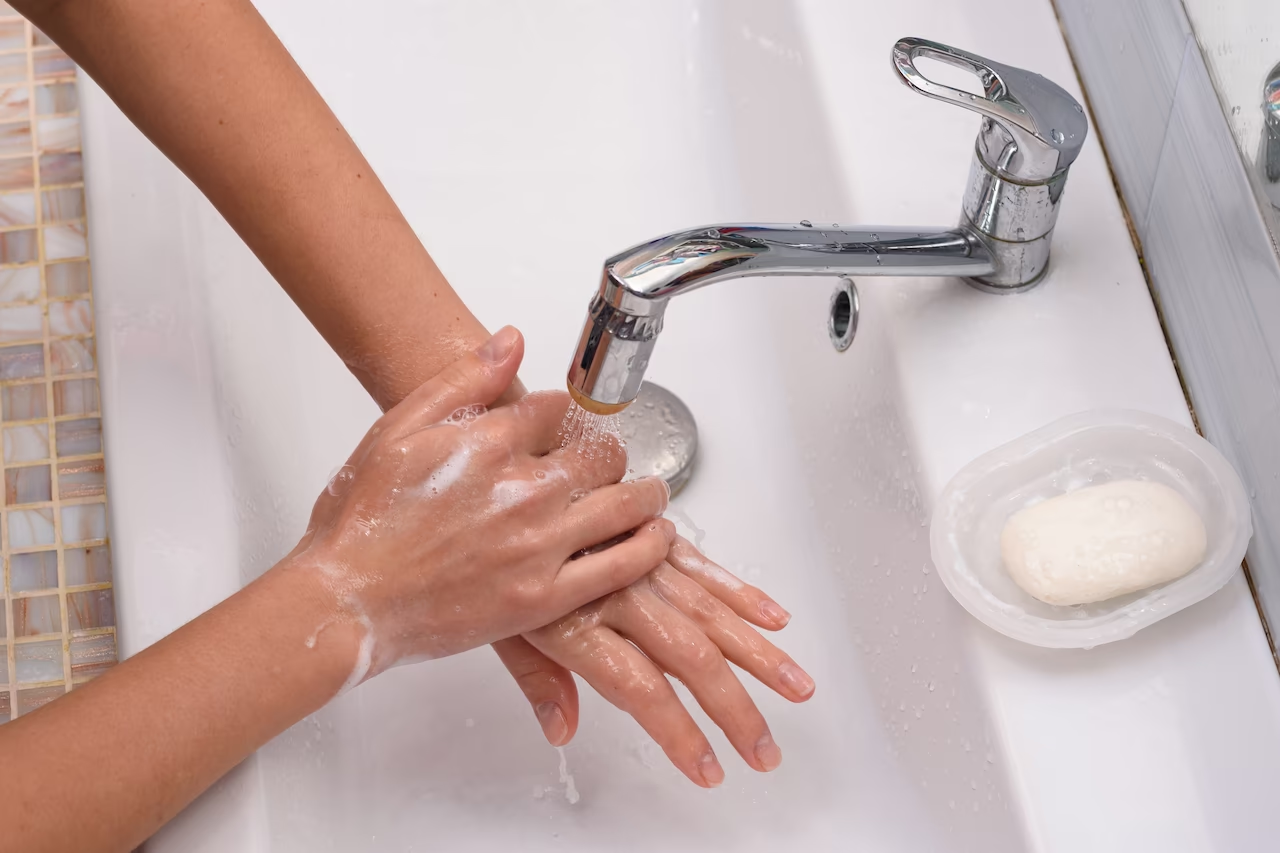
- Keep the area clean and dry. Wash the foot with lukewarm water and a mild, gentle cleanser, and pat dry carefully, especially between the toes. Avoid soaking the foot.
- Cover the area as the care team directs. If the sore is open, don’t apply anything to it unless the care team has told you what to use. A clean bandage or dressing is often used while you wait for guidance.
- Protect the skin around the sore. Once the surrounding skin is clean and dry, apply a thin layer of the terrasil Foot Ulcer and Sore Relief ointment to the skin around the sore. Its active ingredient is allantoin, an over-the-counter skin protectant, and it contains premium natural ingredients that moisturize, protect and soothe the skin. Together with the rest of the formula, Activated Minerals® technology helps support absorption. Keep it off the open sore unless the care team has said it’s appropriate.
- Write down what you notice. Record the size, color, any drainage, odor, temperature changes, and the date. Share these notes with the care team.
Common mistakes that can make things worse
Many of these come from good intentions, and some are habits that work fine for people without diabetes. With reduced feeling and slower healing, they can backfire.
- Soaking the foot, including Epsom salt soaks. Soaking can dry out the skin, and dry skin cracks more easily.² ³
- Cleaning the sore with hydrogen peroxide, iodine or rubbing alcohol. The fizzing can feel like proof that it’s working, but these can irritate a wound.³ ⁴
- Warming cold feet with a heating pad, a hot water bottle or a hot foot bath. Someone with reduced feeling can burn their skin without noticing.⁵
- Cutting, shaving or “filing down” a callus or corn at home, or using medicated corn pads or liquid removers. These can damage the skin and open a new wound.² ⁵
- Walking on the sore “just to the bathroom.” Every step puts pressure back on the spot that needs to be off-loaded.¹
- Going barefoot around the house. It only takes one dropped pin or a stubbed toe to start a new sore.²
- Waiting until the next appointment because it doesn’t hurt. With nerve damage, pain isn’t a reliable warning sign, so a change is worth sharing even when the person feels fine.²
Why Diabetes Affects the Feet

Diabetes can affect the feet in two main ways, and both matter.
The first is nerve damage, called peripheral neuropathy. Over time, high blood sugar can damage the nerves in the feet, so the person may lose feeling in part or all of the foot. Without pain to signal a problem, a blister, cut or pressure sore can get worse before anyone notices. Some people feel tingling, numbness, burning or pain, while others feel nothing at all.¹ ⁵
The second is reduced blood flow. Diabetes can damage the blood vessels that carry oxygen and nutrients to the feet. When circulation is limited, the skin and tissue heal more slowly, and the body has a harder time fighting infection.¹
Together, these two changes make a diabetic foot ulcer both more likely to form and more likely to stall. That’s why daily attention is so important, even when the foot looks fine.
What a Diabetic Foot Ulcer Looks Like
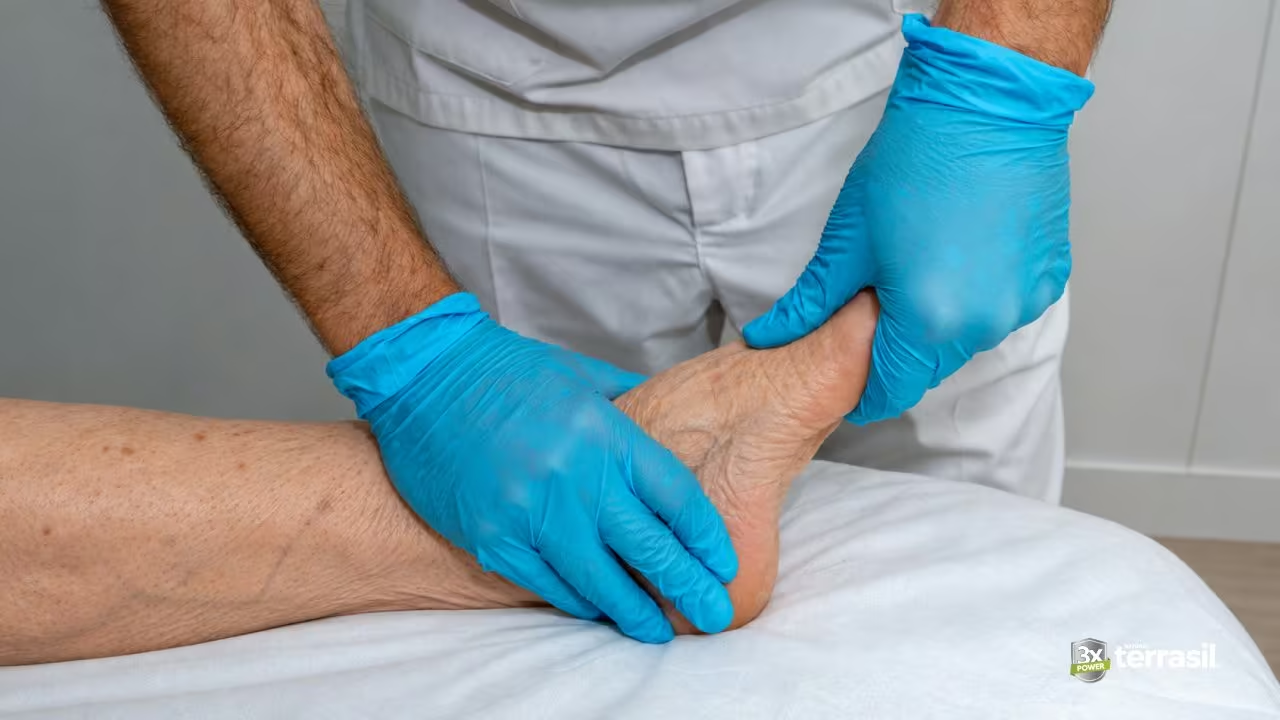
Diabetic foot ulcers most often form on the bottom of the foot, especially on the pad (ball) of the foot and under the big toe. Shoes that don’t fit well can also cause them on the sides of the foot, the tops of the toes or the heel. In general, they start at pressure points, where the foot repeatedly rubs or presses against a shoe or the ground.⁶ ⁷
The sore may look different depending on its depth and the tissue at its base. Some are small and shallow, with a pink or red base. Others are deeper, with brown, black or yellow tissue in the base, a callus or a ring of harder skin around the edge, or drainage. Some ulcers have a strong smell. Because how a sore looks on the surface doesn’t always show how deep it goes, a clinician’s exam is so important.⁷
Clinicians often describe diabetic foot ulcers using a grading system. The Wagner classification, for example, runs from Grade 0 (skin that is still intact) through higher grades that describe deeper wounds, including those where bone is visible or gangrene is present.⁷ The grade helps the care team choose the right treatment and track progress over time. You don’t need to memorize the grades, but knowing that depth and tissue type shape the plan can help you understand what the team is telling you.
Changes to Watch For, and Why They Matter

Certain changes in a diabetic foot ulcer or the foot around it deserve prompt attention from the care team. Share these quickly, even if the change seems small:
- Spreading redness, warmth or swelling around the sore.
- More drainage, especially if it looks like pus or has a bad smell.
- New pain, tingling or burning in the foot, or a sudden change in how the sore feels.
- Color changes in the toes or foot, such as dark, blue or pale patches.
- Feeling unwell, including fever, chills, or a general sense that the person isn’t themselves.
These can be signs of infection or changing circulation. Infection is a particular concern in the feet of people with diabetes, because it can spread to other areas of the body or lead to gangrene (tissue death) if it isn’t treated. That’s why clinicians check for infection directly and may take a sample from the wound for testing. Bringing your observations to the team quickly gives them the best chance to act early.1 5
Protecting the Feet Every Day

Daily foot care is one of the most effective things you can do to prevent new sores and protect healing skin.
Check Both Feet Every Day
A daily check is the single most powerful habit. Look at the top, bottom, sides and heels of both feet, and between the toes. A mirror can help you see the soles. Look for cuts, blisters, redness, swelling, calluses, dry or cracked skin, and changes in color or temperature. Compare one foot with the other, since differences can be easy to miss.¹ ²
Choose Footwear With Care

Shoes should fit well, with enough room at the toes, and should not rub or press. Shopping late in the day helps, because feet are largest then, and new shoes are best broken in gradually. Avoid going barefoot, even indoors, because it’s easy to step on something sharp without noticing. Socks should be smooth, well fitting and not tight. Check the inside of shoes before putting them on. If the person has a sore, the care team may recommend specialized footwear or offloading devices that take pressure off the area.1 2 8
Keep the Skin Clean and Moisturized

Wash the feet daily in lukewarm water, testing the temperature with a hand or elbow first, and dry them completely, especially between the toes, where moisture can cause problems. Use a gentle cleanser, and don’t soak the feet. Moisturizing the tops and bottoms of the feet helps prevent cracks, but avoid putting moisturizer between the toes, since the extra moisture there can invite trouble.1 5
Care for the Nails and Calluses Carefully
Trim toenails straight across, and file the edges gently. Avoid cutting into the corners. Never cut calluses or corns, don’t try to remove them yourself, and skip corn plasters and liquid removers. Ask the care team or a podiatrist for help with thick nails or calluses.1 2 5
Manage Blood Sugar With the Care Team

Steady blood sugar supports the nerves and blood vessels in the feet, and it’s one of the most important long-term factors in foot health. Work with the person’s care team on a plan that fits their needs, and follow the medication and monitoring plan they’ve been given. Not smoking matters too, because smoking reduces blood flow to the feet.1 2
Working With the Care Team

The care plan for a diabetic foot ulcer usually involves more than one specialist. Depending on the situation, that may include a primary care clinician, an endocrinologist, a podiatrist, and sometimes vascular or infectious disease specialists.⁸ Helpful questions to bring to appointments include:
- What is the grade or stage of this ulcer, and what does it mean for the plan?
- Is there any sign of infection, and how will we know?
- Is there any problem with blood flow to the foot?
- What kind of footwear or offloading device should we use?
- What should we watch for at home, and how should we report changes?
- What dressing should be used, and how often should it be changed?
What Care Involves for Deeper Ulcers

For ulcers that are deeper or not healing, the care team may use several approaches together. These can include removing damaged or dead tissue (debridement), choosing dressings that match the wound’s needs, relieving pressure through offloading with special shoes, a cast or braces, and treating infection, for example with antibiotics. In some cases, a clinician may recommend surgery. In more serious situations, hospital-level care may be needed, especially if an infection is severe.1 7
Food matters more than many families realize. A healing wound needs protein, enough calories and enough fluids, and poor nutrition can slow healing or even stall it. Protein is especially important, so it helps to include a protein source at each meal, such as eggs, fish, chicken, beans or yogurt, within the person’s diabetes meal plan. High blood sugar also slows healing, so the goal is a diet that supports both. A dietitian can help balance the two and check whether a supplement makes sense.⁹
Making Daily Foot Care Easier to Keep Up

Daily foot care only works if it actually happens every day, and on a busy or hard day, it’s the easiest thing to skip. A few small systems make it stick:
- Tie it to something that already happens. Right after a shower, or while putting on pajamas, works better than “sometime today.”
- Keep everything in one place. A small basket with a hand mirror, a soft towel, moisturizer, a nail file and a notebook saves the search every time.
- Use the same order every time. Top, sole, heel, sides, then between each toe, on one foot and then the other. A routine makes it harder to miss a spot.
- Snap a photo. A quick picture of the sore, taken in the same light every few days, makes small changes easier to see than memory alone, and it’s easy to show the care team.
- Share the job. If more than one person helps, a shared note or notebook keeps everyone looking for the same things.
Protecting the Skin Around the Foot

Once the skin around a sore is clean and dry, a protectant can help keep it comfortable. The terrasil Foot Ulcer and Sore Relief ointment lists allantoin as its active ingredient. Allantoin is an over-the-counter skin protectant, and the ointment also contains premium natural ingredients that moisturize, protect and soothe the skin. Together with the rest of the formula, Activated Minerals® technology helps support absorption. Read the Drug Facts on the package before use, and use it only on intact skin around the sore unless the care team has told you otherwise.
Because diabetes is a long-term condition, foot care is ongoing. Subscribe & Save is available for the terrasil Foot Ulcer and Sore Relief ointment, so you can keep it on hand on a schedule you choose.
Frequently Asked Questions
Conclusion
A sore on the foot of someone with diabetes is worrying, but you have more influence than you might think. Take weight off the foot, keep it clean and dry, protect the skin around it, skip the soaks and harsh cleaners, and share any changes with the care team quickly. Daily foot checks, good footwear, good nutrition and steady blood sugar management help protect the feet over the long term. Your attention makes a real difference.
References
- Cleveland Clinic. Diabetes-Related Foot Conditions. Last updated March 21, 2024. https://my.clevelandclinic.org/health/diseases/21510-diabetic-feet
- Centers for Disease Control and Prevention (CDC). Your Feet and Diabetes. Last reviewed May 15, 2024. https://www.cdc.gov/diabetes/diabetes-complications/diabetes-and-your-feet.html
- MyHealth.Alberta.ca (Alberta Health Services). Diabetes: Steps for Foot-Washing. Current as of July 7, 2025. https://myhealth.alberta.ca/Health/pages/conditions.aspx?Hwid=aa20068
- Mayo Clinic. Cuts and Scrapes: First Aid. May 1, 2024. https://www.mayoclinic.org/first-aid/first-aid-cuts/basics/art-20056711
- MedlinePlus, U.S. National Library of Medicine. Diabetes – Taking Care of Your Feet. Reviewed May 18, 2026. https://medlineplus.gov/ency/patientinstructions/000081.htm
- NewYork-Presbyterian Health Library (Ignite Healthwise). Diabetic Foot Ulcer. Current as of July 7, 2025. https://www.nyp.org/healthlibrary/shorts/document/zm6346
- Cleveland Clinic. Foot and Toe Ulcers. Last updated April 27, 2022. https://my.clevelandclinic.org/health/diseases/17169-leg-and-foot-ulcers
- American Diabetes Association. 8 Tips to Protect Your Feet with Diabetes. https://diabetes.org/health-wellness/diabetes-and-your-feet/8-tips-protect-your-feet
- American Limb Preservation Society. Nutrition Interventions in Adults with Diabetic Foot Ulcers: Expert Consensus and Guidance. Guideline Central, 2022. https://eguideline.guidelinecentral.com/i/1428995/7
- Cooper R. The use of honey in diabetic foot ulcers. The Diabetic Foot Journal. 2017;20(3):154. https://diabetesonthenet.com/diabetic-foot-journal/use-honey-diabetic-foot-ulcers/
Medical disclaimer: This article is for general educational information only and is not medical advice. It does not diagnose, treat, cure or prevent any condition, and it is not a substitute for an examination or advice from a qualified healthcare professional. These statements have not been evaluated by the Food and Drug Administration. Terrasil products are not intended to diagnose, treat, cure or prevent any disease.