


Introduction
Your feet carry you through life. Literally. They bear your weight, absorb impact, navigate uneven ground, and live inside shoes all day. And yet—most of us completely ignore them until something goes wrong.
Then one day you notice it: a small crack on your heel. A bit of dryness between your toes. A tender spot that won’t seem to heal. And suddenly you’re thinking, “Wait, when did my feet get so fragile?”
If you have sensitive skin, naturally dry skin, or just haven’t been paying attention to your feet, even tiny nicks and cracks can snowball into persistent sores if left alone. The good news? This is almost entirely preventable with a little daily care and attention.
This guide walks you through everything you need to know: where foot sores actually come from, the daily habits that matter most, what “natural” foot care really means (spoiler: not all oils are created equal), and how to build a simple routine using terrasil® Foot Ulcer & Sore Relief—a thoughtfully formulated skin protectant with Allantoin 0.6% and natural botanicals—to keep your feet healthy and pain-free.
The best part? It’s not complicated. It just requires showing your feet a little love.
Where Foot Sores and Dry-Skin Cracks Often Start
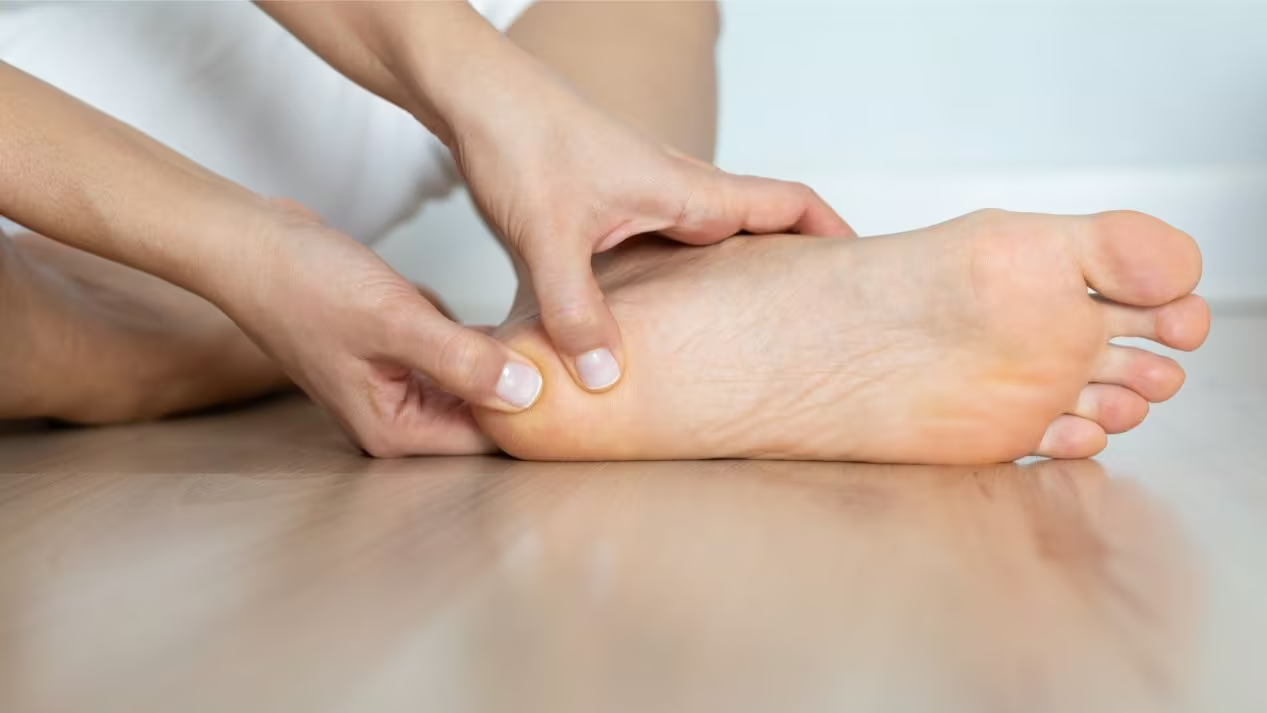
Here’s something people don’t realize: you don’t need a chronic disease to develop foot sores. Sure, conditions like diabetes or poor circulation make you more vulnerable. But even “normal” dry or fragile skin on your feet is at risk.¹
Think about where your feet spend their time: squished in shoes, pressed against hard ground, bearing your full body weight. Add in natural dryness, friction from shoes, or a habit of ignoring that small crack, and you’ve got the perfect storm for a sore to develop.
The most common problem areas? Heels (especially around the heel pad where pressure builds up), the sides of your toes (where shoes rub), between your toes (where moisture and warmth create a breeding ground), and the ball of your foot (where weight concentrates).¹ ² Even a small blister or crack in these spots can deepen over time if you’re not paying attention.
Here’s the kicker: the earlier you catch dryness or minor damage, the easier it is to prevent. Ignore it, and a small crack becomes a painful sore that takes weeks to heal.¹
The Simple Daily Habits That Actually Prevent Foot Sores
Most foot-care advice sounds boring. “Inspect your feet daily.” “Keep them dry.” “Wear good shoes.” But these aren’t just suggestions—they’re the foundation of healthy feet.¹ ² Here’s why they work:
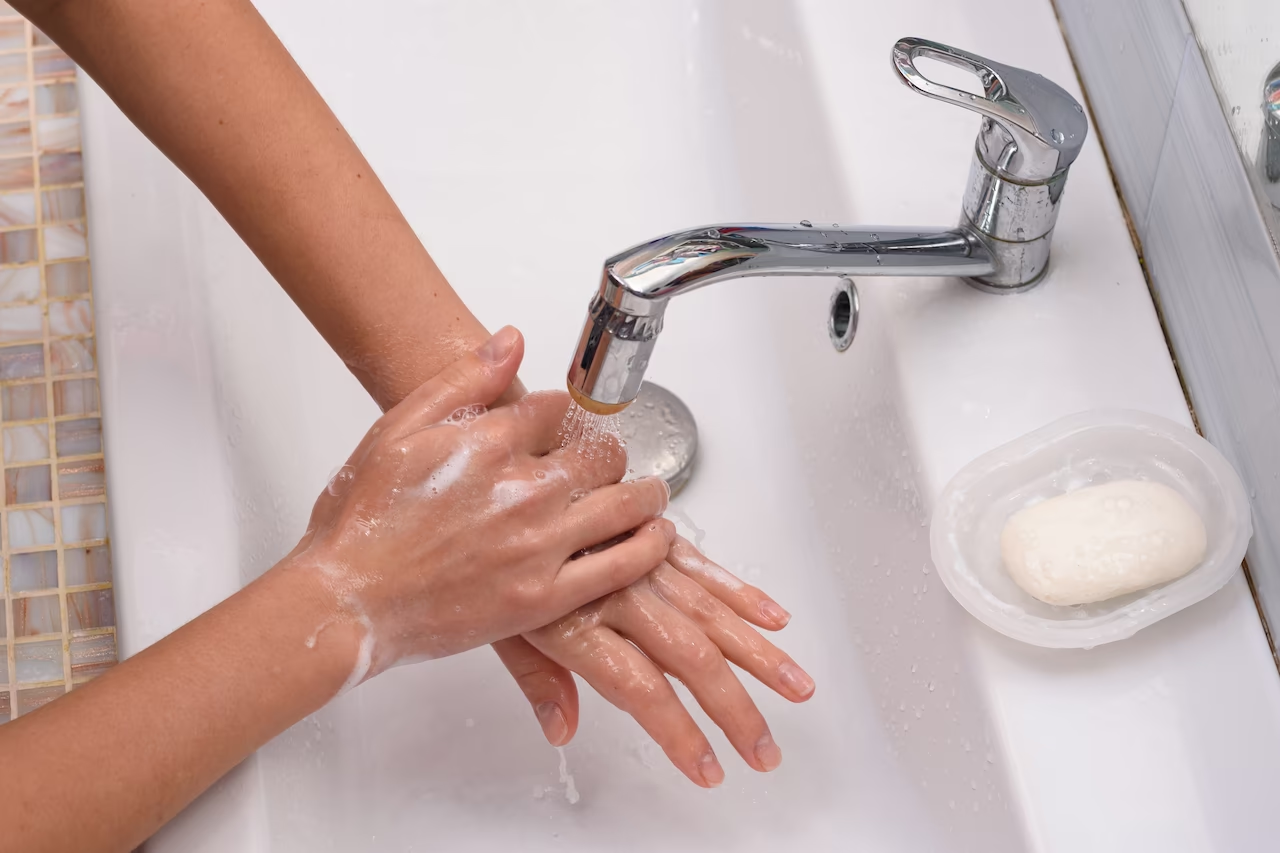
Wash gently—not aggressively. Use lukewarm water (not hot, which strips moisture) and a mild but cleansing soap.¹ If you want something that is gentle and will hydrate your skin without harmful chemicals, try terrasil® Calendula Cleansing Bar. It’s made with high-quality, natural ingredients like olive oil and shea butter, and features our patented Activated Minerals for a supportive cleanse. Think “soft and supportive,” not “scrub away the problem.” Use lukewarm water. Although hot water feels good in the moment, it can dehydrate your skin and cause it to crack more.
Dry thoroughly—especially the tricky spots. This is where most people mess up. You’ll wash your feet, then just throw socks on while they’re still damp. That trapped moisture between your toes? Perfect for fungus and bacteria.² Take 30 seconds to dry completely, paying special attention between toes, around heels, and along the soles.
Inspect your feet daily—actually look at them. This sounds silly, but most people never check their own feet.¹ Grab a mirror, sit down, and actually look. Are there new cracks? Red spots? Areas of dryness? Changes in texture? Early sores are infinitely easier to treat than ones you’ve ignored for weeks. If you can’t see your own feet easily, ask someone to help or use a hand mirror.
Moisturize regularly—before problems start. Dry skin cracks. Cracked skin becomes sores. Moisturized skin stays supple and resilient.¹ Apply our terrasil Foot Ulcer & Sore Relief ointment. It acts as a soothing skin protectant that helps relieve dryness and supports your skin’s natural barrier. Apply it while your feet are still slightly damp (it absorbs better), focusing on heels, soles, and any dry patches.
Wear socks and shoes that actually fit. This one matters more than people think.² Socks should be soft, breathable, and moisture-wicking (cotton-wool blends work great)—not tight or synthetic. Shoes should fit well without excessive rubbing, have good cushioning, and not create pressure points. If you’re in pain after wearing certain shoes, that’s your body telling you they’re wrong for your feet.
Keep moving—don’t let blood circulation stall. Healthy circulation keeps skin resilient and helps minor injuries heal faster.³ If you stand or sit for long periods, take breaks, walk around, and keep blood flowing to your feet.
These habits seem small individually, but together they’re the difference between healthy feet and chronic problems.
The Myth of “Natural” — What Actually Works (And What Doesn’t)

Let’s be real: the internet loves “natural” solutions. Coconut oil, tea tree oil, shea butter—everyone swears by something. And sure, some natural ingredients do help.
But “natural” doesn’t automatically mean safe or effective. In fact, some popular natural remedies can backfire on foot skin, especially if your skin is fragile or easily irritated.
Myth #1: “Coconut Oil Is Perfect For Everything”
The reality: Coconut oil does moisturize and has some antimicrobial and anti-inflammatory properties that can help dry skin. Sounds great, right?
Here’s the problem: Coconut oil can be heavy for some people’s skin and may trap moisture in tight areas (like between toes), which can be unhelpful if you’re prone to irritation or fungal issues.
The takeaway: Coconut oil isn’t evil, but it’s not the universal fix people think it is. For fragile foot skin, a formulated skin protectant is safer.
Myth #2: “If an Oil Worked Before, Use it More Often”
The reality: Just because something helped once doesn’t mean it scales. Heavier oils and thick creams can accumulate, especially in areas with limited airflow like between your toes. More accumulation = more risk of bacterial or fungal growth, especially if moisture isn’t being managed carefully.
Experts actually recommend using skin protectants designed to balance moisture and airflow, rather than relying on heavy oils.
The takeaway: More isn’t always better. Less frequent application of a well-formulated product beats daily slathering with plain oil.
Myth #3: “All Natural Products Heal Sores Fast”
The reality: Natural products can support skin comfort and healing, but the evidence for rapid, deep healing is limited. Most oils are backed only by preliminary studies or anecdotal reports. And here’s the thing: if you have fragile, irritated, or damaged skin, a basic oil often isn’t strong enough to actually protect and support healing.
That’s where formulated skin protectants come in. terrasil® Foot Ulcer & Sore Relief combines Allantoin (a proven skin-soothing ingredient), natural botanicals, and our supportive patented Activated Minerals—all designed to work together to protect fragile skin and support natural surface-level healing.
The takeaway: For serious foot care, a thoughtfully designed product beats a single “natural” ingredient every time
Building Your Natural Foot-Care Routine: A Simple 2-Step Approach
Here’s the thing about foot care: it doesn’t need to be complicated. Just consistent.
STEP 1: Cleanse & Dry
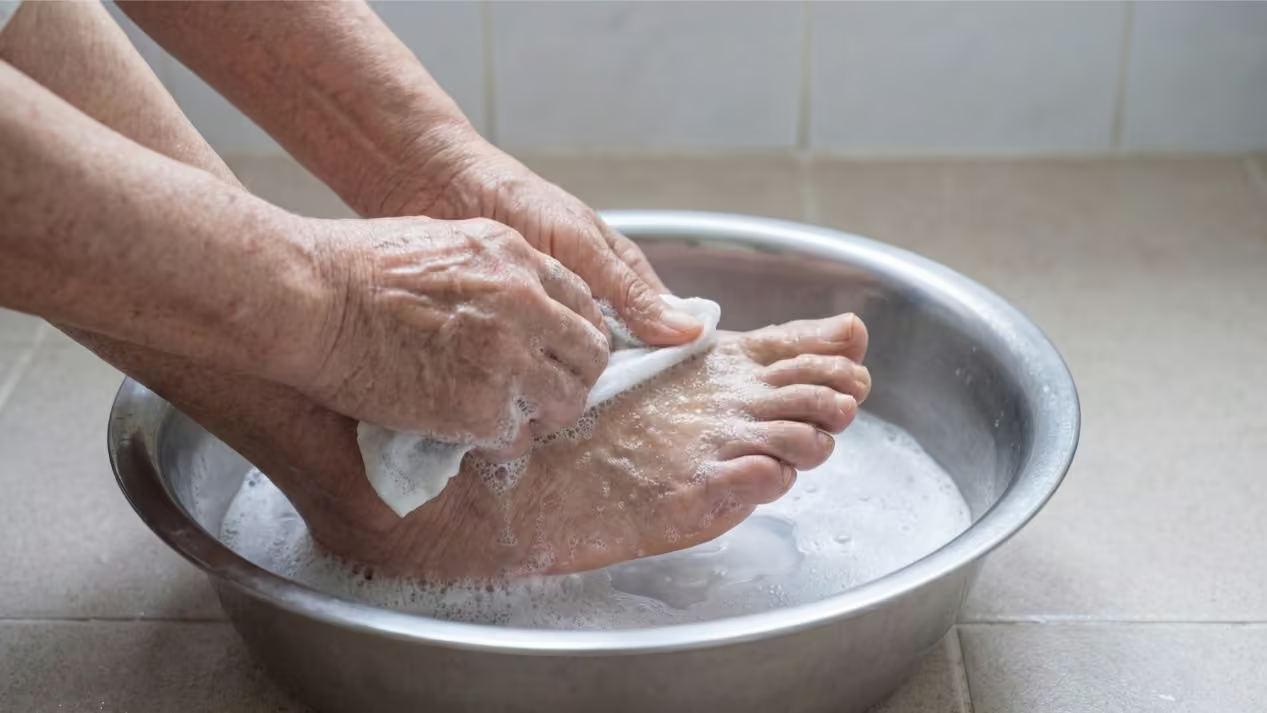
Start with a gentle wash. Use lukewarm water (not hot) and a mild, unscented soap. Wash your feet, between your toes, around your heels—everywhere. This removes dead skin, dirt, and bacteria without stripping moisture.
Then dry thoroughly. And I mean thoroughly. Use a soft towel and pay special attention to between your toes, around heels, and along the soles. Any trapped moisture is an invitation for fungal or bacterial growth.
STEP 2: Protect & Moisturize
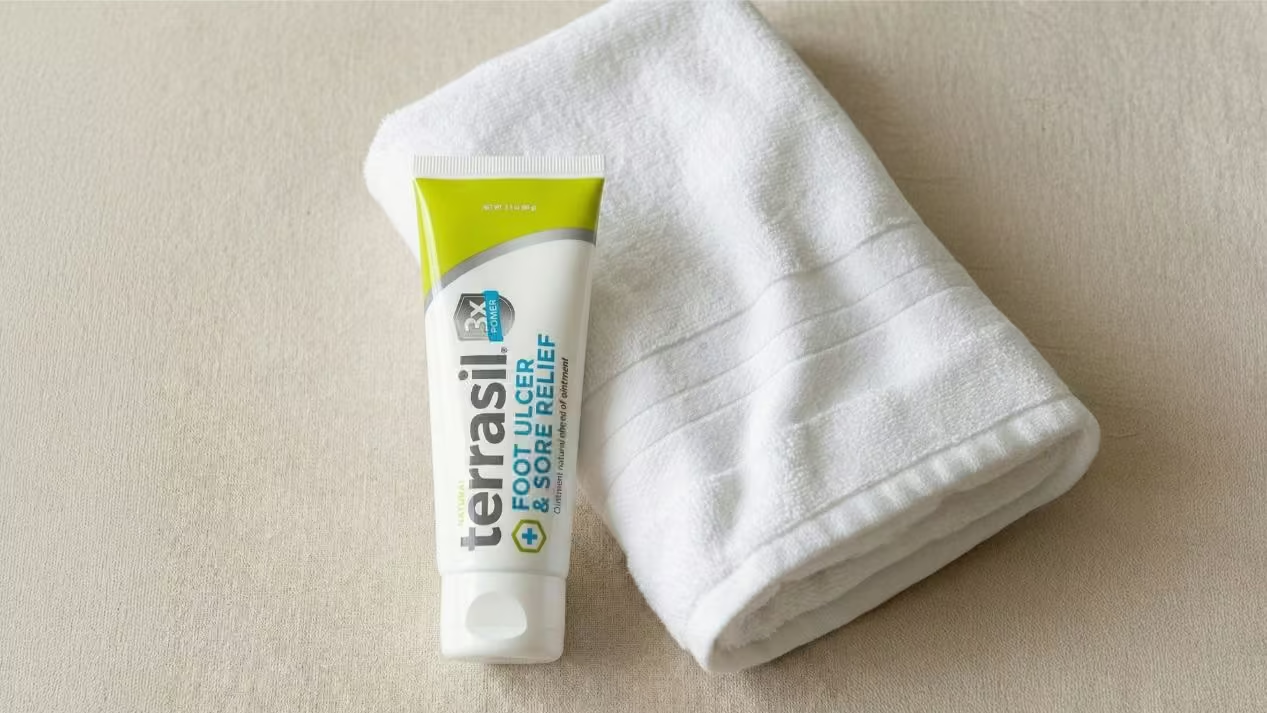
Once your feet are clean and dry, apply a thin layer of terrasil® Foot Ulcer & Sore Relief to areas prone to dryness, friction, or minor cracks. Focus on heels, the sides of toes, soles, and any dry patches.
The key word: thin. You don’t need much. The ointment contains Allantoin (0.6%)—a proven soothing ingredient—plus natural botanicals and supportive minerals. Together, they help protect fragile skin, soothe irritation, and support your skin’s natural healing process.
After applying, cover with clean, breathable socks or soft footwear. The ointment absorbs, creating a protective layer that keeps moisture in without trapping sweat.
Many people report noticeable improvements in skin comfort and softness within a few days with consistent use and good foot hygiene.
Safety reminder: For external use only. Avoid contact with eyes and mucous membranes.
Helpful Supplies for Your Foot-Care Kit
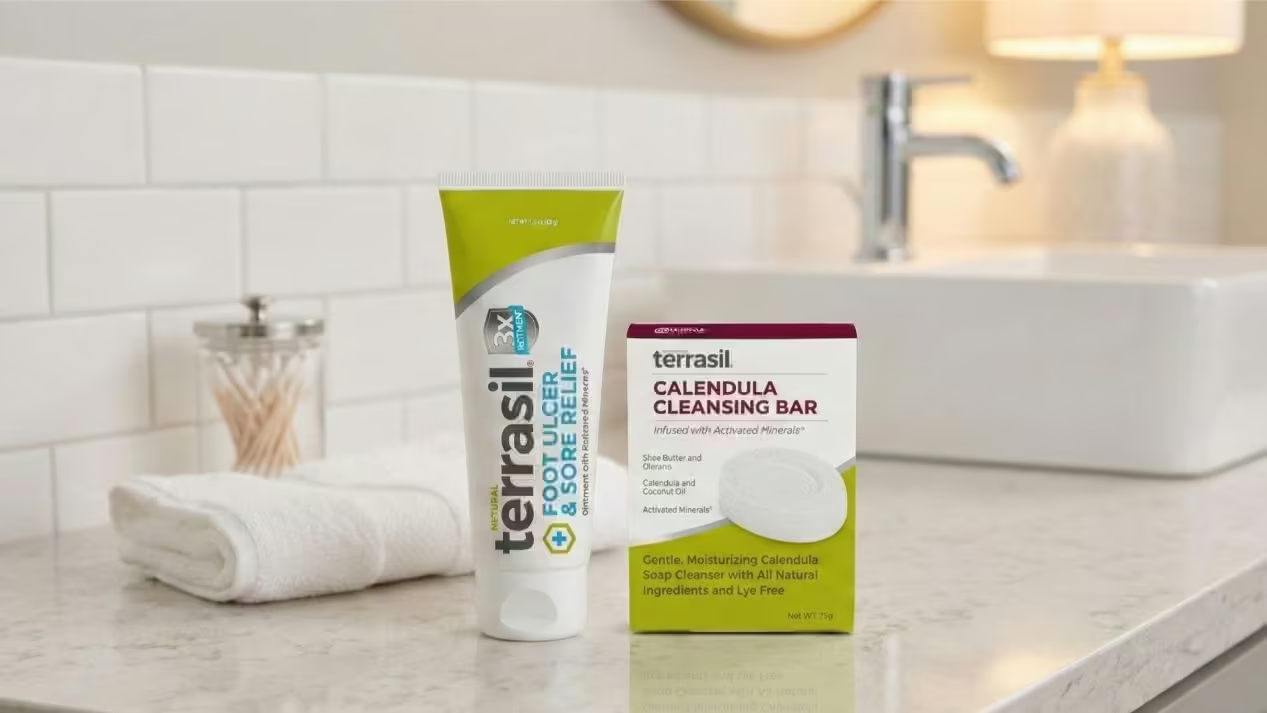
If you’re serious about preventing foot sores, here’s what you actually need:
- A soft washcloth
- A mild soap that cleanses while nourishing your skin, like our terrasil® Calendula Cleansing Bar
- A soft towel (designated for feet only, to avoid spreading bacteria)
- terrasil® Foot Ulcer & Sore Relief, a specially formulated natural skin protectant made for fragile skin
- A gentle emery board (to smooth rough edges that could catch or irritate skin)
- Clean, moisture-wicking socks (cotton-wool blends are ideal)
- Well-fitting, cushioned shoes
- A full-length mirror or someone to help with hard-to-see areas
Related: Best OTC Products for Cuts & Scrapes (for building a simple at-home skin-care kit)
That’s it. Nothing fancy. Just the essentials.
Making It Sustainable: Subscribe & Save for Consistent Care

Here’s a reality: if you have to remember to reorder every time you run out, you’ll eventually skip a week or two. And that’s when problems start creeping back in.
If foot care is part of your routine, auto-delivery can help you stay consistent without having to remember reorders.
Signing up to our Subscribe & Save (10% auto-delivery) means you never run out and relief will always be at arm’s reach. Focus on the routine itself, not logistics.
For occasional dryness, we recommend a small tube (30–50g) just to start off. But if you’re applying nightly to heels, soles, and toes, a larger size (100g+) is more practical and economical in the long term.
The peace of mind? Priceless.
The Bottom Line
Your feet are the foundation of everything you do. They deserve better than neglect and then panic when something goes wrong.
By embracing a simple daily routine—gentle cleansing, thorough drying, regular inspection, and consistent use of a protective ointment like terrasil® Foot Ulcer & Sore Relief—you can prevent the vast majority of foot sores before they even start. And when you do catch small cracks or dry patches early, they heal quickly instead of escalating into painful, persistent problems.
The best foot care isn’t complicated. It’s just consistent. Show your feet a little attention now, and they’ll carry you pain-free for years to come.
Frequently Asked Questions
Disclaimer
This article is for educational and general wellness purposes only. It does not diagnose, treat, or cure any medical condition, nor does it replace the advice of a qualified healthcare professional. If you have a chronic medical condition (such as diabetes, neuropathy, poor circulation, or vascular disease), or if you notice deep wounds, persistent ulcers, or signs of infection (redness, swelling, warmth, pus), you should seek care from a licensed medical provider.