







Eczema has a way of taking over the small moments of a day. The itch that starts in the middle of a meeting. The patch you keep rubbing without noticing. The long aisle at the pharmacy where every box promises relief and every label looks slightly different from the one beside it.
The short answer: the best over-the-counter product is the one whose label matches what you are dealing with and whose texture you will actually use. Ointments are thick and oil-based, creams blend oil and water, and lotions are the thinnest and most water-based.10,13,14 Reading the “Drug Facts” panel will tell you more than the front of the box ever does. This guide walks through how to do that, what the big label words really mean, and where the terrasil® Eczema & Psoriasis Severe Outbreak Ointment fits.
Key takaways
- “Over-the-counter” covers very different kinds of products: moisturizers, FDA-monograph skin protectants, products with a low-strength steroid, and homeopathic products. The label tells you which one you are holding.
- Ointments and creams contain more oil than lotions and are often described as more moisturizing; lotions are lightest.10,12
- “Fragrance-free” and “unscented” are not the same thing.9
- Colloidal oatmeal is a recognized skin protectant ingredient, not the only option and not an “approval to treat.”7,8
- The NEA Seal of Acceptance is voluntary, and plenty of good products never apply for it.3
- terrasil® Eczema & Psoriasis Severe Outbreak Ointment is steroid-free, homeopathic and labeled to relieve symptoms associated with eczema, psoriasis, severe dry skin, and itchy and flaky skin.
Eczema and the Skin Barrier, in Plain Language

Eczema is the name for a group of inflammatory skin conditions that cause itchy, dry, scaly skin and rashes.16 Atopic dermatitis is the most common type, and the word “eczema” is often used as a synonym for it.16 There are seven recognized types in all, from contact dermatitis to dyshidrotic eczema, and each can have different causes.16 NEA reports that over 31 million Americans live with eczema, including about 16.5 million adults with atopic dermatitis.25,17
The exact cause is unknown, but the National Eczema Association (NEA) describes two threads that show up again and again: a weakened skin barrier, which is the outer protective layer of the skin, and an overactive immune system that leads to inflammation.16 When the barrier is weaker, moisture escapes more easily, and irritants and allergens get in more easily.10 That is why dryness and itch so often go together.
Triggers vary a lot from person to person, and a flare can show up some time after contact with an irritant or allergen, which makes the culprit hard to spot.16 Common ones named by NEA include scratchy clothing, sweat and humidity.17 If you are curious about how another common rash differs, our posts on eczema or ringworm and contact dermatitis are good next reads, and what touches your skin matters looks at everyday triggers.
Why does any of this matter when shopping? Because most over-the-counter products work on the surface. They are about protecting, softening or relieving symptoms, not about changing the underlying condition. Knowing that makes it easier to read the claims on a package with a calm, practical eye.
What “Over-the-Counter Eczema Treatment” Actually Means
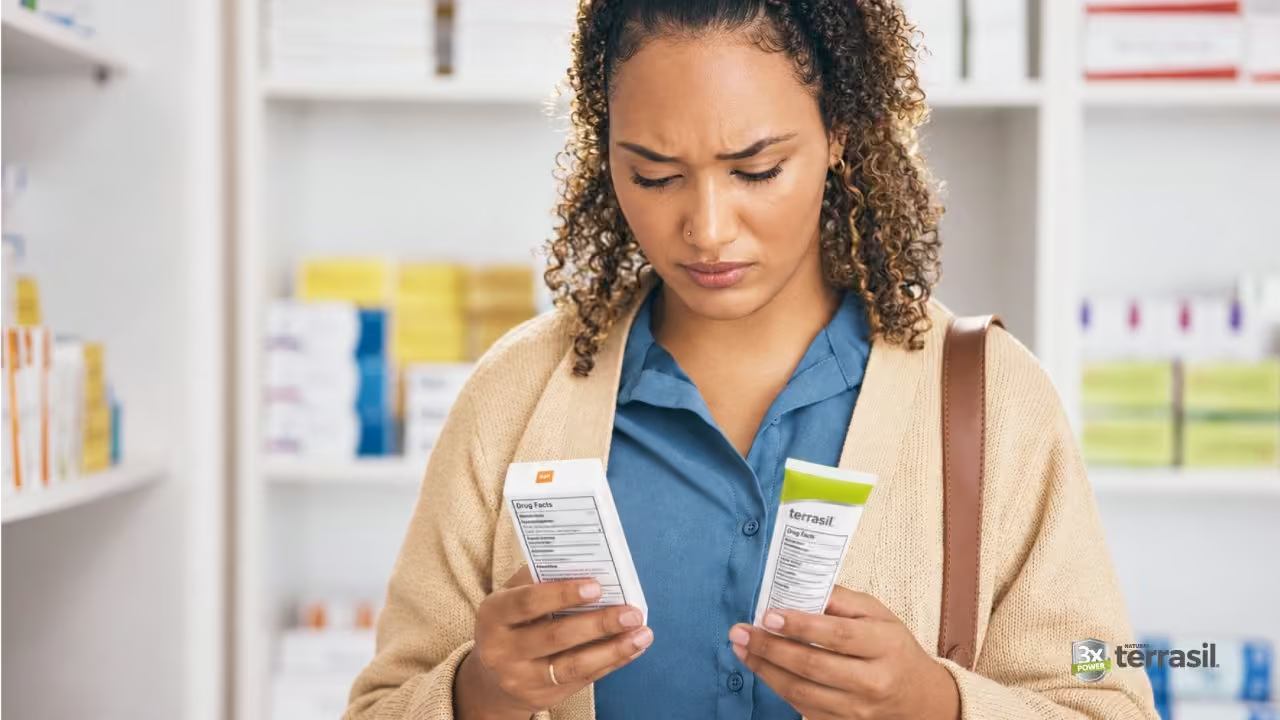
“Over-the-counter” (OTC) means you can buy the product without a prescription. That covers a wide range, and the products are not interchangeable even when they sit on the same shelf. Here is a simple way to sort them:
Category | What it is | How you can spot it |
|---|---|---|
Moisturizers and emollients | Lotions, creams and ointments that add oil and moisture and help protect the skin barrier10 | Often sold as cosmetics; no Drug Facts pane |
Skin protectant drug products | Products with an ingredient listed in the FDA skin protectant monograph, such as colloidal oatmeal7 | Drug Facts panel with “Skin protectant” as the purpose |
Low-strength topical steroid products | Products such as hydrocortisone, a topical steroid sold in several forms18 | Drug Facts panel naming the steroid as the active ingredient |
Homeopathic products | Products made with homeopathic ingredients and labeled for symptom relief | Drug Facts panel listing ingredients with “HPUS” and a potency such as 3X |
None of these are automatically “better” than another. They are different kinds of products with different rules behind their labels. A moisturizer is mostly about softening dry skin. A skin protectant product follows federal rules about its ingredients and the words it may use. A homeopathic product follows a different set of rules and is labeled for symptom relief. Once you know which kind you are holding, the rest of the label gets much easier to read.
Ointment vs. Cream vs. Lotion
The difference comes down to how much oil and how much water a product contains. NEA sorts moisturizers by exactly that: lotions are water-based, creams combine water and oil, and ointments are oil-based.10 Creams are often described as roughly half water and half oil, and are heavier than a lotion but less greasy than an ointment.13 The American Academy of Dermatology (AAD) adds that a cream has a higher oil content than a lotion, which makes it more hydrating.11
Type | Feel | What to know |
|---|---|---|
Lotion | Thin, absorbs quickly, little residue | The lightest option and the one with the least oil; NEA notes lotions are less effective than creams or ointments at moisturizing, and the alcohol in some can sting10 |
Cream | Thicker than lotion, less greasy than ointment | Easy to spread over larger areas; a common everyday choice13 |
Ointment | Thick, greasy, oil-based | Sits on top of the skin and does not dissolve easily in water; often chosen for very dry or rough patches10,14 |
NEA says the moisturizers that feel greasy, meaning creams and ointments, are the ones with more oil to keep moisture in and irritants out. If you do not like the feel of an ointment, NEA suggests a cream as the next best option.10 The AAD makes a similar point for dry skin generally: ointments and creams are more effective than lotions.12
One practical note: texture is personal. Some people love the staying power of an ointment and dislike how it feels on a hot day. Others find creams easier to live with. Neither is “wrong.” What matters is picking something you will actually reach for, and checking the label for what it is meant to do. We go deeper in our guide to ointment vs. cream vs. lotion.
How to Read an Eczema Product Label
The “Drug Facts” panel is the part of an OTC drug label that lists the active ingredient, the purpose, the uses, the directions and the warnings. The front of the box is marketing. The panel is the regulated part.
Here is a quick way to scan it:
- Active ingredient(s) and purpose. This tells you what the product is categorized as, for example a skin protectant or a homeopathic.
- Uses. The exact words a company is allowed to say. “Relieves symptoms associated with” is different from “protects,” and both are different from a marketing line on the front.
- Directions. How much and how often. Follow the label.
- Warnings. Including “for external use only” and anything else that applies to the product.
- Inactive ingredients. Everything else in the tube. If you are sensitive to a particular ingredient, look here.
To make that concrete, here is how the panel reads for the terrasil® Eczema & Psoriasis Severe Outbreak Ointment. The purpose line lists each active ingredient with its role. The “Uses” line says it relieves symptoms associated with eczema, psoriasis, severe dry skin, and itchy and flaky skin. The directions say to massage a small amount into the affected skin and reapply up to four times daily, and the label notes it is for external use only. Four short lines, and you already know what the product is for, how to use it, and what to watch for.
Words on the front of the box
Two front-of-box words deserve extra care. “Fragrance-free” and “unscented” are not the same. NEA points out that a product advertised as unscented may still contain fragrance chemicals, and that “fragrance-free” can legally include fragrance-type chemicals used for another purpose. It adds that people with eczema are often allergic to fragrance, yet it is almost impossible to tell which fragrance-related chemical is the culprit.9 That is the reason behind most of the fragrance warnings you see: the concern is a reaction, and reactions are individual. If scent matters to you, the ingredient list is where the answer lives, and some people prefer to patch-test a small area first.
Other phrases, such as “gentle,” “dermatologist-recommended” or “clinically tested,” are worth reading with the same practical curiosity. Ask what the claim rests on, and whether it also shows up in the Drug Facts panel. A claim that is regulated shows up there. A claim that exists only on the front of the box is a marketing line.
Why Everyone Talks About Colloidal Oatmeal
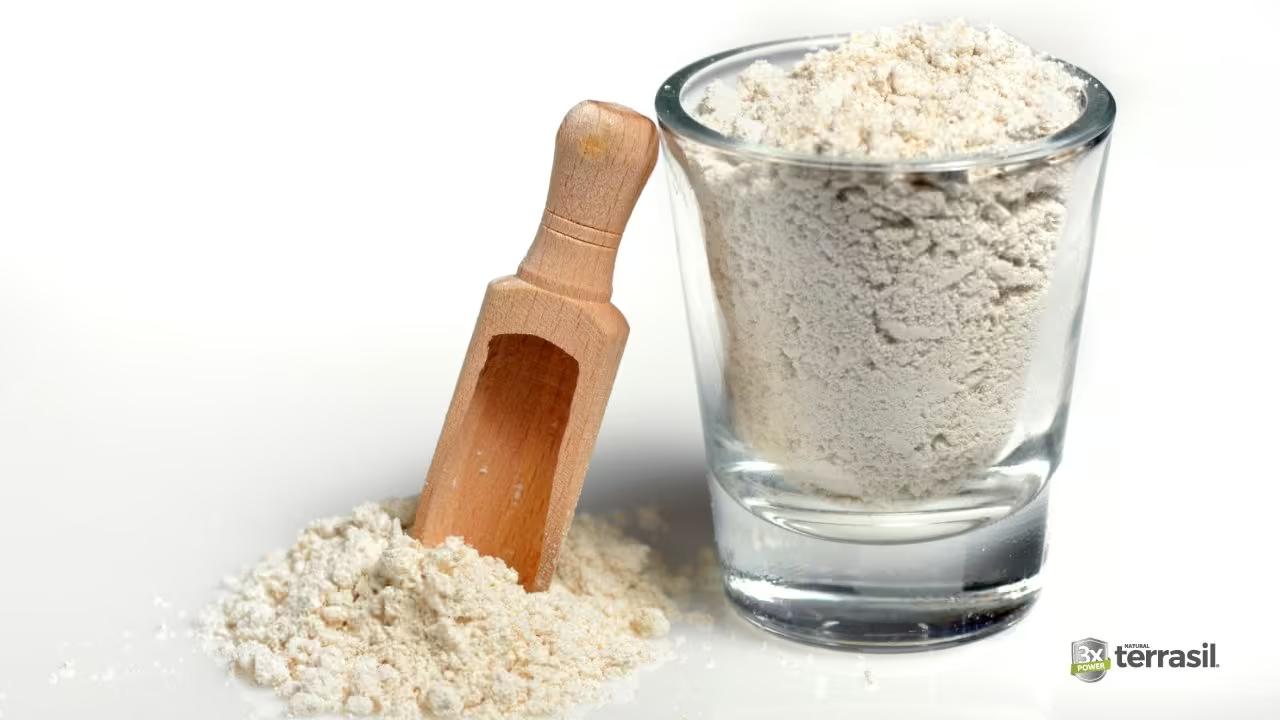
Colloidal oatmeal is finely ground oat that has been processed so it stays suspended in a product. It shows up in so many eczema products because it is one of the skin protectant active ingredients listed in a federal FDA monograph, with a minimum concentration of 0.007 percent.7 The monograph even spells out the wording a labeled product may use: it “temporarily protects and helps relieve minor skin irritation and itching due to” conditions including eczema.8
That is a lot of credibility for one ingredient, and it explains the shelf full of oatmeal creams. A fair reading, though, is that this is a recognition that colloidal oatmeal is generally recognized as safe and effective for that protectant use. It is not a statement that it is the only option, and it is not a promise about any single person’s skin. Be wary of any package or ad that calls it the “only FDA-approved ingredient to treat eczema.” That goes further than the regulation does.
So what does it mean if a product does not contain it? On its own, not much. A product without colloidal oatmeal may simply be using something else. The terrasil® Eczema & Psoriasis Severe Outbreak Ointment, for example, does not contain colloidal oatmeal. Instead, it uses a combination of different HPUS-listed active ingredients, labeled in a different category for relief of symptoms associated with eczema. That means it is not a head-to-head comparison. Specifically, its actives are:
- Graphite 10X HPUS, labeled for itching relief
- Natrum muriaticum 3X HPUS, labeled for itching and burning relief
- Symphytum officinale (comfrey) 1X HPUS, labeled for inflammatory relief
- Thuja occidentalis 3X HPUS, labeled for eczema and psoriasis relief and dry skin relief
These actives sit in a base of natural ingredients that soothe and moisturize the skin, along with our patented Activated Minerals® technology, which supports absorption. The formula does not contain petrolatum or parabens.
We are not aware of any study that compares the two directly, so any claim that one is “stronger” would be baseless. What you can compare is what each label says it is for, what texture you want, and what is in the inactive list.
It is also worth knowing that some people simply prefer oat-free formulas, and others look for them. Your skin, your routine, and your comfort are the real test.
The NEA Seal of Acceptance, Explained
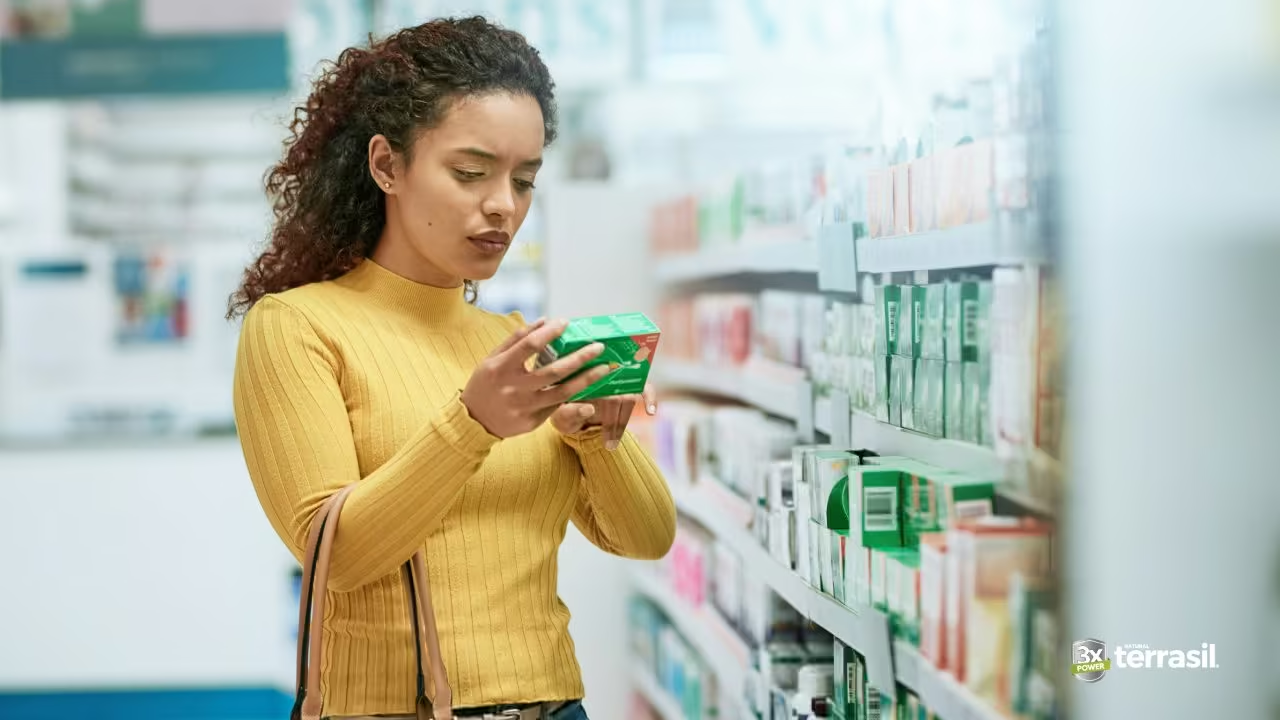
The Seal of Acceptance is a voluntary program run by the National Eczema Association (NEA). Companies choose to apply. The program is described as an evidence-informed framework for products that meet defined safety and sensitivity criteria.3 Applying involves clinical safety testing and a formal application process, which is one reason many brands never do.1,2
In short, NEA’s position is this: the Seal is a voluntary, application-based program. It asks for clinical safety testing, it excludes products containing ingredients on the Ecz-clusion List, and it asks that a product be fragrance-free, with no discernible or aromatic scent in the final product.1,2 NEA also notes that previously accepted products must keep showing they meet the current standards as the criteria are updated.2 That is a clear, specific standard, and it is one reason many plant-based formulas sit outside the program, regardless of how they are made.
The reasoning behind the scent criterion is easy to follow. Fragrance is a common culprit in reactions, and it is hard to tell which fragrance-related chemical is responsible, so a rule of “no discernible scent” is a simple way to keep that variable out.9 A faint scent that comes from a product’s natural ingredients is a different thing from an added artificial chemical fragrance, although every ingredient list is worth reading with your own skin in mind, because sensitivities are individual.
The terrasil® eczema ointment does not carry the seal. It has a faint botanical scent that comes from its natural ingredients, and the Seal asks for no discernible scent at all. That is simply a difference in category, not a verdict on the product. A seal is one useful signal among several. If a Seal matters to you, NEA’s product directory is a good place to browse; if you prefer a different type of product, the label is still your best guide.
What “Homeopathic” and “HPUS” Mean on a Label

“HPUS” stands for the Homeopathic Pharmacopeia of the United States, the reference that sets standards for homeopathic ingredients. When a label lists an ingredient followed by “HPUS,” it is telling you the ingredient is listed there. You will also see a number and a letter, such as 3X or 10X. That is the potency, which is the scale homeopathy uses to describe how an ingredient has been prepared.
Homeopathic products are labeled for symptom relief, and they are regulated differently from monograph products like colloidal oatmeal creams. That is why the wording on a homeopathic label usually reads “relieves symptoms associated with” rather than “temporarily protects.” Neither style is “better.” They are different frameworks, and recognizing the difference is the whole point of reading the panel.
Where the terrasil® Ointment Fits
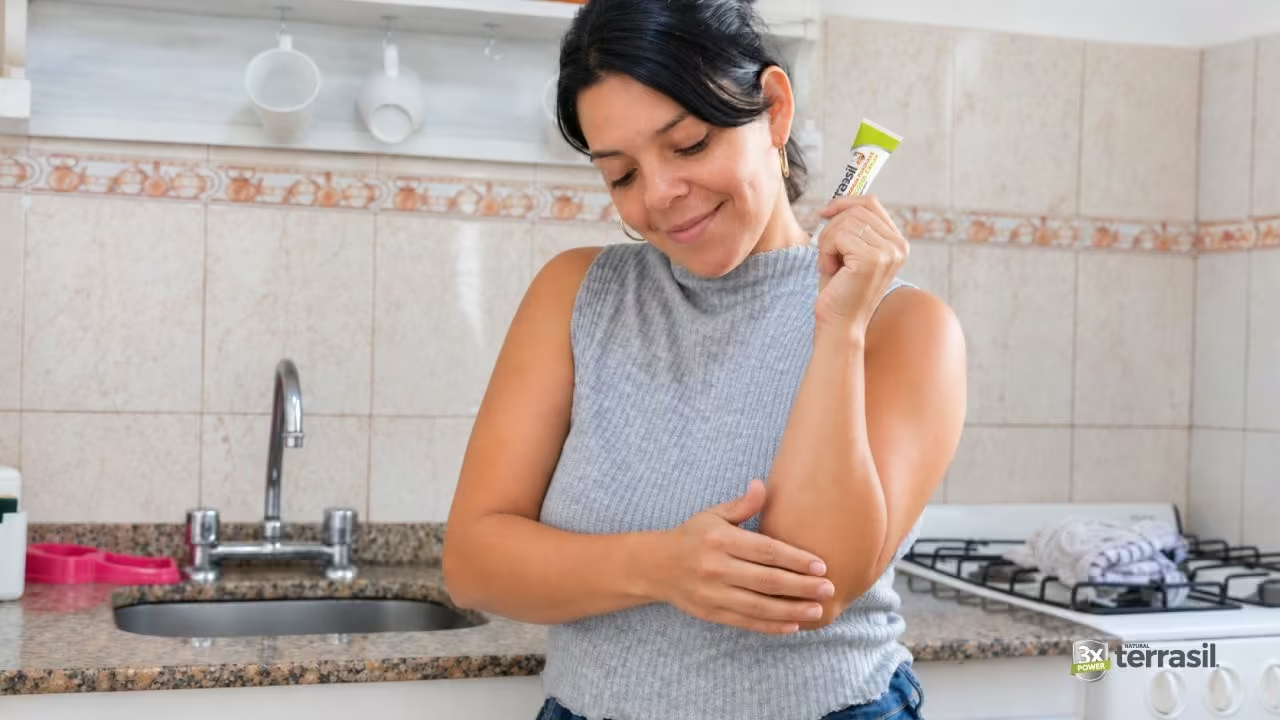
terrasil® Eczema & Psoriasis Severe Outbreak Ointment is a steroid-free homeopathic ointment, made with HPUS-listed active ingredients, that relieves symptoms associated with eczema, psoriasis, severe dry skin, and itchy and flaky skin. Its four HPUS-listed actives are described above: one each for itching relief, itching and burning relief, inflammatory relief, and eczema, psoriasis and dry skin relief.
The directions on the label are simple: massage a small amount into the affected skin, and reapply up to four times daily. A little goes a long way, which is part of why a tube lasts. One thing worth knowing before you use it: it may stain fabrics, so think about sleeves, sheets and light-colored clothing.
It is a thick, ointment-style formula with a faint botanical scent from its natural ingredients. If you are choosing between product types, that gives you a clear picture: a steroid-free option for the times you want a longer-lasting ointment, labeled for symptom relief rather than as a monograph skin protectant.
Day and Night: When a longer-lasting ointment makes sense
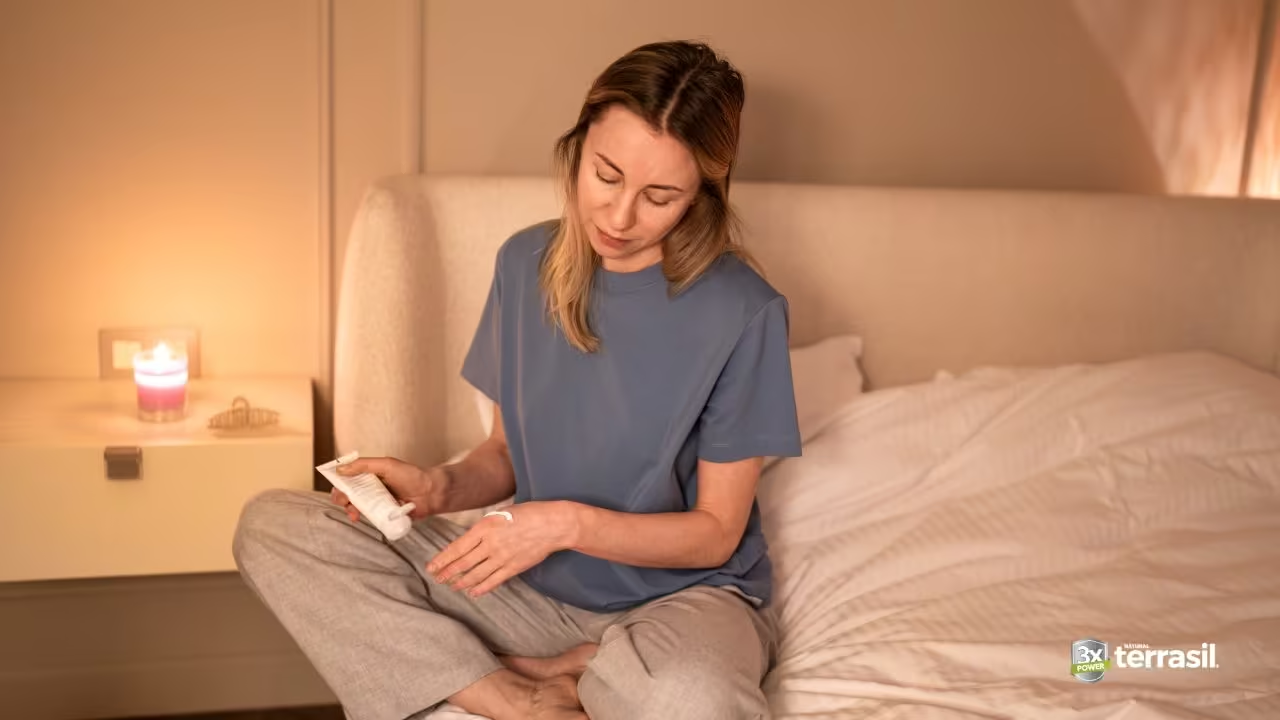
Ointments are favored for longer wear because their thick, oil-based texture tends to stay put.10,14 That is why many people save them for the times they will not be reapplying often, such as before bed, and use lighter products during the day. The UK’s National Eczema Society describes much the same split: some people prefer a cream or gel during the day and in spring and summer, and a greasier emollient just before bed and in the colder months.20 Another overview notes that an ointment can be useful for sleep because it is thick and delivers a high degree of moisture.19
If you are considering the terrasil® ointment at night, the label directions apply the same way: a small amount massaged into affected skin, reapplied up to four times daily. And since it may stain fabrics, many people choose to let it settle in before getting into bed, or wear clothing and sheets they do not mind marking.
During the day, the questions are different. Do you need to type, hold a phone, or shake hands? A lighter product can feel better in those moments, and a quick reapplication when it is convenient keeps things simple. Nothing here is a rule. It is just a way to match a product’s texture to the part of the day it suits.
A Simple Daily Routine
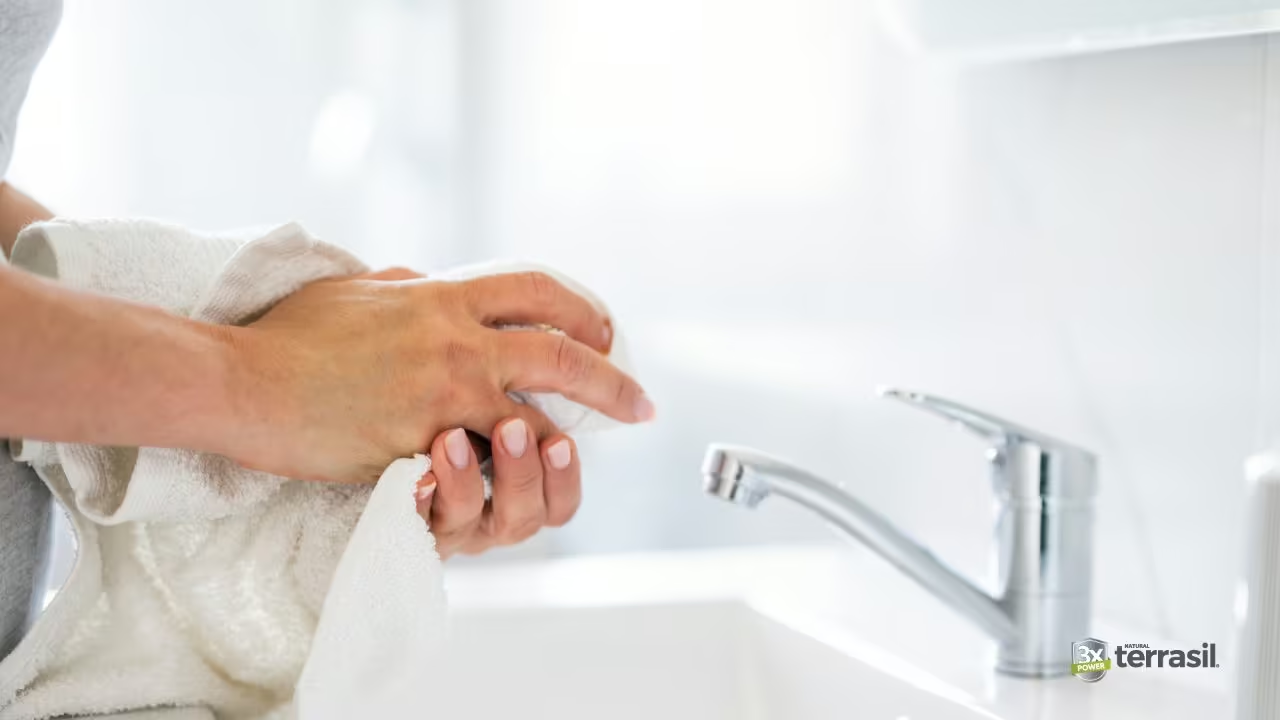
This is a general outline of habits commonly discussed in skin care guidance, not personalized advice:
- Keep washing gentle. Bathe with a gentle cleanser as part of basic atopic dermatitis care.17
- Moisturize after bathing. Bathing or showering can increase water loss from the skin, which is why moisturizing afterward matters.10 The AAD notes that moisturizer applied right after a shower helps trap water in the skin and keep it from evaporating.11
- Pat, do not rub. Apply moisturizer with your palm in downward strokes rather than rubbing up and down or in circles, since friction may add irritation.10
- Keep moisturizer within reach. Always keep relief at reach, so if you’re at home, by your bathroom sink and at your bedside, and if you’re out and about, be sure to always carry a small tube in your day bag and vehicle, so it is easy to reapply during the day.10
- Follow the label for any active product. Use the amount and frequency written in the directions.
- Notice what seems to bother your skin. A short note on your phone can help you spot patterns over time.
You may also hear about the “soak and seal” method, where you soak your skin for a few short minutes (5-20 minutes) in warm water, patting your skin slightly dry to keep your skin a bit damp, and then sealing in moisture afterward with a generous amount of moisturizer (lotion, cream, or ointment) or medication.10 It is a conversation to have with your own provider, who can say whether it suits your situation.
Seasons, Hands and Feet

Dry, cold weather and frequent washing can make skin feel rougher, which is why many people change products with the seasons. The AAD notes that winter can wreak havoc on skin in many parts of the country, and that people with drier skin often do better starting with a cream or ointment than a lotion.11 Many people find a lighter formula comfortable in summer and a thicker one in winter.
Hands and feet deserve a mention of their own. They get washed, scrubbed, gloved and rubbed all day. NEA describes dyshidrotic eczema as small, itchy blisters on the edges of the fingers, toes, palms and soles of the feet, often followed by cracked, scaly skin.16 For hands, a thick product that stays on through the day tends to be more practical than something that wipes off after one wash. We will cover this in more detail in a dedicated guide on eczema on the hands, fingers and feet.
Myths and Facts

Myth: “Colloidal oatmeal is the only FDA-approved ingredient to treat eczema.”
Fact: It is a skin protectant ingredient recognized in an FDA monograph for temporarily protecting skin and relieving minor irritation and itching due to eczema.7,8 That is recognition within a monograph, not an approval of a treatment, and it is not exclusive.
Myth: “Unscented means fragrance-free.”
Fact: Not necessarily. Check the ingredient list.9
Myth: “A seal on the box means every other product is risky.“
Fact: The NEA Seal is a voluntary program. Plenty of products never apply.3 The Seal can be one helpful signal, and NEA itself notes that not every product with the Seal is suitable for everyone with eczema.10
Myth: “A thicker product is always better.”
Fact: Thicker means heavier and longer-lasting. Whether that suits you depends on the area, the weather and your preference.10,11
Myth: “If it is natural, it cannot irritate.”
Fact: Natural does not guarantee that a product is right for every person. Skin is individual, so reading the ingredient list and testing a small area first are sensible habits with any product.
Myth: “More product means more relief.“
Truth: Men can and do get yeast infections, typically as candidal balanitis affecting the head of the penis and foreskin. They can develop one through sexual contact with an infected partner, through antibiotic use, high blood sugar, or being uncircumcised. It’s less common in men but far from impossible.8
Myth: A yeast infection always causes thick white discharge.
Fact: The label sets the amount and frequency. For the terrasil® ointment, that is a small amount, up to four times daily. A little goes a long way.
Common Mistakes
- Choosing by the front of the box. Marketing words are not the regulated part. The panel is.
- Treating “unscented” as “fragrance-free.”9
- Assuming “recognized” means “approved to treat.” The wording matters.
- Ignoring directions. Each product has its own amount and frequency.
- Rubbing it in hard. NEA notes friction may cause further irritation.10
- Layering too many products at once. If something bothers your skin, it is hard to tell which one did it.
- Forgetting the fabric. Ointments, including this one, can stain clothing and bedding.
- Chasing a trend instead of reading the label. More on that next.
What About Diet Trends?

Diet trends such as carnivore and keto get a lot of attention online, and people with eczema are talking about them. Browse Reddit’s eczema and carnivore communities and you will find many people describing clearer skin after cutting out grains, sugar and processed foods or going all the way to a meat-only diet. You will also find people saying the opposite: that their eczema flared when they started, or that nothing changed.24 These are personal stories, and they are worth reading with that in mind. They show that the question is real to many people. They do not show what will happen for any one person.
So what do the numbers say? There is no good statistic that says carnivore or keto improves eczema. Here is what does exist:
- Carnivore survey. A 2021 survey of 2,029 adults who had followed a carnivore diet for at least six months reported high satisfaction and improvements in overall health, with 48 to 98 percent reporting improvements across various medical conditions. It was a social media survey of self-selected people, based on self-report, and the authors themselves note the results may be confounded by other health behaviors. It was not specific to eczema.21
- Eczema diet survey. In a survey of 169 people with atopic dermatitis, recruited through NEA and the Eczema Society of Canada, 87 percent had tried removing certain foods. Among those who tried it, the best improvement was reported with removing white flour products (about 54 percent), gluten (about 51 percent) and nightshades (about 51 percent). Again, these are self-reports, not controlled trials.22
- Keto and low-glycemic review. A 2024 dermatology review concluded that evidence for a ketogenic or low-glycemic diet as a treatment for inflammatory skin conditions other than acne is insufficient, and called for randomized trials.23
The National Eczema Association (NEA) takes a careful position. It notes that people with atopic dermatitis, the most common type of eczema, have a higher risk of food allergies, and that food elimination diets for atopic dermatitis are currently not recommended and come with risks, including a possible increase in the risk of developing food allergies.4 A review of the elimination diet trend on NEA’s site adds that food allergy is very rarely identified as the root cause of atopic dermatitis.5
One more point, because the word comes up often in these conversations: NEA says eczema is not an autoimmune disease, although the immune system plays a significant role.6 Many online diet claims are framed around “autoimmune” conditions, so that distinction matters when you are weighing what you read.
Whatever you read, a major change in how you eat is a decision to discuss with a healthcare provider, and we will leave it there. A deeper look at what the research does and does not show is coming in a separate article.
How to Judge a New Ingredient Claim

New ingredients get announced all the time, and some will turn out to be genuinely useful. A few questions can help you weigh any of them:
- Does the Drug Facts panel say what it is for? Claims on the front should match the panel.
- Is it in a recognized category? An FDA monograph or the HPUS carries specific rules.
- Is the evidence named? Look for sources you can check, not vague phrases like “clinically shown.”
- Does the wording promise too much? Words like “cure” and “miracle” are warning signs.
- Does it fit the rest of the label? A bold claim next to a plain Drug Facts panel is worth a second look.
A Pre-purchase Checklist

- Is it a moisturizer, a skin protectant, a steroid product or a homeopathic? (Check the purpose line.)
- Do the “Uses” match what I am looking for?
- Is the texture one I will actually use, in this season and on this part of my body?
- Have I scanned the inactive ingredients for anything I know bothers me?
- Do I understand the directions, including how often?
- Is there a warning that applies to me, such as “for external use only”?
- Could this stain what I am wearing or sleeping on?
Frequently Asked Questions
Disclaimer: This article is for general education only. It is not medical advice and is not a substitute for personalized guidance from a healthcare professional.
References
- National Eczema Association. Seal of Acceptance™ Criteria. nationaleczema.org/eczema-products/seal-of-acceptance-criteria/
- National Eczema Association. Apply for the Seal of Acceptance™. nationaleczema.org/get-the-seal/
- Dermatology Times. Evaluating Product Safety Profiles in Eczema Care: A Closer Look at the NEA Seal of Acceptance. August 2025.
- National Eczema Association. Diet and Nutrition. nationaleczema.org/diet-nutrition/
- National Eczema Association. A Look at the Food Elimination Diet Trend for Atopic Dermatitis. December 2023.
- National Eczema Association. Is Eczema an Autoimmune Disease? nationaleczema.org/blog/is-eczema-autoimmune-disease/
- 21 CFR § 347.10, Skin protectant active ingredients. law.cornell.edu/cfr/text/21/347.10
- 21 CFR § 347.50, Labeling of skin protectant drug products. codes.findlaw.com/cfr/title-21-food-and-drugs/cfr-sect-21-347-50/
- National Eczema Association. Decoding the mystery of eczema product labels. nationaleczema.org
- National Eczema Association. Moisturizing for Eczema. nationaleczema.org/eczema/treatment/moisturizing/
- American Academy of Dermatology. How to pick the right moisturizer for your skin. aad.org/public/everyday-care/skin-care-basics/dry/pick-moisturizer
- American Academy of Dermatology. Dermatologists’ top tips for relieving dry skin. aad.org/public/everyday-care/skin-care-basics/dry/dermatologists-tips-relieve-dry-skin
- Vanicream. Skin Lotion, Cream or Ointment: How to Choose the Best Moisturizer. vanicream.com
- Healthline. Ointment vs. Cream: What’s the Difference? healthline.com/health/ointment-vs-cream
- WEDerm. Lotion vs. Cream vs. Ointment: Which to Use When. April 2021.
- National Eczema Association. What Is Eczema? nationaleczema.org/eczema/
- National Eczema Association. Atopic Dermatitis. nationaleczema.org/types-of-eczema/atopic-dermatitis/
- GoodRx. Topical Medications: Ointments vs. Creams vs. Lotions. goodrx.com/healthcare-access/medication-education/ointment-vs-cream
- Healthline. Emollients for Eczema. healthline.com/health/eczema/emollients-for-eczema
- National Eczema Society (UK). Emollients. eczema.org/information-and-advice/treatments-for-eczema/emollients/
- Lennerz BS, Mey JT, Henn OH, Ludwig DS. Behavioral Characteristics and Self-Reported Health Status among 2029 Adults Consuming a “Carnivore Diet.” Current Developments in Nutrition. 2021.
- Nosrati A, et al. Dietary modifications in atopic dermatitis: patient-reported outcomes. PMC5736303.
- Impact of Ketogenic and Low-Glycemic Diets on Inflammatory Skin Conditions. Cutis. 2024;113(2):75-80.
- Reddit. r/eczema, “Anyone try the carnivore diet?” (July 2023); r/carnivore, “More progress with strict carnivore” (July 2023); r/AnimalBased posts on eczema returning. User posts, anecdotal.
- National Eczema Association. NEA’s Seal of Acceptance Expands With Two New Product Categories (press release, January 2024). nationaleczema.org/press-release/sealofacceptancecategories/
